
Borderline Personality Disorder Treatment at We Level Up
Clinically Reviewed by Lauren Barry, LMFT, MCAP, QS
Medically Reviewed by Ali Nikbakht, PsyD
Reviewed / Updated: August 10, 2026 — Editorial Policy | Research Policy | Privacy Policy
By We Level Up | Author Alex Evans, PharmD, MBA | Editorial Policy | Research Policy
Borderline Personality Disorder treatment is available at We Level Up facilities in Florida, Texas, California, Washington, and New Jersey. These accredited treatment centers provide mental health care through licensed physicians, psychologists, therapists, nurses, and other behavioral health professionals. Treatment plans are based on each person’s needs and may include therapy, medication management, and support for co-occurring mental health or substance use disorders.
Borderline personality disorder (BPD) can affect feelings, thoughts, relationships, and daily life. People with BPD may have strong mood changes, a fear of being left, and trouble managing feelings. They may also act without thinking or have an unclear sense of who they are.
BPD is a real mental health condition, and treatment can help people manage symptoms and improve their daily lives. At We Level Up, a national substance abuse and mental health facility, we provide professional care and support for adults living with BPD and other mental health conditions.
BPD can also happen with other mental health problems. These may include depression, anxiety, trauma, and drug or alcohol problems. When a person has more than one problem, care should address all of their needs. At We Level Up, our team provides personalized borderline personality disorder treatment for adults who need mental health support.
Skip To:

Get Your Life Back
Find Hope & Recovery. Get Safe Comfortable Detox, Addiction Rehab & Dual Diagnosis Trused Care.
7/365 Line (844) 597-1011What Is Borderline Personality Disorder?
Borderline personality disorder (BPD) is a mental health condition. It can affect how a person feels, thinks, and gets along with others. A person may have strong feelings that change fast. They may also have trouble managing anger, sadness, or fear.
BPD can affect daily life and relationships. A person may fear that someone they love will leave. They may also have a changing view of themselves. Some people may act without thinking about what may happen next.
BPD is different for each person. A mental health professional can check the symptoms and make a diagnosis. Treatment can help people manage feelings, build better relationships, and cope with stress. As a nationwide healthcare provider, We Level Up offers personalized mental health care, therapy, and support to help people with BPD and co-occurring conditions work toward long-term recovery.

Common BPD Symptoms
BPD symptoms can affect many areas of life. Symptoms may change over time and may be different for each person.
Common BPD symptoms may include:
- Strong mood changes
- Fear of being left alone
- Unstable relationships
- An unclear sense of self
- Acting without thinking
- Strong anger
- Feelings of emptiness
- Trouble managing emotions
- Risky behavior
- Thoughts of self-harm
Not everyone has the same symptoms. A professional assessment can help identify the person’s needs and guide treatment. If someone is in immediate danger or may harm themselves, seek emergency help right away.
BPD and Related Mental Health Conditions
BPD can happen with other mental health conditions. A person may also have anxiety, depression, trauma, or a substance use disorder. These conditions can make symptoms harder to manage.
Some people may use drugs or alcohol to cope with strong emotions or stress. Substance use can then make mental health symptoms worse. Treatment can address BPD and other concerns together as part of one care plan.
Get Help. Get Better. Get Your Life Back.
Searching for Accredited Drug and Alcohol Rehab Centers Near You?
Even if you have failed previously and relapsed, or are in the middle of a difficult crisis, we stand ready to support you. Our trusted behavioral health specialists will not give up on you. When you feel ready or just want someone to speak to about therapy alternatives to change your life call us. Even if we cannot assist you, we will lead you to wherever you can get support. There is no obligation. Call our hotline today.
(844) 597-1011Common Types of Borderline Personality Disorder (BPD)
Borderline Personality Disorder (BPD) can affect people in different ways. While there is one main diagnosis, people may have different symptoms and challenges based on their emotions, relationships, and behavior.
Common types include:
BPD With Other Conditions: BPD that happens with anxiety, depression, post-traumatic stress disorder (PTSD), eating disorders, or drug or alcohol use.
Impulsive BPD: Frequent impulsive behaviors, such as risky spending, substance use, unsafe sex, or reckless driving.
Discouraged (Quiet) BPD: Strong emotions that are turned inward. People may avoid conflict, blame themselves, or hide their emotional pain.
Petulant BPD: Mood swings, anger, frustration, and feeling disappointed or rejected by others.
Self-Destructive BPD: Self-harming behaviors, suicidal thoughts, or other actions that put a person’s safety at risk.
How Borderline Personality Disorder Is Diagnosed
A mental health professional can check a person’s symptoms and history. The provider may ask about feelings, relationships, actions, and daily life.
The provider may also ask about:
- Mental health history
- Drug or alcohol use
- Family history
- Past treatment
- Current symptoms
- Daily life
- Safety
A full check helps the care team understand the person’s needs. It can also help find other mental health problems that may occur with BPD. A correct diagnosis can help guide the right treatment plan and determine the most appropriate levels of care.

Borderline Personality Disorder Treatment Options
Borderline personality disorder treatment often uses talk therapy. Therapy can help people understand their feelings and learn new ways to cope. Some people may also need medicine for certain symptoms or other mental health problems.
BPD Counseling
BPD counseling gives a person a safe place to talk. A therapist can help the person understand their thoughts, feelings, and actions.
Dialectical Behavior Therapy
Dialectical behavior therapy, or DBT, is a type of therapy used to treat BPD. It teaches skills to manage feelings, stress, and relationships.
Cognitive Behavioral Therapy
Cognitive behavioral therapy, or CBT, helps people see how thoughts can affect feelings and actions. It can help them notice thoughts that may cause problems.
Group Therapy
Group therapy lets people learn with others. A trained therapist leads the group and helps people practice healthy skills.
Family Counseling
BPD can affect family members and close relationships. Family counseling can help loved ones understand BPD and learn how to help.
First-class Facilities & Amenities
Trusted Integrated Addiction & Mental Health Rehabilitation Treatment
Rehab Centers TourEstablished Addiction Centers. Serene Private Facilities. Inpatient rehab programs vary.
Addiction Helpline (844) 597-1011Comprehensive recovery success experience, backed by a Team w/ History of:
15+
Years of Unified Experience
100s
5-Star Reviews Across Our Centers
10K
Recovery Success Stories Across Our Network
- Low Patient to Therapist Ratio
- Onsite Medical Detox Center
- Comprehensive Dual-Diagnosis Treatment
- Complimentary Family & Alumni Programs
- Alumni Coaching, Recovery & Personal Development Events

We Level Up’s Approach to Borderline Personality Disorder Treatment
At We Level Up, borderline personality disorder treatment begins with a full assessment. Our team learns about each person’s symptoms, health, past care, needs, and goals.
Care is made to fit each person. Some people may need more help and structure. Others may do well with outpatient care while living at home.
Care may include:
- BPD counseling
- One-on-one therapy
- Group therapy
- Family counseling
- Skills training
- Medicine support when needed
- Care for other mental health problems
- Aftercare planning
Treatment may change as a person’s needs change. The goal is to help people manage strong feelings, learn healthy skills, and improve daily life.
What Our BPD Treatment Program Offers
Our program may include:
- Mental health assessments
- Personal treatment plans
- Individual therapy
- BPD counseling
- Group therapy
- Family support
- Skills to manage strong feelings
- Medicine support when needed
- Care for other mental health problems
- Aftercare planning
A mental health professional can help find the right care for each person.
Levels of Care for Borderline Personality Disorder Treatment
The right level of care depends on each person. Some people need more help. Others can live at home and still get care. A mental health provider can help choose the best level of care.
Inpatient BPD treatment gives care all day and all night. People stay at the treatment center while they get help. This care is for people who need more support. Treatment may include therapy, BPD counseling, medicine, and daily care.
A Partial Hospitalization Program (PHP) gives care during the day. People go home at night. PHP gives more support than regular outpatient care. It may include one-on-one therapy, group therapy, BPD counseling, medication support, and life skills.
An Intensive Outpatient Program (IOP) gives care for a few days each week. People live at home while getting treatment. They can still go to work or school if they are able. Care may include therapy, group sessions, and skills to help manage stress and emotions.
Outpatient BPD treatment lets people live at home. They visit the treatment center for scheduled care. Treatment may include BPD counseling, therapy, group sessions, and medication support. This level of care is for people who need less support.
Telehealth BPD treatment lets people get care from home using secure video visits. It can make treatment easier to access. Care may include therapy and follow-up visits. A mental health provider can decide if telehealth is the right choice.
We Level Up is a Joint Commission-accredited treatment provider. We offer different levels of care for BPD. Our team helps each person find the care that fits their needs and supports long-term recovery.

Borderline Personality Disorder Recovery
Borderline personality disorder recovery is possible. Treatment can help people manage strong feelings, deal with stress, and build better relationships. Recovery takes time. Each person may improve in a different way. Staying in treatment and getting support can help people keep learning new skills.
A recovery plan may include therapy, help from loved ones, medicine support when needed, and follow-up care. With the right support, people can improve their symptoms and daily life.
Co-Occurring Disorders Associated With BPD and Addiction
BPD and drug or alcohol problems can happen at the same time. Some people may use drugs or alcohol to cope with strong feelings, stress, or other problems.
Drug and alcohol use can make BPD symptoms harder to manage. According to SAMHSA, people with mental health and substance use problems may benefit from treatment that helps with both problems at the same time. This type of care can help create a better care plan.
Common co-occurring conditions may include:
- Anxiety: Anxiety can cause fear, worry, and stress.
- Depression: Depression can cause sadness, low energy, and hopeless feelings.
- Trauma-related disorders: Trauma can affect feelings, relationships, and daily life.
- Substance use disorders: Some people may use drugs or alcohol to cope with hard feelings.
- Eating disorders: Eating problems can happen with other mental health problems.
Treating all concerns together can help people get the care they need.

What to Expect During BPD Treatment
Treatment is different for each person. A typical treatment plan may include therapy, skill-building, and regular check-ins with the care team.
During treatment, a person may take part in:
- Individual therapy
- Group therapy
- BPD counseling
- Emotional skills training
- Family counseling
- Medication reviews are conducted when needed
- Progress checks
People may also practice new skills outside of therapy. These skills can help with stress, relationships, emotions, and daily challenges.
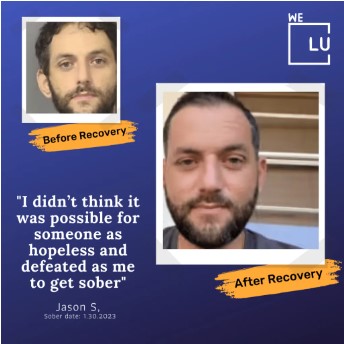
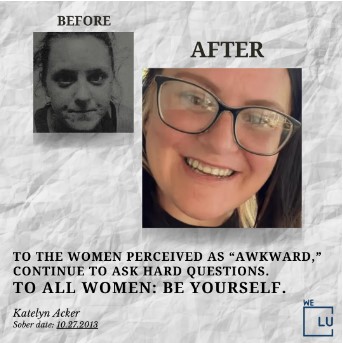
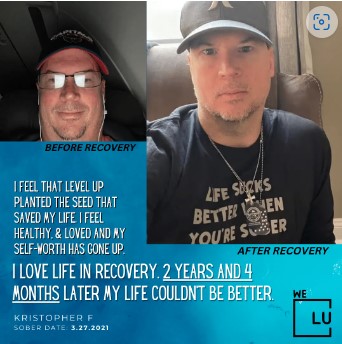
Experience Transformative Recovery at We Level Up Treatment Centers.
See our authentic success stories. Get inspired. Get the help you deserve.
Start a New Life
Begin with a free call to an addiction & behavioral health treatment advisor. Learn more about our dual-diagnosis programs. The We Level Up Treatment Center Network delivers recovery programs that vary by each treatment facility. Call to learn more.
- Personalized Care
- Caring Accountable Staff
- World-class Amenities
- Licensed & Accredited
- Renowned w/ 100s 5-Star Reviews
We’ll Call You
Choosing the Right BPD Treatment
The right treatment depends on each person’s symptoms and needs. Some people may need inpatient care first. Others may start with outpatient BPD treatment. As symptoms improve, a person may move to a lower level of care.
The treatment team can check progress and help decide the next step. Treatment may also help with drug or alcohol problems or other mental health conditions. A full care plan can help address all of a person’s needs.
Insurance and Access to BPD Treatment
Many health insurance plans may help cover mental health treatment. Coverage depends on the plan and the services needed. Our admissions team can help verify insurance benefits. We can also answer questions about treatment options, costs, and the admissions process.
Start Borderline Personality Disorder Treatment
Living with BPD can be hard. You can get help. Borderline personality disorder treatment can help you understand your symptoms and learn ways to cope. We Level Up helps adults with BPD. Care may include BPD counseling, therapy, group support, medicine support when needed, and care for other mental health problems.
We Level Up has treatment centers in Florida, Texas, California, Washington, and New Jersey. Our team can help you find the right care for your needs. Call (844) 597-1011 today. Our team is here 24 hours a day, 7 days a week. A care team can help you take the next step toward treatment and borderline personality disorder recovery.
FAQs About Borderline Personality Disorder Treatment
Can BPD get better?
Yes. Many people with BPD get better with treatment. Therapy, support, and healthy coping skills can help people feel better and have a better daily life.
How long does BPD treatment take?
BPD treatment is different for each person. Some people need care for a few months. Others may need care for a longer time. A mental health provider can make a treatment plan that fits each person’s needs. If you have questions about treatment or want to learn more, call (844) 597-1011 to speak with a care coordinator 24 hours a day, 7 days a week.
Can my family help during BPD treatment?
Yes. Family can be part of the treatment. Family counseling can help loved ones learn about BPD. It can also help them give better support at home.
What if my loved one does not want treatment?
Do not give up. Talk with them in a kind and calm way. Ask them to speak with a mental health provider. If they may hurt themselves or someone else, get emergency help right away.
Does insurance cover BPD treatment?
Many insurance plans may help pay for BPD treatment. Coverage depends on your plan. Visit our Insurance page to learn more and check your insurance benefits.
Sources
Storebø, O. J., et al. Psychological Therapies for People With Borderline Personality Disorder. Cochrane Database of Systematic Reviews.
National Institute of Mental Health (NIMH). Borderline Personality Disorder. https://www.nimh.nih.gov/health/topics/borderline-personality-disorder
American Psychiatric Association. Diagnostic and Statistical Manual of Mental Disorders, Fifth Edition, Text Revision (DSM-5-TR). American Psychiatric Association Publishing. https://www.psychiatry.org/psychiatrists/practice/dsm
National Institute of Mental Health (NIMH). Mental Illness. https://www.nimh.nih.gov/health/statistics/mental-illness
Substance Abuse and Mental Health Services Administration (SAMHSA). Substance Use and Mental Health. https://www.samhsa.gov
Substance Abuse and Mental Health Services Administration (SAMHSA). Co-Occurring Disorders. https://www.samhsa.gov
National Institute on Drug Abuse (NIDA). Part 1: The Connection Between Substance Use Disorders and Mental Illness. https://nida.nih.gov
National Institute of Mental Health (NIMH). Psychotherapies. https://www.nimh.nih.gov/health/topics/psychotherapies
National Library of Medicine. Borderline Personality Disorder. MedlinePlus. https://medlineplus.gov
Linehan, M. M., et al. Dialectical Behavior Therapy for Borderline Personality Disorder. Archives of General Psychiatry.