Relationships should feel safe, happy, and loving. But when someone has Borderline Personality Disorder, things can get tricky. People often call this mental health condition BPD for short. Many families ask about BPD and how it affects relationships because the illness causes deep pain and confusion.
People with BPD experience huge feelings. These huge emotions spark painful fights, destroy trust, and trigger a deep fear of abandonment. These issues do not just hurt the person with BPD. They also hurt boyfriend and girlfriend relationships, friendships, and family members.
The good news is that people can heal. With the right care and kind helpers, life can get much better. At We Level Up, people can find the exact mental health treatment they need to repair their bonds.
Skip To:
What Is BPD and How It Affects Relationships?
Borderline Personality Disorder is a type of illness in the mind. It changes how a person feels about themselves, how they act, and how they connect with others.
People who have BPD feel emotions much more deeply than most people do. Their feelings can last a long time and hurt like a physical injury. They also battle a constant fear of rejection and might act without thinking first.
When we look at BPD and how it affects relationships, we see that these huge emotional swings make life feel like a roller coaster. A person with BPD might love their partner with all their heart one minute. Then, just an hour later, they might feel completely angry, hurt, or pushed away. This rapid switch creates massive stress and confusion for everyone involved.
Common Ways BPD Appears in a Relationship
- The Fear of Being Left Behind: A terrifying worry that loved ones will leave them forever.
- Explosive Outbursts: Screaming, crying, or fighting over small problems.
- Jealousy: Feeling like they are never good enough for their partner.
- A Hard Time Trusting People: Constantly worrying that others are lying to them.
- Lightning-Fast Mood Swings: Going from perfectly happy to deeply sad in seconds.
- Acting Without Thinking: Doing risky things that can damage their life and love.
- Boundary Confusion: Not knowing how to keep healthy personal space.
Many times, a person dealing with BPD also feels bad from anxiety, sadness, or past scary events called trauma. Some even use drugs or alcohol to try to hide their pain. When this happens, a dual diagnosis center can treat the mental illness and the addiction at the same time.
Get Help. Get Better. Get Your Life Back.
Searching for Accredited Drug and Alcohol Rehab Centers Near You?
Even if you have failed previously and relapsed, or are in the middle of a difficult crisis, we stand ready to support you. Our trusted behavioral health specialists will not give up on you. When you feel ready or just want someone to speak to about therapy alternatives to change your life call us. Even if we cannot assist you, we will lead you to wherever you can get support. There is no obligation. Call our hotline today.
(844) 597-1011Signs You May Need Help for BPD and Relationship Issues
Every person is a little bit different, but the warning signs usually look similar. You or a loved one might need professional support if you notice these things happening:
- You feel a scary, painful panic whenever your partner leaves the room.
- You argue and fight with your family almost every single day.
- Your feelings flip upside down without any warning.
- You cannot control your anger, and you yell or break things.
- You feel like you cannot live or breathe without your partner’s constant attention.
- You make wild, impulsive choices that break the trust in your home.
- You feel empty, lonely, or totally hopeless inside your heart most of the time.
Sometimes, people with BPD will completely lock themselves away in a room after an argument. Other times, they will hold onto their partner too tightly because they are scared. Learning about BPD and how it affects relationships can help partners see these actions with love and kindness instead of getting mad.
If these warning signs sound like what you are going through right now, We Level Up is here to guide you. You can dial +(954) 475-6031 to talk to a friendly care specialist right away.
Why Choose We Level Up for BPD and Relationship Support?
We Level Up creates custom programs that calm your mind, heal your pain, and build healthy bonds. People who are fighting BPD need specific care that teaches them how to master their emotions and heal from old hurts.
Clinical Excellence and Support Features
Our programs are built on evidence-based practices and led by a dedicated clinical team. Here is why families choose We Level Up:
- Licensed Professionals: Experts who truly understand personality disorders and mental health.
- Custom Care Plans: Tailored programs made just for your unique relationship dynamics.
- Proven Therapy Types: Using science-backed methods known to create real change.
- Trauma-Informed Care: Gentle approaches that respect your past pain and history.
- Family Support Groups: Dedicated resources to help the whole family heal together.
- Dual Diagnosis Treatment: Treating addiction and mental health under one roof.
- Comfortable Healing Spaces: Clean, warm, and highly supportive environments.

Core Therapies Used in BPD Care
| Therapy Type | Core Focus | Benefit for Relationships |
| Dialectical Behavior Therapy (DBT) | Mindfulness & distress tolerance | Stops emotional storms before they start |
| Cognitive Behavioral Therapy (CBT) | Catching and changing negative thoughts | Helps you see your partner accurately |
| Group Therapy | Sharing experiences with peers | Reduces loneliness and builds social skills |
| Family Counseling | Communication exercises for couples | Teaches you to talk without fighting |
| Trauma Healing | Processing past scary events | Lets go of old fears that cause jealousy |
Therapists use DBT because it teaches people how to handle BPD and how it affects relationships. It teaches individuals to slow down, breathe, tolerate stressful moments, and choose kind words when they feel upset.
We Level Up offers medical care and therapy to treat addiction and mental health struggles at the same time. When couples learn about BPD and how it affects relationships, they can rebuild trust and speak honestly to heal their bond.
To discover more about how these special programs can help your family, just call +(954) 475-6031 today.
Get Your Life Back
Find Hope & Recovery. Get Safe Comfortable Detox, Addiction Rehab & Dual Diagnosis Trused Care.
7/365 Line (844) 597-1011What to Expect During BPD Treatment
Feeling scared or nervous before starting a treatment program is totally normal. Knowing exactly what will happen can make you feel brave and ready.
1. Talk and Evaluation
Your journey starts with a friendly meeting with a counselor. They will ask simple questions about your feelings, your family, your past, and what makes your days hard. This conversation helps them build a perfect roadmap just for you.
2. Learning New Skills in Therapy
Sitting down with a therapist is the absolute best way to calm BPD symptoms. Therapists choose DBT because it trains your brain to manage intense, overwhelming emotions.
Therapy helps you:
- Think before you act so you do not make mistakes.
- Create peaceful, lasting bonds with friends.
- Keep your cool when life gets super stressful.
- Feel proud of who you are.
3. Family and Partner Support
Couples counseling is a major part of the healing puzzle. In these sessions, families practice:
- Using nice, clear words instead of screaming.
- Setting rules so everyone feels safe.
- Solving complex, high-stakes problems without screaming.
- Giving love and hugs when things get tough.
4. Staying Strong Forever
Healing does not stop when you leave the building. Going to regular therapy, joining peer support clubs, and making a safety plan will keep you moving forward. If you struggle with sadness or addiction, keep up with integrated care. It helps you stay healthy, sober, and happy.
First-class Facilities & Amenities
Trusted Integrated Addiction & Mental Health Rehabilitation Treatment
Rehab Centers TourEstablished Addiction Centers. Serene Private Facilities. Inpatient rehab programs vary.
Addiction Helpline (844) 597-1011Comprehensive recovery success experience, backed by a Team w/ History of:
15+
Years of Unified Experience
100s
5-Star Reviews Across Our Centers
10K
Recovery Success Stories Across Our Network
- Low Patient to Therapist Ratio
- Onsite Medical Detox Center
- Comprehensive Dual-Diagnosis Treatment
- Complimentary Family & Alumni Programs
- Alumni Coaching, Recovery & Personal Development Events
Benefits of Treatment for BPD and Relationship Challenges
Getting professional care helps people build steady, peaceful homes. Over time, individuals notice massive changes in how they feel and act every day.
The positive changes include:
- Feeling total control over your temper.
- Speaking with kindness and clarity.
- Having way fewer screaming matches at home.
- Loving the person you see in the mirror.
- Knowing how to say “no” safely and politely.
- Keeping your romantic relationship steady and smooth.
When a partner takes time to learn about BPD and how it affects relationships, they stop blaming the other person. Instead, they react with a heart full of empathy and deep understanding. Expert care stops emotional emergencies before they start. It allows people with BPD to live beautiful, normal lives and hold onto the people they love most.
Specialized, Accredited, 5-Star Reviewed, Evidence-based Addiction & Mental Health Programs. Complete Behavioral Health Inpatient Rehab, Detox plus Co-occuring Disorders Therapy.
CALL(844) 597-1011End the Addiction Pain. End the Emotional Rollercoaster. Get Your Life Back. Start Drug, Alcohol & Dual Diagnosis Mental Health Treatment Now. Get Free, No-obligation Guidance by Substance Abuse Specialists Who Understand Addiction & Mental Health Recovery & Know How to Help.
FAQs About BPD and How It Affects Relationships
-
Can people with BPD have healthy relationships?
Yes. People with BPD can enjoy beautiful, loving relationships if they get help and stay dedicated to their care. Therapy teaches them how to rule over their feelings, build deep trust, and talk nicely.
-
How does BPD hurt romantic relationships?
Many couples ask about BPD and how it affects relationships because the symptoms create a scary emotional roller coaster. Fearing that a partner will leave, feeling jealous, having fast mood flips, and acting wildly can cause deep hurts.
-
What causes relationship fights for someone with BPD?
Fights usually happen because small disagreements feel like huge emergencies to a person with BPD. A tiny change in a partner’s voice can feel like a total rejection. This makes them explode with anger or run away and hide. Therapy helps them spot these trick feelings so they can choose a better way to respond.
-
Can therapy actually fix BPD symptoms?
Yes, therapy is the number one solution for BPD. DBT has decades of science proving it stops emotional storms and saves relationships from breaking apart. It fills your mental toolbox with mindfulness, patience, and great communication skills. Consistent care creates a totally different, happier life.
-
Is BPD caused by old trauma?
Yes, many people who suffer from BPD went through scary, painful things when they were little kids, like neglect or abuse. That old pain changes how the brain grows and makes it hard to feel safe around others. Trauma therapy helps unpack those heavy bags so you can build clean, healthy connections today.
-
Can couples counseling help?
Yes. It helps both people see the hidden reasons behind the fights. It shines a light on how BPD patterns damage love, and it gives both partners homework to fix it. Doing individual therapy at the same time makes it even more powerful.
-
When should someone call for professional help?
You should call for backup the moment your feelings or home arguments start ruining your job, your schooling, your safety, or your joy. If you cry constantly, panic about separation, or argue daily, you need professional support.
How to Get Started with BPD Treatment
Learning about BPD and how it affects relationships is your first step toward a better life. Treatment gives you the tools to control your emotions, speak confidently, and protect your loved ones.
At We Level Up, our team offers gentle care for mental health, old hurts, and substance issues. We build every single program to fit your personal life goals.
Starting your journey is simple:
- Give a treatment specialist a quick phone call.
- Let them check your health insurance to pay for care.
- Set up a private meeting to discuss your needs.
- Look at all the neat therapy options available.
- Create a custom healing plan built just for you.
If you or someone you value is tired of facing BPD storms and relationship stress alone, you do not have to wait. Call We Level Up right now at +(954) 475-6031 to talk to our team and find your path to peace.
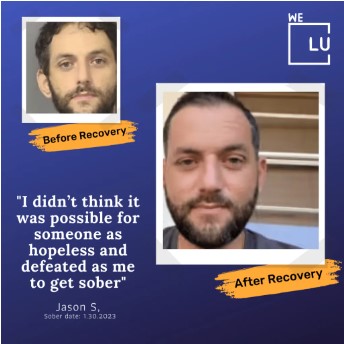
Experience Transformative Recovery at We Level Up Treatment Centers.
See our authentic success stories. Get inspired. Get the help you deserve.
Start a New Life
Begin with a free call to an addiction & behavioral health treatment advisor. Learn more about our dual-diagnosis programs. The We Level Up Treatment Center Network delivers recovery programs that vary by each treatment facility. Call to learn more.
- Personalized Care
- Caring Accountable Staff
- World-class Amenities
- Licensed & Accredited
- Renowned w/ 100s 5-Star Reviews
We’ll Call You
Search We Level Up Treatment, Detox, Mental Health Topics & Resources
Sources
[1] Chapman J, Jamil RT, Fleisher C. Borderline Personality Disorder. [Updated 2022 Oct 25]. In: StatPearls [Internet]. Treasure Island (FL): StatPearls Publishing; 2023 Jan-. Available from: https://www.ncbi.nlm.nih.gov/books/NBK430883/
[2] National Collaborating Centre for Mental Health (UK). Borderline Personality Disorder: Treatment and Management. Leicester (UK): British Psychological Society (UK); 2009. (NICE Clinical Guidelines, No. 78.) 2, BORDERLINE PERSONALITY DISORDER. Available from: https://www.ncbi.nlm.nih.gov/books/NBK55415/
[3] Learn More About BPD in Relationships. Choi-Kain LW, Finch EF, Masland SR, Jenkins JA, Unruh BT. What Works in the Treatment of Borderline Personality Disorder. Curr Behav Neurosci Rep. 2017;4(1):21-30. DOI: 10.1007/s40473-017-0103-z. Epub 2017 Feb 3. PMID: 28331780; PMCID: PMC5340835.
[4] Borderline Personality Disorder – National Institute of Mental Health (NIMH) Learn More About BPD in Relationships.
[5] Borderline Personality Disorder – Substance Abuse Mental Health Services Administration (SAMHSA)
[6] MedlinePlus about Borderline Personality Disorder – U.S. Department of Health and Human Services National Institutes of Health
[7] About Mental Health – Centers for Disease Control and Prevention (CDC)
[8] 12.00-Mental Disorders-Adult – Social Security Administration (SSA)
[9] An Introduction to Co-Occurring Borderline Personality Disorder and Substance Use Disorders – Health Resources & Services Administration (HRSA) Learn More About BPD in Relationships.
[10] Olabi B, Hall J. Borderline personality disorder: current drug treatments and future prospects. Ther Adv Chronic Dis. 2010 Mar;1(2):59-66. DOI: 10.1177/2040622310368455. PMID: 23251729; PMCID: PMC3513859.