

Family Therapy For Addiction & Substance Abuse
Clinically Reviewed by Lauren Barry, LMFT, MCAP, QS
Medically Reviewed by Ali Nikbakht, PsyD
Reviewed / Updated: August 10, 2026 — Editorial Policy | Research Policy | Privacy Policy
Addiction rarely affects just one person. It changes how a whole family talks, trusts, and works together. Family therapy helps repair that damage. Every family member carries some of the weight of a loved one’s addiction, even if they don’t realize it.
Functional family therapy helps families build structure and talk more openly. It also helps change the patterns that feed addiction. This approach often works alongside Cognitive Behavioral Therapy, or CBT. It supports both the person in recovery and their loved ones. Licensed clinicians guide every session and adjust the plan as the family’s needs change.
We Level Up Treatment Centers offers this family-focused care through a nationwide network of accredited treatment centers. We have locations in Florida, Texas, California, Washington, and New Jersey. Each site is staffed by licensed physicians, psychologists, and therapists. Families who cannot attend in person can use our licensed telehealth program instead. Every family’s journey looks different, but with the right support, many families rebuild trust and move forward together.
Skip To:
Understanding Family Therapy
What is family therapy? It is a type of counseling that helps the whole family address problems that affect relationships, communication, trust, and daily responsibilities. When addiction or behavioral issues affect one family member, the impact often reaches everyone. Family therapy brings family members together with a trained therapist to discuss concerns openly, understand each person’s role, and develop healthier ways to communicate and support one another. The goal is not to assign blame but to repair relationships, heal past hurts, and create a stronger support system for recovery.
One approach is functional family therapy, a structured and typically short-term form of family counseling that views behavioral or substance use problems within the context of family relationships rather than placing responsibility on one person. The therapist guides the family through specific stages that may include building trust, identifying negative interaction patterns, improving communication, and practicing healthier behaviors at home. Originally developed for adolescents with behavioral and substance use problems, functional family therapy is now used more broadly to help families address relationship challenges and support positive change.
Get Help. Get Better. Get Your Life Back.
Searching for Accredited Drug and Alcohol Rehab Centers Near You?
Even if you have failed previously and relapsed, or are in the middle of a difficult crisis, we stand ready to support you. Our trusted behavioral health specialists will not give up on you. When you feel ready or just want someone to speak to about therapy alternatives to change your life call us. Even if we cannot assist you, we will lead you to wherever you can get support. There is no obligation. Call our hotline today.
(844) 597-1011Signs Addiction Is Affecting Your Family
Addiction can change family life in ways that are easy to miss at first. Common signs include:

- Constant arguing or tension at home
- One family member covering up for another’s substance use
- Kids or teens acting out, withdrawing, or struggling in school
- Broken trust, secrecy, or lying
- Financial stress tied to substance use
- Family members feeling isolated, resentful, or burned out
According to SAMHSA’s 2024 National Survey on Drug Use and Health, about 16.8% of people age 12 and older had a substance use disorder in the past year, which means millions of families nationwide are affected in similar ways.
Questions about our Facilities or Programs?
Our admissions coordinators are available 24/7 to answer your questions. They can help you decide if treatment at We Level Up is right for you or a loved one.

Get Your Life Back
Find Hope & Recovery. Get Safe Comfortable Detox, Addiction Rehab & Dual Diagnosis Trused Care.
7/365 Line (844) 597-1011What to Expect: How Family Therapy Sessions Work
A licensed therapist meets with your family to understand each person’s point of view. A typical course of sessions includes:
- Ongoing practice: families apply new skills at home between sessions and check in on progress.
- Initial meeting: the whole family meets together with a licensed therapist to share perspectives.
- Individual meetings: smaller sessions with couples, or with parents and children, to explore specific concerns.
- Assessment: the therapist reviews communication patterns, past conflict, and each person’s role in the family system.
- Treatment planning: findings from the assessment shape a plan built around the family’s specific needs.
Types of Family Therapy We Offer
Family therapy isn’t one-size-fits-all. Depending on your situation, your therapist may recommend:
- Functional Family Therapy: Uses structured phases to lower conflict and rebuild trust between family members.
- Couples and Family Therapy: Focuses on the relationship between partners while also addressing how the whole household is affected.
- Internal Family Systems Therapy for Trauma: Helps a person understand their different “parts.” These parts were shaped by past trauma. Then, it brings that healing into family sessions.
- Multifamily Groups: Connects your family with others facing similar struggles, which lowers isolation. Learn more about group therapy for families.
- Behavioral Contracting: Builds a written, substance-free plan that the whole family agrees to follow.
First-class Facilities & Amenities
Trusted Integrated Addiction & Mental Health Rehabilitation Treatment
Rehab Centers TourEstablished Addiction Centers. Serene Private Facilities. Inpatient rehab programs vary.
Addiction Helpline (844) 597-1011Comprehensive recovery success experience, backed by a Team w/ History of:
15+
Years of Unified Experience
100s
5-Star Reviews Across Our Centers
10K
Recovery Success Stories Across Our Network
- Low Patient to Therapist Ratio
- Onsite Medical Detox Center
- Comprehensive Dual-Diagnosis Treatment
- Complimentary Family & Alumni Programs
- Alumni Coaching, Recovery & Personal Development Events
How Family Therapy Works at We Level Up
At We Level Up, we use several therapeutic approaches tailored to your family’s needs:
- Functional Family Therapy: Moves families through set phases of change, from lowering conflict to practicing new skills together.
- Cognitive Behavioral Therapy (CBT): Teaches your loved one and their family to spot and change thoughts that lead to substance use.
- Group Therapy: Connects family members with others going through similar experiences, which reduces shame.
- Mindfulness and Relaxation Techniques: Teaches grounding skills that lower stress during hard conversations.
- Internal Family Systems Therapy for Trauma: Helps family members process trauma that may be tied to addiction.
- Medication Management: Our psychiatrists work with your loved one to find the right medication when needed.
We call this a fuller life family therapy model. It’s built to support recovery long after treatment ends, not only during a program.

Benefits of Family Therapy
Involving the whole family in treatment strengthens recovery for everyone in the household. Families who engage in therapy together often see benefits that extend well beyond the treatment program, including:
- Supports lasting change that continues after treatment ends
- Rebuilds trust and open communication among family members
- Reduces conflict and tension at home
- Helps loved ones understand their role in the recovery process
- Strengthens accountability and healthy boundaries
- Lowers isolation through shared, peer-informed support
- Improves long-term recovery outcomes for the whole household
- Equips family members with practical tools for handling stress
Specialized, Accredited, 5-Star Reviewed, Evidence-based Addiction & Mental Health Programs. Complete Behavioral Health Inpatient Rehab, Detox plus Co-occuring Disorders Therapy.
CALL(844) 597-1011End the Addiction Pain. End the Emotional Rollercoaster. Get Your Life Back. Start Drug, Alcohol & Dual Diagnosis Mental Health Treatment Now. Get Free, No-obligation Guidance by Substance Abuse Specialists Who Understand Addiction & Mental Health Recovery & Know How to Help.
Levels of Care for Family Therapy
The right level of family involvement depends on where your loved one is in treatment and how your household is coping. We Level Up offers different levels of care, allowing families to receive support throughout each stage of recovery. If your loved one needs around-the-clock support, an inpatient rehab program can provide structured care with family therapy during visits and scheduled calls. Families can work with a therapist to prepare for their loved one’s return home, making this level helpful during a recent crisis or relapse.
For those who need intensive treatment while living at home or in nearby housing, partial hospitalization provides full-day care with family therapy often included as part of the treatment plan. This allows family members to practice communication and coping skills together. As treatment becomes less intensive, an intensive outpatient program (IOP) provides care several days a week for a few hours at a time. Family therapy continues alongside individual and group sessions, helping loved ones apply recovery skills at home while balancing work or school.
Outpatient care provides the least structured level of treatment, with sessions scheduled around the family’s routine. At this stage, family therapy may focus more on maintaining healthy communication, supporting long-term recovery, and preventing relapse. This level can be appropriate for families whose loved one has progressed further in treatment and needs continued support with greater independence.
Is Family Therapy Safe?
Family therapy is generally considered safe for families working through addiction, mental health concerns, communication problems, or relationship difficulties. Sessions may sometimes bring up difficult emotions, unresolved conflicts, or painful experiences. A trained therapist helps family members communicate respectfully, set healthy boundaries, and work through these challenges in a structured setting. At We Level Up, the care team monitors family progress and adjusts treatment based on each family’s needs.
When choosing a family therapy provider, confirm that the therapist has appropriate training and experience with addiction or mental health concerns. Ask what your insurance plan covers and what to expect during sessions. A qualified therapist should create a supportive environment where each family member can speak openly without fear of judgment. At We Level Up, the admissions team can help identify a treatment program and level of care that fits your family’s needs.
Getting Into Treatment Is Easy
Getting started with treatment begins with a simple call to our admissions team. An admissions specialist can listen to your family’s situation, answer questions, and explain available treatment options. The next step is an initial assessment to better understand your loved one’s needs and determine the most appropriate level of care. Our team can also verify insurance benefits and provide guidance about treatment costs and payment options. Once everything is arranged, your loved one and family can begin treatment with the support needed to start the recovery and healing process.
Frequently Asked Questions
Can family therapy help after a relapse?
Yes. Family therapy can give relatives a structured setting to address what happened, discuss concerns without placing blame, and rebuild trust after a relapse. The therapist can also help the family establish clearer boundaries and identify ways to support continued treatment and recovery.
What if family members disagree about how to support recovery?
Family members may have different opinions about addiction, treatment, or what their loved one needs. Therapy can provide a neutral setting where each person can explain their concerns. A therapist can help the family identify common goals and develop healthier ways to handle disagreements.
Can children participate in family therapy for addiction?
Children may participate when a therapist determines that their involvement is appropriate for their age, needs, and family situation. Sessions can help children understand changes happening at home and learn healthier ways to communicate their feelings. The therapist can also recommend separate support when a child needs additional help.
Can family therapy help relatives who feel burned out?
Yes. Addiction can place significant emotional and practical pressure on relatives. Family therapy can help loved ones recognize unhealthy patterns, establish appropriate boundaries, and develop strategies for managing stress while continuing to support recovery.
Does Aetna insurance cover family therapy for addiction?
Aetna coverage for family therapy can vary based on the specific plan, provider network, diagnosis, and level of care. We Level Up’s admissions team can verify benefits before treatment begins and explain what the plan may cover.
How can I learn more about family therapy at We Level Up?
Families can speak with We Level Up’s admissions team about available family therapy services, levels of care, and insurance verification. Admissions coordinators are available 24/7, and families can call (844) 597-1011 to discuss treatment options.
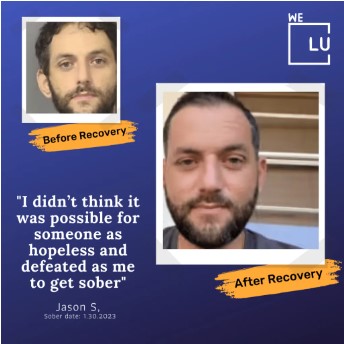
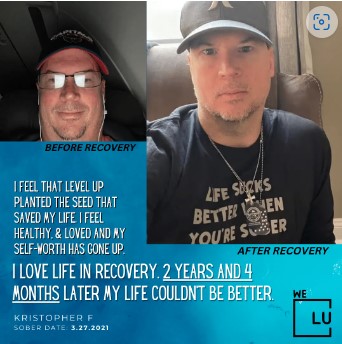
Experience Transformative Recovery at We Level Up Treatment Centers.
See our authentic success stories. Get inspired. Get the help you deserve.

Start a New Life
Begin with a free call to an addiction & behavioral health treatment advisor. Learn more about our dual-diagnosis programs. The We Level Up Treatment Center Network delivers recovery programs that vary by each treatment facility. Call to learn more.
- Personalized Care
- Caring Accountable Staff
- World-class Amenities
- Licensed & Accredited
- Renowned w/ 100s 5-Star Reviews
We’ll Call You
Sources
[1]. SAMHSA – Center for Substance Abuse Treatment. Substance Abuse Treatment and Family Therapy. Rockville (MD): Substance Abuse and Mental Health Services Administration (SAMHSA) (US); 2004. (Treatment Improvement Protocol (TIP) Series, No. 39.)
[2]. National Institute on Drug Abuse. (2012). Principles of Drug Addiction Treatment: A Research-Based Guide (Third Edition): Family Behavior Therapy.