

Recreational Therapy for Mental Health Recovery at We Level Up
Clinically Reviewed by Lauren Barry, LMFT, MCAP, QS
Medically Reviewed by Ali Nikbakht, PsyD
Reviewed / Updated: August 12, 2026 — Editorial Policy | Research Policy | Privacy Policy
Recreational therapy is part of addiction and mental health care at seven accredited treatment centers in Florida, Texas, California, Washington, and New Jersey. It may include art, music, exercise, games, and outdoor activities. Licensed doctors, therapists, and other trained staff may use these activities with medical detox, residential care, outpatient treatment, and other services to help people manage stress, build healthy skills, and support recovery.
We Level Up Treatment Centers is an AHCA-licensed facility that provides personalized care for adults facing addiction and mental health challenges. Recreational therapy uses structured activities to support recovery and is often included alongside other therapy programs.
Activities such as exercise, art, outdoor recreation, and group experiences help people build healthy coping skills, reduce stress, and improve emotional well-being. Recreational therapy works with mental health treatment to support long-term recovery.
At We Level Up, every activity is chosen based on each person’s needs and recovery goals. Our team helps individuals build confidence, strengthen relationships, and create healthier daily routines.
Skip To:
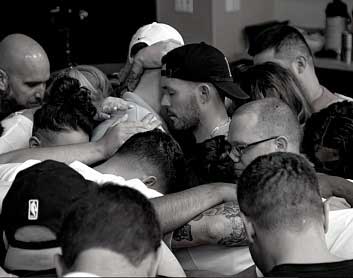
Get Your Life Back
Find Hope & Recovery. Get Safe Comfortable Detox, Addiction Rehab & Dual Diagnosis Trused Care.
7/365 Line (844) 597-1011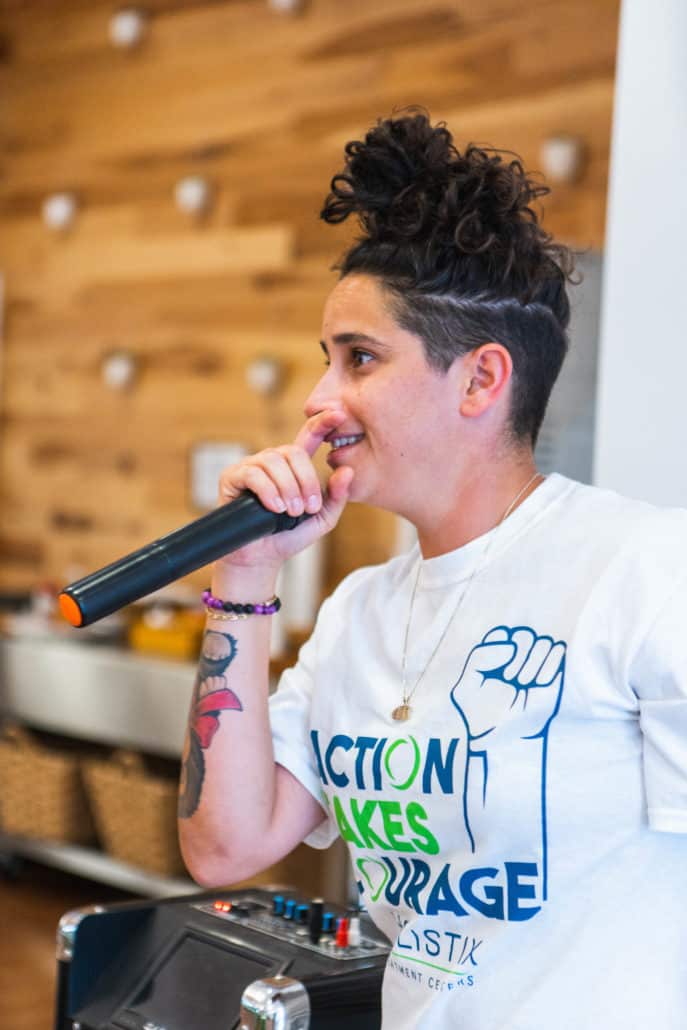
Understanding Recreational Therapy
Recreational therapy uses healthy activities to help people feel better and live a better life. Doing things you enjoy can lift your mood. It also builds confidence and helps you connect with others. This therapy looks at the whole person. A recreational therapist learns about a person’s likes, strengths, problems, and goals.
A person with anxiety can use relaxing activities. They might also exercise or join group activities. These activities help reduce stress in healthy ways. The goal is not just to fill time. The goal is to help people learn skills they can use during recovery and after treatment.
History of Recreational Therapy
Recreational therapy started in healthcare settings. Doctors and care teams used activities to help people heal and improve their daily lives.
Recreational therapy is a healthcare service. It is now recognized. It helps people improve:
- Physical health
- Feelings
- Thinking skills
- Social skills
Today, recreational therapists work in many places, such as:
- Mental health programs
- Hospitals
- Recovery centers
- Community programs
Modern recreational therapy uses activities. These help people gain confidence. They learn new skills. They also form healthy habits.
How Recreational Therapy Works at We Level Up
At We Level Up, recreational therapy uses planned activities to support recovery and daily life. Clients may take part in:
- Art and music: Help clients express feelings and explore healthy interests.
- Games: Support focus, teamwork, and communication.
- Exercise: Help reduce stress and build healthy routines.
- Outdoor activities: Give clients a healthy way to relax and enjoy their free time.
- Daily life skills: Support problem-solving, healthy choices, coping skills, and confidence.
Recreational therapy may be part of a larger care plan with medical care, counseling, family therapy, medication support, case management, relapse prevention, and an intensive outpatient program (IOP) when appropriate.
Get Help. Get Better. Get Your Life Back.
Searching for Accredited Drug and Alcohol Rehab Centers Near You?
Even if you have failed previously and relapsed, or are in the middle of a difficult crisis, we stand ready to support you. Our trusted behavioral health specialists will not give up on you. When you feel ready or just want someone to speak to about therapy alternatives to change your life call us. Even if we cannot assist you, we will lead you to wherever you can get support. There is no obligation. Call our hotline today.
(844) 597-1011Managing Stress Through Healthy Activities
Stress can make recovery harder. Some people may return to drug or alcohol use when they do not know how to handle stress. Recreational therapy teaches safer ways to manage stress. For example, a person in addiction recovery may use exercise, yoga, walking, or sports to relax and improve mood. Over time, these activities can become healthy habits that support recovery.
Building Social Skills and Confidence
Addiction and mental health problems can make relationships harder.
Group activities help people practice:
- Talking with others
- Working together
- Building trust
For example, a person with social anxiety may join a group activity. They can connect with others slowly and feel more comfortable. These activities can help people feel more confident and less alone.
Creating Healthy Daily Routines
Many people in recovery need help creating structure in their day. Recreational therapy adds healthy activities that give people routine and purpose. For example, someone with depression may use art, exercise, or outdoor activities to build a daily routine and improve motivation.
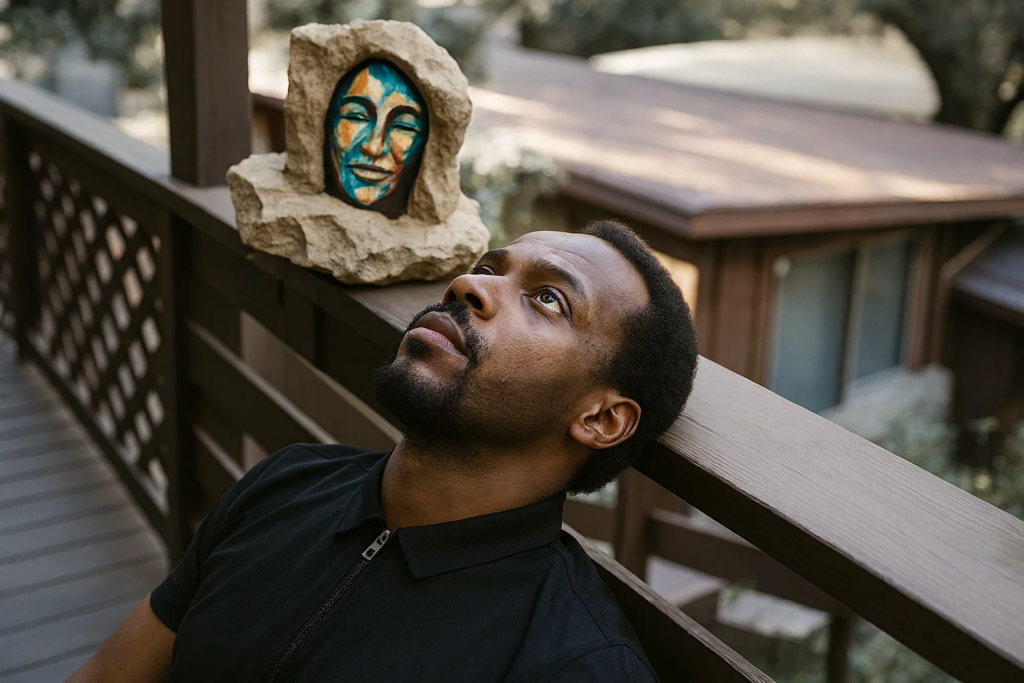
Improving Emotional Expression
Some people have trouble talking about their feelings. Activities like art, music, writing, and movement can help people show and understand their emotions. These activities give people another way to share what they feel.
People take part in activities that help them build confidence, talk with others, and manage emotions.
Questions About Our Facilities?
Recovery is different for every person. Some people need help with addiction. Others need help with mental health concerns. We can show you how recreational therapy can help with your care.
At We Level Up Treatment Centers, we create care plans that fit each person. We are here to help. Ask us about our programs. Also, check on support or treatment options.
We Level Up Treatment Centers provides nationwide medical detox, addiction treatment, dual diagnosis, and mental health services through multiple accredited treatment centers across the United States, serving communities in Lake Worth, West Palm Beach, Jupiter, Allenwood, Blackwood, Lawrenceville, Fairfield, Seattle, and Spokane Valley. For many people, healing extends beyond medical care, and Family Therapy can help strengthen communication, rebuild trust, and create a healthier home environment throughout recovery.
Benefits of Recreational Therapy
Recreational therapy uses fun activities. It helps people feel better. The goal is to improve daily life. These activities teach skills. They help build healthy habits. They also lead to better choices.
Recreational therapy is used with other treatments. It does not replace medical care or counseling. It gives people extra help. They can use this support while recovering.
Recreational therapy may help people:
- Feel calmer during stressful times
- Learn better ways to handle problems
- Build confidence in daily life
- Improve how they connect with others
- Create healthy routines
- Find hobbies and activities they enjoy
Recovery is about more than stopping drug or alcohol use. It is also about learning how to enjoy life, build good habits, and create a healthy future.
First-class Facilities & Amenities
Trusted Integrated Addiction & Mental Health Rehabilitation Treatment
Rehab Centers TourEstablished Addiction Centers. Serene Private Facilities. Inpatient rehab programs vary.
Addiction Helpline (844) 597-1011Comprehensive recovery success experience, backed by a Team w/ History of:
15+
Years of Unified Experience
100s
5-Star Reviews Across Our Centers
10K
Recovery Success Stories Across Our Network
- Low Patient to Therapist Ratio
- Onsite Medical Detox Center
- Comprehensive Dual-Diagnosis Treatment
- Complimentary Family & Alumni Programs
- Alumni Coaching, Recovery & Personal Development Events
Is Recreational Therapy Safe?
Recreational therapy is safe for most people. It uses fun and planned activities to help with care. It does not use drugs or surgery. Some activities may feel hard at first. A trained therapist can change the activity to fit each person’s needs. At We Level Up, the care team can watch each person’s progress and give help as needed.
Each care plan may use different activities. The therapist may ask about a person’s health, needs, and goals before choosing an activity. Recreational therapy can be used with individual therapy, group therapy, CBT, DBT, and family therapy. At We Level Up, the team can help find the right program and level of care for each person.
How Recreational Therapy Is Used in Treatment
Recreational therapy is used as part of a full treatment plan for addiction and mental health conditions. It works with other types of care to support the person as a whole.
The therapist looks at what the person enjoys, what challenges they have, and what skills they want to improve.
These activities can help people:
- Handle stress
- Manage feelings
- Communicate with others
- Build better daily routines
Recreational Therapy for Addiction, Anxiety, and Depression
Recreational therapy can help people with addiction. It uses fun and safe activities to support recovery. These may include art, music, games, exercise, and outdoor activities. These activities can help people manage stress, share feelings, build skills, and find healthy ways to spend time. We Level Up provides addiction treatment and may use recreational therapy during medical detox, residential care, and outpatient care.
Recreational therapy can also help people with anxiety or depression. Activities can help people relax, connect with others, and build a daily routine. Group activities can also help people feel less alone. When a person has both mental health and addiction needs, recreational therapy can be part of a full care plan.
Recreational therapy may also help people who have stress, low confidence, or trouble with daily tasks. Activities can help build focus, teamwork, problem-solving, and good choices. We Level Up may also provide individual counseling, group therapy, family therapy, mental health support, medication-assisted treatment, and Partial Hospitalization Program (PHP) care when needed.
Medical Therapy vs. Recreational Therapy
Medical therapy focuses on finding and treating health problems. It may include medicine, medical tests, procedures, and care from healthcare providers. Recreational therapy uses activities to help people improve their daily lives. It helps people build confidence, learn coping skills, and create healthy routines.
Medical therapy often works on symptoms and health conditions. Recreational therapy helps people build skills they can use during recovery. Recreational therapy does not replace medical care. It works together with other treatments to provide more support.
At-Home Recreation and Recovery
The skills learned during recreational therapy can continue at home. Healthy activities can help people create routines and support their recovery. At-home recreation may include reading, gardening, cooking, drawing, playing music, exercise, journaling, and puzzles. These activities can give people healthy ways to spend their time. They can also help people continue using the skills they learned during treatment. Having activities they enjoy can help people create a balanced life after treatment.
Recreation and Outdoor Activities for Wellness
Recreation and outdoor activities can support overall wellness. They can help people stay active, relax, and spend time with others. Activities like hiking, walking, sports, swimming, camping, and outdoor exercise can help people create healthy habits. Outdoor activities can also give people positive experiences. They can help people find better ways to manage free time and reduce stress.
Recreation Wellness and Mental Health
Recreation wellness means using enjoyable activities to support mental health and daily life.
Wellness is not only about having fewer symptoms. It is also about building a life with healthy habits, strong relationships, and activities that bring joy.
Recreational activities can help people:
- Build confidence
- Improve relationships
- Manage stress
- Learn new skills
- Find hobbies they enjoy
For people recovering from addiction or mental health conditions, recreation wellness can be an important part of long-term recovery.

Types of Disorders Treated With Recreational Therapy
A recreational therapist gets to know each person before choosing activities. They learn about the person’s health, daily life, interests, strengths, and challenges. They also learn what the person wants to work on during treatment. The activities are picked to match those needs instead of using the same plan for everyone.
Substance Use Disorders
Substance use disorders can affect almost every part of life. They can harm a person’s body, thoughts, feelings, family life, work, school, and daily routine. Many people also stop doing hobbies and healthy activities because drugs or alcohol become the center of their lives.
Recreational therapy may be used with treatment for:
- Alcohol use disorder
- Opioid use disorder
- Prescription drug addiction
- Stimulant use disorder
- Marijuana use disorder
- Other substance use disorders
For example, a person recovering from alcohol addiction may start walking every morning, working in a garden, painting, playing basketball, or joining a group activity.
Mental Health Disorders
Mental health problems can make everyday life feel harder. A person may feel sad, worried, tired, angry, or stressed. They may stop spending time with friends, lose interest in hobbies, or have trouble getting through the day.
Recreational therapy may help people who have:
- Depression
- Anxiety disorders
- Post-traumatic stress disorder (PTSD)
- Bipolar disorder
- Trauma-related disorders
- Stress-related conditions
For example, a person with depression may begin taking short walks, making art, listening to music, or joining a small group activity.
Co-Occurring Disorders
Some people have both a mental health problem and a substance use disorder. This is called a co-occurring disorder or dual diagnosis. Both problems can affect each other, so both should be treated at the same time.
Recreational therapy may be used as part of treatment for:
- Depression and substance use disorders
- Anxiety and addiction
- PTSD and substance use disorders
- Trauma-related disorders with addiction
- Mood disorders and substance use
- Other behavioral health conditions
When recreational therapy is used with counseling, medical care, and other treatments, it can help people build a healthier life and continue moving forward in recovery.
Levels of Care That May Include Recreational Therapy
Recreational therapy may be offered during different parts of treatment. The activities may change based on the person’s needs, symptoms, and progress. Each level of care gives a different amount of support.
Inpatient Treatment
Recreational therapy is often part of the daily schedule. People may take part in exercise, art, music, games, outdoor activities, or group recreation. These activities help people stay active, learn healthy habits, build coping skills, and spend time with others in positive ways.
Inpatient care may include:
- Medical detox
- Residential addiction treatment
- Inpatient mental health care
- Daily therapy activities
- Recovery support groups
Recreational therapy helps people form healthy habits. They can use these habits after the program ends.
Outpatient Treatment
Outpatient treatment lets people receive care while living at home. They can work, go to school, or take care of their family. They can do all this while attending treatment.
Outpatient care may include:
- Partial hospitalization programs (PHP)
- Intensive outpatient programs (IOP)
- Outpatient therapy
- Ongoing recovery support
Recreational therapy helps people get better. It keeps them using healthy habits. These daily habits can support long-term recovery and help people build a healthy and balanced life.
Getting Started With Recreational Therapy Is Simple
Getting support for recreational therapy should feel easy and clear. Our admissions team can help you learn about available treatment options and answer your questions at no cost. Health professionals can review your needs, health history, and treatment goals to help find the right level of care. Recreational therapy may include art, music, exercise, games, and other activities that support recovery.
Your care team can explain how recreational therapy fits with other services, such as individual therapy, group therapy, CBT, DBT, and family therapy. We want you to feel safe and ready before treatment starts. Your questions are welcome, and there is no pressure to make a choice before you have the information you need.
Frequently Asked Questions About Recreational Therapy
Can recreational therapy be used during inpatient treatment?
Yes. Recreational therapy may be included during inpatient care as part of a larger treatment plan. Activities can give clients a healthy break from other forms of care while helping them practice communication, focus, and coping skills.
Who leads recreational therapy sessions?
A trained recreational therapist or other qualified health professional may lead sessions. The professional can choose activities based on the client’s needs, health, interests, and treatment goals.
Do I have to be good at sports or art to join recreational therapy?
No. You do not need special skills. Activities can be changed to fit your ability and comfort level. The goal is to support recovery, not to win or perform well.
What insurance does We Level Up accept for recreational therapy?
We Level Up works with many insurance plans, but coverage depends on your plan, location, and treatment needs. Plans may include Beacon and ComPsych, along with other insurance providers. The admissions team can check your benefits and explain what may be covered before treatment begins.
How can I learn more about recreational therapy at We Level Up?
You can speak with the We Level Up admissions team about recreational therapy and other treatment options. Call (844) 597-1011 to ask questions, learn about available care, and get help finding the right level of treatment.
Positive Impact of Recreational Activities for Recovery
Lauren Carbonell is the recreational therapy Director for We Level Up treatment centers. In the video below, she explains her role and how the entire We Leve Up rehab team helps clients along their recovery journey. Each activity, exercise, and therapy is crafted to help clients progress, improve and recover for the long term.
Video Transcript Lauren Carbonell
Hi, my name is Lauren Carbonell. I am the recreation manager for We Level Up. And my role with the clients is to get them to get comfortable in the uncomfortable by doing recreational activities, arts and crafts. Really just getting up and getting outside of themselves. Something that they typically don’t do. All that while teaching them to have fun while being sober.
Experience Transformative Recovery at We Level Up Treatment Centers.
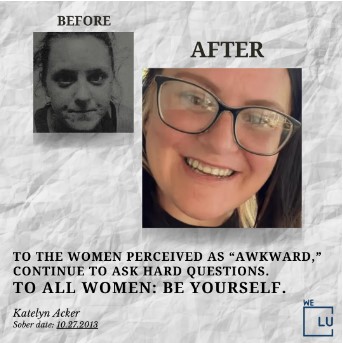
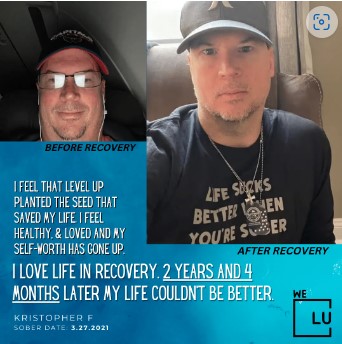
See our authentic success stories. Get inspired. Get the help you deserve.
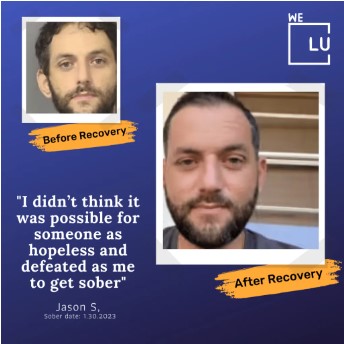
Start a New Life
Begin with a free call to an addiction & behavioral health treatment advisor. Learn more about our dual-diagnosis programs. The We Level Up Treatment Center Network delivers recovery programs that vary by each treatment facility. Call to learn more.
- Personalized Care
- Caring Accountable Staff
- World-class Amenities
- Licensed & Accredited
- Renowned w/ 100s 5-Star Reviews
We’ll Call You
Related Reading
American Therapeutic Recreation Association (ATRA). What Is Recreational Therapy?
National Council for Therapeutic Recreation Certification (NCTRC). About Recreational Therapy.
Substance Abuse and Mental Health Services Administration (SAMHSA). Treatment for Substance Use Disorders.
National Institute on Drug Abuse (NIDA). Principles of Drug Addiction Treatment: A Research-Based Guide.
National Institute of Mental Health (NIMH). Caring for Your Mental Health.
Centers for Disease Control and Prevention (CDC). Mental Health.
World Health Organization (WHO). Mental Health.
American Psychological Association (APA). Clinical Practice Guideline for the Treatment of Posttraumatic Stress Disorder (PTSD).
National Center for Biotechnology Information (NCBI). Recreational Therapy and Behavioral Health Outcomes.