
Affordable Outpatient Care for Adults Who Need Flexible Support
Affordable outpatient rehab care gives adults planned treatment without requiring an overnight stay. Clients attend therapy, health checks, groups, and recovery lessons during set visits. They return home afterward and may keep working, studying, or caring for family. This option can reduce disruption while providing steady support for recovery.
Outpatient care may fit people who stay safe and stable between visits. Clients also need reliable travel, safe housing, and support at home. Care may include addiction services and mental health treatment for depression, anxiety, trauma, or sleep problems. A full review helps decide whether outpatient care provides enough support.
We Level Up Treatment Centers builds each schedule around safety, progress, and daily needs. Teams help clients manage cravings, stress, medicines, relapse risks, and home triggers. Seven accredited facilities support care across Florida, Texas, California, Washington, and New Jersey. Staff may increase or reduce visit hours as each client becomes more stable.
Meet Our Alumni, Family, and Outpatient (IOP and OP outpatient addiction treatment via Telehealth) Team!
I am a skilled and passionate clinician who has worked in the field for over seven years, providing individual (one-on-one) and couples counseling (you and your partner). I utilize evidence-based practices specializing in treating anxiety, depression, codependency, family/relational dysfunction, infidelity, and addiction. I am also trained in Accelerated Resolution Therapy (trauma/PTSD modality) and am experienced in working with veterans and first responders.
Most of my career has been in healthcare in various roles within that landscape. Bringing a wealth of knowledge and experience to drive meaningful impact and innovation as a Manager, Educator, Trainer, Author, and Public Speaker. I am client, patient, and family focused and centered on support and healing for both patients and families. Services include Healthcare management and Healthcare Navigation, and Private Coaching for clients and loved ones with Use and Behavioral health disorders. Let’s join forces to create meaningful and lasting positive Impact for those we serve.
My role has included: Develop Family Program for Behavioral Health and Substance Use Disorder clinics in Florida. Host weekly programs to support and educate families of clients. Perform one on one coaching sessions for family members. Create and maintain Family Packet, and work with all staff to support families of clients before, during, and after the recovery process.
Miranda Segreve serves as the Family Program Coordinator, where she is passionate about supporting and educating families affected by substance use and mental health disorders. As a Recovery Coach with over six years of personal recovery experience, Miranda brings a unique blend of professional expertise, compassion, and lived experience to her work.
She facilitates family support groups, offers individualized support to loved ones, and helps families better understand the treatment and recovery process. Miranda believes that healing extends beyond the individual and that families play a vital role in long-term recovery.
Through education, connection, and encouragement, she is committed to empowering families with the tools and support needed to navigate challenges, strengthen relationships, and find hope throughout their recovery journey.
I am a Licensed Mental Health Counselor (LMHC) with a passion for supporting individuals and families throughout the full continuum of recovery. In my current role, I lead the Alumni and Family Departments, where I oversee alumni coordinators across multiple facilities and help ensure continued, meaningful aftercare for our clients beyond their time in treatment.
Our alumni program provides ongoing support through weekly virtual meetings, in-person gatherings, and individualized connection for clients navigating life after treatment. In parallel, our family program offers multiple weekly meetings, encouraging loved ones to stay engaged in their own healing process both during and after their family member’s time in care.
As a clinician, I bring a therapeutic lens to this work—integrating my background in residential treatment with a deep understanding that recovery does not end at discharge. While my time as a primary therapist allowed me to build impactful, short-term relationships, this role has given me the opportunity to stay connected long-term and witness the continued growth of our alumni and their families.
I am deeply committed to helping people build resilience, navigate challenges, and sustain meaningful change over time. One of the most rewarding aspects of my work is being able to walk alongside individuals and families as they reach milestones, reconnect, and continue evolving in their recovery journeys.
Get a free health assessment and uncover the most suitable outpatient drug rehab or alcohol rehab options. Call to learn more — (855) 931-4604.
Who Is a Good Fit for Outpatient Rehab?
Outpatient care may fit people who remain safe between visits. They also need stable housing, travel, and support at home. Clients must follow the plan outside the rehab facility. A full review should confirm whether this level fits.
Outpatient rehab may help people who:
- Want structured help during the recovery process
- Remain safe and stable between treatment visits
- Have a supportive and substance-free home setting
- Can attend planned sessions and health checks
- Need care while keeping work or family duties
- Are stepping down from inpatient or residential care
When Standard Weekly Support May Be Enough
Standard outpatient care may work when symptoms stay mild or stable. Clients should manage cravings and avoid unsafe use between visits. They also need enough support to follow the plan at home. Rising risk may mean more care is safer.
A mental health assessment can find mood, trauma, or safety needs. Staff may also review withdrawal symptoms, housing, support, and past care. This review helps the team choose a safe level. Placement should follow clinical need, not price or ease.
The 2024 National Survey on Drug Use and Health tracks substance use across America. It shows that millions of people face substance use disorders. These findings show why access to suitable care matters. Each person still needs a private review.
Learn More:
Skip To:
When a Higher Level of Care May Be Recommended
Outpatient care may not fit when overdose or withdrawal risk stays high. An unsafe home can also weaken progress between sessions. Inpatient care offers housing, daily structure, and overnight medical care. Clients may return to outpatient care after becoming stable.
Outpatient care should change when cravings, housing problems, or mental health symptoms increase. We Level Up can then connect clients with broader national substance abuse and mental health facility support.

Get Your Life Back
Find Hope & Recovery. Get Safe Comfortable Detox, Addiction Rehab & Dual Diagnosis Trused Care.
7/365 Line (844) 597-1011What Happens in Affordable Outpatient Rehab?
Scheduled Care While Living at Home
Clients attend planned visits at a clinic or through approved telehealth. They return home after therapy, groups, or health checks. The schedule depends on risk, goals, progress, and care type. Regular attendance helps the team track change.
Outpatient drug and alcohol programs may offer morning, day, or evening sessions. Flexible hours can support work, school, or family duties. What the program offers depends on staffing and client needs. Safe housing and reliable travel can improve attendance.
Weekly Schedules, Therapy, and Clinical Support
Care may include individual therapy, recovery lessons, and progress reviews. Private sessions help clients discuss cravings, stress, trauma, goals, and setbacks. Therapists may use cognitive behavioral therapy to change harmful patterns. Each visit should support the wider recovery process.
Clients may also attend group therapy for shared learning and peer support. Groups may cover stress, communication, relapse prevention, and healthy limits. Medical staff may review sleep, health, and medicine response. Care plans should change when needs change.
Conditions Treated in an Outpatient Program
Outpatient programs can address many substance use and behavioral health needs. The right level depends on safety, symptoms, housing, and daily function. A diagnosis alone does not show whether outpatient care is enough. Staff should review the full picture first.

Alcohol, Opioid, and Other Substance Use Disorders
Programs may address alcohol, opioids, stimulants, sedatives, cannabis, and other drugs. Some people need detox before starting outpatient care. Others may begin without staying in a medical detox unit. The safest path depends on health and withdrawal risk.
Mental Health and Trauma-Related Conditions
Many clients also face anxiety, depression, trauma, or other concerns. These symptoms may raise cravings or make recovery harder. Care may include mental health treatment for substance-related needs. Joined care can reduce gaps between providers.
When Co-Occurring Concerns Need More Support
Substance use and mental health needs often affect each other. A dual diagnosis treatment plan can address both areas. Staff can track mood, cravings, sleep, safety, and daily function. More support may be needed if either problem becomes unstable.
Get Help. Get Better. Get Your Life Back.
Searching for Accredited Drug and Alcohol Rehab Centers Near You?
Even if you have failed previously and relapsed, or are in the middle of a difficult crisis, we stand ready to support you. Our trusted behavioral health specialists will not give up on you. When you feel ready or just want someone to speak to about therapy alternatives to change your life call us. Even if we cannot assist you, we will lead you to wherever you can get support. There is no obligation. Call our hotline today.
(844) 597-1011Therapies and Services Included in Outpatient Rehab
Evaluation and Medication Management
Admission reviews substance use, health, housing, support, and earlier care. This review helps staff choose safe services and session hours. Care may include medication management for cravings, mood, sleep, or withdrawal needs. Doctors should track benefits, side effects, and continued need.
Individual and Group Therapy
Private sessions focus on personal triggers, goals, strengths, and setbacks. Group sessions offer feedback, skill practice, support, and accountability. Care may use CBT, DBT, or other proven methods. Clients practice these skills at home between visits.
Family Involvement, Life Skills, and Care Planning
When helpful, family therapy can improve trust, limits, and communication. Family members can learn safer ways to support recovery. Life skills may cover routines, work, stress, money, and healthy choices. Care planning should begin early.
Benefits of Affordable Outpatient Rehab
Flexible Care and Ongoing Stability
Outpatient care lets clients receive help while living at home. They can practice recovery skills during daily life. Staff can review real problems during later visits. This cycle can support steady change.
More Support Than Occasional Therapy
Standard counseling may include one weekly visit or less. Outpatient rehab can provide more sessions and closer reviews. It may include groups, health visits, lessons, and medicine support. The schedule should match each person’s needs.
Recovery Support While Managing Daily Life
Clients may keep working, studying, or caring for family members. This freedom can reduce disruption and protect stable routines. It also requires honesty, safe housing, and follow-through. People with high risk may need inpatient care first.
First-class Facilities & Amenities
Trusted Integrated Addiction & Mental Health Rehabilitation Treatment
Rehab Centers TourEstablished Addiction Centers. Serene Private Facilities. Inpatient rehab programs vary.
Addiction Helpline (844) 597-1011Comprehensive recovery success experience, backed by a Team w/ History of:
15+
Years of Unified Experience
100s
5-Star Reviews Across Our Centers
10K
Recovery Success Stories Across Our Network
- Low Patient to Therapist Ratio
- Onsite Medical Detox Center
- Comprehensive Dual-Diagnosis Treatment
- Complimentary Family & Alumni Programs
- Alumni Coaching, Recovery & Personal Development Events
Inpatient vs. Outpatient Drug Rehab and IOP
Understanding inpatient vs outpatient drug rehab helps families compare care levels. Inpatient care includes housing, structure, and overnight support. Outpatient care lets clients return home after each session. Safety and daily function should guide the choice.
Inpatient vs. Outpatient Drug Rehab
Inpatient care may fit severe use, unsafe withdrawal, or unstable housing. Outpatient care may fit clients who stay safe between visits. Inpatient programs remove many triggers during early recovery. Outpatient programs let clients practice skills in daily life.
Standard Outpatient vs. Intensive Outpatient Rehab
Standard outpatient care often includes fewer weekly treatment hours. An intensive outpatient program (IOP) provides more care without overnight housing. Intensive outpatient rehab may meet several times each week. Schedules vary by provider and clinical need.
When Outpatient Care Makes More Sense
Outpatient care may fit people with stable health and safe housing. They also need reliable travel, home support, and time for visits. This level can help people leaving inpatient care. Teams should raise care when safety worsens.
How Long Does Outpatient Rehab Last?
What Affects Program Length
There is no fixed length for every outpatient program. The National Institute on Drug Abuse says care should match each person’s needs. Length may depend on progress, risk, attendance, housing, and insurance. Enough time is needed to build recovery skills.
How Teams Decide When to Reduce Care
Teams review cravings, substance use, mood, attendance, and coping skills. They also check housing, work, support, and medicine needs. Care may become less frequent as stability improves. More support may be added when risks appear.
What Happens After Outpatient Rehab?
Continued Care and Recovery Support
Some clients move from intensive care into standard weekly visits. Others continue with support groups, therapy, or medicine follow-up. Ongoing contact can help manage stress and relapse warning signs. Recovery plans should change when needs change.
Planning for Long-Term Recovery
A long-term plan lists visits, goals, medicines, and support contacts. It should also name triggers, coping tools, and emergency steps. Clients may need help with housing, work, or family needs. Clear planning supports recovery after formal care ends.
Starting the Admissions Process for Outpatient Rehab
Assessment, Insurance Verification, and Care Placement
Admissions begins with a private review of substance use, health, and home support. Staff can check benefits and explain known costs, rules, and limits. People often ask, does insurance cover outpatient rehab or help cover the cost. Coverage depends on the plan, network, service type, and medical need.
How We Level Up Helps Families Take the Next Step
Admissions staff can explain care levels and compare options. They should not promise a fixed result, cost, or program length. When outpatient care does not fit, another level may be safer. Support is available 24 hours a day, 7 days a week.
Specialized, Accredited, 5-Star Reviewed, Evidence-based Addiction & Mental Health Programs. Complete Behavioral Health Inpatient Rehab, Detox plus Co-occuring Disorders Therapy.
CALL(844) 597-1011End the Addiction Pain. End the Emotional Rollercoaster. Get Your Life Back. Start Drug, Alcohol & Dual Diagnosis Mental Health Treatment Now. Get Free, No-obligation Guidance by Substance Abuse Specialists Who Understand Addiction & Mental Health Recovery & Know How to Help.
Start Affordable Outpatient Rehab Today
We Level Up has treatment centers in Florida, Texas, California, Washington, and New Jersey. Services vary by location and clinical need. Call (954) 475-6031 for admissions and insurance support. Our team can explain care and next steps.
What You Will Learn
How insurance affects cost
How outpatient rehab works
Who may benefit
How care levels differ
Services that support recovery
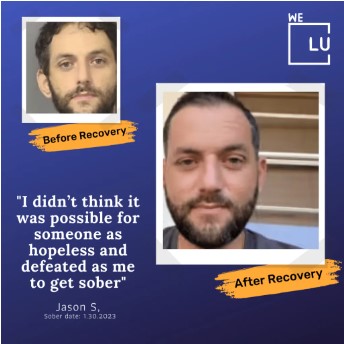
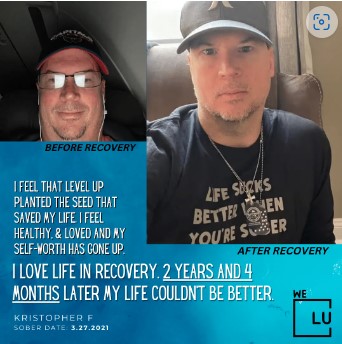
Experience Transformative Recovery at We Level Up Treatment Centers.
See our authentic success stories. Get inspired. Get the help you deserve.

Start a New Life
Begin with a free call to an addiction & behavioral health treatment advisor. Learn more about our dual-diagnosis programs. The We Level Up Treatment Center Network delivers recovery programs that vary by each treatment facility. Call to learn more.
- Personalized Care
- Caring Accountable Staff
- World-class Amenities
- Licensed & Accredited
- Renowned w/ 100s 5-Star Reviews
We’ll Call You