
Adderall Addiction Rehab at We Level Up
Adderall addiction signs can include physiological and psychological dependence on the drug. When individuals become addicted to being high on Adderall, they will begin to feel as if they require it to feel alert and productive. Continue to read more to learn why Adderall is addictive.
Clinically Reviewed by Lauren Barry, LMFT, MCAP, QS
Medically Reviewed by Ali Nikbakht, PsyD
Reviewed / Updated: August 11, 2026 — Editorial Policy | Research Policy | Privacy Policy
By We Level Up | Author Jessica Lewis, PharmD | Editorial Policy | Research Policy
Adderall Addiction Treatment
At We Level Up, we offer Adderall addiction treatment across seven accredited facilities in Florida, Texas, California, Washington, and New Jersey. Each location is staffed by licensed physicians, psychologists, and therapists who deliver individualized care.
Adderall is a prescription stimulant that affects the brain and central nervous system. Doctors may prescribe it for ADHD or the sleep disorder called narcolepsy. It comes as short-acting tablets and extended-release capsules called Adderall XR. Both forms may improve focus when patients follow their doctor’s instructions.
Adderall raises dopamine and norepinephrine, which affect focus, energy, drive, and the body’s stress response. A prescribed dose may improve attention and help control quick actions. Some people misuse it to study longer, lose weight, work faster, or feel more confident. Larger or repeated doses may cause a rush, less sleep, and growing tolerance.
Regular use can cause physical dependence, even when someone follows a valid prescription. Addiction includes cravings, lost control, risky use, and continued use despite clear harm. Structured addiction treatment programs can address withdrawal, unsafe habits, stress, and mental health needs. Early support and a private assessment can make the next step safer and easier to understand.
Skip To:
What Is Adderall?
Adderall contains several amphetamine salts. These drugs raise activity in parts of the brain. The short-acting form works for fewer hours than Adderall XR. The extended-release form releases medicine in stages and lasts longer.
Adderall is a Schedule II controlled prescription drug. This means misuse can lead to addiction and serious harm. The FDA prescribing information lists approved uses, warnings, and key safety risks. Taking extra pills, crushing tablets, or using another person’s medicine counts as misuse.
People often ask, does Adderall make you high? High doses may cause a rush, strong energy, pleasure, fear, or heart problems. A normal dose may improve ADHD symptoms without causing a high. Any change in dose should come from the prescribing doctor.

Who Should Not Take or Use Adderall?
Adderall is not safe for every person with focus or sleep problems. People with serious heart disease, high blood pressure, or poor blood flow need careful review. Past substance use disorders may increase the risk of misuse or addiction. A doctor should also review seizures, kidney problems, allergies, and all current drugs.
Pregnant or nursing patients should discuss possible risks with their care team. Some depression drugs, called MAO inhibitors, can cause a harmful reaction with Adderall. The drug may also worsen panic, mania, strange beliefs, or severe anger. Children, teens, and older adults need regular checks for sleep, appetite, mood, growth, and heart health.
Signs of Adderall Addiction
The signs of Adderall addiction may affect health, behavior, school, work, or family life. One sign alone does not always mean addiction is present. Concern grows when several signs continue and the person cannot control use. Adderall abuse long-term effects may become clearer after major sleep, mood, or heart changes.
Common warning signs include:
- Seeking pills from more than one doctor or pharmacy.
- Taking larger doses or using Adderall more often than directed.
- Feeling tired, low, angry, or sick between doses.
- Mixing Adderall with alcohol, sedatives, or other stimulants.
- Having mood swings, panic, fear, or poor judgment.
- Staying awake for long periods and losing normal sleep.
- Losing weight or having shaking, sweating, or a fast heartbeat.
- Pulling away from family, school, work, or close friends.
Some people hide pills, lie about doses, or focus on finding more. Others continue after chest pain, panic, or strong warnings from loved ones. These patterns are reasons to seek professional help from a trained care team.

Get Your Life Back
Find Hope & Recovery. Get Safe Comfortable Detox, Addiction Rehab & Dual Diagnosis Trused Care.
7/365 Line (844) 597-1011Why Is Adderall Addictive?
Adderall can become addictive because it changes the brain’s reward and alertness systems. It raises dopamine, which helps the brain notice rewards and repeat actions. It also raises norepinephrine, which supports focus, energy, and the stress response. These effects may become tied to work, school, confidence, or weight loss.
Repeat misuse can make the same dose feel weaker. This change is called tolerance and may lead to larger or more frequent doses. Higher doses increase the risk of sleep loss, heart strain, anger, and poor choices. The person may also feel unable to focus or function without the drug.
Doctors may diagnose stimulant use disorder when use causes harm or lost control. Signs include cravings, risky use, failed efforts to stop, and missed duties. The NIDA stimulant guide explains how misuse can change the brain and cause addiction. Tolerance alone does not always mean addiction when medicine is taken exactly as directed.
The Importance of Adderall Detox
Stopping heavy Adderall use can cause a hard crash in mood and energy. Common signs include deep tiredness, low mood, long sleep, hunger, and strong cravings. Some people also feel angry, worried, slow, or unable to enjoy normal life. Severe depression, chest pain, strange thoughts, or self-harm thoughts need urgent care.
People should not change a prescribed dose without talking with their doctor. A doctor may lower the dose, stop it, or choose another safe plan. A rehab center can watch sleep, mood, blood pressure, food, fluids, and other withdrawal signs. Staff can also check for withdrawal from alcohol, sedatives, or opioids.
Detox is only the first step because it does not change habits or triggers. Untreated ADHD, poor sleep, trauma, stress, or easy pill access may remain. Therapy helps people understand why misuse began and what can replace it. Continued care lowers relapse risk as mood, energy, and focus improve.
Get Help. Get Better. Get Your Life Back.
Searching for Accredited Drug and Alcohol Rehab Centers Near You?
Even if you have failed previously and relapsed, or are in the middle of a difficult crisis, we stand ready to support you. Our trusted behavioral health specialists will not give up on you. When you feel ready or just want someone to speak to about therapy alternatives to change your life call us. Even if we cannot assist you, we will lead you to wherever you can get support. There is no obligation. Call our hotline today.
(844) 597-1011
How Adderall Addiction Is Treated
Adderall abuse treatment goes beyond detox, rest, and early withdrawal care. A full review looks at drug use, health, sleep, mood, housing, and daily duties. The team also asks about ADHD, past care, other drugs, and family support. These details guide a treatment plan that can change as the person improves.
There is no FDA-approved medicine made only for stimulant use disorder. Therapy is the main treatment for Adderall addiction. Care may take place in residential programs, day care, or an outpatient treatment program. A treatment facility should match support to safety, relapse risk, mental health, and home life.
Treatment may include:
- Cognitive Behavioral Therapy: CBT helps clients find thoughts and events that lead to misuse. They practice safer ways to face cravings, stress, and fear of poor work.
- Dialectical Behavior Therapy: DBT teaches calm thinking, mood control, and ways to handle strong distress.
- Individual and Group Counseling: Private sessions focus on personal goals, while groups add support and honest feedback.
- Trauma-Informed Therapy: This care looks at how past harm may affect trust, stress, and drug use.
- Life Skills Training: Clients practice sleep, planning, money, work, school, and clear communication.
- Holistic Therapies: Yoga, breathing, movement, art, and mindfulness may support calm but do not replace therapy.
- Relapse Prevention Planning: Clients name triggers, warning signs, support people, and steps for strong cravings.
Some programs also use small rewards for treatment visits, completed goals, or negative drug tests. This approach is called contingency management. It helps connect steady effort with a clear and positive result. The care team sets fair rules and tracks each goal.
First-class Facilities & Amenities
Trusted Integrated Addiction & Mental Health Rehabilitation Treatment
Rehab Centers TourEstablished Addiction Centers. Serene Private Facilities. Inpatient rehab programs vary.
Addiction Helpline (844) 597-1011Comprehensive recovery success experience, backed by a Team w/ History of:
15+
Years of Unified Experience
100s
5-Star Reviews Across Our Centers
10K
Recovery Success Stories Across Our Network
- Low Patient to Therapist Ratio
- Onsite Medical Detox Center
- Comprehensive Dual-Diagnosis Treatment
- Complimentary Family & Alumni Programs
- Alumni Coaching, Recovery & Personal Development Events
Levels of Care for Adderall Addiction Treatment
The right level of care for Adderall addiction depends on a person’s health, withdrawal symptoms, mental health, home environment, and relapse history. Some people need intensive support at first and gradually move to less structured care, while others may begin outpatient treatment if they are stable and have a safe home.
Medical detox provides monitoring and supportive care for people with heavy Adderall misuse, significant mood changes, or other substance use. Staff monitor vital signs, sleep, appetite, cravings, and mental health while addressing safety concerns. Once stable, clients can transition into ongoing addiction treatment.
Residential treatment provides 24-hour support with therapy, group sessions, health monitoring, and structured daily activities. It may be appropriate for severe addiction, repeated relapse, unsafe housing, or significant mental health concerns. For those who need intensive support without overnight care, a partial hospitalization program offers several hours of treatment on most weekdays while clients return home.
An intensive outpatient program (IOP) provides regular treatment sessions while allowing clients to maintain work, school, or family responsibilities. As recovery becomes more stable, outpatient care offers greater flexibility and focuses on maintaining progress and preventing relapse. Telehealth may provide additional access to counseling and follow-up for people facing transportation, work, distance, or childcare barriers, although it may not be suitable for urgent or severe symptoms.

The Role of Mental Health and Co-Occurring Disorders
Many people with Adderall addiction also have ADHD, anxiety, depression, or serious sleep problems. Some began with a valid prescription but later used more than directed. Others used Adderall without a prescription to fight tiredness, fear, or low mood. Treatment should address the reason for misuse, not only the drug.
Treating addiction alone may leave major relapse triggers in place. Untreated ADHD can cause poor focus, stress, and a return to unsafe use. Untreated depression may cause low energy and make Adderall seem needed each day. Dual diagnosis treatment treats stimulant use and mental health needs within one plan.
Common needs include ADHD, anxiety, depression, trauma, bipolar disorder, OCD, and poor sleep. Mental health treatment may include therapy, sleep help, medicine review, and regular checks. Doctors may discuss non-stimulant ADHD drugs when stimulant risks are too high. Staff also separate lasting symptoms from withdrawal, sleep loss, or drug side effects.
The Importance of a Strong Support Network
A safe home can protect recovery when stress, cravings, or poor sleep return. Family, friends, peers, and staff can notice warning signs before they grow. Good support also offers safer choices than secrecy or drug-based friendships. Recovery often feels more possible when needs, limits, and duties are clear.
Peer groups let people speak with others who understand cravings, shame, and relapse fears. Alumni programs may offer meetings, events, coaching, and contact after treatment. Family support can improve trust, talks, medicine safety, and plans for warning signs. Continued support helps people use recovery skills after formal care ends.
Specialized, Accredited, 5-Star Reviewed, Evidence-based Addiction & Mental Health Programs. Complete Behavioral Health Inpatient Rehab, Detox plus Co-occuring Disorders Therapy.
CALL(844) 597-1011End the Addiction Pain. End the Emotional Rollercoaster. Get Your Life Back. Start Drug, Alcohol & Dual Diagnosis Mental Health Treatment Now. Get Free, No-obligation Guidance by Substance Abuse Specialists Who Understand Addiction & Mental Health Recovery & Know How to Help.
Is Adderall Addiction Treatment Right for Me?
Treatment may help when Adderall feels needed for work, school, confidence, or daily tasks. Other signs include extra doses, hidden use, bought pills, early refills, or withdrawal. Mixing Adderall with alcohol or other drugs increases health and overdose risks. Chest pain, severe confusion, seizure, or self-harm thoughts require emergency care.
Past failed efforts to stop may mean more support is needed. A care team can review dependence, addiction, ADHD, mood, and other drug use. The review helps find the safest care level and whether detox is needed. Asking for help does not force treatment, but it can make the choices clearer.
Insurance and Admissions Support
Many health plans cover some care for stimulant addiction and mental health needs. Coverage may include detox, residential care, therapy, PHP, or outpatient treatment. Benefits depend on the plan, network, deductible, and approval rules. Admissions staff can explain these terms in plain language.
Our admissions team is open 24 hours a day, seven days a week. A specialist can gather plan details and verify rehab insurance before admission. The review may show covered care, network rules, and possible personal costs. The health plan makes final payment choices after it reviews services.
FAQs About Adderall Addiction
Does Adderall Make You High?
Adderall can cause a high when someone takes too much or misuses it. A prescribed dose may improve focus without causing a strong rush. Concern grows when someone chases the feeling or continues after harm.
Can Prescribed Adderall Cause Addiction?
Yes, addiction can begin after use starts with a valid prescription. Dependence alone does not always mean addiction. Addiction includes lost control, cravings, risky use, and use despite clear harm.
What Happens During Adderall Detox?
Detox starts with a review of use, health, mood, sleep, and other drugs. Staff watch tiredness, low mood, cravings, and safety risks. Detox should lead into therapy because rest alone does not change harmful habits.
How Long Does Adderall Addiction Treatment Take?
Treatment length depends on use, withdrawal, mental health, home support, and past relapse. Some people need residential care before moving to outpatient support. A full assessment gives a better answer than one set timeline.
Can I Work or Attend School During Treatment?
Some people can work or attend school during outpatient or online care. Daily duties should not replace needed care when safety risks remain high. The team should suggest the least strict safe option.
Does Insurance Cover Adderall Addiction Treatment?
Many plans cover some stimulant addiction care when plan rules are met. Coverage may include detox, residential care, therapy, or outpatient treatment. A benefits check can explain possible coverage before admission. You can verify your insurance benefits online in just a few minutes. Our admissions team is also ready to help 24 hours a day, seven days a week. Call (954) 475-6031 to ask questions or start a free assessment.
Start Your Recovery Today
Adderall addiction can harm health, trust, school, work, and family life. Treatment can help people manage withdrawal and understand what drives unsafe use. Recovery remains possible after relapse or a long period of misuse. The first step can be a private talk about risks and care choices.
We Level Up Treatment Centers operates seven accredited facilities across Florida, Texas, California, Washington, and New Jersey, each staffed by licensed physicians, psychologists, and therapists delivering individualized care. No matter where you are, our admissions team can help you explore treatment options. Private support is available 24 hours a day, seven days a week. Call (954) 475-6031 to request an assessment and discuss your next step.
[Call Now: (954) 475-6031] [Verify Insurance] [Free Assessment]
Examples of Denial In Addiction/Substance Abuse Video
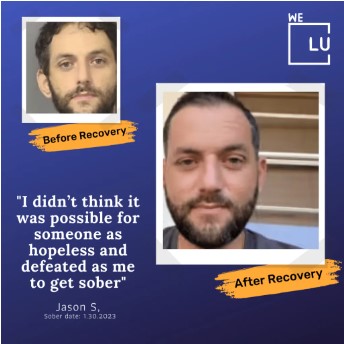
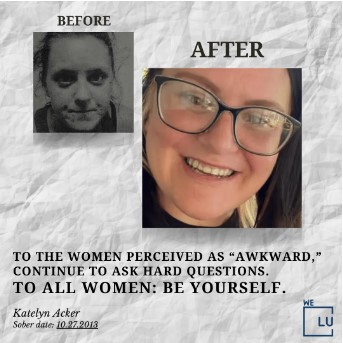
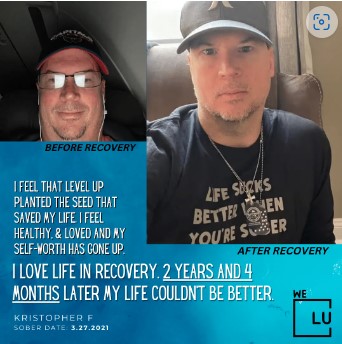
Experience Transformative Recovery at We Level Up Treatment Centers.
See our authentic success stories. Get inspired. Get the help you deserve.
Start a New Life
Begin with a free call to an addiction & behavioral health treatment advisor. Learn more about our dual-diagnosis programs. The We Level Up Treatment Center Network delivers recovery programs that vary by each treatment facility. Call to learn more.
- Personalized Care
- Caring Accountable Staff
- World-class Amenities
- Licensed & Accredited
- Renowned w/ 100s 5-Star Reviews
We’ll Call You