You can manage anxiety without medication by using calming skills, therapy support, healthy routines, and stress-reduction tools. These methods may help reduce worry, tension, racing thoughts, sleep problems, and physical anxiety symptoms.
Anxiety can affect focus, work, school, relationships, breathing, sleep, and daily routines. Some people feel anxiety in their chest, stomach, thoughts, or body. Others may feel restless, overwhelmed, tense, or unable to calm down.
This guide explains practical anxiety relief tips, when to seek professional care, and how We Level Up can support mental health recovery. We Level Up is accredited by The Joint Commission (TJC) and CARF. These groups review healthcare programs for safety and quality.
- How to Manage Anxiety Without Medication?
- Grounding Technique for Anxiety Fact Sheet
- Signs You May Need Help for Anxiety
- Ways to Reduce Anxiety Immediately
- Coping Tools for Anxiety
- Mindfulness Techniques for Anxiety
- Evidence Based Therapy for Anxiety
- CBT Techniques for Anxiety
- Why Choose We Level Up Treatment Centers for Anxiety Support?
- What to Expect During Anxiety Treatment
- Benefits of Managing Anxiety Without Medication
- FAQs About How to Manage Anxiety Without Medication
- How To Manage Anxiety Video
- How to Get Started
- Medical Disclaimer
- Anxiety Treatment Programs Video
How to Manage Anxiety Without Medication?
How to manage anxiety without medication means using healthy tools, therapy, lifestyle support, and coping skills to lower anxiety symptoms. It does not mean ignoring anxiety or refusing medical help. It means learning safe ways to manage symptoms with support.
Anxiety is the body’s response to stress or fear. It can be normal before a test, job interview, or big life change. But anxiety can become a problem when it lasts too long, feels too strong, or gets in the way of daily life. NIH lists anxiety disorders as conditions that can involve ongoing worry, fear, panic, avoidance, sleep issues, and physical symptoms.
Some people may manage mild anxiety with self-care and support, while others may need anxiety treatment options when symptoms affect daily life. This is especially true when anxiety causes panic attacks, isolation, substance use, depression, or thoughts of self-harm.
Medication can help some people, but it is not the only tool. Therapy, breathing skills, movement, sleep routines, support systems, and coping plans can also help. The best plan depends on the person’s symptoms, health, history, and safety needs.
📞 Call (954) 475-6031 now for free and private help.

Learn More:
- Strong Connection Between Alcohol and Anxiety
- Over The Counter Medicine For Anxiety And Depression
- Anxiety Treatment
- Ketamine for Anxiety
- Benzos for Anxiety and Depression
- Alcohol and Anxiety
- Alcohol and Anxiety Meds
- Non-Addictive Anti Anxiety Medication
- Psychiatric Disorder Treatment
- Mental Health Treatment Rehab
Grounding Technique for Anxiety Fact Sheet

Get Your Life Back
Find Hope & Recovery. Get Safe Comfortable Detox, Addiction Rehab & Dual Diagnosis Trused Care.
7/365 Line (844) 597-1011Signs You May Need Help for Anxiety
Anxiety can show up in many ways. Some people feel fear in their thoughts. Others feel it mostly in their bodies. Many people feel both.
You may need help if you notice:
- Worry that feels hard to control
- Panic attacks or sudden fear
- Trouble sleeping because of racing thoughts
- Avoiding school, work, driving, or social events
- Chest tightness, upset stomach, or tense muscles
- Irritability, restlessness, or trouble focusing
- Using alcohol, drugs, or food to calm down
These signs do not mean you are weak. They mean your mind and body may need more support. If anxiety is intense, frequent, or getting worse, it may be time to speak with a licensed mental health provider. If you feel like you may hurt yourself or someone else, call 911 or 988 right away.
Ways to Reduce Anxiety Immediately
When anxiety rises fast, the goal is to help your body feel safer. These are not cures, but they can help you get through the moment.
- One of the best ways to reduce anxiety immediately is slow breathing. Try breathing in through your nose for four seconds, holding for one second, then breathing out slowly for six seconds. Do this for a few rounds.
- You can also try grounding. Look around and name five things you see, four things you feel, three things you hear, two things you smell, and one thing you taste. This helps shift your focus from fear to the present moment.
- A short walk can also help. Movement can release tension and help your body use anxious energy. The CDC notes that stress affects daily life and encourages people to seek support when they are struggling to cope.
- Other quick tools include drinking water, stepping outside, relaxing your shoulders, placing both feet on the floor, or calling a trusted person. The goal is to slow the alarm response in your body.
Coping Tools for Anxiety
Coping tools for anxiety work best when you practice them often, not only during a crisis. Small daily habits can help your mind and body feel more steady.
- A simple coping plan may include sleep, movement, healthy meals, less caffeine, time outside, journaling, and regular check-ins with supportive people. These steps sound basic, but they can help reduce stress load.
- Journaling can help when thoughts feel tangled. Write down the worry, what triggered it, and what you can do next. This can help you separate facts from fear.
- A routine can also lower anxiety. When life feels unpredictable, a simple daily plan can help the brain feel safer. Try keeping wake time, meals, work, rest, and bedtime as steady as possible.
Coping tools are helpful, but they are not a replacement for care when symptoms are severe. If anxiety keeps you from living your life, therapy may help.
Mindfulness Techniques for Anxiety
Mindfulness techniques for anxiety help people notice thoughts and feelings without being controlled by them. Mindfulness does not mean forcing your mind to be blank. It means paying attention to the present moment with less judgment.
- A simple mindfulness practice is to sit still and notice your breath. When your mind wanders, gently bring it back. You can also notice body sensations, sounds in the room, or your feet on the floor.
- Mindfulness may also include mindful walking, slow stretching, prayer, meditation, or quiet reflection. Some people find it easier to start with one minute a day.
Research reviews show that mindfulness-based methods may help reduce anxiety and depression symptoms for some people, although they may work best as part of a larger care plan. Mindfulness is a skill. It may feel strange at first. With practice, it can help people respond to worry instead of reacting to it.
Get Help. Get Better. Get Your Life Back.
Searching for Accredited Drug and Alcohol Rehab Centers Near You?
Even if you have failed previously and relapsed, or are in the middle of a difficult crisis, we stand ready to support you. Our trusted behavioral health specialists will not give up on you. When you feel ready or just want someone to speak to about therapy alternatives to change your life call us. Even if we cannot assist you, we will lead you to wherever you can get support. There is no obligation. Call our hotline today.
(844) 597-1011Evidence Based Therapy for Anxiety
Evidence based therapy for anxiety means treatment methods that have research support. Therapy can help people understand anxiety, change fear-based patterns, and build tools for real life. One common form is cognitive behavioral therapy (CBT). CBT helps people notice anxious thoughts and test them in a safer way. It also helps people change avoidance behaviors that keep anxiety strong.
Therapy may also include exposure work, relaxation skills, trauma-informed care, acceptance-based skills, and relapse prevention planning. The right approach depends on the person and the type of anxiety.
Studies and clinical resources often identify CBT as a well-supported treatment for anxiety-related disorders. Therapy gives people a place to talk honestly. It can also help with deeper issues like trauma, grief, substance use, depression, or family stress.

CBT Techniques for Anxiety
CBT techniques for anxiety can help people challenge fear and build confidence. CBT teaches that thoughts, feelings, and actions are connected. When one part changes, the others can change too.
One CBT tool is thought checking. Write down the anxious thought. Then ask, “What facts support this?” and “What facts do not support this?” This helps reduce fear-based thinking. Another tool is worry time. Set aside 10 minutes a day to write worries down. When worries show up outside that time, remind yourself that you will handle them during worry time.
A third tool is small-step exposure. If anxiety makes you avoid something safe, you can practice facing it in small steps. This should be done with a therapist when fear is strong. CBT can also include problem-solving, relaxation, behavior planning, and learning how to reduce safety behaviors. These skills can help anxiety feel less powerful over time.
First-class Facilities & Amenities
Trusted Integrated Addiction & Mental Health Rehabilitation Treatment
Rehab Centers TourEstablished Addiction Centers. Serene Private Facilities. Inpatient rehab programs vary.
Addiction Helpline (844) 597-1011Comprehensive recovery success experience, backed by a Team w/ History of:
15+
Years of Unified Experience
100s
5-Star Reviews Across Our Centers
10K
Recovery Success Stories Across Our Network
- Low Patient to Therapist Ratio
- Onsite Medical Detox Center
- Comprehensive Dual-Diagnosis Treatment
- Complimentary Family & Alumni Programs
- Alumni Coaching, Recovery & Personal Development Events
Why Choose We Level Up Treatment Centers for Anxiety Support?
We Level Up Treatment Centers helps people who struggle with anxiety, depression, trauma, substance use, and other mental health concerns. Anxiety can feel lonely, but treatment can help people build structure, support, and hope.
We Level Up offers mental health and addiction care through its treatment network. Services may include inpatient mental health treatment, therapy, group support, dual diagnosis care, detox support when substance use is present, and aftercare planning. We Level Up states that its network supports people with drug addiction, alcoholism, and mental health disorders.
Some people with anxiety also use alcohol or drugs to calm down. This can make anxiety worse over time. Dual diagnosis treatment can help treat both mental health symptoms and substance use concerns together. Treatment is personal. A care team can help decide what level of care may be safest based on symptoms, daily function, support at home, and risk.
📞 Call 844-597-1011 now for free and private support.
What to Expect During Anxiety Treatment
Anxiety treatment often starts with an assessment. The care team asks about symptoms, sleep, stress, health, trauma, substance use, safety, and goals. This helps create a care plan.
Therapy
Therapy can help you understand anxiety and build coping skills. Sessions may focus on thoughts, triggers, body symptoms, avoidance, relationships, and daily habits.
Group Support
Group support can help people feel less alone. Hearing others share similar struggles may reduce shame and build hope.
Dual Diagnosis Care
If anxiety and substance use happen together, both need care. Treating only one concern may leave the other untreated. People with anxiety and substance use concerns may benefit from a dual diagnosis treatment center that treats both conditions together.
Aftercare Planning
Aftercare helps people continue progress after treatment. It may include therapy, support groups, coping plans, family support, and follow-up care.
Benefits of Managing Anxiety Without Medication
Learning healthy anxiety tools can help people feel more in control. These tools may also support therapy and long-term recovery.
Benefits may include:
- Better coping during stress
- Improved sleep routines
- Less avoidance
- Stronger emotional control
- More confidence in daily life
- Support for long-term mental health
Some people may still need medication, and that is okay. The goal is not to reject medical care. The goal is to build a safe, useful plan that fits the person’s needs.
Specialized, Accredited, 5-Star Reviewed, Evidence-based Addiction & Mental Health Programs. Complete Behavioral Health Inpatient Rehab, Detox plus Co-occuring Disorders Therapy.
CALL(844) 597-1011End the Addiction Pain. End the Emotional Rollercoaster. Get Your Life Back. Start Drug, Alcohol & Dual Diagnosis Mental Health Treatment Now. Get Free, No-obligation Guidance by Substance Abuse Specialists Who Understand Addiction & Mental Health Recovery & Know How to Help.
FAQs About How to Manage Anxiety Without Medication
Can anxiety be managed without medication?
Yes, some people can manage anxiety without medication through therapy, lifestyle changes, coping skills, and support. The right plan depends on how strong the symptoms are.
If anxiety is severe or unsafe, professional care is important. A provider can help decide whether therapy, medication, or a higher level of care may help ease anxiety.
What are the best coping tools for anxiety?
Coping tools for anxiety may include slow breathing, grounding, journaling, exercise, sleep routines, and support from trusted people. These tools work best when practiced often. If anxiety keeps coming back, therapy may help you understand the cause and build stronger skills.
What mindfulness techniques help anxiety?
Mindfulness techniques for anxiety may include deep breathing practice, body scans, mindfulness exercise, walking, meditation, and noticing thoughts without judging them. Start small. Even one or two minutes can help you build the habit.
What is evidence based therapy for anxiety?
Evidence based therapy for anxiety includes treatment methods with research support. CBT is one common example. Therapy can help people change anxious thought patterns, reduce avoidance, and build real coping skills.
What CBT techniques help anxiety?
CBT techniques for anxiety may include thought checking, worry time, small-step exposure, problem-solving, and relaxation practice. A therapist can help choose the right relaxation techniques. This is important if anxiety feels intense or hard to manage alone.
How does We Level Up help manage anxiety?
We Level Up can help people build a care plan to manage anxiety without medication when it is safe and appropriate. Care may include therapy, group support, dual diagnosis treatment, coping skills, and aftercare planning.
A team of mental health professionals can also help decide if other treatment options may be needed. Support is private and focused on long-term healing
How To Manage Anxiety Video
How to Get Started
Anxiety can make simple tasks feel heavy. You may feel tired from racing thoughts, panic, poor sleep, or trying to look “fine” while struggling inside. You do not have to keep managing it alone. We Level Up Treatment Centers can help you understand your options and find a safer path forward.
Care may include therapy, group support, dual diagnosis care, coping skills, and relapse prevention planning when substance use is present.
📞 Call (954) 475-6031 for free and private help, or complete the insurance verification form to learn what care may be covered. One honest call can help you begin.
Medical Disclaimer
This content is for education only. It must not replace medical advice. It should not be used for diagnosis or treatment.
Always ask a licensed healthcare provider if you have any medical concerns.
If you are having a medical emergency, call 911 right away.
Anxiety Treatment Programs Video
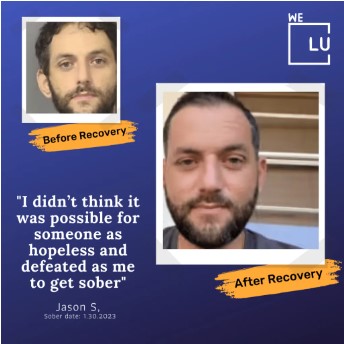
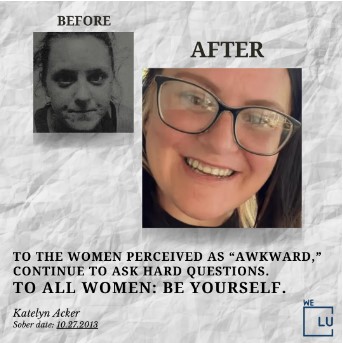
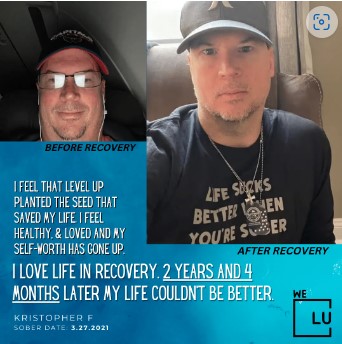
Experience Transformative Recovery at We Level Up Treatment Centers.
See our authentic success stories. Get inspired. Get the help you deserve.
Start a New Life
Begin with a free call to an addiction & behavioral health treatment advisor. Learn more about our dual-diagnosis programs. The We Level Up Treatment Center Network delivers recovery programs that vary by each treatment facility. Call to learn more.
- Personalized Care
- Caring Accountable Staff
- World-class Amenities
- Licensed & Accredited
- Renowned w/ 100s 5-Star Reviews
We’ll Call You