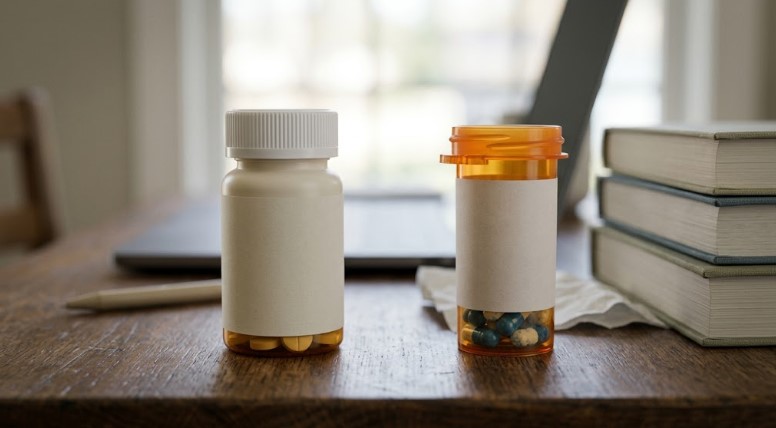
Ambien and alcohol risks are very serious for the brain and body. Many people do not know that mixing them can slow down the nervous system too much. This can lead to confusion, sleepiness, and poor thinking. Some people may also feel dizzy or lose control of their actions.
In more severe cases, breathing problems or memory loss can happen. The effects can become stronger when both substances are used together. Over time, this mix can also lead to dependence or other health problems. Treatment help is available for people who are struggling with this type of use.
Professional care can support safe recovery, improve sleep health, and reduce risks. With the right help, people can begin to heal and regain control of their lives.
Table of Contents
What Is Ambien and Alcohol?
Ambien and alcohol both slow the brain and body down in strong ways. Ambien is a prescription sleep medicine used for short-term insomnia treatment only. Alcohol is a legal drink, but it also slows the nervous system’s function. When used together, effects become stronger and can quickly become very dangerous.
People may feel very sleepy, dizzy, confused, or have poor body coordination. Thinking clearly becomes harder, and simple actions may feel slow or unsafe quickly. Breathing may slow down, and accident risk increases even with small amounts used. Doctors strongly warn against combining Ambien and alcohol due to serious health risks.
Mixing both substances can also lead to blackouts, memory loss, or unsafe behavior. Some people may fall asleep suddenly, while others feel sick or deeply disoriented. Long-term use together may increase dependence, addiction risk, and mental health problems. Medical supervision and avoiding alcohol with Ambien help protect brain and body safety overall. The National Institute on Alcohol Abuse and Alcoholism (NIAAA) warns that mixing alcohol with sedatives like sleep medications increases the risk of overdose, breathing problems, and severe injury.
Get Help. Get Better. Get Your Life Back.
Searching for Accredited Drug and Alcohol Rehab Centers Near You?
Even if you have failed previously and relapsed, or are in the middle of a difficult crisis, we stand ready to support you. Our trusted behavioral health specialists will not give up on you. When you feel ready or just want someone to speak to about therapy alternatives to change your life call us. Even if we cannot assist you, we will lead you to wherever you can get support. There is no obligation. Call our hotline today.
(844) 597-1011
Signs You May Need Help for Ambien and Alcohol Use
Some people may need support if Ambien and alcohol use start affecting daily life. Common warning signs include:
- Using Ambien or alcohol more often than planned
- Trouble sleeping without medication or drinking
- Memory gaps or blackouts
- Feeling confused or dizzy frequently
- Mood changes like anxiety or irritability
- Difficulty focusing during the day
- Needing higher doses to feel effects
These signs may mean a person is developing unhealthy patterns. Early help can reduce risks and improve recovery outcomes. Call We Level Up at +(954) 475-6031 for confidential support and guidance today.
Ambien and Alcohol Abuse Statistics
If you or someone you know has a substance use disorder, it is important to make a sobriety plan quickly. An inpatient treatment program provides a safe way to detox from Ambien and alcohol. This is the first step before starting individual and group therapy.
16.1 Million
5.8% (or about 16.1 million people) reported misusing any prescription psychotherapeutic drug in the past 12 months. Many people drink alcohol while using drugs to enhance or otherwise modify their experiences with these substances.
Source: NIDA
85,688
In 2019, of the 85,688 liver disease deaths among individuals ages 12 and older, 43.1% involved alcohol.
Source: NIDA
40%
About 40% of people who know they have an alcohol or drug problem are not ready to quit. Many others believe they do not have a problem or need treatment.
Source: NIDA
Get Your Life Back
Find Hope & Recovery. Get Safe Comfortable Detox, Addiction Rehab & Dual Diagnosis Trused Care.
7/365 Line (844) 597-1011
Ambien Dependence
Ambien dependence happens when the body starts needing the medicine for sleep every night. Over time, the brain may rely on Ambien and struggle to sleep without it naturally. This can lead to higher doses, withdrawal symptoms, and difficulty stopping the medicine safely. Medical supervision helps reduce dependence risk and supports safer sleep recovery over time.
Can You Take Ambien Long Term
Ambien is usually not meant for long-term use because risks increase over extended periods. Long use can reduce effectiveness and increase dependence, tolerance, and side effects in many patients. Doctors often recommend short treatment cycles and other sleep therapies for ongoing insomnia support safely. Safer sleep habits and therapy help many people reduce the need for long-term medication use.
Is Ambien a Controlled Substance
Yes, Ambien is a controlled substance because it can cause misuse and dependence risks. Government regulations limit its use and require a doctor’s prescription for safe medical treatment only. Doctors monitor patients closely to prevent misuse, side effects, and unsafe dosing patterns during care. Controlled status helps protect patients by ensuring careful prescribing and safe medical supervision are always needed.
What Drugs Should You Not Mix With Ambien?
Ambien should not be mixed with alcohol, opioids, benzodiazepines, or other sedative medications. These combinations can slow breathing too much and increase the risk of overdose or severe harm. Even over-the-counter sleep aids or allergy medicines can increase sedation and dangerous effects. Always tell your doctor all medications used to avoid unsafe interactions and health complications.
Ambien Half Life
Ambien’s half-life is about two to three hours, meaning it leaves the body fairly quickly. However, effects may last longer depending on age, liver health, and other medical conditions present. Because of short half life it is used mainly to help people fall asleep quickly. Doctors use half-life information to set safe dosing schedules and reduce next-day impairment.
First-class Facilities & Amenities
Trusted Integrated Addiction & Mental Health Rehabilitation Treatment
Rehab Centers TourEstablished Addiction Centers. Serene Private Facilities. Inpatient rehab programs vary.
Addiction Helpline (844) 597-1011Comprehensive recovery success experience, backed by a Team w/ History of:
15+
Years of Unified Experience
100s
5-Star Reviews Across Our Centers
10K
Recovery Success Stories Across Our Network
- Low Patient to Therapist Ratio
- Onsite Medical Detox Center
- Comprehensive Dual-Diagnosis Treatment
- Complimentary Family & Alumni Programs
- Alumni Coaching, Recovery & Personal Development Events
Why Choose We Level Up for Ambien and Alcohol Help?
We Level Up helps people with ambien dependence and alcohol use in safe and caring treatment settings daily. Our team understands how both substances affect sleep, mood, brain function, and daily emotional balance over time. We provide respectful, non-judgmental care focused on safety, comfort, and steady recovery progress for each patient.
We also explain if Ambien is a controlled substance and how it should be used safely. We teach whether you can take Ambien long term and why medical guidance is very important. Patients learn what drugs they should not mix with Ambien and how to avoid serious health risks. We also explain Ambien’s half-life and support building safer habits for long-term recovery wellness.
Call We Level Up at +(954) 475-6031 for confidential help and support today.

What to Expect During Ambien and Alcohol Use Support?
Support begins with a full assessment of ambien dependence and alcohol use patterns safely. Doctors review sleep issues, emotional health, and physical symptoms caused by combined substance use. A personalized care plan is created to ensure safety, comfort, and early recovery support. Patients receive clear explanations about each step to reduce fear and build treatment trust.
Therapy helps patients understand triggers, habits, and emotional reasons behind substance use behaviors. The medical staff explains Ambien’s half-life and how it affects sleep and recovery progress. Education includes is ambien a controlled substance and why safe use is strictly regulated. Patients also learn which drugs should you not mix with Ambien to avoid dangerous reactions.
Over time, care shifts toward can you take Ambien long term and safer sleep solutions. Patients build coping skills that support stress control without relying on alcohol or medications. Regular monitoring ensures safety, emotional stability, and steady progress throughout the recovery journey. The goal is long-term healing, improved sleep, and healthier daily life functioning overall.
Specialized, Accredited, 5-Star Reviewed, Evidence-based Addiction & Mental Health Programs. Complete Behavioral Health Inpatient Rehab, Detox plus Co-occuring Disorders Therapy.
CALL(844) 597-1011End the Addiction Pain. End the Emotional Rollercoaster. Get Your Life Back. Start Drug, Alcohol & Dual Diagnosis Mental Health Treatment Now. Get Free, No-obligation Guidance by Substance Abuse Specialists Who Understand Addiction & Mental Health Recovery & Know How to Help.
Benefits of Ambien and Alcohol Use Support
Getting professional help for Ambien and alcohol use offers several important benefits:
- Safer withdrawal support
- Improved sleep patterns
- Reduced risk of overdose
- Better mental clarity
- Emotional stability
- Long-term recovery planning
These benefits help individuals rebuild healthier lifestyles with professional guidance and support.
| Study | Treatment Implications | Insights for Patients |
|---|---|---|
| Zolpidem misuse with other medications or alcohol Read Study | Misuse can lead to ICU admission. Co-ingestion with alcohol increases risk. | Mixing zolpidem with alcohol can be life-threatening and may require emergency attention. |
| Long-term misuse of zopiclone in an alcohol-dependent patient View Resource | Chronic misuse in alcohol-dependent individuals can lead to severe health complications. | Chronic misuse of zolpidem and alcohol can cause serious health issues and should be addressed promptly. |

FAQs About Ambien and Alcohol
What happens when you mix Ambien and alcohol?
Mixing Ambien and alcohol is very dangerous because both slow down the central nervous system. Together, they can cause extreme drowsiness, confusion, and poor balance. Some people may pass out or have trouble breathing. In severe cases, it can lead to coma or even death. This combination also increases the risk of accidents and injuries. Because of these effects, doctors strongly warn against using Ambien and alcohol together at any time. Medical help should be sought if someone shows signs of overdose or severe reaction after mixing these substances.
What is Ambien dependence?
Ambien dependence happens when the body gets used to the medicine for sleep. Over time, a person may feel they cannot sleep without it. This can lead to taking higher doses or using it more often than prescribed. Dependence can affect sleep quality, mood, and daily energy levels. Some people may also feel anxious when they do not take it. Medical support is important to reduce the use safely. Doctors may slowly lower the dose to avoid withdrawal symptoms and help restore natural sleep patterns over time.
Can you take Ambien long-term?
Ambien is usually meant for short-term use only. Long-term use may increase the risk of dependence, tolerance, and side effects. Over time, the medicine may become less effective, causing people to need higher doses. This can be unsafe without medical supervision. Doctors often recommend other sleep treatments if insomnia lasts longer. These may include therapy, lifestyle changes, or safer medications. Long-term use should only happen under strict medical care to reduce health risks and support better sleep habits naturally.
Is Ambien a controlled substance?
Yes, Ambien is a controlled substance in the United States. This means it is regulated by the government due to its risk of misuse and dependence. It is only available with a doctor’s prescription. Patients must follow the exact dosing instructions to use it safely. Misuse can lead to serious health problems, including addiction and memory issues. Because of its effects on the brain, doctors monitor its use closely. It is important to never share Ambien with others or use it without medical approval.
What drugs should you not mix with Ambien?
Ambien should not be mixed with alcohol, opioids, benzodiazepines, or other sedatives. These combinations can slow breathing and heart rate too much. They also increase the risk of overdose, confusion, and extreme drowsiness. Mixing these drugs can be life-threatening in some cases. Even over-the-counter sleep aids or allergy medicines may increase side effects. Always tell your doctor about all medications you are taking before using Ambien. Safe use depends on avoiding harmful drug combinations and following medical guidance carefully.
What is the Ambien half-life?
Ambien’s half-life is the time it takes for half of the drug to leave the body. It is usually short, about 2 to 3 hours. However, the effects may last longer in some people. Age, liver health, and other medications can change how long it stays in the system. Because of its short half-life, Ambien is designed to help with falling asleep quickly. It is not meant for staying asleep all night. Doctors use this information to decide safe dosing schedules.
What are the signs of Ambien misuse?
Signs of Ambien misuse include taking higher doses than prescribed or using it without a doctor’s advice. A person may feel confused, drowsy during the day, or have memory problems. Some may sleepwalk or do activities without remembering them. Mood changes, irritability, and cravings for the drug can also appear. Misuse can affect work, relationships, and daily safety. In serious cases, it may lead to dependence or overdose. If these signs appear, medical help should be sought quickly for safe support and treatment.
How can Ambien and alcohol use be treated?
Treatment for Ambien and alcohol use usually starts with a medical assessment. Doctors check sleep issues, substance use, and overall health. Therapy helps address habits, triggers, and emotional causes. Medical support may be used to manage withdrawal symptoms safely. In some cases, detox is needed under supervision. Over time, patients learn healthy sleep habits and coping skills. Treatment focuses on long-term recovery and preventing relapse. Professional care is important to restore safe sleep and improve overall health and stability.
Experience Transformative Recovery at We Level Up Treatment Centers.
See our authentic success stories. Get inspired. Get the help you deserve.
Start a New Life
Begin with a free call to an addiction & behavioral health treatment advisor. Learn more about our dual-diagnosis programs. The We Level Up Treatment Center Network delivers recovery programs that vary by each treatment facility. Call to learn more.
- Personalized Care
- Caring Accountable Staff
- World-class Amenities
- Licensed & Accredited
- Renowned w/ 100s 5-Star Reviews
We’ll Call You
How to Get Started?
If Ambien and alcohol use are affecting your health or daily life, help is available now. You do not have to face this alone. Early treatment can lower health risks and support safer recovery. It can also help improve sleep, mood, and daily function over time. Reaching out is the first and most important step toward change. Support is available for you at any stage, even if the problem feels small or new.
You can call We Level Up at +(954) 475-6031 or email verifyadmissions@welevelup.com anytime. Our team is ready to listen, guide you, and explain your treatment options in a simple way. We are here to support your recovery journey with care and respect.