Alcohol and breastfeeding can affect both mother and baby, making safe feeding choices very important daily. Alcohol passes into breast milk and may reach the baby during feeding after drinking. Even small amounts can affect sleep, feeding patterns, and healthy growth in some babies. The amount of alcohol in milk depends on drinking level, body size, and timing.
Healthy feeding and recovery begin with understanding how alcohol affects breastfeeding and infant development. Many mothers choose to wait before nursing after drinking alcohol to reduce possible risks. Planning feedings carefully can help support safer breastfeeding and protect a baby’s health better. Parents should talk with healthcare providers about alcohol use, breastfeeding safety, and recovery concerns.
Table of Contents
What is Alcohol and Breastfeeding?
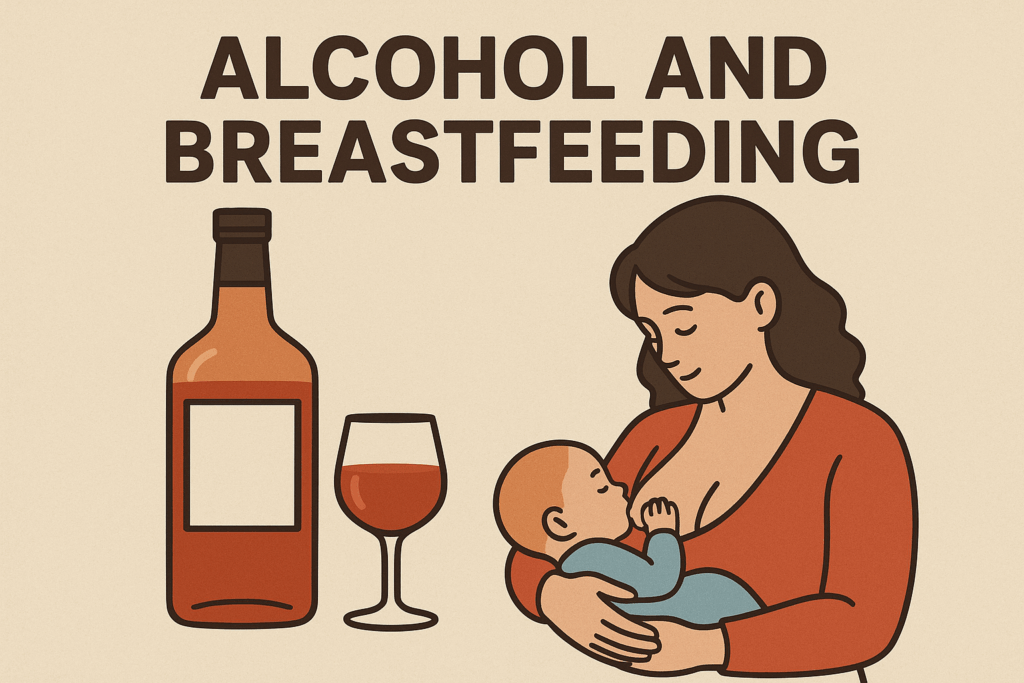
Alcohol and breastfeeding mean a mother drinks alcohol while feeding her baby breast milk during nursing. Alcohol enters the mother’s blood and then moves into breast milk for the baby to drink. The amount of alcohol in milk usually matches the amount found in blood at the same time. As alcohol leaves the mother’s blood, it also leaves her breast milk over time naturally, too.
Babies are small, and their bodies process alcohol more slowly than older children or adults’ do. Because of this, alcohol can affect babies more easily, even after small amounts in milk sometimes. Some babies may become sleepy or feed less well after alcohol exposure through breast milk, sometimes. Learning about alcohol and breastfeeding helps parents make safer choices for daily baby care and health.
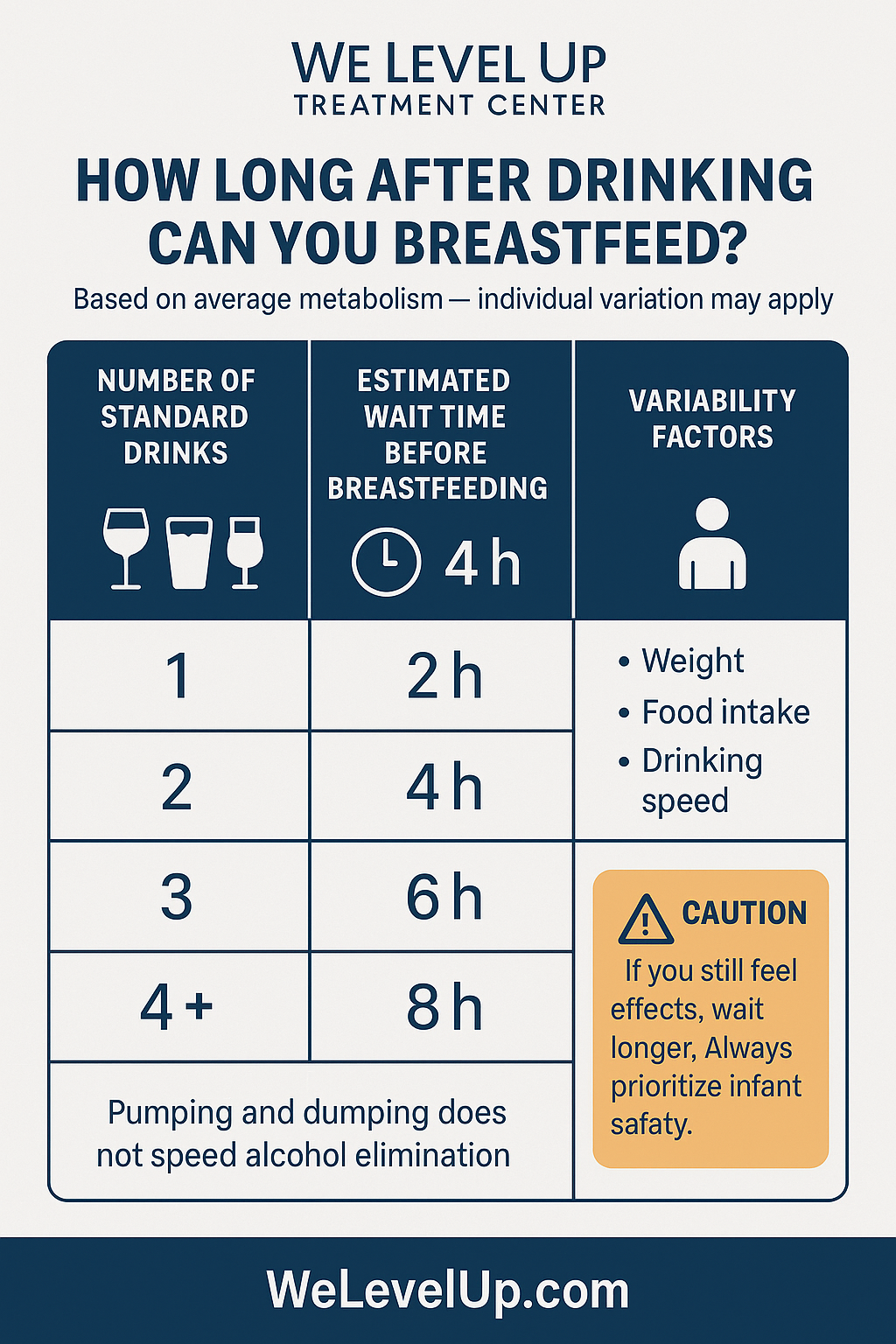
Many doctors suggest feeding your baby before drinking alcohol whenever possible for added safety and comfort. Waiting about two hours after one drink can help lower alcohol levels in milk before feeding. Pumping milk does not remove alcohol from breast milk because only time lowers alcohol levels. Planning ahead can help mothers breastfeed safely while making careful choices about drinking alcohol.
The National Institute on Drug Abuse says alcohol may disrupt a breastfed child’s sleep cycle. Research also shows that alcohol does not increase breast milk production as some people believe today. Parents should ask healthcare providers questions when they need help making feeding decisions safely. Good information helps families protect babies and support healthy growth during breastfeeding every day.
Signs You May Need Help With Alcohol and Breastfeeding
Some signs show a mother may need support:
- Feeling unable to stop drinking alcohol
- Drinking more often than planned
- Missing or delaying breastfeeding times
- Feeling very tired or confused often
- Feeling guilty after drinking alcohol
- Trouble following breastfeeding safety rules
- Baby seems sleepy or feeds poorly after nursing
If these signs happen, help may be needed from a doctor or counselor. Support can make daily life easier and safer for the mother. It can also help keep the baby healthy and well cared for. Getting help early can improve health for both mother and baby.
For confidential help, you can call +(954) 475-6031 or email verifyadmissions@welevelup.com.
How We Level Up Turns Research Into Real Recovery
At We Level Up, our mission goes beyond general guidance. We connect scientific research about alcohol and breastfeeding with practical care for new mothers. By learning how alcohol impacts breast milk and baby growth, we can make plans to keep you and your baby safe.
| Study | Treatment Implications | Insights for Patients |
|---|---|---|
| Alcohol — Drugs and Lactation Database (LactMed) View Study | Avoid regular drinking while breastfeeding. If you do drink, limit how much you have. Wait about 2 to 2.5 hours after each drink before nursing. Assess milk supply when alcohol use is reported because alcohol reduces milk ejection and can temporarily lower milk volume. | Alcohol passes into breastmilk at levels similar to maternal blood. If you decide to drink, plan for nursing. Pump and store milk before you drink. Wait 2–3 hours after each drink. Talk about your drinking habits with your doctor. |
| May PA et al., “Breastfeeding and maternal alcohol use.” Read Article | Screen breastfeeding mothers for alcohol use; explain physiologic effects (inhibits milk ejection reflex, reduces infant intake). For mothers who drink, advise timing strategies (nurse/pump before drinking; wait several hours after) | About half of lactating women in some Western populations report drinking while breastfeeding. Even small amounts of drinking can lower milk transfer when alcohol levels are highest. Planning and open talks can help improve safety. |
| May PA et al., “Breastfeeding and maternal alcohol use” Read Article | Advise against regular/heavy alcohol consumption during lactation due to associations with altered infant sleep and possible effects on psychomotor development. Monitor infant growth and development if maternal alcohol use is ongoing. | Drinking a little alcohol now and then may have small effects. However, drinking a lot or often can disrupt sleep. It can also lower milk intake and lead to possible developmental issues. Always tell your pediatrician if you drink. |
First-class Facilities & Amenities
Trusted Integrated Addiction & Mental Health Rehabilitation Treatment
Rehab Centers TourEstablished Addiction Centers. Serene Private Facilities. Inpatient rehab programs vary.
Addiction Helpline (844) 597-1011Comprehensive recovery success experience, backed by a Team w/ History of:
15+
Years of Unified Experience
100s
5-Star Reviews Across Our Centers
10K
Recovery Success Stories Across Our Network
- Low Patient to Therapist Ratio
- Onsite Medical Detox Center
- Comprehensive Dual-Diagnosis Treatment
- Complimentary Family & Alumni Programs
- Alumni Coaching, Recovery & Personal Development Events
Breastfeeding and Drinking Alcohol
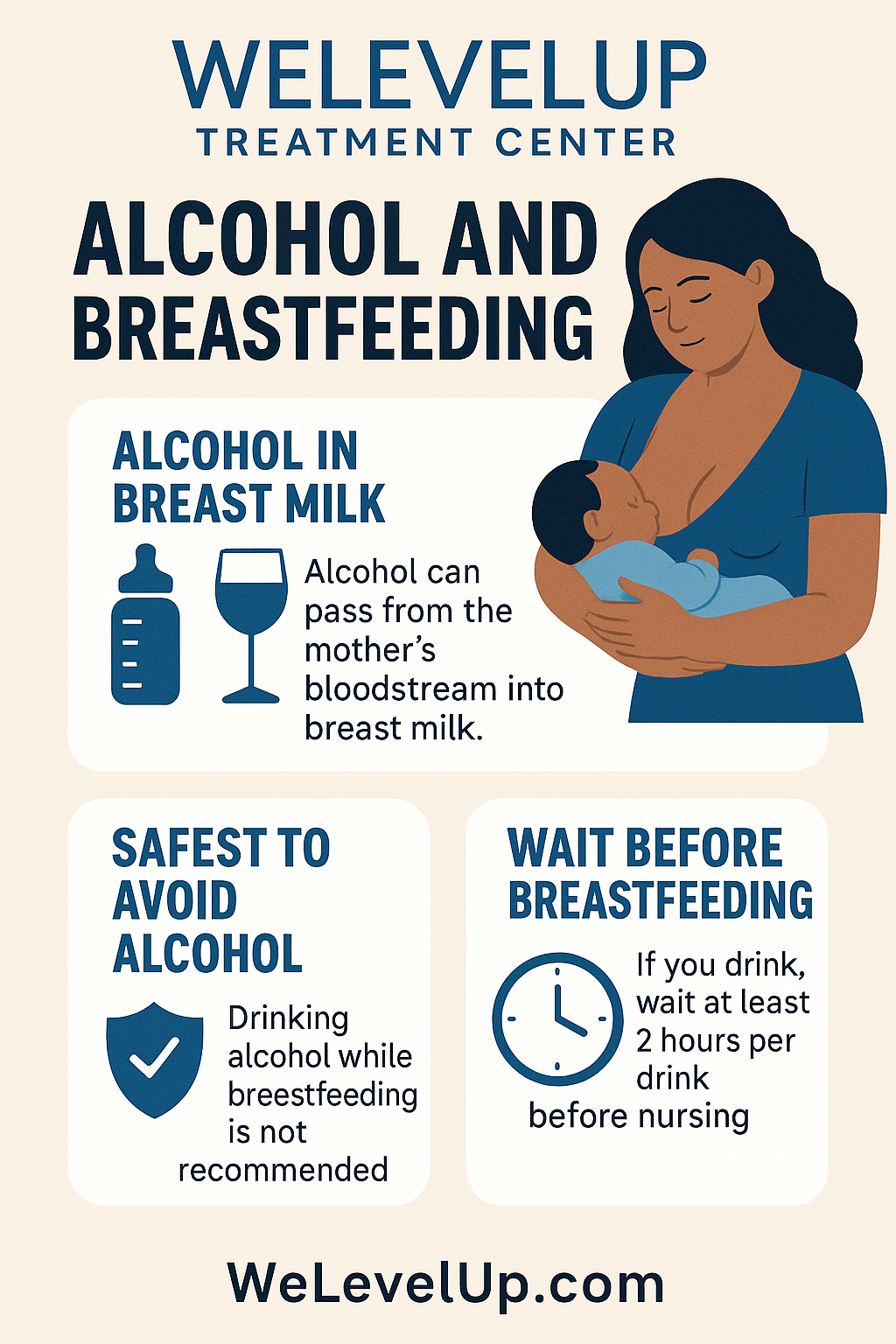
According to health experts, breastfeeding and drinking alcohol mean a mother consumes alcohol while still nursing her baby. Alcohol can pass from the mother’s bloodstream into breast milk for a short time after drinking. This means a baby may receive small amounts of alcohol during feeding. Experts advise being careful because infants process alcohol more slowly than adults.
According to medical guidance, safe timing is important when breastfeeding after alcohol use. Feeding the baby before drinking and waiting afterward can help reduce alcohol in breast milk. The amount of alcohol exposure depends on how much is consumed and how fast the body processes it. Planning ahead helps support safer feeding and protects infant health.
Rules for Breastfeeding
- Feed your baby before you drink any alcohol.
- Wait about two hours after one drink before feeding again.
- Drink only a small amount of alcohol when breastfeeding.
- Plan feeding times to reduce alcohol exposure for your baby.
- Ask a doctor if you are unsure about safe drinking and breastfeeding.
Alcohol Consumption and Breastfeeding
Alcohol consumption and breastfeeding mean a mother drinks alcohol while she is still feeding her baby breast milk. Alcohol can move from the mother’s blood into breast milk for a short time after drinking. The amount of alcohol in milk depends on how much alcohol the mother drinks. Time helps the body remove alcohol from breast milk naturally and safely.
Alcohol leaves breast milk as it leaves the mother’s blood over time without extra steps needed. Babies can be affected more easily because their bodies are small and still growing. Waiting after drinking can help lower the amount of alcohol in breast milk before feeding. Simple planning helps mothers keep breastfeeding safe and protect their babies.
Why Choose We Level Up for Alcohol and Breastfeeding Support?
We Level Up offers caring support for mothers and families with questions about alcohol and breastfeeding. Our team includes trained healthcare professionals who provide clear information based on trusted medical research. We help parents understand safe choices that support both maternal health and infant well-being.
Our staff works with each person to understand their needs, concerns, and health goals. We provide education about alcohol use, breastfeeding safety, and healthy parenting practices. Families receive guidance in a respectful and supportive environment focused on health and recovery.
We Level Up believes good information helps people make better decisions every day. Our team follows evidence-based practices and trusted health recommendations from recognized medical organizations. We are committed to helping families find support, build confidence, and create healthier futures together. Call +(954) 475-6031 or email verifyadmissions@welevelup.com for help.
What to Expect During Alcohol and Breastfeeding Support?
When you seek support, a healthcare professional will talk with you about your needs. They may ask about breastfeeding, alcohol use, and your health history. This helps them understand your situation and provide the right guidance. Every family has different needs and concerns.
You will receive simple information about alcohol and breastfeeding safety. The team may explain how alcohol can affect breast milk and babies. They can help you make a safe feeding plan for your child. You can also ask questions and discuss any worries.
Ongoing support may be available if you need more help. Healthcare professionals can provide education, resources, and encouragement. They may help you build healthy habits and make informed decisions. The goal is to support the health of both mother and baby.
Specialized, Accredited, 5-Star Reviewed, Evidence-based Addiction & Mental Health Programs. Complete Behavioral Health Inpatient Rehab, Detox plus Co-occuring Disorders Therapy.
CALL(844) 597-1011End the Addiction Pain. End the Emotional Rollercoaster. Get Your Life Back. Start Drug, Alcohol & Dual Diagnosis Mental Health Treatment Now. Get Free, No-obligation Guidance by Substance Abuse Specialists Who Understand Addiction & Mental Health Recovery & Know How to Help.
Benefits of Alcohol and Breastfeeding Support
Getting help can bring many benefits:
- Safer breastfeeding for the baby
- Better health for the mother
- Less stress and worry
- Stronger daily habits
- Better sleep and mood
- More family support
Support helps mothers make safer choices every day.
| Myths | Facts |
| A small drink doesn’t affect milk. | Alcohol concentration in milk closely follows maternal blood levels. Even one drink can be detected for hours. |
| Pumping and dumping breast milk removes alcohol. | Alcohol leaves breast milk only as it leaves the bloodstream. Pumping doesn’t speed elimination. |
| Breastfeeding immediately after drinking is safe because the alcohol will be “used up.” | Alcohol levels in breast milk peak about 30–60 minutes after consumption. Breastfeeding right after drinking can still expose the baby to alcohol. This is especially true if the mother drank on an empty stomach. |
| It’s safe to drink as long as the baby is asleep. | Caring for an infant while intoxicated is dangerous. Alcohol can impair reflexes, judgment, and responsiveness, increasing the risk of accidents or unsafe handling. |
FAQs About Alcohol and Breastfeeding
Can I drink alcohol and still breastfeed?
Yes, but it must be done with care. Alcohol can pass into breast milk in small amounts. It is best to wait before breastfeeding after drinking. Many doctors suggest planning feeding times ahead. This helps lower alcohol exposure for the baby. Some mothers choose to avoid alcohol completely while breastfeeding. If you are unsure, always ask a healthcare provider for advice. Safety and timing are very important for your baby’s health.
How long should I wait after drinking alcohol?
The waiting time depends on how much you drink. One standard drink may need about two to three hours. More drinks will need more time. The body must fully process the alcohol before breastfeeding again. Pumping and dumping do not remove alcohol faster from the body. Waiting is the safest method. If you are unsure, it is better to wait longer before feeding your baby.
What are the rules for breastfeeding and alcohol?
The main rules are simple and focused on safety. Limit alcohol or avoid it if possible. Always plan feeding times carefully. Never breastfeed right after drinking alcohol. Give your body enough time to clear it. Even small amounts can pass into breast milk. Doctors recommend being very cautious. Baby safety should always come first when making decisions about alcohol use.
Is alcohol consumption and breastfeeding safe?
Alcohol consumption and breastfeeding are not fully safe. Even small amounts can affect a baby’s sleep and feeding. Babies may become sleepy, fussy, or feed less than usual. Long-term effects are still being studied. Because of this, many health experts recommend limiting alcohol use. Avoiding alcohol is the safest choice during breastfeeding. If alcohol is used, careful timing is very important.
How to drink alcohol and breastfeed safely?
If you choose to drink, plan ahead. Breastfeed or pump before drinking alcohol. Drink only small amounts. Wait enough time before the next feeding. Know how your body processes alcohol. Avoid heavy or frequent drinking. Never feed your baby while alcohol is still in your system. When in doubt, ask a doctor for safe guidance. Safety should always come first.
What happens if I drink and breastfeed too soon?
If you breastfeed too soon, alcohol may pass to the baby. This can affect sleep, feeding, and behavior. The baby may feel drowsy or weak. In some cases, development may also be affected. The risk depends on how much alcohol was consumed. Waiting the right amount of time lowers this risk. If you are unsure, delay feeding and seek medical advice. It is always better to plan ahead and avoid eating right after drinking alcohol for safety and peace of mind.
Can pumping remove alcohol from breast milk?
No, pumping does not remove alcohol from breast milk faster. Alcohol leaves the milk as it leaves the bloodstream. This process takes time. Pumping may help relieve fullness, but it does not speed up alcohol removal. The safest option is to wait until alcohol has cleared your system before breastfeeding again. Time is the key factor. Every mother processes alcohol differently, so waiting longer is always safer when unsure or after having more than one drink.
What signs show alcohol may affect my baby?
Some signs may include unusual sleepiness, weak sucking, or irritability. The baby may also feed less or seem less active. These signs may appear if alcohol is present in breast milk. If you notice these symptoms, stop alcohol use and talk to a doctor. Early action helps protect your baby’s health and safety. You should also monitor changes in diaper output, alertness, and crying patterns to ensure your baby is feeding and developing normally and safely every day.
How to Get Started?
If alcohol and breastfeeding feel hard to manage, help is available. You are not alone in this situation, and support can make things safer for both mother and baby. Getting help early can make a big difference in health and peace of mind. Small steps today can lead to better choices and safer breastfeeding routines. Professional care can guide you in a simple and supportive way.
We Level Up offers safe and caring support for mothers who need help. Call +(954) 475-6031 or email verifyadmissions@welevelup.com to get started today. Help is available, and recovery and stability are possible with the right support.