

Facts About Methamphetamine and Recovery Help
Methamphetamine, popularly known as "meth," is one of the powerful stimulants of the central nervous system. It is sometimes a second-line treatment for attention deficit hyperactivity disorder (ADHD) and obesity. However, meth is better known as a recreational drug. Continue to read more about meth addiction signs, symptoms, and treatment.
Clinically Reviewed by Lauren Barry, LMFT, MCAP, QS
Medically Reviewed by Ali Nikbakht, PsyD
Reviewed / Updated: September 21, 2026 — Editorial Policy | Research Policy | Privacy Policy
By We Level Up | Author Giselle Leung, PharmD, BCGP | Editorial Policy | Research Policy
Methamphetamine Addiction Treatment
Methamphetamine is a strong stimulant that speeds up the brain and body. It may appear as powder, pills, or clear crystals called crystal meth. Common street names include meth, ice, glass, crystal, speed, and Tina. Repeated use can harm sleep, judgment, health, work, and close relationships.
Meth can raise energy, heart rate, blood pressure, and body temperature. People may stay awake for long periods and eat very little. When the drug wears off, deep fatigue, sadness, hunger, and strong cravings may follow. Severe use can also cause paranoia, chest pain, seizures, or psychosis.
We Level Up Treatment Centers helps clients recover from meth use and its effects. Teams support sleep, nutrition, mood, cravings, health problems, and relapse prevention. Treatment is available through seven accredited facilities serving five states across the country. Each plan prepares clients for safer routines, continued care, and life after treatment.
What Is Methamphetamine?
Methamphetamine is one of several stimulant drugs that affect the brain and nervous system. People often ask, is meth synthetic, and the answer is yes. It is made through chemical steps instead of coming from a plant. The drug can be swallowed, smoked, snorted, or injected.
Meth may come as powder, pills, or a crystal form that looks like glass. Another common question is, where do methamphetamines come from? Most illegal meth comes from hidden production sites. Small meth labs may also make the drug with toxic and unstable chemicals.
The NIDA methamphetamine facts explain the drug’s forms, effects, and addiction risks. Interesting facts about methamphetamine include its rare legal medical use. However, most meth sold outside pharmacies is made illegally. Its strength and contents may be unknown.
Addiction treatment programs can address meth use, withdrawal, health damage, and relapse risk. Care may also address poor sleep, hunger, fear, trauma, or unsafe housing. Each person needs a plan based on current needs.
Crystal methamphetamine statistics show why early support matters across the United States. The CDC reported 34,855 overdose deaths involving certain stimulants during 2023. This group involved mostly methamphetamine, and opioids were often also present. The CDC stimulant overdose data explains this national trend.
Who Should Not Use Methamphetamine?
No one should use illegal meth because its strength and contents are unknown. People with heart disease, seizures, or stroke risk face added danger. High blood pressure can also raise the chance of a health crisis. A health review matters before treatment begins.
Anxiety, psychosis, bipolar disorder, and severe depression may become worse with meth. Pregnant or nursing people need fast medical support when meth use occurs. The drug may harm the parent and baby. Care should begin without blame or shame.
People who mix meth with fentanyl, alcohol, or sedatives face greater danger. Hidden fentanyl can cause an opioid overdose. Other drug mixtures may hide warning signs or make care harder. Staff should review every substance being used.
People with a past substance use disorder may return to heavy use quickly. Poor sleep, unsafe housing, hunger, or violence can make recovery harder. A careful review should cover health, mood, other drugs, and home safety. Call 911 for chest pain, seizures, severe confusion, or trouble breathing.
Signs of Methamphetamine Addiction
Meth addiction can harm health, work, money, judgment, and close relationships. Some signs may look like stress, poor sleep, or a mood problem. One sign alone does not prove addiction. A lasting pattern should lead to a full professional review.
Common warning signs include:
- Using more meth or using it more often than planned
- Staying awake for long periods, followed by long sleep
- Strong cravings or feeling unable to function without meth
- Fast speech, restless movement, fear, anger, or suspicious thoughts
- Weight loss, poor eating, skin sores, or severe dental problems
- Hiding drug use, spending, supplies, or failed efforts to stop
- Missing work, bills, family duties, or medical care
- Continuing after overdose, psychosis, arrest, injury, or family concern
A meth overdose may cause chest pain or very high body heat. It may also cause severe fear, a stroke, or a seizure. Call 911 when these signs appear. Give naloxone when opioid exposure may be involved.
Why Is Methamphetamine Addictive?
Meth causes a large release of dopamine in the brain. Dopamine helps control reward, movement, and drive. The sudden rush may create strong energy, pleasure, and confidence. The brain can begin to link meth with relief or survival.
Normal rewards may feel weak after repeated use. Food, sleep, work, and relationships may lose their appeal. Strong drug cues can then bring sudden cravings. These cues may include people, places, stress, or money.
Tolerance means the same amount no longer creates the same effect. A person may take larger amounts or use meth more often. Some people binge for hours or days without enough food or sleep. This pattern can quickly harm the brain and body.
Doctors may diagnose stimulant use disorder when use causes harm or lost control. Signs can include cravings, risky use, tolerance, and failed efforts to stop. Some people keep using to avoid fatigue, sadness, or the crash. Others return to meth because cravings feel too strong.
Meth differs from alcohol and many sedative drugs because it speeds up the body. Its withdrawal does not usually cause delirium tremens. However, the crash may bring severe depression, fear, or suicidal thoughts. These risks make professional support important.


Get Your Life Back
Find Hope & Recovery. Get Safe Comfortable Detox, Addiction Rehab & Dual Diagnosis Trused Care.
7/365 Line (844) 597-1011The Importance of Methamphetamine Detox
Meth withdrawal may begin after the drug wears off. Common signs include deep fatigue, low mood, anxiety, hunger, and poor focus. Sleep may increase at first and later become uneven. Some people also have pain, anger, or disturbing dreams.
Symptoms often peak during the first few days. Many signs begin to ease during the next week. Low mood, sleep trouble, and cravings may last much longer. Each timeline depends on health, use, and other drugs.
A severe crash may raise the risk of self-harm. It may also lead to a fast return to meth use. Staff can check mood, sleep, food, fluids, and safety. They can respond when symptoms become severe.
Meth detox does not usually require a drug taper. Care instead focuses on rest, food, fluids, sleep, and safety. Staff may treat heart, skin, dental, or mental health problems. A safe setting also separates the person from drug cues.
Detox alone is not full recovery. It does not change triggers, habits, housing, trauma, or social pressure. Therapy should begin when the person can take part. A clear next step can reduce gaps in care.
Get Help. Get Better. Get Your Life Back.
Searching for Accredited Drug and Alcohol Rehab Centers Near You?
Even if you have failed previously and relapsed, or are in the middle of a difficult crisis, we stand ready to support you. Our trusted behavioral health specialists will not give up on you. When you feel ready or just want someone to speak to about therapy alternatives to change your life call us. Even if we cannot assist you, we will lead you to wherever you can get support. There is no obligation. Call our hotline today.
(844) 597-1011How Methamphetamine Addiction Is Treated
Crystal meth addiction treatment, or treatment for meth addiction, starts with a review of health and drug use. Staff ask about sleep, food, mood, psychosis, injuries, and other drugs. They also review housing, work, family support, and past care. These facts guide a personal treatment plan.
There is no FDA-approved medicine made only for methamphetamine use disorder. Behavioral care remains the main form of treatment. Cognitive behavioral therapy (CBT) links thoughts, feelings, triggers, and meth use. Clients practice safer ways to handle cravings and stress.
Treatment may include:
- Contingency Management: Small rewards support attendance and drug-free goals.
- Dialectical Behavior Therapy: DBT teaches skills for distress and strong feelings.
- Individual Counseling: Private sessions address goals, trauma, grief, and setbacks.
- Group Counseling: Groups offer support, feedback, and honest communication.
- Trauma-Informed Therapy: This care looks at how past harm may shape drug use.
- Life Skills Training: Clients practice sleep, meals, money, work, and routines.
- Holistic Therapies: Movement, breathing, yoga, and mindfulness may support calm.
- Relapse Prevention Planning: Clients list triggers, contacts, and urgent safety steps.
These evidence based methods can help people change daily habits and reduce meth use. Contingency management has some of the strongest research support for stimulant use disorder. CBT, group support, and motivational methods may also help. Care should match the person’s needs and goals.
Mental health treatment may address depression, anxiety, paranoia, trauma, or poor sleep. Health care may also cover dental damage, wounds, infections, or heart problems. Family care can rebuild trust and teach safe limits. Continued care helps clients use new skills after treatment.
Meth recovery can improve when healthy rewards begin replacing the powerful reward once linked with drug use. We Level Up supports this change with national substance abuse and mental health services. These services include contingency management, therapy, and daily structure.
Other psychological effects include:
- Increased energy and alertness
- Anxiety, paranoia
- Irritability and aggression
- Delusions and hallucinations (especially with chronic or high doses)
- Loss of the ability to feel pleasure
First-class Facilities & Amenities
Trusted Integrated Addiction & Mental Health Rehabilitation Treatment
Rehab Centers TourEstablished Addiction Centers. Serene Private Facilities. Inpatient rehab programs vary.
Addiction Helpline (844) 597-1011Comprehensive recovery success experience, backed by a Team w/ History of:
15+
Years of Unified Experience
100s
5-Star Reviews Across Our Centers
10K
Recovery Success Stories Across Our Network
- Low Patient to Therapist Ratio
- Onsite Medical Detox Center
- Comprehensive Dual-Diagnosis Treatment
- Complimentary Family & Alumni Programs
- Alumni Coaching, Recovery & Personal Development Events
Levels of Care for Methamphetamine Addiction Treatment
The right setting depends on health, mental state, housing, and relapse history. A guide to levels of care can help families compare options. Some people need care all day and night. Others can use daytime or weekly care after becoming stable.
Medical Detox
Medical detox gives care all day and night during the meth crash and early withdrawal. Staff check sleep, mood, food, fluids, heart rate, body heat, cravings, and signs of psychosis. They also watch for suicidal thoughts, severe fear, chest pain, or other urgent problems. Before discharge, the team plans therapy, housing, rides, family support, and the next care level to reduce gaps and support continued treatment after the first stage of care.
Residential Treatment
An inpatient rehab program gives round-the-clock care in a safe, drug-free setting. This level may fit severe addiction, repeated relapse, psychosis, unsafe housing, or weak support at home. Clients follow a daily plan with therapy, groups, meals, sleep, health checks, and recovery work. Staff track mood, cravings, sleep, and health while planning lower care, stable housing, follow-up visits, family support, and safer daily routines after discharge from residential care safely.
Partial Hospitalization Program
Partial hospitalization gives many treatment hours on most weekdays without an overnight stay. Clients attend therapy, groups, health visits, skills lessons, and regular progress checks during each day. They return home or to recovery housing each evening and practice new coping skills. This level may fit people who need strong structure but remain safe outside treatment, while safe housing, steady travel, regular attendance, and honest updates help the plan work well.
Intensive Outpatient Program
An intensive outpatient program offers several planned visits each week. Clients may keep work, school, or family duties while receiving therapy and peer support. Sessions cover cravings, sleep, mood, relationships, routines, coping skills, and relapse planning. Staff may suggest stronger care if meth use, psychosis, severe depression, unsafe housing, or other safety risks return between visits during early recovery at home, work, school, or in the community during daily life.
Telehealth Treatment
Telehealth provides therapy, follow-up visits, health checks, and care planning through secure online sessions. It may help people with travel, work, health, distance, or child care barriers. Clients need privacy, stable internet, a working device, and a clear local emergency plan. Online care can support progress after detox, but active psychosis, unsafe housing, or urgent health needs still require direct care from trained local staff in person at a nearby center.
The Role of Mental Health and Co-Occurring Disorders
The effects of meth can include fear, paranoia, panic, depression, and poor sleep. Meth use may also occur with PTSD, bipolar disorder, OCD, or trauma. Some people use meth to escape low energy, grief, or fear. The short relief can make these problems worse later.
Dual diagnosis treatment joins addiction care with mental health support. Treating only meth use may leave strong emotional triggers in place. Treating only mood symptoms may leave cravings and unsafe drug use untreated. One team can keep therapy, medicine, sleep care, and safety planning connected.
Specialized, Accredited, 5-Star Reviewed, Evidence-based Addiction & Mental Health Programs. Complete Behavioral Health Inpatient Rehab, Detox plus Co-occuring Disorders Therapy.
CALL(844) 597-1011End the Addiction Pain. End the Emotional Rollercoaster. Get Your Life Back. Start Drug, Alcohol & Dual Diagnosis Mental Health Treatment Now. Get Free, No-obligation Guidance by Substance Abuse Specialists Who Understand Addiction & Mental Health Recovery & Know How to Help.
The Importance of a Strong Support Network
Recovery grows stronger with safe housing, steady sleep, food, and trusted support. Peer support groups can reduce shame and isolation. Family care may rebuild trust and teach safe limits. Alumni programs can add meetings, coaching, and contact after treatment.
We Level Up helps clients plan for life after structured care. Plans may list contacts, meetings, daily goals, and emergency steps. Check-ins can catch rising cravings, fear, or sleep loss early. Long-term support can rebuild health, work, family roles, and purpose.
Is Methamphetamine Addiction Treatment Right for Me?
Care may help when meth use affects sleep, mood, health, work, or family life. Other signs include strong cravings, binges, hidden use, paranoia, or failed efforts to stop. A free drug and alcohol assessment can compare safer care choices. Asking for help does not force an immediate decision.
More support may be needed after psychosis, overdose, severe depression, or repeated relapse. Unsafe housing, pregnancy, heart problems, or suicidal thoughts also raise concern. A private review can explain detox, therapy, and care levels. Call 911 when someone cannot stay safe.
Insurance and Admissions Support
Many health plans cover detox, residential care, outpatient care, and mental health services. Coverage depends on the network, medical need, costs, and approval rules. An admissions specialist can verify rehab insurance before treatment begins. Staff can explain benefits and costs in clear words.
The admissions team can discuss travel, timing, payment choices, and what to bring. Calls remain private and do not require a same-day choice. Help is available 24 hours each day. Staff can also explain the first day of treatment.
Frequently Asked Questions
Is Meth Synthetic?
Yes. Methamphetamine is a lab-made stimulant. Illegal meth may contain unknown chemicals or other drugs, which can raise poisoning and overdose risks.
What Are the Main Effects of Meth?
Meth may raise energy, heart rate, body heat, and blood pressure. It can also cause fear, poor sleep, chest pain, psychosis, or seizures.
How Long Does Meth Withdrawal Last?
The strongest crash symptoms often peak within several days. Sleep trouble, low mood, and cravings may last longer. Each person’s timeline is different.
Can Meth Cause Psychosis?
Yes. Meth can cause paranoia, visions, false beliefs, or severe fear. These signs need urgent care when someone may harm themselves or others.
Does Insurance Cover Meth Treatment?
Many plans cover some addiction and mental health care. Benefits depend on the network, medical need, costs, and approval rules. Admissions staff can review coverage.
Start Your Recovery Today
Meth addiction can harm health, trust, work, and family life. Treatment can address withdrawal, cravings, mood, sleep, and unsafe drug use. Recovery remains possible after relapse, psychosis, overdose, or past care. A private call can begin a safer next step.
Help can begin before every question has an answer. Staff can explain detox, insurance, travel, timing, and the first day. The call remains private and does not require an immediate choice. Clear facts can help each person and family choose safer care.
We Level Up Treatment Centers operates seven accredited facilities across Florida, Texas, California, Washington, and New Jersey, each staffed by licensed physicians, psychologists, and therapists delivering individualized care. No matter where you are, our admissions team can help you explore treatment options. Private help is available 24 hours a day, seven days a week. Call (954) 475-6031 to request an assessment and discuss your next step.
Call Now: (954) 475-6031 | Verify Insurance | Free Assessment
Experience Transformative Recovery at We Level Up Treatment Centers.
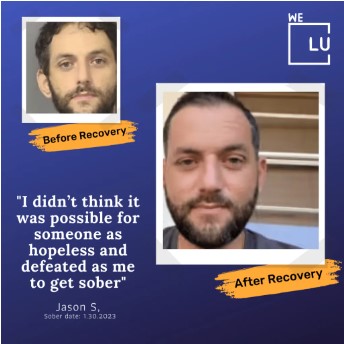
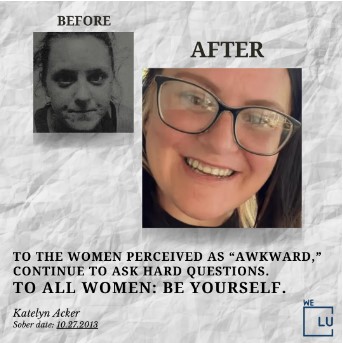
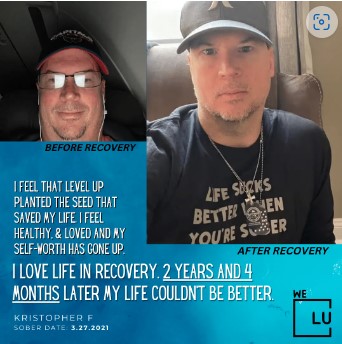
See our authentic success stories. Get inspired. Get the help you deserve.
Start a New Life
Begin with a free call to an addiction & behavioral health treatment advisor. Learn more about our dual-diagnosis programs. The We Level Up Treatment Center Network delivers recovery programs that vary by each treatment facility. Call to learn more.
- Personalized Care
- Caring Accountable Staff
- World-class Amenities
- Licensed & Accredited
- Renowned w/ 100s 5-Star Reviews
We’ll Call You
Search We Level Up Meth Addiction Detox, Treatment Options, Mental Health Topics & Resources
Resources
Methamphetamine Detox, Symptoms, & Treatment – A detailed guide covering the detoxification process, withdrawal symptoms, and treatment options for methamphetamine addiction.
Meth Withdrawal Symptoms, Timeline, Detox & Treatment – An in-depth look at the symptoms and timeline of methamphetamine withdrawal, along with treatment strategies.
Support Groups for Families of Addicts – Resources and support for families affected by addiction, highlighting the importance of community and shared experiences.
What Does Meth Feel Like? Crystal Meth Effects – This article delves into the subjective experience of methamphetamine use, detailing the initial euphoria, increased energy, and heightened alertness users may feel.
How To Sleep On Meth? Signs Of Drug Abuse & Effective Strategies – This resource addresses the challenges meth users face with sleep disturbances and offers guidance on managing these issues.
Sources
[1] Yasaei R, Saadabadi A. Methamphetamine. [Updated 2022 May 8]. In: StatPearls [Internet]. Treasure Island (FL): StatPearls Publishing; 2023 Jan-. Available from: https://www.ncbi.nlm.nih.gov/books/NBK535356/
[2] Karila L, Weinstein A, Aubin HJ, Benyamina A, Reynaud M, Batki SL. Pharmacological approaches to methamphetamine dependence: a focused review. Br J Clin Pharmacol. 2010 Jun;69(6):578-92. DOI: 10.1111/j.1365-2125.2010.03639.x. PMID: 20565449; PMCID: PMC2883750.
[3] Campillo R. My Experience and Recovery from Meth Addiction. Mo Med. 2022 Nov-Dec;119(6):500. PMID: 36588652; PMCID: PMC9762226.
[4] National Highway Traffic Safety Administration – April 2014 (Revised) Drugs and Human Performance Fact Sheets.
[5] Level Up Treatment Lawrenceville – Rehab » Meth Addiction Treatment.
[6] How Long Does Meth Stay In Your System? Meth Drug Test Factors, Crystal Meth Half-life & Treatment – We Level Up Addiction Treatment Center.
[7] National Survey on Drug Use and Health (NSDUH) – Substance Abuse and Mental Health Services Administration.
[8] McKay JR. Impact of Continuing Care on Recovery From Substance Use Disorder. Alcohol Res. 2021 Jan 21;41(1):01. DOI: 10.35946 PMID: 33500871; PMCID: PMC7813220.
[9] Fluyau D, Charlton TE. Drug Addiction. [Updated 2022 Aug 29]. In: StatPearls [Internet]. Treasure Island (FL): StatPearls Publishing; 2022 Jan-. Available from: https://www.ncbi.nlm.nih.gov/books/NBK549783/
[10] Justinova Z, Panlilio LV, Goldberg SR. Drug addiction. Curr Top Behav Neurosci. 2009;1:309-46. DOI: 10.1007/978-3-540-88955-7_13. PMID: 21104390; PMCID: PMC3039293.
[11] Dual Diagnosis Treatment WA