

By We Level Up | Author Alex Evans, PharmD, MBA | Editorial Policy | Research Policy
What are the Best Alcohol Rehab Centers?
Perhaps you’re here seeking information for a friend or family member. Seeing alcohol or other drugs consume the life of someone you love is an awful experience. You have arrived at the right place. Professional alcohol rehab centers are often the only way for someone with a serious alcohol addiction to get help. There are alcohol rehab centers across the country. They offer personalized programs to treat alcoholism, no matter how long it has lasted.
Alcohol treatment programs look at many factors. They consider the person’s age, gender, and how long and severe the addiction is. Many alcohol rehab centers offer various aftercare options and recommendations to help clients maintain sobriety.
Millions of Americans struggle with alcohol use each year, leading to serious physical, mental, and social consequences. It’s important to choose the right alcohol rehab center that meets a person’s needs. Treatment options can vary. In South Florida, the best rehab centers provide care that includes medical detox, therapy, and long-term support. This helps people overcome addiction and rebuild their lives.
Skip To:
Learn More:

Get Your Life Back
Find Hope & Recovery. Get Safe Comfortable Detox, Addiction Rehab & Dual Diagnosis Trused Care.
7/365 Line (844) 597-1011Alcohol and Breastfeeding Key Takeaways
- It aims to inform about what makes a rehab center “great” and how to choose one wisely.
- These centers are presented as having client-first care, dual-diagnosis capacity, evidence-based therapies, and personalized treatment plans.
- The post outlines different levels of care medical detox, inpatient, partial hospitalization, intensive outpatient, outpatient.
- Many centers accept major insurance plans; some may offer sliding scale fees or financing.
Risks, Timelines, and Safer Treatment Options
Recovering from alcohol addiction is a gradual process that depends on several factors, such as how long a person has been drinking, how much they consume, and their overall health. Stopping alcohol suddenly without medical help can cause serious withdrawal symptoms. These can include tremors, anxiety, seizures, and even delirium tremens (DTs). These symptoms can become life-threatening without proper medical supervision.
The medical information on this page is provided for educational purposes only and is not a substitute for professional medical advice, diagnosis, or treatment. If someone is experiencing severe withdrawal symptoms such as confusion, fever, or seizures, call 911 immediately. For emotional support at any time, contact the 988 Suicide and Crisis Lifeline by calling or texting 988. Help is available 24/7.
Top-rated Local Alcohol Rehab Centers in South Florida
We Level Up Fort Lauderdale / Tamarac Rehab Center
Level Up was founded by a dedicated team of professionals specializing in alcohol rehab and substance abuse treatment, with a strong focus on mental health and dual diagnosis care. As one of Fort Lauderdale’s leading rehab centers, it was built to transform the recovery industry through compassion, innovation, and client-centered treatment. The facility prioritizes personalized care to help individuals achieve long-term sobriety and emotional stability. At We Level Up Fort Lauderdale, the staff’s client-first approach ensures that each person receives the support needed to heal from primary mental health challenges while also addressing secondary addictions related to alcohol, drugs, or emotional trauma.
An alcohol rehab centers provides a safe and supportive environment for individuals struggling with alcohol addiction. These centers offer evidence-based treatments, including medical detox, counseling, and therapy programs designed to address both the physical and emotional effects of alcohol use. At an alcohol rehab centers, patients get personalized care. This helps them understand why they became addicted. They also learn healthier ways to cope. The goal is to help them rebuild their lives in recovery. With professional help and organized programs, people get the tools they need to stay sober and feel better overall.
An alcohol rehab centers offers treatment and counseling. It also provides educational workshops and relapse prevention strategies. Family therapy sessions help strengthen support at home. Many centers also integrate holistic approaches such as yoga, meditation, fitness training, and nutrition planning to promote overall wellness during recovery. These programs aim to restore both body and mind, empowering individuals to lead fulfilling, alcohol-free lives.
The Level Up West Palm Beach Rehab Center
We Level Up has a network of treatment centers. They provide a full range of inpatient care, including at the West Palm Beach rehab center. Our teams assist individuals and guide them on the road to recovery through individualized treatment plans. Level Up provides comprehensive, innovative, and compassionate treatment programs for individuals suffering from addiction and co-occurring disorders.
The West Palm Beach addiction center is a special rehab program for drug and alcohol recovery. It uses a team approach to help people heal. The treatment team of addiction professionals includes licensed and certified counselors, board-certified psychiatrists, medical doctors, and a broad range of nurses and nursing assistants. All of whom specialize in addiction, alcoholism, and co-occurring disorders. These highly trained professionals collaborate to guide each patient through diagnoses, individualized treatment plans, and aftercare.
Inpatient residential care at Level Up is a beginning step in the recovery process, a life-long project. In accordance with this perspective, one part of The Level Up Palm Beach rehab’s goal for each individual is to help them develop internalized hope, motivation, and coping skills for recovery, along with providing a concrete plan for continuing care. The Level Up West Palm Beach Addiction Center anticipates anyone associated with the facility to uphold the highest standards of ethics and moral conduct while maintaining a safe environment.

Get Help. Get Better. Get Your Life Back.
Searching for Accredited Drug and Alcohol Rehab Centers Near You?
Even if you have failed previously and relapsed, or are in the middle of a difficult crisis, we stand ready to support you. Our trusted behavioral health specialists will not give up on you. When you feel ready or just want someone to speak to about therapy alternatives to change your life call us. Even if we cannot assist you, we will lead you to wherever you can get support. There is no obligation. Call our hotline today.
(844) 597-1011The Science-Based Evidence on Alcohol and Rehab Centers Studies
Drinking too much alcohol can harm brain chemistry and damage organs. It can also lead to dependency, affecting both physical and emotional health. Long-term alcohol abuse increases the risk of liver disease, heart problems, depression, and cognitive decline. The withdrawal process can be risky. It often needs medical supervision to avoid serious symptoms like seizures or delirium tremens (DTs).
How We Level Up Turns Research Into Real Recovery
At We Level Up, we believe that effective recovery begins with understanding the science behind addiction. Our approach combines evidence-based treatments, medical detox, and behavioral therapies proven to help individuals overcome alcohol dependence. We integrate the latest research on how alcohol impacts the brain and body to guide every step of your care.
| Study | Treatment Implications | Insights for Patients |
|---|---|---|
| Meta-analysis of naltrexone and acamprosate for treating alcohol dependence. Maisel et al., 2012, PMC View Study. | Both medications show small-to-moderate benefits effect sizes vary by outcome, abstinence vs. reduced drinks. Combining medication with behavioural treatments produces better outcomes than either alone. | If you’ve had past attempts that failed, medication and counseling may improve your chances. Ask your provider about expected benefits and what monitoring (liver tests, follow-ups) will be done. |
The efficacy of acamprosate and naltrexone in alcohol dependent patients systematic review. Donoghue et al., 2015 View Study. | Confirms that both acamprosate and naltrexone reduce relapse risk choice depends on patient profile, medical comorbidity, hepatic function, breastfeeding/pregnancy considerations. Clinics should screen medically before prescribing and arrange follow-up for adherence. | Ask if you are a candidate. Naltrexone is often chosen when cravings or pleasure lead to relapse. Acamprosate may be used when the main goal is to stay sober. Discuss the medical tests required before starting. |
VA/DoD Clinical Practice Guideline Management of Substance Use Disorders (2021) View Guideline. | It suggests using a mix of proven behavioral treatments and medications. Treatment plans should be tailored to each person. Care should follow a step-by-step approach like outpatient, intensive outpatient, residential, and inpatient. This should depend on the severity and risk of the situation. Emphasizes measurement-based care and relapse prevention planning | Ask your rehab about personalized treatment plans, how they will measure your progress, available medications, and clear aftercare plans. This includes appointments and support groups |
What This Means for Your Care at We Level Up
Studies show that alcohol addiction is not just about willpower and that alcohol rehab centers can provide the support needed for recovery. It is a long-term condition that changes how your brain works. The good news? Research also shows that recovery is absolutely possible with the right combination of medical and psychological support. At We Level Up, you will get medical detox, therapy designed for you, and science-based relapse prevention strategies.
Level Up Lake Worth, FL Rehab & Alcohol Rehab Centers
Level Up Lake Worth, Florida, is a top alcohol rehab centers. It offers complete programs for substance use disorders. These programs combine medical care with kindness. As part of the We Level Up rehab centers network, it offers proven treatment for drug and alcohol addiction. It also helps with mental health issues that happen at the same time. Their skilled clinical team includes many with Master’s and Doctoral degrees. They create personalized treatment plans for each client. These plans focus on therapy, coping skills, and family involvement.
The staff knows that addiction impacts both individuals and their families. They work closely with families to support healing and lasting recovery. From the first call to admission and beyond, Level Up Lake Worth is dedicated to offering hope. They build strong foundations for sobriety and maintain lifelong connections through their supportive alumni program
Dos & Don’ts: Alcohol Use During Breastfeeding Quick Guide
This quick guide highlights the essential dos and don’ts to follow in a recovery treatment facility. Stay committed to your healing by being honest, respectful, and actively participating in therapy and group sessions. Practice self-care and reach out for help when needed. Avoid bringing substances, engaging in disruptive behavior, or skipping sessions. Following these simple guidelines helps create a safe, supportive, and healing environment for everyone on their recovery journey.
✅ DOs
- Follow the rules and schedule. Respect daily routines such as therapy sessions, group meetings, meals, and curfews.
- Be honest and open. Share your feelings, struggles, and progress truthfully during counseling or group discussions.
- Respect staff and fellow clients. Treat everyone with kindness, empathy, and understanding this builds a supportive community.
- Participate actively. Engage in therapy, workshops, and recovery programs to get the most out of treatment.
- Maintain confidentiality. What is shared in sessions stays private to protect everyone’s safety and trust.
- Practice self-care. Focus on good nutrition, rest, exercise, and mindfulness activities to support your recovery.
- Ask for help when needed. Staff are trained to assist and never hesitate to reach out if you feel overwhelmed or tempted.
- Comply with medical and treatment plans. Take prescribed medications as directed and attend all check-ups and therapy appointments.
🚫 DON’Ts
- Do not bring alcohol, drugs, or prohibited items. Substance possession or use can lead to immediate dismissal from the program.
- Avoid romantic or sexual relationships. These can distract from your recovery and complicate group dynamics.
- Do not skip sessions or meetings. Missing therapy undermines your progress and that of your peers.
- Don’t engage in aggressive or disruptive behavior. Physical or verbal abuse, bullying, or intimidation is strictly prohibited.
- Do not leave the facility without permission. Unauthorized absences can jeopardize safety and treatment effectiveness.
- Avoid negative talk or gossip. Maintain a positive and encouraging atmosphere for everyone in recovery.
- Don’t hide relapses or cravings. Be transparent honesty helps staff provide timely support and prevent setbacks.
- Do not misuse medications. Taking more than prescribed or sharing medicine is considered a serious violation.

Patient Stories
These examples reflect illustrative patient experiences. Names and details have been altered for privacy purposes.
- “M., 36 — Breaking Free from Daily Drinking”
M. started drinking heavily after work to manage stress, thinking it helped him unwind. Over time, alcohol became a daily habit, leading to severe withdrawal symptoms and strained relationships. After entering an inpatient alcohol rehab program, M. received medical detox, individual counseling, and relapse prevention therapy.
“I thought I could stop anytime, but I couldn’t until I had real support “Rehab helped me rebuild my confidence and my life.” M. said. - “T., 45 — Finding Strength After Relapse”
T. had been sober for almost a year before a stressful life event triggered a relapse. Feeling hopeless, she decided to return to treatment at We Level Up. With support from a caring clinical team, family therapy, and wellness programs, T. found stability. T. also learned to manage triggers better.
“Recovery isn’t a straight line. The staff helped me see that relapse isn’t failure—it’s a chance to grow stronger,” she shared. - “E., 29 — Healing the Mind and Body”
Years of heavy drinking left E. struggling with anxiety, fatigue, and liver issues. Through We Level Up’s dual-diagnosis treatment, E. received both mental health care and medical attention. Holistic therapies, including mindfulness and nutrition counseling, helped restore balance.
“I finally feel healthy—physically and emotionally. Treatment taught me that real recovery means caring for your whole self,” E. reflected.
First-class Facilities & Amenities
Trusted Integrated Addiction & Mental Health Rehabilitation Treatment
Rehab Centers TourEstablished Addiction Centers. Serene Private Facilities. Inpatient rehab programs vary.
Addiction Helpline (844) 597-1011Comprehensive recovery success experience, backed by a Team w/ History of:
15+
Years of Unified Experience
100s
5-Star Reviews Across Our Centers
10K
Recovery Success Stories Across Our Network
- Low Patient to Therapist Ratio
- Onsite Medical Detox Center
- Comprehensive Dual-Diagnosis Treatment
- Complimentary Family & Alumni Programs
- Alumni Coaching, Recovery & Personal Development Events

Alcohol Treatment Options & Medications
You will see different types of care at various alcohol rehab centers. They offer different treatment options for alcoholism. A doctor, substance abuse therapist, or counselor should help you and your loved one choose the type of treatment that’s right for you.
Types of Alcohol Rehab Centers Programs
- Medical Detox
- Inpatient Treatment
- Partial Hospitalization Program
- Intensive Outpatient Treatment
- Outpatient treatment
Alcohol Rehab Centers Treatment Medications
Some medications used in alcohol rehab programs include prescription drugs. These drugs help reduce cravings for alcohol. They also minimize withdrawal symptoms. Some can cause negative effects if alcohol is consumed. These medications include:
- Acamprosate – May reduce alcohol cravings and withdrawal symptoms
- Naltrexone – May reduce cravings for alcohol
- Disulfiram – May produce undesirable effects such as headaches, nausea, or vomiting when alcohol is consumed.
Specialized, Accredited, 5-Star Reviewed, Evidence-based Addiction & Mental Health Programs. Complete Behavioral Health Inpatient Rehab, Detox plus Co-occuring Disorders Therapy.
CALL(844) 597-1011End the Addiction Pain. End the Emotional Rollercoaster. Get Your Life Back. Start Drug, Alcohol & Dual Diagnosis Mental Health Treatment Now. Get Free, No-obligation Guidance by Substance Abuse Specialists Who Understand Addiction & Mental Health Recovery & Know How to Help.
How to Decide on a Course of Alcohol Rehab Centers Treatment
Alcohol rehab centers provide standardized treatments for all patients, regardless of age, gender, psychiatric history, or other demographics. Today, alcohol rehab centers are more specialized. They meet the needs of a diverse group of patients. As a result, choosing a course of treatment has become more complicated. Still, the results of careful research are likely to be more successful and more satisfying to the individual.
Top 5 Frequently Asked Questions (FAQ) on Alcohol and Rehab Centers
What is an alcohol rehab center, and how does it help with recovery?
It provides structured, evidence-based programs to assist individuals struggling with alcohol use disorder (AUD). Services often include medical detox, individual and group therapy, medication-assisted treatment, co-occurring mental health services, aftercare planning, and relapse prevention strategies. These programs offer a safe, supervised environment where patients can stabilize, heal, and build lasting coping skills.
How do I choose the best alcohol rehab center for my needs?
Choosing the right will depend on a few important factors. These include accreditation and licensing. You should also consider the qualifications of the clinical staff. Finally, look at the types of treatment programs offered, like inpatient, outpatient, or partial hospitalization. It’s also important to find facilities that treat both mental health disorders and substance use. They should accept your insurance and offer aftercare support. Patient testimonials and transparent program information are good signs of a reputable center.
What is the difference between inpatient, outpatient, and intensive outpatient programs?
Inpatient or residential rehab involves staying at the facility full-time in a highly structured environment. Intensive outpatient programs (IOP) or partial hospitalization let patients live at home or in sober-living housing. They can attend therapy and support sessions several times a week. Standard outpatient programs provide more flexibility. This lets patients keep up with their daily lives while attending therapy regularly. The appropriate level of care depends on the severity of addiction and available support systems
Are there medications that support alcohol recovery?
Yes. Certain FDA-approved medications can help manage withdrawal symptoms or reduce cravings. Naltrexone decreases the rewarding effects of alcohol, Acamprosate stabilizes brain chemistry after detox, and Disulfiram causes unpleasant effects if alcohol is consumed. These medications work best when a qualified doctor prescribes and monitors them as part of a complete treatment plan.
How much does alcohol rehab cost, and does insurance cover it?
The cost of alcohol rehab varies depending on the type of program, duration, location, and level of care. Inpatient programs generally cost more due to round-the-clock care, while outpatient options are usually less expensive. Many rehab centers accept major health insurance plans and may offer sliding-scale payment options or financing assistance. Always confirm insurance coverage directly with the facility before admission.
Experience Transformative Recovery at We Level Up Treatment Centers.
See our authentic success stories. Get inspired. Get the help you deserve.
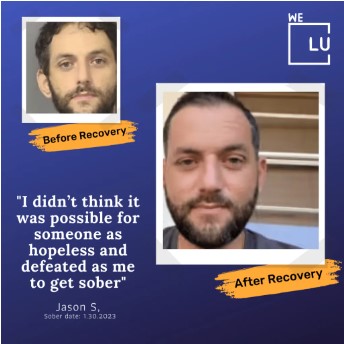
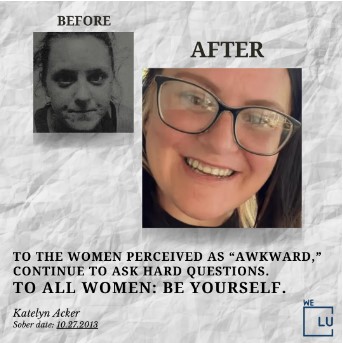
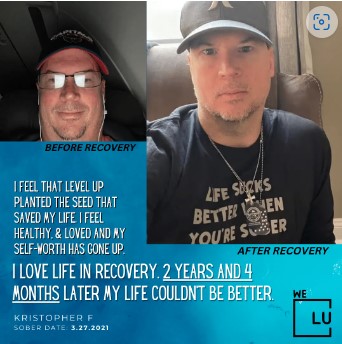
Start a New Life
Begin with a free call to an addiction & behavioral health treatment advisor. Learn more about our dual-diagnosis programs. The We Level Up Treatment Center Network delivers recovery programs that vary by each treatment facility. Call to learn more.
- Personalized Care
- Caring Accountable Staff
- World-class Amenities
- Licensed & Accredited
- Renowned w/ 100s 5-Star Reviews
We’ll Call You
Resources
Inpatient Alcohol Rehab Centers – Explains what inpatient alcohol rehab involves, including 24/7 medical care, structured treatment, and long-term recovery plans.
Outpatient Alcohol Rehab Programs – Covers flexible treatment options allowing patients to receive therapy and support while continuing their daily lives.
Alcohol Addiction Treatment Overview – Provides comprehensive insights into different types of alcohol addiction programs and recovery approaches.
Accredited Rehab and Treatment Services – Discusses We Level Up’s accreditations, quality standards, and commitment to professional care.
Rehab Centers Near Me – Helps readers locate nearby We Level Up rehab facilities, providing local access to addiction treatment services.
Florida Alcohol Rehab Centers – Offers information about treatment programs and recovery services available within Florida.
California Alcohol Rehab Centers – Discusses specialized programs and recovery options for residents in California, including Murrieta and Morgan Hill.
New Jersey Alcohol Rehab Center – Highlights services offered in Upper Saddle River, NJ, focusing on alcohol and substance use treatment.
Sources
[1] SAMHSA – https://www.samhsa.gov/data/sites/default/files/cbhsq-reports/NSDUHNationalFindingsReport2018/NSDUHNationalFindingsReport2018.pdf