Inhalant abuse is more common than most people think. People misuse many home products to get high. The inhalant abuse signs are easy to miss at first.
Families often do not notice until real harm has already been done. This problem hits young people the hardest. Kids as young as six have tried abusing inhalants.
Death can happen on the first use. Inhalant use disorder is a serious condition that needs real medical care. Getting help early makes a big difference in recovery outcomes.
We Level Up Treatment Centers give safe, hands-on treatment for inhalant abuse. Our team is here day and night.

Inhalant Abuse Signs to Watch For
Catching inhalant abuse signs early can save a life. Some signs appear on the body. Others appear in how a person behaves. Here are the key warning signs to know.
Physical inhalant abuse signs:
- Red or runny eyes and nose.
- A drunk, dazed, or dizzy look.
- Slurred speech that sounds unclear.
- Stains on the face, hands, or clothes.
- Sores or spots around the nose or mouth.
- Chemical smell on the breath, skin, or clothes.
- Nosebleeds.
- Feeling sick or losing interest in food.
- Muscle weakness or trouble moving properly.
Behavioral inhalant abuse signs:
- Feeling anxious, jumpy, grumpy, or sad.
- Trouble focusing or staying on task.
- Dropping out of school, work, or time with friends.
- Strong urges to use inhalants when not using.
- Empty spray paint cans or solvent bottles hidden away.
If you notice these inhalant abuse signs in someone you love, reach out for help now. Call +(954) 475-6031 to speak with a treatment specialist right away.
Get Your Life Back
Find Hope & Recovery. Get Safe Comfortable Detox, Addiction Rehab & Dual Diagnosis Trused Care.
7/365 Line (844) 597-1011Inhalant Abuse Statistics
The inhalant abuse statistics show just how serious this problem is. Millions of Americans have been affected by inhalant use disorder.
22.9 million Americans have tried inhalants at some point in their lives. Around 593,000 teens aged 12 to 17 use them every year. One in five eighth graders has tried them.
Inhalants ranked as the most misused substance among 12 and 13 year olds. The most common age to start using is just 14. Boys make up 73.5 percent of inhalant users.
One of the most alarming inhalant abuse statistics involves sudden sniffing death syndrome. Twenty-two percent of sudden sniffing death syndrome victims had never used inhalants before. No level of inhalant use is safe.
History of Inhalant Abuse
The history of inhalant abuse goes back many years. People have misused common home chemicals for a long time.
Teens in the US misused more than 3,400 different products over a 15-year period. The list of commonly abused inhalants keeps growing.
The most misused products include aerosol sprays, spray paints, and gasoline. People also commonly abuse hair sprays, glue, lighter fluid, and laughing gas.
Inhalants have caused serious harm across all age groups. In one study of over 35,000 cases, 208 people died. More than 1,000 others developed life-threatening or lasting health problems.
Only 25 percent of cases had no lasting effects. The history of inhalant abuse makes clear that this danger has been around for decades. Awareness and early action save lives.
Get Help. Get Better. Get Your Life Back.
Searching for Accredited Drug and Alcohol Rehab Centers Near You?
Even if you have failed previously and relapsed, or are in the middle of a difficult crisis, we stand ready to support you. Our trusted behavioral health specialists will not give up on you. When you feel ready or just want someone to speak to about therapy alternatives to change your life call us. Even if we cannot assist you, we will lead you to wherever you can get support. There is no obligation. Call our hotline today.
(844) 597-1011Why Choose We Level Up for Inhalant Abuse Treatment
We Level Up gives round-the-clock care for people dealing with inhalant abuse and substance use disorder. Our team includes doctors, nurses, and licensed counselors. Everyone works together to keep each person safe.
Our treatment programs pair medical care with proven therapy. Mental health care runs alongside physical recovery from day one.
We also support families affected by inhalant abuse. Family therapy helps rebuild trust and healthy communication. Our programs cover every part of recovery.
Call +(954) 475-6031 today. Our team will walk you through your options. Insurance checks are free.
What to Expect During Inhalant Abuse Treatment
Treatment starts with a full health check. Our team reviews medical history, substance use history, and current symptoms. This helps build the right care plan for each person.
Medical care comes next. Doctors check vital signs and watch for health problems. Medicines may reduce withdrawal symptoms and keep the body safe.
Inhalants can damage the brain, kidneys, liver, and nerves in serious ways. Muscle weakness is also a common side effect of long-term use. Our team checks for these issues throughout treatment.
Therapy starts as soon as the person feels stable. Talk therapy helps people understand why they started using inhalants. Group sessions and one-on-one counseling build lasting coping skills.
Inhalant Abuse Treatment Options
Many proven approaches support inhalant abuse treatment. Here is what people go through in a full treatment program.
- Talk therapy (CBT) helps people find and change harmful thought patterns. Therapists widely use this approach across all addiction treatment programs.
- DBT therapy teaches people how to handle strong emotions. This works well for people who use substances to deal with hard feelings.
- Group therapy brings people together in a safe setting. Shared stories build connection and support among inhalant users in recovery.
- Family therapy looks at how inhalant abuse affects the whole family. It helps rebuild trust and improve communication between family members.
- 12-step programs connect people with a peer support network. Groups like Narcotics Anonymous help people stay on track long after leaving treatment programs.
- Inpatient care gives people a safe, structured place away from triggers. This works best for people with serious substance use disorder.
- Outpatient care suits people with less severe cases. They attend sessions during the day and return home in the evening.
First-class Facilities & Amenities
Trusted Integrated Addiction & Mental Health Rehabilitation Treatment
Rehab Centers TourEstablished Addiction Centers. Serene Private Facilities. Inpatient rehab programs vary.
Addiction Helpline (844) 597-1011Comprehensive recovery success experience, backed by a Team w/ History of:
15+
Years of Unified Experience
100s
5-Star Reviews Across Our Centers
10K
Recovery Success Stories Across Our Network
- Low Patient to Therapist Ratio
- Onsite Medical Detox Center
- Comprehensive Dual-Diagnosis Treatment
- Complimentary Family & Alumni Programs
- Alumni Coaching, Recovery & Personal Development Events
Benefits of Inhalant Abuse Treatment at We Level Up
Getting proper care after spotting inhalant abuse signs makes a real difference. Here is what professional treatment provides:
- Around-the-clock medical care during the most dangerous stages.
- Medicine to reduce withdrawal symptoms and protect the body.
- Mental health care running alongside physical recovery.
- A safe, structured space free from substances.
- Therapy that gets to the root cause of inhalant abuse.
- A full relapse prevention plan built before leaving treatment.
Each of these steps lowers the risk of going back to using. Getting proper support reduces the physical danger of going through recovery alone.
FAQs About Inhalant Abuse Signs
What Are the Most Common Inhalant Abuse Signs?
The most common inhalant abuse signs include a chemical smell on the breath or clothes. Red or runny eyes and slurred speech are also key signs. A drunk or dazed look points to a problem too.
Sores around the nose or mouth are another warning sign. Changes in behavior like skipping school or hiding empty spray paint cans are red flags. Catching these inhalant abuse signs early gives the best chance of getting someone help before serious harm occurs.
What Does Inhalant Abuse Refer to as Mean?
Researchers and doctors use several terms for inhalant abuse. The most common ones are huffing, sniffing, and bagging. Clinical terms include solvent abuse and volatile substance abuse.
Huffing ranks as the most widely known term. Knowing these terms helps parents, teachers, and counselors recognize when someone may be discussing inhalant use. Early recognition leads to earlier help.
What Do the Inhalant Abuse Statistics Show About Teens?
The inhalant abuse statistics show that teens face the highest risk. One in five eighth graders has tried inhalants. Around 593,000 teens aged 12 to 17 use them every year.
The most common starting age is just 14. Inhalants ranked as the most misused substance among 12 and 13 year olds in 2007. These inhalant abuse statistics show that early education is key to keeping young people safe.
What Is the History of Inhalant Abuse in the United States?
The history of inhalant abuse in the United States goes back many decades. Teens have misused common home products to get high for a long time. Teens in the US misused more than 3,400 different products over a 15-year period.
Commonly abused inhalants include aerosol sprays, spray paints, and gasoline. Butane, lighter fluid, and hair sprays caused some of the highest death rates. The history of inhalant abuse shows that this danger has been present for generations.
How Dangerous Is Inhalant Abuse on the First Use?
Inhalant abuse can cause death on the first use. Twenty-two percent of sudden sniffing death syndrome victims had never used before. Chemicals from abusing inhalants cause the heart to beat too fast and out of rhythm.
Death can happen in minutes. Sudden sniffing death syndrome can strike anyone, even first-time users. No level of inhalant use is safe. Anyone showing inhalant abuse signs needs help right away.
What Inhalant Abuse Treatment Options Are Available?
Several inhalant abuse treatment options exist for people at different stages of recovery. Talk therapy helps people change harmful thought patterns. Group therapy builds connection and shared support.
Family therapy helps repair relationships hurt by addiction. Inpatient care works best for serious cases of inhalant use disorder. Outpatient care suits people with less severe needs. The right level of care depends on the person and how long they have been abusing inhalants.
Can Inhalant Abuse Cause Lasting Damage?
Yes. Abusing inhalants can cause serious, lasting harm to the brain, liver, kidneys, and nerves. Muscle weakness and memory loss are common long-term effects. Hearing loss and loss of balance can also develop over time.
In a study of over 35,000 cases, more than 1,000 people developed life-threatening or lasting health problems. Getting treatment as soon as inhalant abuse signs appear gives the best chance of limiting that damage. Early care always leads to better outcomes.
What Should a Parent Do After Spotting Inhalant Abuse Signs?
A parent who spots inhalant abuse signs should act right away. Stay calm and avoid arguments. Reach out to a treatment specialist who can guide the next steps.
Parents can find clear steps on what to do when they notice inhalant abuse signs in their child in guides made for families. Getting professional support makes the process safer. It also takes some of the pressure off parents trying to help alone.
How to Get Started with Inhalant Abuse Treatment
Waiting to get help makes inhalant use disorder harder to treat. Getting help early leads to safer outcomes. It also gives a stronger start in recovery.
A specialist at We Level Up will review your situation. They will walk you through the right treatment options for your case. They will also check your insurance at no cost.
Taking that first step toward recovery starts with one call. Call +(954) 475-6031 now to book a free assessment. Our team is here day and night. Safe, supervised care is where lasting recovery begins.
Experience Transformative Recovery at We Level Up Treatment Centers.
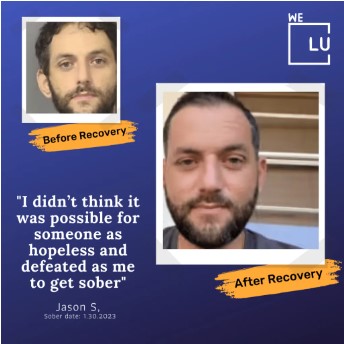
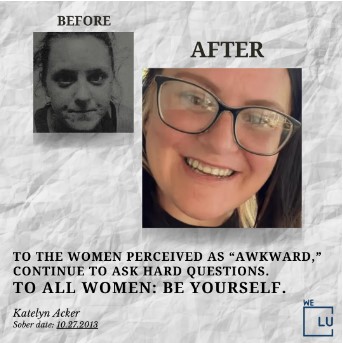
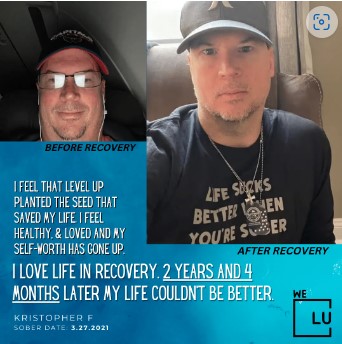
See our authentic success stories. Get inspired. Get the help you deserve.
Start a New Life
Begin with a free call to an addiction & behavioral health treatment advisor. Learn more about our dual-diagnosis programs. The We Level Up Treatment Center Network delivers recovery programs that vary by each treatment facility. Call to learn more.
- Personalized Care
- Caring Accountable Staff
- World-class Amenities
- Licensed & Accredited
- Renowned w/ 100s 5-Star Reviews
We’ll Call You