Ritalin changes brain chemicals that help people focus and stay alert each day. It works on dopamine and norepinephrine in the brain. These chemicals help control attention, learning, and behavior. Ritalin can help people focus better when used as prescribed by a doctor.
The brain uses chemical signals to send messages every day. Ritalin helps these signals stay active longer. This can make it easier to finish tasks and stay organized. Some people feel more focused and calm during daily activities.
Ritalin may also affect mood, sleep, and appetite in some people. It is important to use it only with medical guidance. Doctors check progress to keep treatment safe and effective. Understanding Ritalin helps people make safer health choices every day.
Table of Contents

Get Your Life Back
Find Hope & Recovery. Get Safe Comfortable Detox, Addiction Rehab & Dual Diagnosis Trused Care.
7/365 Line (844) 597-1011What Is Ritalin?
Ritalin is a medicine that changes how the brain works and supports attention and focus daily. Doctors may give Ritalin to help people with attention problems, focus issues, and behavioral control needs. It works on brain chemicals called dopamine and norepinephrine that help control attention, mood, and behavior. These chemicals help people stay organized, complete tasks, and manage daily responsibilities with better focus overall.
Ritalin helps brain cells send messages more clearly so the brain can work more efficiently. This can improve attention, focus, and thinking skills during school, work, and daily life activities. Many people notice better control, fewer distractions, and improved task completion while using this medicine. The effects of Ritalin usually last for several hours after taking the prescribed daily dose.
The National Institute of Mental Health explains that attention problems affect brain function and behavioral control systems. Ritalin helps support brain areas linked to focus, learning, memory, and self-control in daily life. It does not cure brain conditions but helps manage symptoms when used under a doctor’s careful supervision. Doctors monitor patients closely to ensure safe use, proper dosing, and effective long-term treatment outcomes.
Signs Ritalin May Be Affecting the Brain
Common signs include:
- Feeling nervous often
- Trouble sleeping
- Mood changes
- Feeling anxious
- Appetite loss
- Weight loss
- Trouble focusing
- Needing more medication
These signs may show brain or health problems. Symptoms may become worse over time. Medical support can help identify the cause. Call +(954) 475-6031 or email verifyadmissions@welevelup.com for confidential help today.
Facts About Ritalin (Methylphenidate)
Facts About Ritalin (Methylphenidate)
Generic Name: methylphenidate (oral) [ METH-il-FEN-i-date ]
Brand Names: Ritalin tablets, Ritalin LA capsules
Drug Class: CNS stimulants
Ritalin is a Schedule II substance under the Controlled Substances Act. Schedule II drugs, which include cocaine and methamphetamine, have a high potential for abuse. [1]
Ritalin Warnings
Ritalin may be habit-forming. Tell your doctor if you have a history of drug or alcohol addiction. Keep the medication where others cannot get to it. Misuse of Ritalin can cause addiction, overdose, or death. Tell your doctor if you have had problems with drug or alcohol abuse. Stimulants have caused stroke, heart attack, and sudden death in people with high blood pressure, heart disease, or a heart defect.
Ritalin Fast Facts Shared by the National Drug Intelligence Center, Publicly Made Available for Substance Use Disorder Awareness
10.3 MIllion
Among people aged 12 or older in 2020, 3.7% (or 10.3 million people) misused central nervous system (CNS) stimulants in the past year.
Source: SAMHSA
1.2 out of 100
Withdrawal from methylphenidate (Ritalin) due to serious adverse events occurred in about 1.2 out of 100 patients treated with methylphenidate.
Source: NCBI
16.1 MIllion
The 16.1 million people in 2020 who misused prescription psychotherapeutic drugs in the past year included 9.3 million people who misused prescription pain relievers, 6.2 million people who misused prescription tranquilizers or sedatives, and 5.1 million people who misused prescription stimulants. [3]
Source: SAMHSA
Get Help. Get Better. Get Your Life Back.
Searching for Accredited Drug and Alcohol Rehab Centers Near You?
Even if you have failed previously and relapsed, or are in the middle of a difficult crisis, we stand ready to support you. Our trusted behavioral health specialists will not give up on you. When you feel ready or just want someone to speak to about therapy alternatives to change your life call us. Even if we cannot assist you, we will lead you to wherever you can get support. There is no obligation. Call our hotline today.
(844) 597-1011
What Does Ritalin Do to the Brain?
What Ritalin does to the brain is linked to changes in key brain chemicals. It increases dopamine and norepinephrine levels inside the brain. These chemicals control focus, learning, and behavior. Higher levels help brain cells send stronger signals.
Dopamine affects motivation and reward in the brain. Norepinephrine affects alertness and attention. Together, they help people stay focused and complete tasks. Ritalin keeps these chemicals active longer than normal.
This effect can improve attention in some people. But it can also change mood and energy levels. Some people feel calm, while others feel nervous or restless. These effects depend on brain chemistry and dosage.
How Does Ritalin Change Brain Chemistry?
Ritalin raises dopamine and norepinephrine levels inside the brain, which help with attention, focus, and learning. These brain chemicals support memory, motivation, and clear thinking during daily tasks and activities. Higher levels help brain cells communicate more effectively, improving overall mental processing and response speed. Ritalin helps these chemicals stay active longer, which can improve attention and task completion.
Dopamine helps people feel motivated, interested, and engaged in activities and important daily responsibilities. Norepinephrine helps people stay alert, focused, and ready to respond to information and tasks. Together, these chemicals support thinking, learning, decision-making, and emotional control in everyday situations. Ritalin helps balance these brain systems to improve focus and reduce distractions during activities.
Each person responds differently to Ritalin depending on brain chemistry, health, and treatment conditions. Some people notice improved focus and attention quickly after starting prescribed medication treatment plans. Others may experience smaller changes that develop slowly over time with continued medical supervision. Doctors monitor progress carefully and adjust treatment to ensure safety, effectiveness, and better outcomes.
First-class Facilities & Amenities
Trusted Integrated Addiction & Mental Health Rehabilitation Treatment
Rehab Centers TourEstablished Addiction Centers. Serene Private Facilities. Inpatient rehab programs vary.
Addiction Helpline (844) 597-1011Comprehensive recovery success experience, backed by a Team w/ History of:
15+
Years of Unified Experience
100s
5-Star Reviews Across Our Centers
10K
Recovery Success Stories Across Our Network
- Low Patient to Therapist Ratio
- Onsite Medical Detox Center
- Comprehensive Dual-Diagnosis Treatment
- Complimentary Family & Alumni Programs
- Alumni Coaching, Recovery & Personal Development Events
Ritalin Ingredients and How They Work
Ritalin ingredients include methylphenidate as the active compound. This substance changes how dopamine and norepinephrine are processed in the brain. It does not add chemicals but changes how the brain uses them. Inactive ingredients help the medicine work in tablet form.
These do not affect the brain directly but support delivery. The active ingredient is what changes brain activity and focus. Doctors choose doses carefully based on health needs. Too much can increase side effects. Safe use helps reduce risks and improve results.
Long-Term Side Effects of Ritalin
Doctors are still studying how Ritalin affects the brain over long periods of time. Many people use Ritalin safely when a doctor watches their treatment closely. Some people may have sleep problems, less appetite, or mood changes over time. These effects can depend on the dose and how long the medicine is used.
Some people may build tolerance after using Ritalin for a long time. This means the same dose may stop working as well as before. Doctors may change the dose or plan to help keep treatment safe. Regular checkups help doctors watch for sleep, mood, and appetite changes.
Misusing Ritalin can affect the brain’s reward system and dopamine levels. Taking too much can stress the brain and body in harmful ways. This can raise the risk of dependence and addiction over time. People may need medical help to stop using it safely.
Specialized, Accredited, 5-Star Reviewed, Evidence-based Addiction & Mental Health Programs. Complete Behavioral Health Inpatient Rehab, Detox plus Co-occuring Disorders Therapy.
CALL(844) 597-1011End the Addiction Pain. End the Emotional Rollercoaster. Get Your Life Back. Start Drug, Alcohol & Dual Diagnosis Mental Health Treatment Now. Get Free, No-obligation Guidance by Substance Abuse Specialists Who Understand Addiction & Mental Health Recovery & Know How to Help.
Ritalin Emotional Side Effects
Ritalin’s emotional side effects can include mood swings or anxiety. Some people feel calmer and more focused. Others may feel irritated or emotional. These changes depend on dose and brain response. Emotional effects may appear during early treatment. They may also change over time. Doctors track emotional health during treatment. Adjustments help reduce unwanted side effects.
Can Ritalin Affect Emotions and Behavior?
Ritalin can affect mood and emotional responses in different ways depending on the person using it. Some people feel calmer, more focused, and better able to control attention during daily activities. Others may feel nervous, anxious, or have changes in mood during treatment or medication use. Effects can vary widely from person to person based on health, dose, and brain chemistry.
Better focus can help people make clearer choices and complete daily tasks more effectively. Many people find it easier to finish school, work, and home responsibilities with improved attention. Learning, memory, and organization may improve when attention becomes more stable and consistent overall. Misuse of Ritalin can increase health risks, side effects, and emotional or behavioral problems.
Behavior changes may happen during treatment depending on how the brain responds to medication use. Some people feel more organized, productive, and able to manage daily responsibilities and tasks. Others may experience restlessness, irritability, or unwanted mood changes during treatment periods. Doctors monitor behavior closely to keep treatment safe and adjust care when needed.
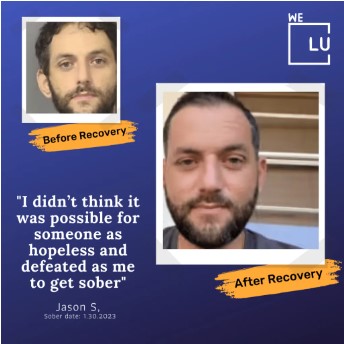
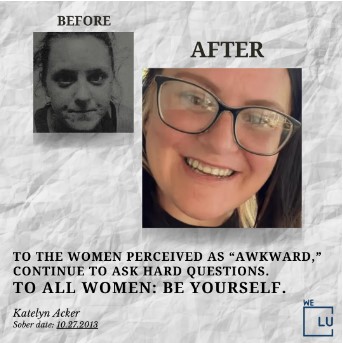
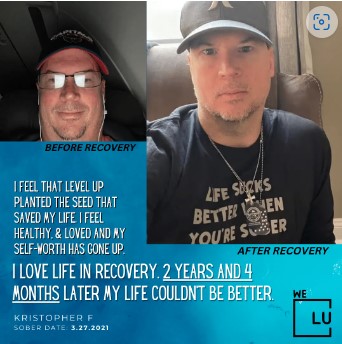
Experience Transformative Recovery at We Level Up Treatment Centers.
See our authentic success stories. Get inspired. Get the help you deserve.
Start a New Life
Begin with a free call to an addiction & behavioral health treatment advisor. Learn more about our dual-diagnosis programs. The We Level Up Treatment Center Network delivers recovery programs that vary by each treatment facility. Call to learn more.
- Personalized Care
- Caring Accountable Staff
- World-class Amenities
- Licensed & Accredited
- Renowned w/ 100s 5-Star Reviews
We’ll Call You
Why Choose We Level Up for Ritalin Recovery Support?
We Level Up helps people who struggle with Ritalin misuse and dependence every day. Our team understands how stimulant medicines change the brain and daily behavior. We provide safe care, support, and guidance during the recovery process. Each treatment plan is made for the person’s needs and health goals.
Patients get therapy, medical care, and emotional support during treatment and recovery. Our team teaches simple skills to handle stress, cravings, and daily problems. We also help people learn ways to avoid relapse after treatment ends. Professional support helps people feel safer and more stable during recovery.
Care is given in a safe place where healing and recovery can happen. Patients receive help at every step of their treatment and recovery journey. Our goal is to improve health, stability, and daily life functioning. Support is available whenever a person is ready to start recovery.
Help is always available for people who want to begin treatment today. We listen, guide, and support each person with respect and care. Recovery can take time, but support makes the process easier and safer. Call +(954) 475-6031 or email verifyadmissions@welevelup.com anytime for confidential help and support options.
What to Expect During Ritalin Recovery Treatment?
Treatment starts with a simple health check by doctors. They review symptoms, history, and Ritalin use carefully. Doctors study each person’s symptoms and medical history. This helps build a safe and clear plan. Each person receives care that matches their needs. Support is given step by step during recovery. This helps patients feel safe, supported, and understood during every part of treatment and recovery.
Some people need medical help when withdrawal begins. The body and brain adjust after stopping Ritalin use. Doctors watch symptoms closely and give support when needed. This helps keep patients safe and calm. Care reduces discomfort and helps manage withdrawal symptoms safely during early recovery and healing stages. The brain slowly begins healing as it adjusts to functioning without the medicine over time.
Therapy helps people understand how drug use affects behavior, thoughts, and daily decision-making skills. Patients learn simple coping skills to handle stress, cravings, and emotional challenges in daily life. Recovery planning helps prevent relapse by teaching healthy routines and daily structure for stability. Ongoing support helps people stay strong and improve long-term recovery success and health.
Benefits of Ritalin Recovery Support
Treatment may help people experience:
- Better emotional health
- Better sleep
- Less dependence
- Better focus
- Healthier habits
- Lower relapse risk
- Improved daily life
- Stronger coping skills
Recovery can improve physical and mental health. Support helps people rebuild confidence. Treatment encourages healthy lifestyle changes. Long-term recovery is possible with help.
FAQs About Ritalin and the Brain
What does Ritalin do to the brain?
Ritalin changes brain chemicals called dopamine and norepinephrine. These chemicals help control focus, attention, and behavior. It helps brain cells send messages more clearly. This can improve focus in some people when used as prescribed by a doctor.
Can Ritalin change brain chemistry long term?
Ritalin can affect brain chemistry while it is being used. Some people may notice sleep, mood, or appetite changes over time. Long-term effects are still being studied by researchers. Doctors monitor use to help keep the brain and body safe.
Is Ritalin safe for the brain?
Ritalin can be safe when used under a doctor’s care. It is prescribed to help manage attention and focus problems. Misuse or taking too much can harm the brain. Medical supervision helps reduce risks and improve safety.
Can Ritalin affect emotions and mood?
Yes, Ritalin can affect emotions in different ways. Some people feel calmer and more focused. Others may feel nervous, anxious, or restless. Effects depend on the person, dose, and health condition.
What happens if Ritalin is misused?
Misusing Ritalin can harm the brain and body. It may increase anxiety, sleep problems, and heart rate. It can also raise the risk of dependence. Medical help may be needed for safe recovery.
Can the brain recover after stopping Ritalin?
Many people’s brains adjust after stopping Ritalin. Some may feel temporary changes like tiredness or mood shifts. Over time, the brain can stabilize again. Support from doctors can help make recovery safer and easier.
How to Get Started?
If Ritalin use is causing problems, help is available. Recovery can feel hard without support. Treatment can improve safety and comfort. Taking action today can improve your future.
We Level Up provides private assessments and treatment. Our team explains available recovery options. Care may include therapy and medical support. Treatment plans are made for each person.
Call +(954) 475-6031 for confidential support today. You can also email verifyadmissions@welevelup.com for help. Our team can answer questions about treatment. Recovery is possible with support and care.