
Inpatient Mental Health Treatment at We Level Up
Find out how our top-rated mental health rehabilitation programs can help you recover. Learn the science, benefits, process for mental health treatment options for anxiety, depression, bipolar, trauma, BPD, ADHD & more.
Clinically Reviewed by Lauren Barry, LMFT, MCAP, QS
Medically Reviewed by Ali Nikbakht, PsyD
Reviewed / Updated: August 11, 2026 — Editorial Policy | Research Policy | Privacy Policy
By We Level Up | Editor Yamilla Francese | Clinically Reviewed By Lauren Barry, LMFT, MCAP, QS, Director of Quality Assurance | Editorial Policy | Research Policy
Understanding When Mental Health Treatment Center is Necessary
At We Level Up, we offer Adderall addiction therapy across seven accredited facilities in Florida, Texas, California, Washington, and New Jersey. Each location is staffed by licensed physicians, psychologists, and therapists who deliver individualized care.
We Level Up Treatment Centers is an AHCA-licensed facility that provides evidence-based care for adults with complex mental health conditions. Our Depression Treatment and other mental health programs help individuals whose symptoms affect their safety, relationships, work, school, or daily life.
When mental health symptoms become severe, inpatient care can provide the structure and support needed for recovery. Our Dialectical Behavior Therapy (DBT) program, along with other evidence-based therapies, helps individuals build healthier coping skills, manage difficult emotions, and improve daily functioning in a safe, supportive environment.
At We Level Up, our multidisciplinary team includes psychiatrists, nurses, licensed therapists, and other mental health professionals who work together to create personalized treatment plans. Care may include individual and group therapy, medication management when appropriate, and ongoing support to help individuals achieve lasting recovery and improved well-being.
Looking for help with mental health disorders? Join thousands of patients that trusted We Level Up mental health treatment programs. Call 24/7 for more mental health treatment information. Each call is free and confidential. Access mental health professionals who understand your circumstances and are ready to help today.
Skip To:
Depression Treatment Center Programs
Psychological counseling can be very effective for many people. It helps identify underlying concerns that may add to your depression, and it’s often combined with medication to get the best results from both treatments individually.
Common Signs of Depression
Experiencing a few symptoms doesn’t necessarily mean someone has depression, but if these signs persist and significantly impact daily life, seeking professional help is recommended.
- Persistent sadness or low mood.
- Loss of interest or pleasure in activities once enjoyed.
- Changes in appetite or weight.
- Sleep disturbances (insomnia or oversleeping).
- Fatigue or loss of energy.
- Feelings of worthlessness or excessive guilt.
- Difficulty concentrating or making decisions.
- Irritability or restlessness.
- Physical symptoms like aches, pains, or digestive issues.
- Thoughts of death or suicide.
Depression Therapy
Depression treatment program typically includes a comprehensive approach to addressing the complexities of depression. It begins with thorough assessments to tailor the treatment plan to each individual’s needs.
- The program commonly incorporates individual therapy, such as cognitive behavioral therapy (CBT), to target negative thought patterns and promote healthier coping strategies.
- Group therapy fosters peer support and shared experiences, while psychiatric professionals manage medication to ensure optimal pharmacological interventions.
- Furthermore, holistic activities, like mindfulness practices and physical exercise, are often integrated to promote overall well-being and equip individuals with practical tools for managing their depression.
There are many other treatment factors for severe depressive disorders. Reach out to our mental health treatment specialists to learn more.
Mental Health Treatment Center for Anxiety
There are specialized mental health treatment centers that focus on anxiety disorders. These centers offer structured programs that provide intensive therapy, counseling, and strategies to manage and alleviate anxiety symptoms. Individuals with severe anxiety that significantly impairs their daily functioning and quality of life may consider seeking help at these mental health treatment centers to receive targeted support and guidance.
If you or someone you know is experiencing severe anxiety that affects daily functioning, seeking professional help will benefit them. Here are the following symptoms of anxiety:
Mild:
- Restlessness or feeling on edge.
- Increased heart rate.
- Muscle tension.
- Worrying about everyday matters.
- Difficulty concentrating.
- Irritability.
- Feeling easily fatigued.
Moderate:
- Intense and persistent worry.
- Avoidance of situations that trigger anxiety.
- Racing thoughts.
- Sweating or trembling.
- Trouble falling asleep or staying asleep.
- Nausea or digestive issues due to anxiety.
Severe:
- Panic attacks (sudden and intense fear with physical symptoms).
- Overwhelming fear or dread.
- Constant intrusive thoughts.
- Social isolation due to anxiety.
- Agoraphobia (fear of leaving safe spaces).
- Physical symptoms like chest pain or shortness of breath.
Bipolar Treatment Center
Bipolar treatment program provides comprehensive care for individuals with bipolar disorder. The treatment programs offer a range of therapeutic interventions, including the following:
- Mood stabilization through medication management.
- Psychotherapy includes cognitive behavioral therapy (CBT) and dialectical behavior therapy (DBT).
- Psychoeducation to help individuals manage the challenges of bipolar episodes.
The goal is to provide a structured and supportive environment that promotes stability, symptom management, and improved quality of life for those with bipolar disorder.
ADHD Treatment Center
ADHD treatment encompasses a combination of approaches, including behavioral therapies, medication management, and support to address the challenges of attention-deficit/hyperactivity disorder. These interventions aim to improve focus, impulse control, and organizational skills, helping individuals manage their symptoms and enhance their daily functioning in academic and personal settings.
If you’re an adult struggling with ADHD symptoms that affect your daily life, We Level Up mental health center can help you. Begin with a consultation to obtain an accurate diagnosis, and the mental health specialists can recommend appropriate treatments, including therapy and medication.
You can learn practical strategies to manage your symptoms and improve your overall well-being and productivity with proper support.
BPD Treatment Center
If you or someone you care about is dealing with borderline personality disorder (BPD), finding professional help can benefit them. Reach out to We Level Up mental health professional or therapist experienced in treating BPD to receive a proper diagnosis and personalized treatment plan.
Therapy approaches such as dialectical behavior therapy (DBT) are often recommended to manage BPD symptoms, provide coping skills, and improve emotional regulation. With the proper support, individuals can achieve excellent emotional stability and a higher quality of life.
BPD symptoms are categorized from mild to severe:
Mild:
- Intense fear of abandonment.
- Unstable self-image.
- Impulsiveness.
- Mood swings.
- Intense but short-lived anger.
- Feeling empty or lonely.
Moderate:
- Frequent and intense mood shifts.
- Unstable relationships.
- Chronic feelings of emptiness.
- Self-destructive behaviors (self-harm, substance abuse).
- Difficulty managing stress.
- Paranoia or dissociation.
Severe:
- Suicidal thoughts or self-harming behaviors.
- Intense and unstable relationships.
- Out-of-control anger leads to aggression.
- Extreme impulsivity (spending sprees, risky behaviors).
- Distorted perceptions (paranoia, brief psychotic symptoms).
- Intense feelings of dissociation or depersonalization.
OCD and Anxiety Treatment Center
The treatment for obsessive-compulsive disorder (OCD) often involves a combination of therapies, with a focus on cognitive-behavioral therapy (CBT) and exposure and response prevention (ERP).
These OCD treatment center therapies help individuals confront their obsessive thoughts and reduce compulsive behaviors by gradually exposing them to anxiety-inducing situations and teaching healthier coping strategies. Anxiety management techniques, such as deep breathing and mindfulness, are also incorporated to address the broader anxiety that often accompanies OCD.
Medication, particularly selective serotonin reuptake inhibitors (SSRIs), may be prescribed to complement therapy and alleviate symptoms.
A comprehensive treatment approach aims to improve daily functioning and provide individuals with practical tools to manage OCD and associated anxiety.
Schizophrenia Treatment Center
Treatment for schizophrenia typically involves a combination of antipsychotic medications to manage symptoms like hallucinations and delusions. Psychosocial interventions, such as cognitive behavioral therapy (CBT) and social skills training, help individuals cope with everyday challenges and improve social interactions.
Family support and education are crucial in managing the disorder’s impact on the individual and their loved ones. Moreover, coordinated care involving psychiatrists, therapists, and other mental health professionals is essential for creating a comprehensive treatment plan tailored to the individual’s needs. Continuous monitoring and adjustment of the treatment plan are crucial to achieving symptom control and enhancing the individual’s quality of life.
PTSD Treatment Center
If you’re an adult experiencing symptoms of post-traumatic stress disorder (PTSD), seeking help is essential for your well-being. Contact We Level Up mental health professionals specializing in trauma and PTSD treatment.
Effective treatments include trauma-focused therapies like cognitive processing therapy (CPT) and eye movement desensitization and reprocessing (EMDR), which aim to reduce distressing symptoms and promote healing. With proper support and treatment, you can work towards managing your symptoms, regaining a sense of safety, and improving your life.
Common Signs of Post-Traumatic Stress Disorder (PTSD)
Experiencing a few of these symptoms doesn’t necessarily indicate PTSD, but if they persist and significantly affect daily life, seeking professional help is recommended.
- Intrusive memories or flashbacks of the traumatic event.
- Avoidance of reminders or triggers associated with the trauma.
- Adverse changes in thought patterns or beliefs.
- Hyperarousal or feeling on edge.
- Nightmares or difficulty sleeping.
- Irritability or anger outbursts.
- Feeling emotionally numb or disconnected.
- Difficulty concentrating.
- Exaggerated startle response.
- Feeling constantly on guard or unsafe.
Causes or Triggers of Post-Traumatic Stress Disorder (PTSD)
While these are common triggers, the development of PTSD is influenced by individual vulnerability, resilience, and other factors.
- Traumatic Events: Exposure to life-threatening situations, accidents, natural disasters, combat, or physical or sexual assault.
- Witnessing Trauma: Witnessing a traumatic event happening to others, such as accidents or violence.
- Childhood Trauma: Experiencing abuse, neglect, or significant emotional distress during childhood.
- Military Combat: Serving in combat zones or experiencing warfare-related trauma.
- Medical Trauma: Undergoing severe medical procedures, surgeries, or treatment.
- Sexual Violence: Experiencing sexual assault or abuse.
- Accidents: Involvement in severe accidents, such as car crashes.
- Natural Disasters: Surviving earthquakes, hurricanes, or other catastrophic events.
- Loss of a Loved One: Grief and trauma associated with the sudden death of a close family member or friend.
- Terrorist Attacks: Directly experiencing or being affected by acts of terrorism.
Get mental health counseling that works. Discover professional help from We Level Up’s mental health therapists. Start getting support with a free call to our addiction hotline.
What causes mental health problems?
Mental health problems are rarely caused by a single factor but rather by various interacting elements. Here are the top four factors that contribute to the development of mental health problems:
- Biological Factors: Genetics and neurochemical imbalances play a significant role. A family history of mental illness can increase the risk of developing similar conditions, and specific brain chemistry imbalances are associated with disorders like depression, anxiety, and schizophrenia.
- Environmental Factors: Traumatic experiences, childhood adversity, abuse, neglect, or exposure to chronic stress can contribute to developing mental health problems.
- Psychological Factors: Personality traits, coping mechanisms, and the ability to handle stress can influence mental health. Certain personality traits, like perfectionism or a tendency towards negative thinking, can contribute to anxiety and depression.
- Social Factors: Social isolation, lack of support systems, and discrimination can impact mental health. Negative social experiences and pressures can contribute to social anxiety and eating disorders.
Is there a cure for psychiatric disorders?
There is no universal “cure” for psychiatric disorders, as these conditions are complex and often involve a combination of genetic, environmental, and neurological factors.
However, various therapeutic approaches and medications can effectively manage and treat many psychiatric disorders. Neuroscience and medical research advances have led to a better understanding of these disorders, resulting in more targeted and personalized treatments.
While remission and substantial symptom reduction are possible for many individuals, ongoing management, therapy, and support are often necessary to maintain stability and good quality of life.
Residential Mental Health Care for Adults Who Need 24/7 Support
Inpatient mental health treatment is also called residential mental health care. People stay at the treatment center. They get help all day and all night. Care is available 24 hours a day, 7 days a week. People do not go through recovery alone. Doctors, nurses, therapists, and other team members help every day.
Every person is different. Every treatment plan is different. Our team makes a plan that fits each person’s needs. Some people need more help than outpatient care can give. Some people have symptoms that make daily life hard. Others may not feel safe at home. Inpatient treatment gives people a safe place to heal. Many people ask, can mental health affect physical health? Yes. Mental health can affect the whole body.
Mental health problems can also affect the heart. They can weaken the immune system. Getting treatment may help both the mind and the body. At We Level Up, people receive complete care in one place. They meet with doctors, therapists, nurses, and other healthcare professionals.
Treatment may include:
- Family Therapy
- Mental health evaluation
- Individual therapy
- Group Therapy
- Medication management when needed
- Wellness planning
We Level Up mental health treatment centers provide world-class care with round-the-clock medical professionals to help you cope. All are working as a team providing mental health programs and other aspects of treatment. Make this your opportunity to reclaim your life. Call today to speak with one of our treatment specialists. Our specialists know what you are going through and will answer any of your questions.
Verified 3rd Party Review & Accreditation
We Level Up rehab center has already undergone a third-party review for its high-quality medical services. When choosing We Level Up rehab, you’ll find an accreditation pending JCAHO mental health rehab center. With some due diligence, you can rest assured you’ve selected an accredited treatment provider that met Joint Commission Gold Seal Approval and passed its assessment.
We Level Up is Backed by a Team with a History of:
>> 15+ Years Experience
>> 100s of 5-Star Reviews
>> 10K+ Recovery Successes
>> Low Patient to Therapist Ratio
>> Dual Diagnosis Mental Health Treatment
Did you know that the Gold Seal of Approval® may only be used by Joint Commission-accredited and certified organizations like We Level Up. And that only about 10% of treatment centers qualify.
WE LEVEL UP REHAB IS PROUD TO MEET / EXCEED JCAHO QUALITY CENTER STANDARDS.
Free Mental Health Treatment Options Assessments
Your free mental health assessment will present your complete treatment program options.
EVEN IF YOU’RE NOT ADMITTED FOR TREATMENT WITH US, YOUR ASSESSMENT CAN GUIDE THE NEXT STEPS IN YOUR CARE.
Where we’re unable to treat you, please don’t worry. We’ll help guide you to other suitable treatment options.
Specialized, Accredited, 5-Star Reviewed, Evidence-based Addiction & Mental Health Programs. Complete Behavioral Health Inpatient Rehab, Detox plus Co-occuring Disorders Therapy.
CALL(844) 597-1011End the Addiction Pain. End the Emotional Rollercoaster. Get Your Life Back. Start Drug, Alcohol & Dual Diagnosis Mental Health Treatment Now. Get Free, No-obligation Guidance by Substance Abuse Specialists Who Understand Addiction & Mental Health Recovery & Know How to Help.
Mental Health Treatment Center Facts
Benefits of Seeking Help From Professional Mental Health Treatment Center
Some mental health issues can leave you feeling helpless and unable to cope. Being alone can add to the stress of dealing with mental illness and make you feel even worse. Staying at a 5-star mental rehab facility is a great way to ensure that you are always around people you can trust to look out for your well-being and provide the support you need whenever you need it.
Around-the-clock medication-assisted treatment is crucial for many mental health issues, especially during excruciating and stressful episodes. The highly trained professionals at the inpatient luxury mental health treatment centers are equipped with the knowledge and skills to get you through even the roughest stages of recovery. The We Level Up mental health treatment center can get you on the road to recovery and maintenance and back to your everyday life.

What Happens During a Mental Health Assessment?
Professional mental health treatment centers should offer a mental health assessment before discussing treatment options. A mental health assessment is not an exam or a test. It is about helping you. You only have to talk about what you want to talk about. The more open and honest you are, the easier it will be to get you the right help. When you have a mental health assessment, you might talk to a psychologist, nurse, social worker, specialist pharmacist, psychiatrist, or a combination of these and other healthcare professionals. A mental health assessment evaluates these cognitive abilities to give your doctor a complete picture of your emotional state. A mental health assessment is designed to:
- Diagnose mental health conditions.
- Differentiate between psychological and physical health problems.
- Determine dual diagnosis for co-occurring disorders like substance abuse treatment.
Residential Treatment Center for Mental Health
A top-notch residential mental health rehab center combines luxury services with a holistic approach, blending upscale amenities with comprehensive therapeutic practices to promote healing and well-being.
Luxury Mental Health Treatment Center
In a luxury mental health treatment center, individuals receive comprehensive and personalized treatment in a serene and upscale environment.
Therapeutic interventions, including individual and group therapy sessions, are tailored to address specific mental health challenges.
Accommodations often include private rooms, gourmet meals, and amenities that promote relaxation and rejuvenation. Moreover, holistic approaches like yoga, meditation, and spa treatments are incorporated to nurture the mind and body, offering a holistic path to recovery.
Holistic Mental Health Treatment Center
In a holistic mental health treatment center, a comprehensive approach to healing is taken, addressing the mind, body, and spirit. Therapy sessions encompass traditional methods such as counseling and psychotherapy alongside holistic practices like yoga, meditation, and mindfulness training.
Nutritional guidance and exercise programs are often integrated to promote physical well-being, supporting mental health. The center aims to create a harmonious balance, recognizing the interconnectedness of various aspects of an individual’s life in their journey towards improved mental and emotional wellness.

Get Your Life Back
Find Hope & Recovery. Get Safe Comfortable Detox, Addiction Rehab & Dual Diagnosis Trused Care.
7/365 Line (844) 597-1011Mental Health Statistics
Limited access to mental health treatment centers and services is a challenge. In 2019, 11.4% of adults reported unmet mental health care needs due to cost, availability, or stigma.
If you or someone you care about is struggling with mental health challenges, seeking professional assistance can improve life quality. We encourage you to consider seeking mental health treatment as a valuable step towards nurturing your well-being and embracing a more fulfilling life.
60%
Roughly 60% of adults with a mental illness did not receive mental health services in 2020, indicating a significant treatment gap.
Source: CDC
17.3 Million
Major depressive disorder affects around 17.3 million adults in the US annually, making it one of the most common mental health conditions.
Source: NIMH
47.6 Million
Nearly 1 in 5 adults in the US (approximately 47.6 million) experience a mental illness in any given year.
Source: NIMH
Who Is a Good Fit for Inpatient Mental Health Treatment?
Inpatient mental health treatment helps adults with serious mental health problems. Some people feel sad every day. Some feel worried all the time. Others have symptoms that make work, school, or home life hard. Some people may have thoughts of suicide. Others may not feel safe. Some people have tried outpatient treatment but still need more help. Living at the treatment center gives people a safe place to recover. People can focus on getting better without the stress of everyday life.
Residential treatment may help people who:
- Feel very sad or worried
- Have thoughts of suicide
- Have attempted suicide
- Live with bipolar disorder
- Live with schizophrenia
- Have other serious mental health conditions
- Have repeated mental health crises
- Need help with medication changes
- Have mental health and substance use disorders
- Need a safe place to recover
- Have not improved with outpatient treatment
We Level Up Treatment Centers provides medical detox, addiction treatment, dual diagnosis, and mental health services nationwide through multiple accredited treatment centers across the United States, serving individuals in communities including Lake Worth, West Palm Beach, Jupiter, Allenwood, Blackwood, Lawrenceville, Fairfield, Seattle, and Spokane Valley. Because treatment needs vary from person to person, our nationwide network makes it easier to access evidence-based care that meets individual recovery goals. Learn more about our Medical Detox services and the levels of care available across our treatment centers.

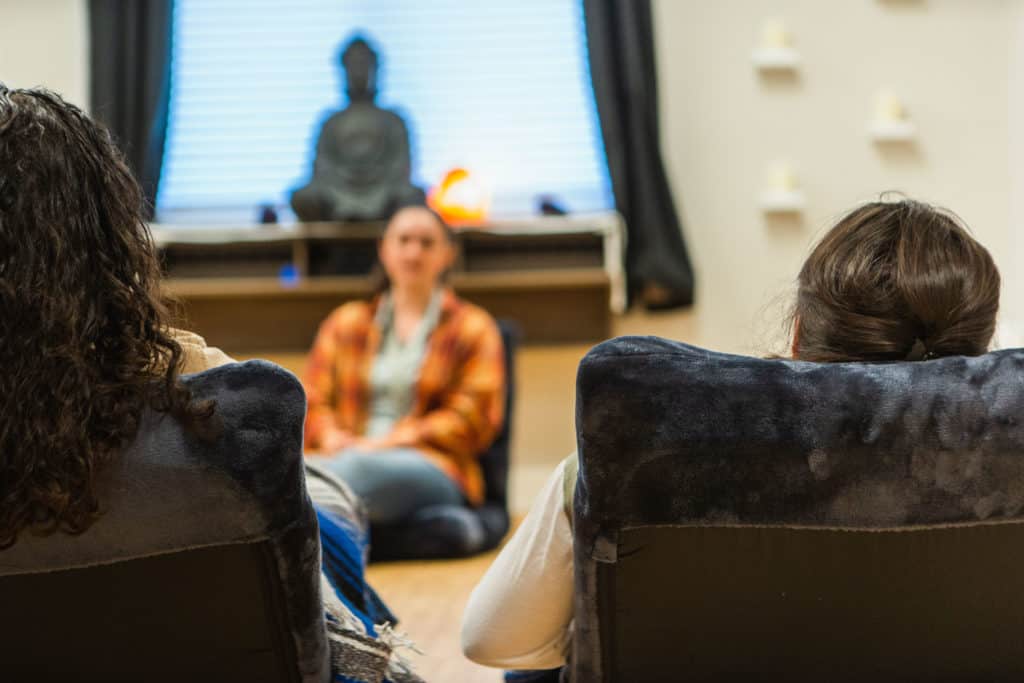
What Happens in Inpatient Mental Health Treatment?
Treatment starts with a full assessment. Our team gets to know each person. We ask about mental health. We ask about physical health. We ask about medical history, symptoms, medicines, and recovery goals.
After admission, people follow a daily schedule. A daily routine helps people feel safe. It helps lower stress. It helps people build healthy habits. It also helps people focus on getting better.
Each day may include:
- Individual therapy
- Group Therapy
- Medication management when needed
- Wellness activities
- Exercise
- Healthy meals
- Good sleep
- Recovery education
Many people also join Family Therapy. Families learn about mental health. They learn better ways to talk with each other. They learn how to help their loved one. Good family support can help recovery last longer.
Mental Health Conditions Treated
Inpatient mental health treatment helps adults with many mental health conditions. Some people have mild symptoms. Other people have serious symptoms. Some people need more help than outpatient care can give.
Treatment may help people with:
- Major depressive disorder
- Generalized anxiety disorder
- Panic disorder
- Bipolar disorder
- Schizophrenia
- Schizoaffective disorder
- Post-traumatic stress disorder (PTSD)
- Obsessive-compulsive disorder (OCD)
- Personality disorders
- Co-occurring mental health and substance use disorders
The National Institute of Mental Health (NIMH) says mental health conditions are common. They can be mild. They can also be serious. Some people get better with outpatient care. Other people need more care and more support.
Therapies and Services Included in Inpatient Mental Health Treatment
Every person is different. Every person needs different care. There is no one treatment that works for everyone. Our team builds a treatment plan for each person. The plan is based on the person’s symptoms, diagnosis, strengths, and recovery goals.
Treatment may include:
- Cognitive Behavioral Therapy (CBT)
- Dialectical Behavior Therapy (DBT)
- Individual therapy
- Group Therapy
- Family Therapy
- Medication management
- Psychoeducation
- Holistic therapies, such as mindfulness, yoga, recreation, and wellness activities
People learn how to talk in healthy ways, handle stress, manage emotions, solve problems, prevent relapse, and build healthy habits. These skills help during treatment and after treatment ends.
Benefits of Inpatient Mental Health Treatment
Inpatient mental health treatment gives people a high level of care. People stay at the treatment center. They receive care 24 hours a day, 7 days a week. People do not have to recover alone. Doctors, psychiatrists, therapists, nurses, and other healthcare professionals help every day. People can focus on getting better. They do not have to worry about many of the stressors of everyday life.
Benefits of inpatient treatment include:
- 24-hour clinical supervision
- Fast access to psychiatric care
- A daily routine
- A treatment plan made for each person
- Medication management and monitoring
- Individual therapy
- Group Therapy
- Family Therapy
- Discharge planning
- Less stress from everyday life
- Better preparation for long-term recovery
People also meet others in treatment. They share experiences. They support each other. They learn from each other. Medical care, therapy, education, and wellness activities work together. They help people build a strong base for recovery. They also help people prepare for life after treatment.
Get Help. Get Better. Get Your Life Back.
Searching for Accredited Drug and Alcohol Rehab Centers Near You?
Even if you have failed previously and relapsed, or are in the middle of a difficult crisis, we stand ready to support you. Our trusted behavioral health specialists will not give up on you. When you feel ready or just want someone to speak to about therapy alternatives to change your life call us. Even if we cannot assist you, we will lead you to wherever you can get support. There is no obligation. Call our hotline today.
(844) 597-1011Free Mental Health Assessments
We Level Up will provide you with a complimentary mental health treatment assessment. Your free estimate can review your symptoms, prior behaviors, treatment history, and all relevant issues. Contact us today for further information. Our trained specialists will direct you to suitable treatment options and explain what you should consider for a successful recovery. Our medical teams can further review your zero-obligation initial assessment consultation to guide you to evidence-based therapy options.
Insurance for Mental Health
Find your mental health rehab insurance coverage without anyone knowing that you inquired.
YOUR MENTAL HEALTH INSURANCE COVERAGE CHECK IS PRIVATE AND CONFIDENTIAL.
Cigna
BCBS
aetna
GET A FREE REHAB INSURANCE CHECK WITHOUT ANY OBLIGATION.
Your free mental health assessment will present your complete treatment program options.
EVEN IF YOU’RE NOT ADMITTED FOR TREATMENT WITH US, YOUR ASSESSMENT CAN GUIDE THE NEXT STEPS FOR YOUR CARE.
Don’t Wait. Get Help Now!
We Level Up mental health treatment center provides client support and treatment you and your family can rely on. Get help to get on your path to long-term mental health recovery success. Your dedicated behavioral team will lead you, no matter where you are in treatment or lack thereof. You’ll receive care from a comprehensive team of physicians, therapists, and clinicians who work together to deliver mental health levels of service best suited to your personal needs and goals. Your therapy programs will tackle your needs today and the tools you’ll need long after for long-term recovery at home.
The We Level Up mental health treatment center can help with severe depression, anxiety, and many other cases.

Inpatient Mental Health vs. Outpatient Treatment and Intensive Outpatient Programs
Not everyone needs the same level of care. Some people need more support. Some people need less.
Inpatient mental health treatment gives the highest level of care. People stay at the treatment center. They receive care all day and all night.
Outpatient treatment is different. People live at home. They come to treatment for scheduled appointments.
An Intensive Outpatient Program (IOP) gives more care than regular outpatient treatment. People still live at home. They come to treatment several days each week.
As people get better, many move from inpatient treatment to IOP or outpatient treatment. They keep getting care while returning to work, school, family, and daily life.
The Centers for Disease Control and Prevention (CDC) say mental health and physical health are connected. Mental health problems can affect sleep. They can increase stress. They can raise the risk of heart disease. They can weaken the immune system. Getting treatment can help both the mind and the body.
Length of Stay for Inpatient Mental Health Treatment
Every person is different, so the length of stay is different for everyone. Some people stay for a short time, while others need more time. The length of stay depends on the person’s mental health condition, symptoms, treatment goals, and progress during treatment.
Before going home, every person gets a continuing care plan. The plan may include outpatient therapy, medication management, psychiatric follow-up, family support, and community resources. The plan helps people keep getting care. It also helps people continue recovery after inpatient mental health treatment.
After Inpatient Mental Health Treatment
Finishing inpatient mental health treatment is a big step. Recovery does not stop when treatment ends. Recovery keeps going every day. Many people keep going to therapy. Some people keep taking medicine if needed. Many people also keep meeting with their care team. These things help people stay on track.
Follow-up visits are also important. Doctors and therapists check how the person is doing. They check symptoms. They see if the treatment plan needs to change. This helps people keep moving forward. Many people continue treatment in a Partial Hospitalization Program (PHP), an Intensive Outpatient Program (IOP), or outpatient therapy. These programs give people more support while they return to everyday life. Family and friends can also help. Good support can make recovery stronger.
People can help themselves by going to therapy, taking medicine when needed, following healthy routines, using healthy coping skills, asking for help when needed, and watching for warning signs. Recovery takes time. Professional treatment and family support work best when they work together.
Admissions and Getting Started
Starting inpatient mental health treatment is simple. The first step is a private assessment. Our admissions team talks with each person. We ask about symptoms. We ask about medical history. We ask about past treatment and safety concerns. This helps us decide if inpatient mental health treatment is the right choice. We Level Up Treatment Centers provide evidence-based mental health care in a safe place. Our team includes psychiatrists, therapists, nurses, and other healthcare professionals. Together, they build a treatment plan for each person. Our admissions team is here 24 hours a day, 7 days a week. We answer questions. We explain treatment. We help people start recovery.
Find Inpatient Mental Health Treatment Near You
We Level Up Treatment Centers help adults who need inpatient mental health treatment. People stay in a safe place. They receive care all day and all night. They receive therapy, psychiatric care, medication management when needed, and support from an experienced treatment team.
Every location provides personalized treatment plans. Every location offers comprehensive behavioral health care. Our goal is to help people build long-term recovery.
Contact We Level Up Treatment Centers
Our treatment centers are located in Florida, Texas, California, Washington, and New Jersey. We are open 24 hours a day, 7 days a week. You can contact us at (844) 597-1011.
Our admissions specialists are here day and night. We answer questions. We explain treatment. We help people verify insurance. We also help families decide if inpatient mental health treatment is the right choice.
Insurance Verification
Many health insurance plans help pay for inpatient mental health treatment. Our admissions team works with insurance companies to check your benefits before treatment starts. We explain what your insurance may cover. We help you understand your benefits. We answer your questions. If you do not have insurance, we can also talk about self-pay options and other payment solutions. Every conversation is private. There is no pressure to start treatment. We are here to help you understand your options and make the choice that is right for you.
Frequently Asked Questions
Who should get inpatient mental health treatment?
Inpatient mental health treatment may help people with severe depression, suicidal thoughts, bipolar disorder, schizophrenia, psychosis, or other serious mental health problems. A full assessment helps decide if inpatient care is needed.
How long does inpatient mental health treatment last?
Every stay is different. Some people stay a few days. Others stay longer. The treatment team decides when a person is ready to leave.
Can my family be part of treatment?
Yes. Many people take part in Family Therapy. Families learn how to support recovery.
Will I take medicine during treatment?
Some people need medicine. Some people do not. If medicine is needed, psychiatrists check it and change it if needed.
What happens after inpatient mental health treatment?
Recovery continues after treatment. Many people move to outpatient therapy, a Partial Hospitalization Program (PHP), or an Intensive Outpatient Program (IOP). A discharge plan helps people continue recovery.
Is inpatient mental health treatment covered by insurance?
Many insurance plans help cover inpatient mental health treatment. Reach our admissions team any time at (844) 597-1011 to check your benefits before treatment starts.
What to Look for When Researching Mental Health Programs Near Me?
There are many paths to addressing psychiatric disorders because treatments are now being personalized. We offer approaches and therapies tailored to each client. Furthermore, some recovery programs used to manage this condition and dual-diagnosis needs include the following:
Cognitive Behavioral Therapy
We are using different CBT techniques, exploring automatic negative thoughts and catastrophic language and how to change negative thought processes for a more positive outcome and a better response to the situation.
Motivational Interviewing
It is a counseling approach designed to help clients find the motivation to make a positive behavior change. This client-centered approach is efficient for individuals with mixed feelings about changing their behavior.
Family Therapy
The facilitator uses lessons on co-dependency, enabling and continued methods to identify family systems perspectives. Family therapists and additional clinicians offer opportunities for family therapy on “face time”/zoom, as addiction and mental health concerns are family issues affecting the entire dynamic.
Dialectical Behavioral Therapy
DBT incorporates four skills to help individuals overcome unhealthy behaviors and distressing thoughts. Each set of skills has unique characteristics that help clients better understand their emotions.
Self-Esteem Therapy
The facilitator completes a 6-week rotation of various exercises on “getting to know me”; focuses on differences between perception and authentic self and the dangers of living in a dichotomy; works on positive self-imagery, and utilizes excerpts from The Four Agreements to assist in remaining positive and focused on self.
Solution-Focused Brief Therapy
SFBT focuses on finding solutions in the present time and exploring one’s hope for the future to find quicker resolution of one’s problems. This method takes the approach that you know what you need to do to improve your life and can find the best solutions with the appropriate coaching and questioning.
Free Mental Health Insurance Check
Tour Our Mental Health Treatment Centers
Are you searching for top-notch mental health treatment centers Washington State? Or premier mental health treatment centers Florida? Contact We Level Up mental health treatment center specialists for more options.
See why we are the right choice for your care and long-term recovery. Tour our inpatient residential treatment centers and mental health programs. Your journey to mental health and sobriety can start here.
We Level Up mental health treatment centers photo tour:
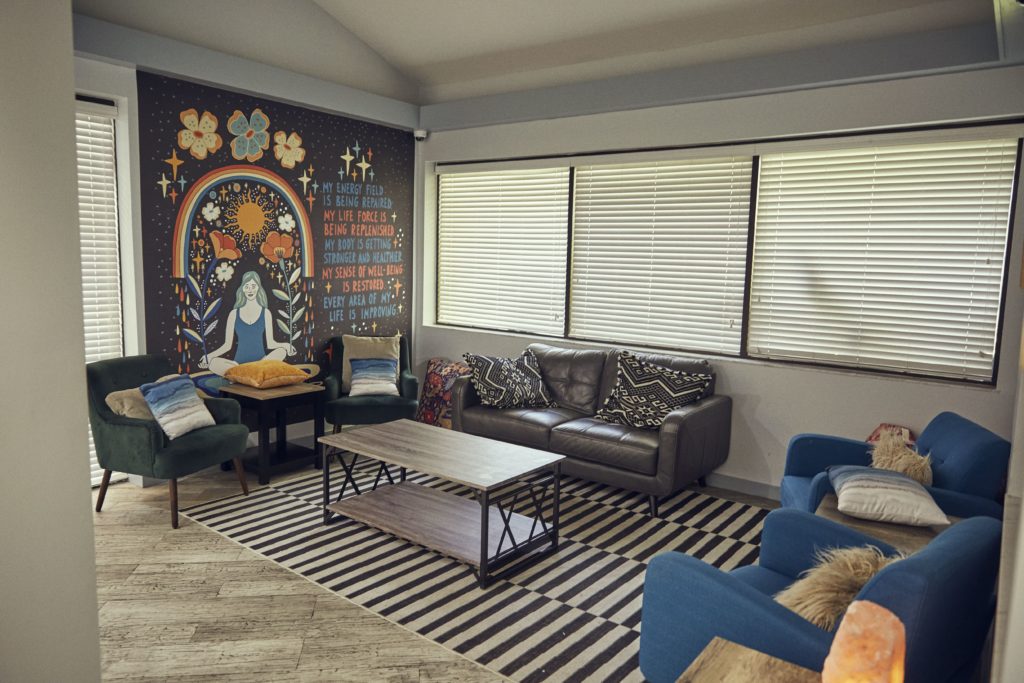

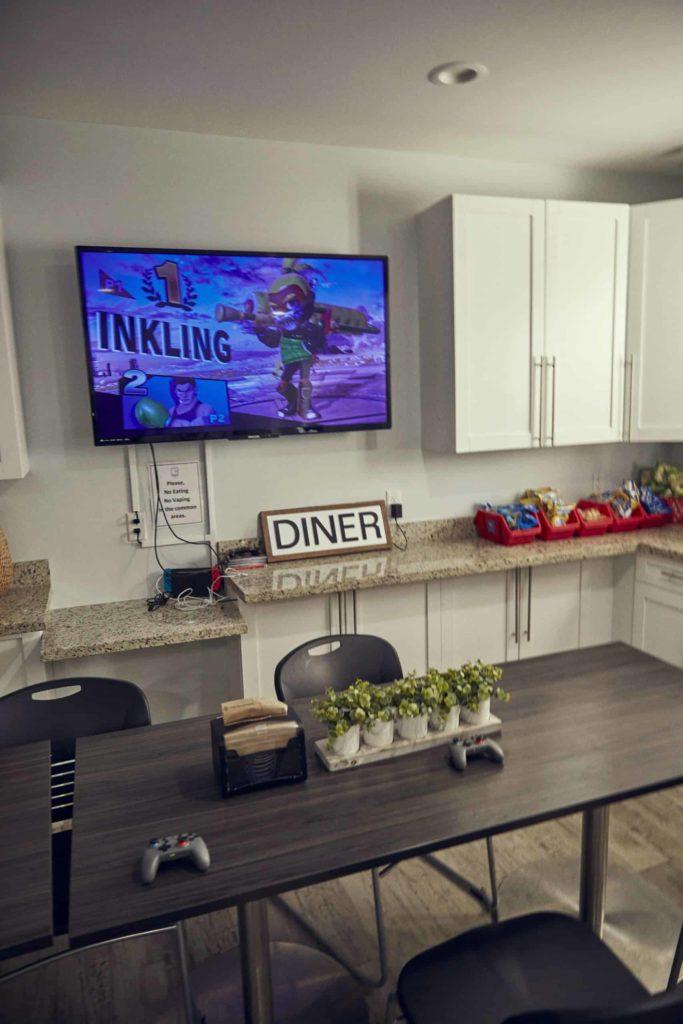

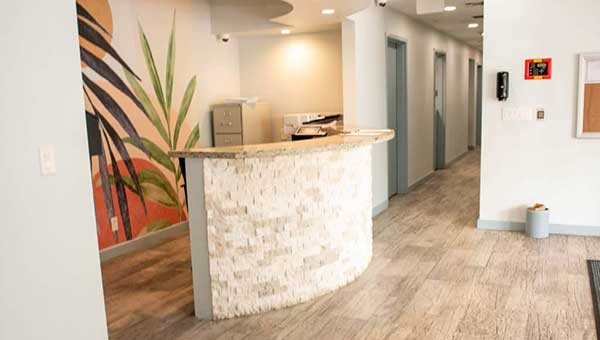
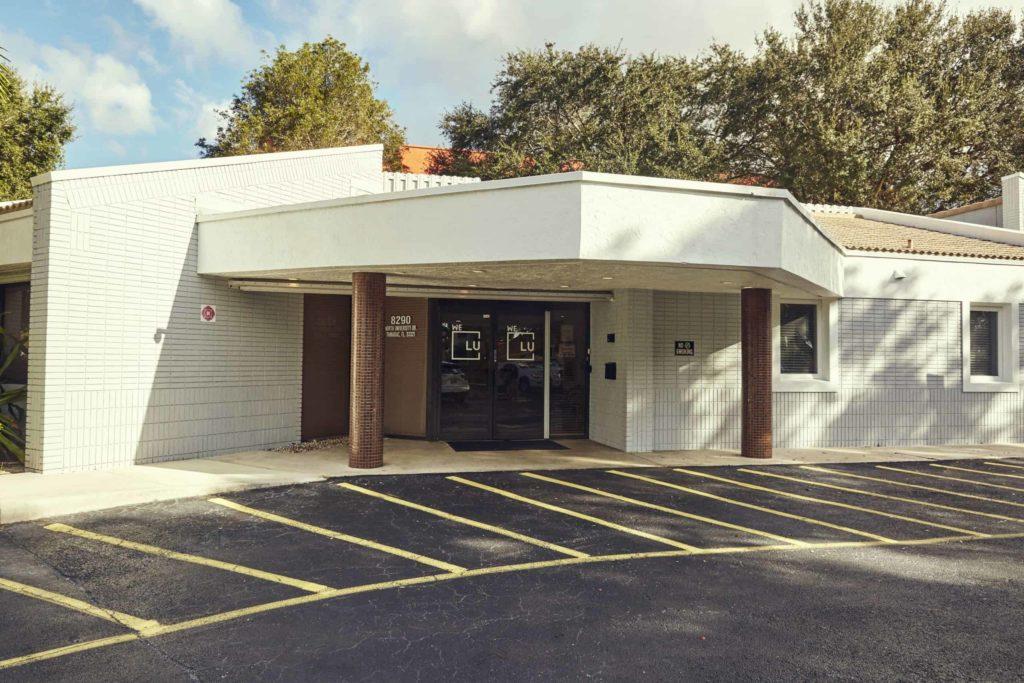

We Level Up Tamarac FL
Premier Behavioral Health Treatment Center
Licensed & Accredited w/ 5-star reviews.- Inpatient mental health treatment center
- Therapy for depression, anxiety, trauma, bipolar disorder, PTSD, and more.
- Dual diagnosis rehab programs available

We Level Up West Palm Beach
Premier Behavioral Health Treatment Center
Licensed & Accredited.- Inpatient mental health treatment center
- Therapy for depression, anxiety, trauma, bipolar disorder, PTSD, and more.
- Dual diagnosis rehab programs available

We Level Up Washington
Premier Behavioral Health Treatment Center
Licensed & Accredited w/ 5-star reviews.- Inpatient mental health treatment center
- Therapy for depression, anxiety, trauma, bipolar disorder, PTSD, and more.
- Dual diagnosis rehab programs available
We Level Up Admission Intake Process
Reputation for World-Class Quality Care
We Level Up mental health treatment centers offer a nationally renowned reputation for top-notch quality care. Providing cutting-edge co-occurring treatment with exceptional and trained therapists. We’re committed to delivering long-term science-based best practices modalities, including the following:
- Individualized assessment and treatment matching.
- Comprehensive, integrated treatment approach.
- Ongoing continuing care for alumni and their families.
- Dignified, respectful, and sage environment.
- Family involvement in the treatment process.
- Engage and help clients stay receptive to treatment.
- Evidence-based and evidence-informed practices.
- Qualified staff, ongoing training, with staff supervision.
- Personalized approaches that include specialized populations.
- External accreditation from a nationally recognized quality monitoring agency.
We Level Up South Florida Mental Health Treatment Center
The We Level Up Florida behavioral health center offers exceptional mental health treatment programs for various conditions, applying evidence-based cognitive and dialectical behavior therapy.
Recover with We Level Up Florida mental health center’s innovative and advanced treatment programs. Our evidence-based cognitive behavior therapy effectively treats various conditions.
Join We Level Up’s Florida mental health residential treatment center and experience exceptional dialectical behavior therapy programs. Come to our inpatient mental health facilities in Florida and level up your mental health.
Inpatient Mental Health Treatment Washington State
At We Level Up mental health inpatient treatment centers Washington State facility, a dedicated team of mental health specialists provides proven and effective evidence-based therapies customized to your condition. For a free mental health assessment, call 24/7. Unlock your full potential with the We Level Up Spokane mental health treatment center. We accept most insurance plans and welcome self-paying clients. See us today and start leveling up your mental health.
Dual diagnosis treatments are available to help you take control of both your mental health and co-occurring disorders so that you can achieve long-lasting recovery success. Choose We Level Up mental health treatment centers in Washington State for top-quality mental health counseling that can change your life.
Are you seeking safe and comfortable mental health residential treatment centers in Florida? Or top-rated and accredited Washington State inpatient mental health treatment? Call us today at We Level Up for further options!
Addiction & Mental Health Treatment Center Counseling

24-hour Dual Diagnosis Treatment Hotline
We Level Up treatment center mental health and substance abuse hotline specialists are ready 24 hours, seven days a week, to help with any questions about mental health conditions, alcohol, drug addiction, detox rehab, and behavioral health treatment. There’s never any obligation, and we’ll give you or your loved one the critical answers you deserve to get on the road to recovery.
We Level Up mental health rehab’s top mission is delivering the highest quality patient care. We select highly trained, warm, and attentive behavioral health therapists to care for clients suffering from mental health illnesses.
While we often see mental health disorders linked to addiction, our treatment team is well-versed in dual-diagnosis treatment. Offering both an addiction substance abuse and mental health disorders track. We can treat most mental health cases, from depression to anxiety, trauma, post-traumatic stress disorder (PTSD), bipolar, borderline personality, obsessive-compulsive, psychosis, addiction & most other conditions.
We’re Ready – When You Are! Call Now.
Our hotline is available 24/7 to assist you and your loved ones. Call Now!
Our team is here to answer any questions about addiction and mental health recovery. We can help get your loved ones the addiction treatment they need.
We Level Up rehab center has crafted a peaceful refuge with powerful evidence-based treatment for those suffering from addiction and mental health problems. Here, you can step away from it all, focus on yourself, and truly begin to heal from addiction and underlying mental health issues. The We Level Up mental health treatment center offers unique scenic, tranquil, and comfortable recovery facilities.
The We Level Up mental health treatment center can help with a primary inpatient program. Depending on the extent of co-occurring behavioral disorders such as depression & addiction, we can first help assess your condition and guide you to suitable treatment options. We treat all behavioral health disorders to improve long-term recovery outcomes, including their corresponding secondary illnesses. We do not offer PHP, IOP, or outpatient level of care at this time. Programs, services, and treatments vary. Call to learn more.
Overcoming Mental Health Disorders. Find the Support You Need.
At We Level Up mental health treatment centers, we are committed to guiding you toward lasting recovery from mental disorders and co-occurring conditions.
Our multidisciplinary team is here to provide unwavering support, guidance, and personalized care every step of the way. Let’s embark on this transformative journey together. Contact us today, and we’ll help you explore treatment options without obligation. Each call is private and confidential.
First-class Facilities & Amenities
Trusted Integrated Addiction & Mental Health Rehabilitation Treatment
Rehab Centers TourEstablished Addiction Centers. Serene Private Facilities. Inpatient rehab programs vary.
Addiction Helpline (844) 597-1011Comprehensive recovery success experience, backed by a Team w/ History of:
15+
Years of Unified Experience
100s
5-Star Reviews Across Our Centers
10K
Recovery Success Stories Across Our Network
- Low Patient to Therapist Ratio
- Onsite Medical Detox Center
- Comprehensive Dual-Diagnosis Treatment
- Complimentary Family & Alumni Programs
- Alumni Coaching, Recovery & Personal Development Events
Top 4 Popular Treatment Center Mental Health FAQs
Experience Transformative Recovery at We Level Up Treatment Centers.
See our authentic success stories. Get inspired. Get the help you deserve.
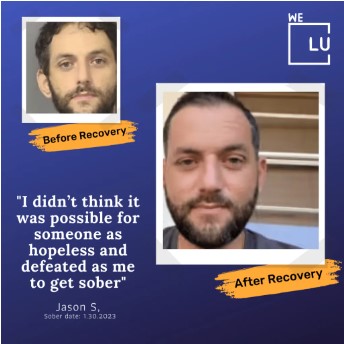
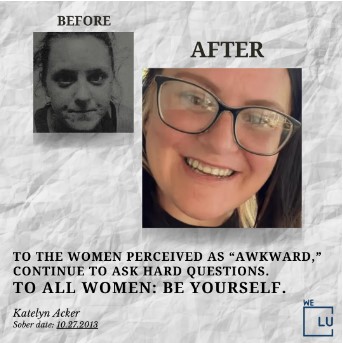
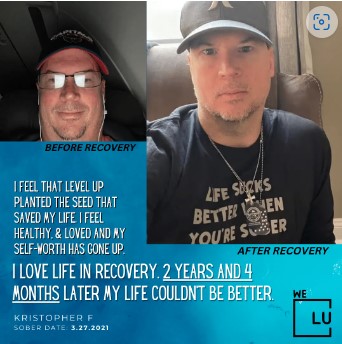
Start a New Life
Begin with a free call to an addiction & behavioral health treatment advisor. Learn more about our dual-diagnosis programs. The We Level Up Treatment Center Network delivers recovery programs that vary by each treatment facility. Call to learn more.
- Personalized Care
- Caring Accountable Staff
- World-class Amenities
- Licensed & Accredited
- Renowned w/ 100s 5-Star Reviews
We’ll Call You
Prepared to Start Treatment? Watch our Mental Health Treatment Center & Rehab Welcome Video Message from Ryan Zofay
Search We Level Up Mental Health Treatment Center Topics & Resources
Sources
[1] Stein DJ, Shoptaw SJ, Vigo DV, Lund C, Cuijpers P, Bantjes J, Sartorius N, Maj M. Psychiatric diagnosis and treatment in the 21st century: paradigm shifts versus incremental integration. World Psychiatry. 2022 Oct;21(3):393-414. Doi 10.1002/wps.20998. PMID: 36073709; PMCID: PMC9453916.
[2] Lake J, Turner MS. Urgent Need for Improved Mental Health Treatment Center Care and a More Collaborative Model of Care. Perm J. 2017;21:17-024. Doi 10.7812/TPP/17-024. PMID: 28898197; PMCID: PMC5593510.
[3] What is Mental Health? – Substance Abuse and Mental Health Services Administration (SAMHSA)
[4] About Mental Health – Centers for Disease Control and Prevention (CDC)
[5] Help for Mental Illnesses – National Institute of Mental Health (NIMH)
[6] Dalton-Locke C, Marston L, McPherson P, Killaspy H. The Effectiveness of Mental Health Rehabilitation Services: A Systematic Review and Narrative Synthesis. Front Psychiatry. 2021 Jan 13;11:607933. Doi 10.3389/fpsyt.2020.607933. PMID: 33519552; PMCID: PMC7838487.
[7] Psychiatric rehabilitation today: an overview – PMC NIH (.gov)
[8] Pharmacological Treatment of Mental Disorders in Primary Health Care. Geneva: World Health Organization; 2009. Available from: https://www.ncbi.nlm.nih.gov/books/NBK143202/
[9] Mental Health Treatment Center Psychotherapies – NIMH – National Institutes of Health (NIH)
[10] VA Mental Health Treatment Center Services – Veterans Affairs (.gov)
Mental Health Services Washington Mental Health Treatment WA