Muscle relaxers and alcohol can be a dangerous mix. Muscle relaxers are prescription medications used for tight muscles, spasms, pain, or injury. Alcohol can make these drugs act stronger in the body. Together, they can cause deep sleepiness, poor balance, slow thinking, and slow breathing.
This guide explains the safety risks, side effects, and warning signs of mixing muscle relaxers and alcohol. It also explains when drinking while taking a prescription drug may point to a need for recovery support. The goal is to help you stay safe, avoid harm, and know when to ask for care.
- What Are Muscle Relaxers and Alcohol?
- Muscle Relaxer & Alcohol Interaction
- Muscle Relaxer and Alcohol Side Effects
- Muscle Relaxer Robaxin and Alcohol
- Signs You May Need Help With Muscle Relaxers & Alcohol
- Why Choose We Level Up Treatment Centers for Muscle Relaxers & Alcohol Concerns?
- Benefits of Getting Help for Muscle Relaxers & Alcohol
- When to Get Emergency Help
- FAQs About Muscle Relaxers & Alcohol
- What happens if you mix muscle relaxers and alcohol?
- How long after taking a muscle relaxer can you drink alcohol?
- What are common muscle relaxer and alcohol side effects?
- Are the muscle relaxer Robaxin and alcohol dangerous?
- What should I do if I mixed alcohol and a muscle relaxer?
- How does We Level Up help?
- Muscle Relaxers Names, Cyclobenzaprine, Soma, Baclofen, their Side Effects, Types & Risks Video
- How to Get Started
- Medical Disclaimer
What Are Muscle Relaxers and Alcohol?
They refer to drinking while taking a medicine used for muscle pain or spasms. These drugs may be given after back pain, neck pain, surgery, a strain, or another injury.
Common muscle relaxers include methocarbamol, cyclobenzaprine, baclofen, carisoprodol, and tizanidine. Some people know methocarbamol by the brand name Robaxin.
Many of these drugs slow the brain and nerves. Alcohol can do the same thing. When both are used at the same time, the sedative effect can be stronger than a person expects.
This can lead to strong sleepiness, weak muscles, poor balance, and confusion. It can also raise the risk of falls, blackouts, car crashes, slow breathing, and overdose.
Alcohol can also make pain care harder. It may harm sleep, mood, focus, and healing. It may also make it harder to follow a safe care plan.
Learn More:
Can You Drink Alcohol and Take a Muscle Relaxer?
Many people ask, “Can you drink alcohol and take a muscle relaxer?” The safest answer is no, unless your doctor or pharmacist says it is safe with your exact medicine.
Alcohol can make common side effects worse. A person may feel sleepy, dizzy, weak, confused, or less alert. These effects can happen even if the person does not feel drunk. Driving after this mix can be very unsafe. A person may think they are fine, but their reflexes may be slow. Their balance, focus, and judgment may also be worse.
The risk can be higher if a person takes other prescription medications. This may include opioids, sleep aids, anxiety medicine, allergy medicine, and pain pills. These drug interactions can be serious. If you take one of these drugs, ask your provider when it is safe to drink again. Do not guess. Safety depends on your dose, health, and other drugs you take.
Muscle Relaxers and Alcohol Fact Sheet
Muscle Relaxer & Alcohol Interaction
A muscle relaxer and alcohol interaction happens when alcohol changes how the medicine affects the body. Alcohol may make the medicine feel stronger. It may also make side effects last longer. These effects can cause drowsiness, dizziness, poor balance, slow movement, and confusion. In serious cases, it may cause fainting, slow breathing, or signs of overdose.
Mixing alcohol with more than one prescription drug can be very unsafe and may point to a need for prescription medication support. The body may become too sedated. Such combinations can make it difficult to stay awake, walk safely, or breathe well.
Some people also take sleep aids, cold medicine, or allergy pills. These can add to the sedative effect. Ask a pharmacist before mixing alcohol with any drug. Get medical help right away if someone is hard to wake, very confused, breathing slowly, or too weak to stand.
Muscle Relaxer and Alcohol Side Effects
Muscle relaxer and alcohol side effects can be mild or severe. The risk depends on the medicine, dose, amount of alcohol, age, health, and other drugs used.
Common side effects may include:
- Strong sleepiness
- Dizziness
- Poor balance
- Falls or injury
- Confusion
- Memory problems
- Nausea or vomiting
- Slow reaction time
- Low blood pressure
- Slowed breathing
These signs can be more risky when a person is alone. They can also be dangerous while driving, using tools, caring for children, or taking other medicine.
Call 911 if someone has trouble breathing, chest pain, seizures, blue lips, severe confusion, or trouble staying awake.
Get Help. Get Better. Get Your Life Back.
Searching for Accredited Drug and Alcohol Rehab Centers Near You?
Even if you have failed previously and relapsed, or are in the middle of a difficult crisis, we stand ready to support you. Our trusted behavioral health specialists will not give up on you. When you feel ready or just want someone to speak to about therapy alternatives to change your life call us. Even if we cannot assist you, we will lead you to wherever you can get support. There is no obligation. Call our hotline today.
(844) 597-1011
Muscle Relaxer Robaxin and Alcohol
Muscle relaxer Robaxin and alcohol is a common safety concern. Robaxin is a brand name for methocarbamol. This medicine may be used with rest, physical therapy, and other care for muscle pain.
Methocarbamol can cause drowsiness and dizziness. Alcohol can make these effects stronger. These effects can raise the risk of falls, injuries, unsafe driving, and poor choices.
People taking Robaxin should follow the label and review trusted methocarbamol drug information before drinking alcohol. They should also ask a doctor or pharmacist before drinking. Do not take extra doses. Do not stop or change the medicine without medical advice.
If avoiding alcohol feels hard while taking Robaxin, that may be a sign that drinking needs more support.
Who is at a higher risk from Muscle Relaxers and Alcohol?
Some people have a higher risk when they mix alcohol and muscle relaxers. Risk may be higher if a person drinks often, drinks heavily, or takes more than one medicine that causes sleepiness.
Older adults may also have a higher risk. The body can process alcohol and medicine more slowly with age. These factors can make side effects stronger or last longer.
People with liver disease, kidney disease, sleep apnea, breathing problems, heart problems, depression, anxiety, or chronic pain should be extra careful. Heavy or long-term drinking can also raise the risk of liver damage.
Risk may also be higher after surgery or injury. Alcohol and muscle relaxers can both affect balance. These factors can make falls or new injuries more likely.
📞 Call (954) 475-6031 now for a free drug and alcohol assessment.
First-class Facilities & Amenities
Trusted Integrated Addiction & Mental Health Rehabilitation Treatment
Rehab Centers TourEstablished Addiction Centers. Serene Private Facilities. Inpatient rehab programs vary.
Addiction Helpline (844) 597-1011Comprehensive recovery success experience, backed by a Team w/ History of:
15+
Years of Unified Experience
100s
5-Star Reviews Across Our Centers
10K
Recovery Success Stories Across Our Network
- Low Patient to Therapist Ratio
- Onsite Medical Detox Center
- Comprehensive Dual-Diagnosis Treatment
- Complimentary Family & Alumni Programs
- Alumni Coaching, Recovery & Personal Development Events
Signs You May Need Help With Muscle Relaxers & Alcohol
Some people mix alcohol and medicine by mistake one time. Others keep doing it after warning signs. Support may help when alcohol feels hard to control.
You may need help if you:
- Drink while taking a muscle relaxer
- Use alcohol to sleep, relax, or manage pain
- Feel unable to stop drinking while on medicine
- Hide drinking from family, friends, or doctors
- Mix alcohol with opioids, sleep aids, or anxiety medicine
- Have falls, blackouts, or memory gaps after drinking
- Feel shaky, sick, or anxious when you stop drinking
These signs do not mean you are weak. They may mean your body and mind need care. Alcohol addiction and substance abuse can affect health, work, family life, and safety. Alcohol withdrawal can be dangerous for some people, so alcohol detox care may be needed before stopping.

Why Choose We Level Up Treatment Centers for Muscle Relaxers & Alcohol Concerns?
Muscle relaxers and alcohol concerns can show that drinking has become hard to manage. Some people start drinking because of pain, stress, sleep problems, or fear. Over time, alcohol may become part of how they cope.
We Level Up Treatment Centers offers care for alcohol use, substance abuse, and mental health needs. A care team can review drinking patterns, medicine safety, withdrawal risk, stress, trauma, anxiety, depression, and relapse triggers through a dual diagnosis treatment approach.
We Level Up is accredited by The Joint Commission (TJC) and CARF. These groups check health care programs for safety and quality.
Care may include assessment, medical detox, residential care, therapy, dual diagnosis support, relapse prevention, and aftercare planning. Services may vary by site, so it is best to call and ask what level of care may fit.
📞 Call (954) 475-6031 now for free and private help.
What to Expect During Support for Muscle Relaxers and Alcohol
Care often starts with a private assessment. The team may ask about alcohol use, current medicines, pain history, mental health, withdrawal signs, and safety needs. This helps them choose a safer next step.
Some people need medical detox first. Detox can help manage withdrawal while the body adjusts without alcohol. This may be important for people who drink daily or have had shaking, sweating, high blood pressure, confusion, or seizures when stopping.
Therapy may help people see why they drink while taking medicine. Pain, stress, grief, trauma, anxiety, sleep problems, and family conflict can all play a role. Therapy can also teach safer coping skills.
Relapse prevention planning helps people prepare for triggers. These may include pain flares, social events, boredom, stress, or access to alcohol at home. Aftercare can include therapy, support groups, family support, and sober routines. Addiction treatment programs can help people build a safer plan for long-term recovery.
Specialized, Accredited, 5-Star Reviewed, Evidence-based Addiction & Mental Health Programs. Complete Behavioral Health Inpatient Rehab, Detox plus Co-occuring Disorders Therapy.
CALL(844) 597-1011End the Addiction Pain. End the Emotional Rollercoaster. Get Your Life Back. Start Drug, Alcohol & Dual Diagnosis Mental Health Treatment Now. Get Free, No-obligation Guidance by Substance Abuse Specialists Who Understand Addiction & Mental Health Recovery & Know How to Help.
Benefits of Getting Help for Muscle Relaxers & Alcohol
Getting help can lower safety risks and support long-term change. It can also help people understand the link between pain, medicine, stress, and drinking.
Benefits may include:
- Safer withdrawal support
- Better understanding of medicine risks
- Help with alcohol cravings
- Therapy for stress, pain, trauma, or anxiety
- Dual diagnosis care for mental health needs
- Relapse prevention planning
- Family education and family therapy for addiction recovery may help loved ones understand safety, boundaries, and support.
Treatment is not about shame. It is about safety, health, and learning better ways to cope.
How to Lower Risk If You Take a Muscle Relaxer
The safest step is to avoid alcohol while taking a muscle relaxer unless your provider says it is safe. Read the label and follow the dose. Do not drive, use heavy tools, or make major choices if the medicine makes you sleepy. Avoid mixing muscle relaxers with alcohol, opioids, sleep medicine, or anxiety medicine unless a doctor clearly approves it.
Tell your provider if you drink often or if stopping feels hard. Honest details help them choose safer care. You may need a different pain plan, extra checks, or alcohol support. Do not take extra doses to control pain faster. If the medicine is not helping, call your prescriber. Taking more than directed can raise the risk of serious side effects.
When to Get Emergency Help
Get emergency help right away if someone has mixed alcohol and a muscle relaxer and has serious symptoms. These may include trouble breathing, blue lips, chest pain, fainting, seizures, or severe confusion.
Also call 911 if the person cannot stay awake, cannot speak clearly, or keeps vomiting. Do not let the person drive or stay alone.
If symptoms are not life-threatening but you are unsure what to do, contact a doctor, pharmacist, or poison control center. It is better to ask early than wait until symptoms get worse.
FAQs About Muscle Relaxers & Alcohol
What happens if you mix muscle relaxers and alcohol?
Mixing alcohol with muscle relaxers can make you very sleepy, dizzy, confused, or unsteady. It can also raise the risk of falls, slow breathing, overdose, and unsafe driving.
How long after taking a muscle relaxer can you drink alcohol?
The safe wait time depends on the muscle relaxer, dose, your health, and other medicines you take. Some muscle relaxers can cause sleepiness or dizziness for hours. Ask your doctor or pharmacist when alcohol is safe again.
What are common muscle relaxer and alcohol side effects?
Common effects may include drowsiness, dizziness, poor balance, nausea, confusion, slow reaction time, and memory problems. Serious signs may include fainting, slow breathing, or trouble staying awake.
Are the muscle relaxer Robaxin and alcohol dangerous?
Robaxin is methocarbamol. It can cause drowsiness and dizziness. Alcohol may make those effects stronger and raise the risk of injury or unsafe driving.
What should I do if I mixed alcohol and a muscle relaxer?
Do not drive or drink more alcohol. Stay with a safe person if you can. Call a doctor, pharmacist, poison control, or 911 if symptoms feel serious.
How does We Level Up help?
We Level Up can help if mixing alcohol and medicine points to risky drinking or alcohol dependence. A care team can review alcohol use, medicine safety, withdrawal risk, mental health, and treatment options.
Muscle Relaxers Names, Cyclobenzaprine, Soma, Baclofen, their Side Effects, Types & Risks Video
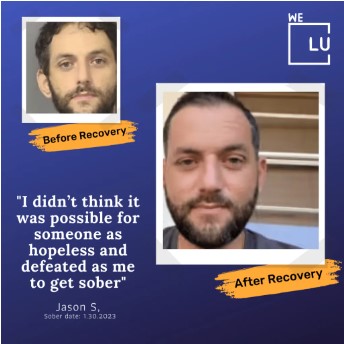
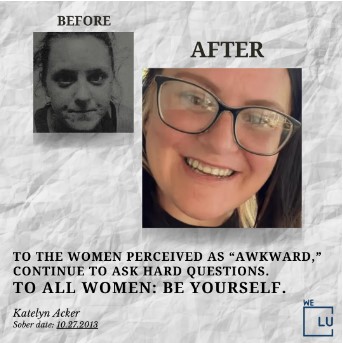
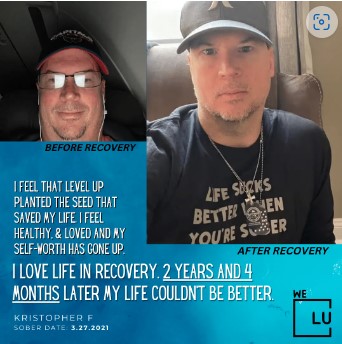
Experience Transformative Recovery at We Level Up Treatment Centers.
See our authentic success stories. Get inspired. Get the help you deserve.
Start a New Life
Begin with a free call to an addiction & behavioral health treatment advisor. Learn more about our dual-diagnosis programs. The We Level Up Treatment Center Network delivers recovery programs that vary by each treatment facility. Call to learn more.
- Personalized Care
- Caring Accountable Staff
- World-class Amenities
- Licensed & Accredited
- Renowned w/ 100s 5-Star Reviews
We’ll Call You
How to Get Started
Mixing alcohol with muscle relaxers can feel scary, mainly if it has happened more than once. You may worry about pain, sleep, withdrawal, family trust, or whether alcohol is getting harder to control.
You do not have to sort it out alone. We Level Up Treatment Centers can help you talk through what is happening and what support may fit. 📞 Call (954) 475-6031 for free and private help, or complete the insurance verification form to find out what care is covered. One honest step can help you move toward safer choices
Medical Disclaimer
This content is for education only. It must not replace medical advice. It should not be used for diagnosis or treatment.
Always ask a licensed health care provider if you have medical concerns.
If you are having a medical emergency, call 911 right away.