
Many people ask, “What does Alcoholics Anonymous mean?” Alcoholics Anonymous, or AA, is a peer support group for people who want to quit drinking. It provides members a private place to share their stories, listen to others, and build support for sobriety.
AA can help people feel less alone because members meet with others who understand alcohol use and recovery. The goal is not perfection. The goal is steady progress, honest support, and staying sober over time.
AA is not medical care, and it does not provide detox, therapy, or medicine. Still, AA can be part of a larger recovery plan for people who need more support. We Level Up Treatment Centers can help people review care options when AA alone does not feel like enough.
- What Does Alcoholics Anonymous Mean?
- Signs You May Need Help With Alcohol Addiction
- Understanding the Alcoholics Anonymous 12 Steps
- The 12 Steps
- Traditions of Alcoholics Anonymous
- The Role of an Alcoholics Anonymous Partner
- Mental Health and Alcohol Addiction
- Why Choose We Level Up Treatment Centers
- FAQs About What Does Alcoholics Anonymous Mean
- How to Get Started
- Medical Disclaimer
What Does Alcoholics Anonymous Mean?
Alcoholics Anonymous means a global fellowship for people who want to stop drinking. It is often called AA. The Alcoholics Anonymous definition is simple: AA is a peer support group built around shared stories, privacy, and staying sober.
Members attend meetings, talk about recovery, and listen to others who have faced similar struggles. Many people use first names only, which can help protect privacy and reduce shame.
AA is open to people from all backgrounds. A person does not need a doctor’s referral. A person can go without needing to be sober for a set number of days. The only goal is a desire to stop drinking.
Alcoholics Anonymous is not a cure, and it is not a medical program. It is a support system that helps people stay connected, build hope, and keep working toward achieving sobriety.
How Alcoholics Anonymous Helps People Stay Sober
AA helps people by giving them a steady recovery group. Many members attend meetings often, especially during early recovery, because meetings can help people feel heard and less alone.
AA also supports honesty. Members can talk about cravings, relapse fears, guilt, and daily stress. They can also hear from others who have faced similar problems and found ways to keep going.
Another benefit is routine. Regular meetings can add structure to the week, which may help people stay focused on recovery. This structure can be useful when cravings, stress, or old habits return.
AA also gives people a chance to help others. Many members find purpose when they share support with someone new. This shared support is one reason AA can help people stay sober over time.

Learn More:

Get Your Life Back
Find Hope & Recovery. Get Safe Comfortable Detox, Addiction Rehab & Dual Diagnosis Trused Care.
7/365 Line (844) 597-1011Signs You May Need Help With Alcohol Addiction

Some people are not sure if their drinking has become a problem. Alcohol use can build slowly, starting with weekend drinking and later becoming harder to control.
You may need help if you:
- Drink more than you planned.
- Feel strong cravings for alcohol
- Try to stop but start drinking again
- Hide drinking from family or friends
- Miss work, school, or family duties
- Feel anxious, sick, or shaky without alcohol
- Have relationship problems because of drinking
- Keep drinking even when it harms your health
These signs do not mean you are weak. They may mean your body and mind need support. If stopping alcohol causes shaking, sickness, or anxiety, alcohol detox support may help people manage withdrawal more safely.
Call (954) 475-6031 for free and private help with alcohol recovery.
Get Help. Get Better. Get Your Life Back.
Searching for Accredited Drug and Alcohol Rehab Centers Near You?
Even if you have failed previously and relapsed, or are in the middle of a difficult crisis, we stand ready to support you. Our trusted behavioral health specialists will not give up on you. When you feel ready or just want someone to speak to about therapy alternatives to change your life call us. Even if we cannot assist you, we will lead you to wherever you can get support. There is no obligation. Call our hotline today.
(844) 597-1011Understanding the Alcoholics Anonymous 12 Steps
One well-known part of AA is the Alcoholics Anonymous 12 Steps. These steps give members a path for change, with a focus on honesty, support, reflection, repair, and service. The 12-step program starts with honesty about alcohol. Members admit they are powerless over alcohol. This does not mean they are hopeless. It means they stop trying to face alcohol use alone.
The next steps focus on asking for help. Members may turn to their group, a sponsor, faith, values, or a higher power. In AA language, some people say authority is a loving God, but each person may see it differently. The steps also include looking inward.
Members review past choices and how drinking has affected their lives. This can be hard, but it can also help people grow. Later steps focus on making changes. Members work on trust, behavior, and repair when it is safe and right. The final steps focus on staying sober and helping others.
First-class Facilities & Amenities
Trusted Integrated Addiction & Mental Health Rehabilitation Treatment
Rehab Centers TourEstablished Addiction Centers. Serene Private Facilities. Inpatient rehab programs vary.
Addiction Helpline (844) 597-1011Comprehensive recovery success experience, backed by a Team w/ History of:
15+
Years of Unified Experience
100s
5-Star Reviews Across Our Centers
10K
Recovery Success Stories Across Our Network
- Low Patient to Therapist Ratio
- Onsite Medical Detox Center
- Comprehensive Dual-Diagnosis Treatment
- Complimentary Family & Alumni Programs
- Alumni Coaching, Recovery & Personal Development Events
The 12 Steps
Traditions of Alcoholics Anonymous
The traditions of Alcoholics Anonymous guide how AA groups work. They help each group stay safe, focused, private, and united around recovery.
- Common welfare: One tradition says common welfare comes first. This means the health of the group matters. Many members believe personal recovery depends on shared respect and group support.
- AA unity: Another tradition says recovery depends upon AA unity. This means the group works best when members protect the shared goal of sobriety.
- Group guidance: AA teaches that the group’s final authority is a loving God as understood by its members. This does not mean everyone must believe the same thing. It means group choices should be guided by care, humility, and trust.
- Open membership: The only requirement for AA membership is a desire to stop drinking. There are no fees, tests, or background checks.
- Self-support: AA groups focus on supporting declining outside contributions. This helps groups avoid depending on outside money. Members may make small voluntary donations if they choose.
- Service roles: AA groups may employ special workers when needed, such as people who help with office tasks. Still, AA remains focused on peer support, not profit.
Anonymity: Anonymity is the spiritual foundation of AA. It protects privacy and reminds members that recovery is about shared support, not status or attention.
The Role of an Alcoholics Anonymous Partner
An Alcoholics Anonymous partner may be a spouse, loved one, friend, sponsor, or support person. Alcohol use can affect the whole family, and partners may feel scared, angry, sad, or unsure of what to do.
Support can help people get better, but it doesn’t mean they have to put up with bad behavior. Healthy limits are crucial because family and friends may need help figuring out what can help them recover from alcoholism and what can make it worse.
A partner can support healthy habits. They can also support meeting attendance, honest talks, and safer choices. Still, the person with alcohol use must take part in their own recovery. Loved ones may also need support for their own stress and mental health. Healing can take time for everyone involved.
Mental Health and Alcohol Addiction
Many people with alcohol use also face mental health concerns. These may include anxiety, depression, trauma, grief, or high stress. Some people drink to numb pain or calm worry. Dual diagnosis treatment means a person has both alcohol use and a mental health condition. Both concerns may need care because untreated emotional pain can raise relapse risk.
AA can offer peer support and connection. Clinical care can help with mental health, safety, and care planning. Some people use both forms of support for a fuller recovery plan.
Specialized, Accredited, 5-Star Reviewed, Evidence-based Addiction & Mental Health Programs. Complete Behavioral Health Inpatient Rehab, Detox plus Co-occuring Disorders Therapy.
CALL(844) 597-1011End the Addiction Pain. End the Emotional Rollercoaster. Get Your Life Back. Start Drug, Alcohol & Dual Diagnosis Mental Health Treatment Now. Get Free, No-obligation Guidance by Substance Abuse Specialists Who Understand Addiction & Mental Health Recovery & Know How to Help.
Why Choose We Level Up Treatment Centers
Understanding what Alcoholics Anonymous means is a helpful first step. AA can give people support, privacy, and a sober community. For some people, that support is enough, while others may need more care when withdrawal, relapse, heavy drinking, or mental health symptoms are present.
We Level Up Treatment Centers offers addiction and mental health care for people who need steady support. Care may include alcohol abuse treatment, live-in care, therapy, dual diagnosis care, relapse planning, and aftercare planning.
Treatment is personal because each person has a different history, symptoms, and goals. A care team can help create a plan that fits the person’s needs. We Level Up can also support people who want to use AA as part of recovery. Many people benefit from both peer support and clinical care.
The Joint Commission and CARF accredit We Level Up. These groups review health care programs for safety and quality.
Call (954) 475-6031 for free and private support.
Types of Therapy That May Support Recovery
AA is peer support, not therapy. Still, therapy can help people learn why they drink and how to cope without alcohol. These services may be part of a treatment plan at We Level Up.
Common therapy options may include:
- Cognitive Behavioral Therapy (CBT), which can help people notice thoughts and habits linked to drinking.
- DBT, which can help with emotions, stress, and coping skills.
- One-on-one therapy, which gives people private time to work on personal goals.
- Group therapy, which helps people build support with others in recovery.
- Family therapy, which can help repair trust and improve talks at home.
For those who are looking for peer support, these therapy choices can help, but they are not the same as AA. As part of a bigger plan, they can work together.
Benefits of Alcoholics Anonymous and Treatment
Learning what Alcoholics Anonymous means can help people understand one path toward recovery. AA can offer peer support, privacy, and daily support for sobriety.
Clinical care can help with health, safety, therapy, and mental health needs. This may be important for people with withdrawal symptoms, relapse, heavy drinking, or dual diagnosis concerns.
Together, AA and treatment can support:
- Peer support.
- Safer withdrawal care
- Better coping skills
- Family healing
- Mental health support
- Relapse planning
- A long-term recovery plan
There is no single path that works for everyone. Some people use AA. Some people need treatment. Many people benefit from both.
FAQs About What Does Alcoholics Anonymous Mean
What is the Alcoholics Anonymous meaning?
It means a peer support group for people who want to stop drinking. AA offers privacy, shared stories, meetings, and support for sobriety.
What are the Alcoholics Anonymous 12 Steps?
The AA 12 Steps are recovery steps. They focus on honesty, support, reflection, repair, and helping others.
What are the traditions of Alcoholics Anonymous?
The traditions of AA guide how AA groups work. They focus on unity, privacy, self-support, and a shared desire to stop drinking.
Is AA the same as alcohol addiction treatment?
No. AA is peer support, not medical or clinical treatment. It does not provide detox, therapy, or medicine. Some people use AA with professional care.
Can an Alcoholics Anonymous partner support recovery?
Yes. A family member, friend, sponsor, or support person can help by offering support and healthy boundaries. Loved ones may also need support.
How does We Level Up help with alcohol use?
We Level Up helps people review care options when AA alone does not feel like enough. Care may include detox, therapy, live-in care, dual-diagnosis care, and relapse planning.

How to Get Started
Alcohol use can make life feel heavy. You may want to stop drinking but fear cravings, withdrawal, or relapse. You may also wonder if AA is enough.
You do not have to decide alone. We Level Up Treatment Centers can help you understand your options and take a safer next step. AA can also be part of long-term support.
Call (954) 475-6031 for free and private help. You can also complete the insurance verification form online. One honest step can help you start recovery.
Medical Disclaimer
This content is for education only. It must not replace medical advice. It should not be used for diagnosis or treatment.
Always ask a licensed healthcare provider if you have medical concerns.
If you are having a medical emergency, call 911 right away.
What is AA? How AA Works? What are the 12 Steps of AA? Alcoholics Anonymous (AA) Meetings Video
Experience Transformative Recovery at We Level Up Treatment Centers.
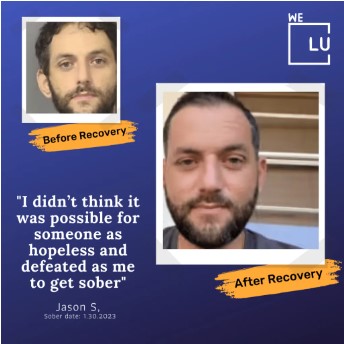
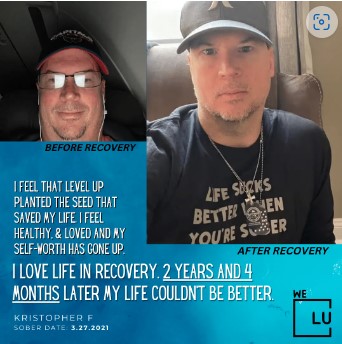
See our authentic success stories. Get inspired. Get the help you deserve.

Start a New Life
Begin with a free call to an addiction & behavioral health treatment advisor. Learn more about our dual-diagnosis programs. The We Level Up Treatment Center Network delivers recovery programs that vary by each treatment facility. Call to learn more.
- Personalized Care
- Caring Accountable Staff
- World-class Amenities
- Licensed & Accredited
- Renowned w/ 100s 5-Star Reviews
We’ll Call You