Alcohol and antibiotics can be confusing. Safety depends on the medicine, your health, and how much you drink. Some antibiotics have stronger alcohol warnings, while others may still cause worse side effects when combined with alcohol.
Drinking alcohol may slow healing. It can upset your stomach, affect sleep, and make it harder to recover from an infection. This guide explains safety risks, common side effects, and when alcohol use may point to a need for support.
- What are alcohol and antibiotics?
- Can You Drink Alcohol and Take Antibiotics?
- Antibiotics and Drinking Alcohol
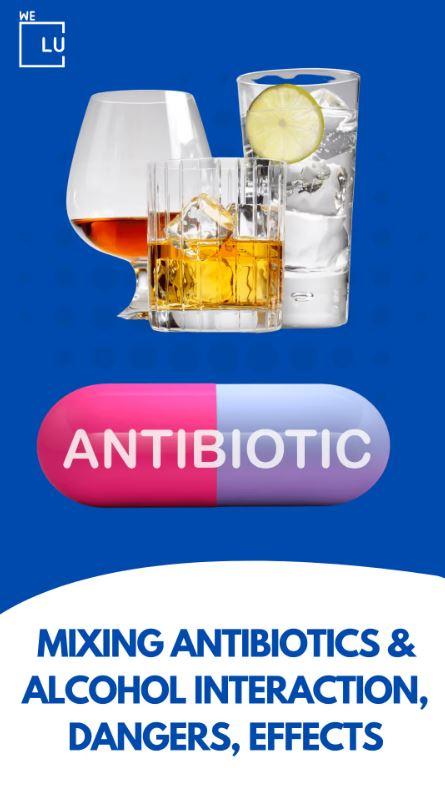
- Mixing Antibiotics and Alcohol
- Alcohol and Antibiotics Interaction
- Antibiotic and Alcohol Harmful Interactions
- Why Choose We Level Up for Alcohol Use Support?
- What to Expect During Alcohol Use Treatment
- Benefits of Getting Help for Alcohol Use
- FAQs About Alcohol & Antibiotics
- Can you drink alcohol and take antibiotics?
- What happens when you drink alcohol and take antibiotics?
- Is mixing antibiotics and alcohol dangerous?
- What is an alcohol and antibiotics interaction?
- Can alcohol affect the effectiveness of antibiotics?
- Which antibiotics should not be mixed with alcohol?
- How does We Level Up help?
- Ready to Get Started
- Medical Disclaimer
What are alcohol and antibiotics?
Alcohol and antibiotics refer to drinking alcohol while taking medicine for a bacterial infection. Antibiotics help treat infections caused by bacteria. They do not treat colds, flu, or most viral illnesses.
When a doctor prescribes antibiotics, they expect them to work a certain way. If you’ve been drinking, that might be harder to do. Also, it might make you feel worse while your body heals and recovers.
When antibiotics are used together, this doesn’t always happen. Still, drinking alcohol when you’re sick is generally not a good idea. You need to rest, drink water, eat, and take medicine for a long time.
Some antibiotics have clear drinking warnings. Metronidazole, tinidazole, and linezolid are a few examples. Based on your health background, other medicines may also be dangerous. If you are taking antibiotics, it is best to talk to your doctor or pharmacist before drinking alcohol.
Can You Drink Alcohol and Take Antibiotics?
A lot of people want to know if you can drink alcohol and take antibiotics. Some antibiotics may still work even if small amounts of alcohol are present. But that doesn’t necessarily indicate that it’s always safe to drink.
Some side effects can get worse when you drink alcohol. Some of these are feeling sick, throwing up, having diarrhea, having headaches, feeling dizzy, and being tired. Alcohol can make it harder to deal with your symptoms if you are already sick.
Drinking can also affect your choices. You may forget a dose, skip meals, sleep poorly, or take other drugs at the same time. This can slow recovery and increase the risk of problems.
Some antibiotics should not be mixed with alcohol. These medicines can cause a stronger reaction with alcohol. This may include flushing, a fast heartbeat, stomach pain, dizziness, or severe nausea.
So, the best answer is simple. Ask your provider before you drink alcohol. If you are unsure, avoid alcohol until you finish your antibiotic. Then, drink only if your provider says it is safe.
Learn More:
- Can You Drink Alcohol With Antibiotics Amoxicillin? Amoxicillin and Alcohol Interactions. Can You Drink on Amoxicillin? Amoxicillin Alcohol Effects. Amox CLAV and Alcohol.
- Can You Take Ibuprofen With Alcohol? Can You Mix Alcohol and Ibuprofen? Will Ibuprofen and Alcohol Kill You? Ibuprofen and alcohol Effects Exposed. Alcohol and Ibuprofen Dangers.
- Azithromycin and Alcohol, Risks and Effects
- Bactrim and Alcohol Death, Trimethoprim and Sulfamethoxazole Side Effects with Alcohol
- Mixing Steroids and Alcohol Dangers. Can You Drink Alcohol on Steroids? Alcohol with Steroids Interactions.
- Risks of Mixing Prescription Drugs With Alcohol
- Alcohol Detox Timeline & How To Safely Manage Alcohol Withdrawal Symptoms Treatment
- Alcohol Addiction Treatment, Alcoholism, Signs, Complications & Recovery Rehab Programs
What Happens When You Drink Alcohol and Take Antibiotics?
It depends on the antibiotics, your body, and your health what happens when you drink alcohol and take antibiotics. Some people might have a slight stomachache. Some people might have a bigger response.
Alcohol can make common side effects of antibiotics worse. You may feel tired, dizzy, sick, or weak. You may also have more stomach pain or diarrhea. Some people may feel flushed or lightheaded. Others may have a fast heartbeat or headache. These symptoms can feel scary, especially if you are already sick.
Alcohol can also affect healing. It may make sleep worse and cause dehydration. It may also make it harder to eat well and take medicine on time.
The risk may be higher if you drink a lot of alcohol. It may also be higher if you take other medicines. It may also be higher if you have liver problems. It may also be higher if you have a history of alcohol misuse.
If you have chest pain, fainting, trouble breathing, severe vomiting, confusion, or allergy signs, call 911 right away.
Antibiotics and Drinking Alcohol
Both antibiotics and alcohol can be dangerous because they change the body. Antibiotics help get rid of infections. Having alcohol around while your body is trying to heal adds to the stress.
When you are sick, your body needs energy to heal. Alcohol can disturb sleep and make dehydration worse. It can also upset your stomach. This can be a problem if your antibiotic already causes stomach issues.
Also, drinking may make your treatment routine less consistent. A person could forget to take their drug or stop taking it too soon. As a result, antibiotics may not work as well, and the illness may get worse.
Some people drink when they are sick, feel stressed, or are bored. Some people drink out of habit and can’t even stop for a few days. If it seems hard to give up alcohol, it could mean that you need help. You do not have to wait for a crisis before asking for help.
Mixing Antibiotics and Alcohol
Mixing antibiotics and alcohol means using both at the same time or during the same treatment period. This can raise safety concerns, even if the person does not drink heavily.
The risk changes based on the drug, your health, and how much you drink. For some people, even small amounts may raise risk. When you drink too much, your body may feel more stressed.
Risk may be higher if you:
- Take antibiotics with strong alcohol warnings
- Drink every day or drink heavily
- Have liver, stomach, or heart problems
- Take opioids, sleep medicine, or anxiety medicine
- Feel unable to stop drinking while sick
- Have withdrawal symptoms when you do not drink
These signs do not mean you failed. They mean your health may need more support.If alcohol use feels hard to control, tell your doctor. If you think you may have alcohol withdrawal, medical detox support can help reduce health risks during withdrawal.
Alcohol and Antibiotics Interaction
An alcohol and antibiotics interaction occurs when alcohol affects how your body processes the medicine. It can also worsen side effects. Not all antibiotics interact with alcohol in the same way. Some antibiotics may have little-known interactions with alcohol. Others may cause stronger symptoms when combined with alcohol.
For example, some antibiotics may cause nausea, flushing, headache, or a fast heartbeat when combined with alcohol. Others may increase sleepiness, dizziness, or poor coordination. When combined with antibiotics and other meds, alcohol may also have an impact on drug interactions.
This is why it is important to read the medicine label carefully. You should also ask your doctor or pharmacist before drinking alcohol. Ask whether your specific antibiotic has an alcohol warning.
Do not assume your medication is safe with alcohol because of someone else’s experience. One drink may seem harmless for one person. It may be risky for another.
📞 Call (954) 475-6031 now for free and private help.
Antibiotic and Alcohol Harmful Interactions

Get Your Life Back
Find Hope & Recovery. Get Safe Comfortable Detox, Addiction Rehab & Dual Diagnosis Trused Care.
7/365 Line (844) 597-1011Why Choose We Level Up for Alcohol Use Support?
We Level Up Treatment Centers help people who struggle with alcohol use, substance use, and mental health concerns. Some people first notice the problem when they cannot stop drinking during illness, medication use, or family stress.
Treatment can help people understand why alcohol feels hard to control. It can also support safer withdrawal, better coping skills, and long-term recovery. Care may include alcohol rehab, residential treatment, therapy, dual diagnosis care support, group support, relapse prevention, and aftercare planning.
Some people drink because of anxiety, depression, trauma, grief, or stress. Treating these concerns can help reduce relapse risk. Recovery is not about shame. It is about safety, healing, and learning how to live with more support.
The Joint Commission (TJC) and CARF accredit We Level Up. These groups review healthcare programs for safety and quality.
📞 Call (954) 475-6031 now for private alcohol detox support.
Get Help. Get Better. Get Your Life Back.
Searching for Accredited Drug and Alcohol Rehab Centers Near You?
Even if you have failed previously and relapsed, or are in the middle of a difficult crisis, we stand ready to support you. Our trusted behavioral health specialists will not give up on you. When you feel ready or just want someone to speak to about therapy alternatives to change your life call us. Even if we cannot assist you, we will lead you to wherever you can get support. There is no obligation. Call our hotline today.
(844) 597-1011What to Expect During Alcohol Use Treatment
Treatment often starts with an assessment. The care team asks about alcohol use, health history, mental health, safety, and support at home. This helps decide the safest level of care.
Medical Detox
Some people need alcohol detox first. The effects of alcohol withdrawal can be severe. Some signs are shaking, sweating, feeling sick, nervousness, high blood pressure, trouble sleeping, and seizures. Staff monitors withdrawal symptoms and lower health risks with medical detox. If someone drinks a lot or has been sick when they’ve tried to stop before, this may be important.
Therapy and Mental Health Care
Therapy helps people understand why they drink. It can also teach you how to deal with worry, stress, cravings, shame, grief, trauma, and stress. Individual therapy, group therapy, family therapy, and relapse prevention may be part of the treatment plan. The plan may also include help for people with a dual diagnosis.
Relapse Prevention
Relapse prevention planning aids individuals in getting ready for daily life after treatment has ended. Stress, pain, sickness, social events, boredom, or easy access to alcohol can all be triggers. Therapy, support groups, family education, healthy habits, and aftercare may all be part of a good plan.
First-class Facilities & Amenities
Trusted Integrated Addiction & Mental Health Rehabilitation Treatment
Rehab Centers TourEstablished Addiction Centers. Serene Private Facilities. Inpatient rehab programs vary.
Addiction Helpline (844) 597-1011Comprehensive recovery success experience, backed by a Team w/ History of:
15+
Years of Unified Experience
100s
5-Star Reviews Across Our Centers
10K
Recovery Success Stories Across Our Network
- Low Patient to Therapist Ratio
- Onsite Medical Detox Center
- Comprehensive Dual-Diagnosis Treatment
- Complimentary Family & Alumni Programs
- Alumni Coaching, Recovery & Personal Development Events
Benefits of Getting Help for Alcohol Use
Getting professional help can help people stop drinking and make a better plan for their healing.
Benefits may include:
- Safer withdrawal support
- Help with cravings
- Mental health care
- Better coping skills
- Family education
- Long-term recovery planning
Treatment can also help people make safer choices with illness, medicine, and daily stress.
Specialized, Accredited, 5-Star Reviewed, Evidence-based Addiction & Mental Health Programs. Complete Behavioral Health Inpatient Rehab, Detox plus Co-occuring Disorders Therapy.
CALL(844) 597-1011End the Addiction Pain. End the Emotional Rollercoaster. Get Your Life Back. Start Drug, Alcohol & Dual Diagnosis Mental Health Treatment Now. Get Free, No-obligation Guidance by Substance Abuse Specialists Who Understand Addiction & Mental Health Recovery & Know How to Help.
FAQs About Alcohol & Antibiotics
Can you drink alcohol and take antibiotics?
It depends on the antibiotic and your health. There are stronger alcohol warnings for some antibiotics than for others. Before you drink, talk to your doctor or pharmacist. The better thing to do when you are sick is to stay away from alcohol.
What happens when you drink alcohol and take antibiotics?
Antibiotics and alcohol may make you feel sick, throw up, get headaches, feel dizzy, flush, have stomach pain, or fall asleep. This might happen more often with some medicines. If you feel sick after mixing alcohol and medicine, call your doctor.
Is mixing antibiotics and alcohol dangerous?
It can be dangerous to mix antibiotics with alcohol while taking some meds. It may also make side effects worse and take longer to go away. If you drink a lot, do drugs, or have problems with your liver, stomach, or lungs, you may be more likely to get it.
What is an alcohol and antibiotics interaction?
When alcohol changes or worsens the effects of a drug, this is called interaction. There may be worse side effects or safety risks. There are various ways that drugs can work. Your pharmacist can tell you what is best for your medicine.
Can alcohol affect the effectiveness of antibiotics?
Ask your doctor or pharmacist before drinking alcohol while taking antibiotics. If you are unsure, do not drink until you finish your antibiotic. Only drink again when your provider says it is safe.
Which antibiotics should not be mixed with alcohol?
Some antibiotics need extra caution with alcohol. These may include metronidazole, tinidazole, linezolid, and some others. Always follow the label and ask your prescriber. Do not rely on online advice alone.
How does We Level Up help?
We Level Up can help when alcohol and antibiotic concerns suggest a bigger alcohol use problem. Care may include detox support, therapy, residential treatment, dual diagnosis care, and relapse prevention. A clinical team can help choose the safest level of care. Support is private and focused on long-term recovery.
Ready to Get Started
Seeing that giving up alcohol is hard, even for antibiotics, can be scary. You might be afraid of your health, withdrawal, urges, or being judged. You don’t need to do it by yourself. A treatment center like We Level Up can help you understand your treatment options and find a better way to move forward.
Treatment may include medical detox, therapy, residential treatment, dual diagnosis care, and plans to avoid relapse.You can get free, private help by calling (954) 475-6031, or you can fill out the insurance verification form to find out what kinds of care may be covered. One private call can help you take the next step.
Medical Disclaimer
This content is for education only. It must not replace medical advice. It should not be used for diagnosis or treatment.
Always ask a licensed healthcare provider if you have any medical concerns.
If you are having a medical emergency, call 911 right away.
Alcohol Poisoning Symptoms Video Transcript.
Welcome to the We Level Up treatment center video series. In today’s video, we will discuss Alcohol Poisoning Symptoms, Signs, Cures, Effects & What To Do?
Drinking much alcohol quickly can have dangerous and fatal side effects, such as alcohol poisoning. A coma or death may result from too much alcohol too quickly, affecting respiration, heart rate, body temperature, and gag reflex.
Severe alcohol intoxication necessitates immediate medical attention. If you believe someone may have alcohol poisoning, call 911 to obtain immediate emergency medical care.
When to visit a doctor for alcohol poisoning?
Not all of the warning signs or symptoms of alcohol poisoning must occur before you seek medical help. It is important to note that patients with alcohol poisoning who are dozing off or who cannot be awakened risk dying.
Alcohol poisoning is an urgent situation.
If you have any suspicions, even if you don’t notice the classic symptoms or indicators of alcohol poisoning, you should get immediate medical help. What you need to do for alcohol poisoning is:
Dial your local emergency number or 911 right away. Never rely on someone recovering from alcohol poisoning to sleep.
Be prepared to share details. If you are aware, let medical staff or emergency workers know what kind, how much, and when the patient drank alcohol.
Never leave a person who is unconscious alone. Someone with alcohol poisoning may choke on their vomit and become unable to breathe because alcohol poisoning alters how the gag reflex functions. Don’t try to make the victim throw up while you wait for assistance; you risk making them choke.
Help someone who is throwing up. Make an effort to keep the person seated. Turn the person’s head to the side if they must lie down; this will help them from choking. To prevent unconsciousness, make an effort to keep the person awake.