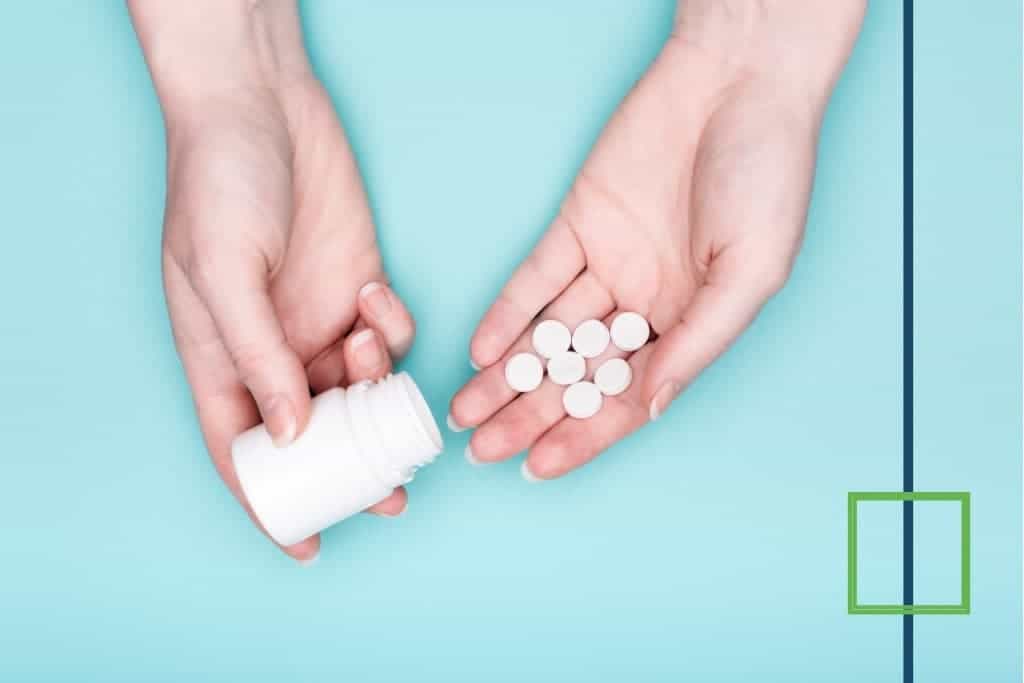
Many people ask, “Can I take expired pain pills?” when pain starts and an old bottle is still in the medicine cabinet. In most cases, taking expired pain pills is not recommended unless a doctor or pharmacist says it is safe. Expired medicine may lose strength, work unpredictably, or create safety risks, especially if it is a prescription opioid or has been stored improperly.
This guide explains what expiration dates mean, what can happen if you take old pain medicine, and how to handle unused pills safely. It also explains when old pills may point to misuse, dependence, withdrawal, or support needs.
- What It Means When Pain Pills Expire
- Do All Pain Pills Have the Same Risk?
- How Long Do Pain Pills Last Before They Expire?
- Expiration Dates and Discard-After Dates
- Expired Pain Meds and Opioid Risks
- Signs You May Need Help With Expired Pain Pills
- Safe Ways to Dispose of Expired Pain Pills
- Why Choose We Level Up Treatment Centers?
- What to Expect During Support
- Benefits of Getting Help for Expired Pain Pills
- How to Lower Risk With Pain Pills at Home
- FAQs About Can I Take Expired Pain Pills
- How to Get Started
- Medical Disclaimer
What It Means When Pain Pills Expire
Pain pills may include over-the-counter, prescription, or opioid medicine.
An expiration date is based on testing for quality, strength, and stability. It tells you how long the product is expected to keep full potency and safety when stored properly. Medicine kept in a cool dry place may better retain quality until the label date.
Storage can change medicine quality. Heat, moisture, sunlight, and damaged packaging may reduce reliability. Pills kept in a bathroom, hot car, purse, or damp area may lose quality faster.
Expired drugs may be weaker or less predictable. This can become dangerous if someone takes extra pills because the first dose does not help. Taking more than directed can raise risks of side effects, overdose, or drug interactions.
Pain pills should never be shared. A medicine safe for one person may be unsafe for another. Age, allergies, health history, dose, pregnancy, liver or kidney problems, and medications can all change how a person reacts.
Learn More:
- Prescription Pill Detox Program
- Prescription Drugs Addiction
- 10 Most Abused Prescription Drugs in the US
- How Long Do Prescription Drugs Stay in Your System?
- Withdrawal Symptoms of Prescription Drugs
- Mixing Prescription Drugs with Alcohol
- Opioid Overdose Symptoms
- Drug Overdose Record
- Inpatient Drug Rehab
- Inpatient Drug Detox
What Happens If You Take Expired Medicine?
Effects depend on the drug, storage, dose, and health. Some expired medicine may lose strength over time. If pain relief is weaker, a person may take more than the label allows. This can increase the risk of harm.
Old pills can also be hard to identify. Labels may fade. Bottles may get mixed up. Different pills may look alike. Taking the wrong pill can be dangerous, especially if it is an opioid, sedative, or medicine that affects breathing.
Expired drugs also create home risks. Children, teens, visitors, or pets may find them. Safe storage and disposal are important because old medicine can still cause harm. If you already took an expired pain pill and feel unwell, call a doctor, pharmacist, poison control, or 911 if symptoms are severe.
Get Help. Get Better. Get Your Life Back.
Searching for Accredited Drug and Alcohol Rehab Centers Near You?
Even if you have failed previously and relapsed, or are in the middle of a difficult crisis, we stand ready to support you. Our trusted behavioral health specialists will not give up on you. When you feel ready or just want someone to speak to about therapy alternatives to change your life call us. Even if we cannot assist you, we will lead you to wherever you can get support. There is no obligation. Call our hotline today.
(844) 597-1011Do All Pain Pills Have the Same Risk?
No. Risk depends on the type of pain medicine.
Over-the-counter pain pills may include acetaminophen, ibuprofen, naproxen, or aspirin. These medicines can cause harm when taken incorrectly. Acetaminophen may affect the liver, especially when mixed with alcohol or other products that contain acetaminophen. Ibuprofen, naproxen, and aspirin are NSAIDs, which may raise the risk of stomach bleeding, kidney problems, allergic reactions, or other complications.
Prescription pain pills may carry higher risks, especially if they include opioids. Opioid pain medicine can slow breathing, cause deep sleepiness, and increase overdose risk when misused or mixed with alcohol, sleep medicine, anxiety medicine, or other drugs.
Do not assume an expired pill is safe because it looks normal. Color, smell, or shape cannot confirm whether the medicine is safe and effective for your pain.
How Long Do Pain Pills Last Before They Expire?
The exact shelf life depends on the drug, maker, package, and storage. Some products may have dates that are months or years away. Pharmacy-filled bottles may have shorter use-by or discard-after dates. Follow the label date unless a pharmacist gives different professional guidance. Do not use expired pain pills to treat severe pain without medical advice.
If you are unsure what a pill is or whether it is still safe, bring the bottle to a pharmacist. They can identify the medicine and explain next steps.
Expiration Dates and Discard-After Dates
Pain pills may have multiple dates. A manufacturer expiration date may appear on the original bottle, box, or foil pack. A pharmacy bottle may also show a discard-after date. A discard-after date is often based on pharmacy rules and repackaging. Once pills are moved from the original package into a smaller pharmacy bottle, the date may be shorter.
If the date is missing, faded, or hard to read, ask a pharmacist before taking it. This is important for liquid medicine, patches, eye drops, and medication outside its original container.
If your pain is new, severe, or getting worse, expired medicine is not the right answer. Pain can signal infection, injury, nerve problems, or another issue. A healthcare provider can help find the cause and recommend a safer option.
Expired Pain Pills Facts
Expired Pain Meds and Opioid Risks
Expired pain meds can be risky because old pills may still affect the body. This is especially true for opioid pain medicine.
Prescription opioids should only be used by the person they were prescribed for and only as directed. Taking old opioid pills for a new pain problem can be unsafe. The dose may no longer fit your health needs. It may also interact with alcohol, sleep medicine, anxiety medicine, muscle relaxers, or substances.
Expired opioids can also create risk in the home. Someone else may take them by mistake or misuse them. A locked area can help briefly, but disposal is best when medicine is no longer needed. If old pain pills feel hard to avoid, save, or throw away, confidential help is available. These concerns may be a sign to explore opioid addiction treatment options.

Get Your Life Back
Find Hope & Recovery. Get Safe Comfortable Detox, Addiction Rehab & Dual Diagnosis Trused Care.
7/365 Line (844) 597-1011
Signs You May Need Help With Expired Pain Pills
Old pain pills can be a warning sign if they are hard to throw away or tempting to use. Support may help when pills feel hard to control.
You may need help if you:
- Take pain pills not prescribed for you
- Use old pills to manage stress or sleep
- Take more than directed
- Save leftovers “just in case.”
- Feel anxious when pills run out
- Mix pills with alcohol or drugs
- Hide pill use from others
These signs do not mean you are weak. They may mean your body and mind need care. Prescription pill misuse can affect health, work, family trust, and safety. Learning prescription drug misuse symptoms can show when old pills point to a larger concern.
Safe Ways to Dispose of Expired Pain Pills
Drug take-back programs are usually the best option for expired or unneeded medication. Many pharmacies, law enforcement offices, hospitals, and community sites offer collection boxes.
Before disposal, remove or scratch out personal information on the bottle label to protect your privacy. This lowers the chance that someone else can misuse the bottle or connect the medicine to your personal details.
If no take-back option is available, ask a pharmacist. Some medicines can be placed in the trash after mixing them with used coffee grounds, dirt, or cat litter, then sealing the mixture in a bag.
The Food and Drug Administration recommends medicine take-back options when available. Do not flush medicine unless the label or official guidance says to flush it. Following safe disposal of unused medicines can reduce harm at home and in the community.
When Expired Pain Pills Point to a Bigger Concern
Expired pain pills may point to a bigger concern if a person keeps them for cravings, stress, sleep, fear of pain, or withdrawal worries. This can happen with opioid pain pills and other prescription medications.
Some people may feel pulled toward old pills during pain, grief, stress, or loneliness. Others may mix pills with alcohol or drugs, which can raise the risk of overdose, injury, unsafe choices, and medical emergencies.
Support may be needed if pill use feels hard to control or if throwing old pills away feels stressful. A treatment plan with medical supervision can help people manage withdrawal, cravings, mental health needs, and relapse risk in a safer way.
First-class Facilities & Amenities
Trusted Integrated Addiction & Mental Health Rehabilitation Treatment
Rehab Centers TourEstablished Addiction Centers. Serene Private Facilities. Inpatient rehab programs vary.
Addiction Helpline (844) 597-1011Comprehensive recovery success experience, backed by a Team w/ History of:
15+
Years of Unified Experience
100s
5-Star Reviews Across Our Centers
10K
Recovery Success Stories Across Our Network
- Low Patient to Therapist Ratio
- Onsite Medical Detox Center
- Comprehensive Dual-Diagnosis Treatment
- Complimentary Family & Alumni Programs
- Alumni Coaching, Recovery & Personal Development Events
Why Choose We Level Up Treatment Centers?
Pain pill concerns can start with surgery, injury, chronic pain, stress, or trouble sleeping. Over time, pills may become part of how someone copes.
We Level Up Treatment Centers offers support for substance use, prescription pill misuse, long-term drug or alcohol concerns, and mental health symptoms. A care team can review pill use, pain history, withdrawal risk, trauma, stress, and triggers through dual diagnosis treatment.
We Level Up is accredited by The Joint Commission and CARF. These organizations review healthcare programs.
Care may include assessment, medical detox, residential care, therapy, dual diagnosis support, relapse prevention, and aftercare planning. Services vary by location, so call and ask what care may fit.
Call (954) 475-6031 now for free and private help.

Specialized, Accredited, 5-Star Reviewed, Evidence-based Addiction & Mental Health Programs. Complete Behavioral Health Inpatient Rehab, Detox plus Co-occuring Disorders Therapy.
CALL(844) 597-1011End the Addiction Pain. End the Emotional Rollercoaster. Get Your Life Back. Start Drug, Alcohol & Dual Diagnosis Mental Health Treatment Now. Get Free, No-obligation Guidance by Substance Abuse Specialists Who Understand Addiction & Mental Health Recovery & Know How to Help.
What to Expect During Support
Care often starts with a private assessment. The team may ask about current medicine, old pills, pain history, withdrawal signs, mental health, and safety needs. This helps them choose a safer next step.
Some people need prescription pill detox support first. Detox from pills can help manage withdrawal while the body adjusts without the drug. This may be important if a person has used opioids or other prescription drugs often.
Therapy can help people understand why they use pills outside medical advice. Pain, grief, trauma, stress, anxiety, sleep problems, and family conflict can all play a role. Therapy can also teach safer coping skills.
Relapse prevention planning helps people prepare for triggers. These may include pain flares, old pill bottles, stress, boredom, or contact with people who misuse drugs.
Benefits of Getting Help for Expired Pain Pills
Getting help can lower safety risks and support long-term change. It can also help people understand the link between pain, stress, medicine, and substance use.
Benefits may include:
- Safer withdrawal support
- Better understanding of medicine risks
- Help with craving
- Therapy for stress, pain, trauma, or anxiety
- Dual diagnosis care for mental health needs
- Relapse prevention planning
- Family education and aftercare support
Treatment is not about shame. It is about safety, health, and learning better ways to cope.
How to Lower Risk With Pain Pills at Home
Keep current medicine in the original bottle. Follow the dose on the label. Do not take medicine prescribed to someone else.
Store medications in a secure place away from children, pets, visitors, and anyone at risk for misuse. Review your medicine cabinet often. Remove expired or unused medicine and use medicine storage safety guidance as part of your home routine.
Do not keep old pills for future pain. New pain may have a different cause and may need a new medical exam. Using old medicine can delay care or cause harm.
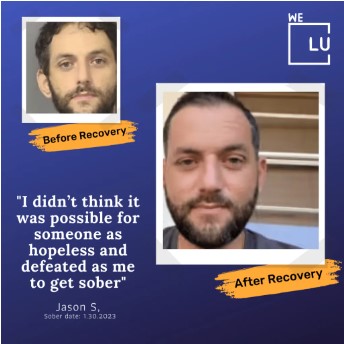
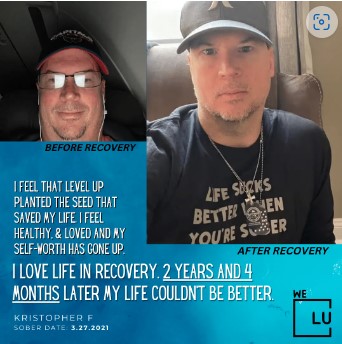
Experience Transformative Recovery at We Level Up Treatment Centers.
See our authentic success stories. Get inspired. Get the help you deserve.

Start a New Life
Begin with a free call to an addiction & behavioral health treatment advisor. Learn more about our dual-diagnosis programs. The We Level Up Treatment Center Network delivers recovery programs that vary by each treatment facility. Call to learn more.
- Personalized Care
- Caring Accountable Staff
- World-class Amenities
- Licensed & Accredited
- Renowned w/ 100s 5-Star Reviews
We’ll Call You
FAQs About Can I Take Expired Pain Pills
What should I do if I already took an expired pain pill?
If you feel fine, call a pharmacist or doctor for guidance. If you feel very sleepy, confused, short of breath, or very sick, call 911 or poison control right away.
Can expired pain pills lose strength?
Yes. Some expired pain pills may become weaker or less reliable over time. This can be risky if someone takes more pills to get relief.
Are old opioid pain pills dangerous at home?
Yes. Old opioid pain pills can still cause misuse, accidental poisoning, slow breathing, or overdose. Store them securely until disposal.
Can expired prescription pain pills cause overdose?
Expired prescription pain pills may still be dangerous, especially opioids. Overdose risk can rise when opioids are taken without medical guidance, taken in higher amounts, or mixed with alcohol, sedatives, or other drugs.
Where can I dispose of expired opioid pain pills?
A drug take-back box or event is often safest. Many pharmacies, hospitals, law enforcement offices, and community sites offer local medication disposal options.
How to Get Started
Finding old pain pills can bring up fear, pain, or temptation, especially if you are unsure whether the pills are safe or if throwing them away feels hard. You may also worry that old pills are becoming part of how you manage stress, sleep, pain, or withdrawal symptoms.
You do not have to handle that concern alone. We Level Up Treatment Centers can help you talk through what is happening and what type of support may fit your needs.
Call (954) 475-6031 for free and private help, or complete the insurance verification form to learn what care may be covered. One honest step can help you move toward safer choices.
Medical Disclaimer
This content is for education only. It must not replace medical advice. It should not be used for diagnosis or treatment.
Always ask a licensed healthcare provider if you have medical concerns.
If you are having a medical emergency, call 911 right away.