

Addiction and low self-esteem often show up together. Many people who struggle with substances also carry deep feelings of shame or worthlessness. Research on mental illness shows these struggles are common, not rare, and help is available for both at the same time.
We Level Up is a national behavioral health network. It has licensed treatment centers in Florida, Texas, California, Washington, and New Jersey. It also offers telehealth support for clients who need care at home. Treatment starts with a full mental health assessment, so our team sees the whole picture, not just the substance use. When low self-esteem and addiction happen together, we treat them as one connected problem through dual diagnosis care.
This guide explains the link between addiction and low self-esteem. It covers signs to watch for. It also lists treatment options that help people heal both at once.
Skip To:
Get Help. Get Better. Get Your Life Back.
Searching for Accredited Drug and Alcohol Rehab Centers Near You?
Even if you have failed previously and relapsed, or are in the middle of a difficult crisis, we stand ready to support you. Our trusted behavioral health specialists will not give up on you. When you feel ready or just want someone to speak to about therapy alternatives to change your life call us. Even if we cannot assist you, we will lead you to wherever you can get support. There is no obligation. Call our hotline today.
(844) 597-1011What Is the Connection Between Addiction and Low Self-Esteem?
Self-esteem is how much you value and respect yourself. When self-esteem is low, a person often feels unworthy, unlovable, or not good enough. These feelings can start in childhood, come from trauma, or build up slowly over time.
Drugs and alcohol can feel like a fast escape from these painful thoughts. For a short time, substances may numb shame or quiet self-doubt. This relief does not last, though. Over time, the addiction and self-esteem problems grow stronger, and each one feeds the other.
This does not mean low self-esteem is the only cause of addiction. Genetics, mental health conditions, trauma, and environment all play a role, too. Still, a professional evaluation can show if low self-esteem is part of your story. It can also help shape a plan around it.
The Correlation Between Addiction and Low Self-Esteem
Addiction rarely travels alone. Many people with substance use disorders also live with depression, anxiety, or past trauma. These conditions often lower self-worth even further, which can deepen the addiction and self-esteem cycle.
When mental health struggles and addiction are treated as separate problems, relapse risk goes up. Treating them together, through an integrated plan, gives people a much stronger chance at lasting recovery.


Get Your Life Back
Find Hope & Recovery. Get Safe Comfortable Detox, Addiction Rehab & Dual Diagnosis Trused Care.
7/365 Line (844) 597-1011Common Signs of Low Self-Esteem and Addiction
Drug addiction and low self-esteem can show up in ways that are easy to miss or explain away. Common signs include:
- Frequent negative self-talk or harsh self-criticism
- Using substances to feel confident in social settings
- Difficulty accepting compliments or support from others
- Intense guilt or shame after drinking or using drugs
- Comparing yourself constantly to other people
- Staying in unhealthy relationships out of fear of being alone
- Avoiding new challenges out of fear of failing
- Using substances to cope with disappointment or rejection
If several of these signs feel familiar, it may be time to talk with a professional. Ask about low self-esteem and addiction recovery support.
Questions About Our Facilities or Programs?
Our admissions coordinators are available 24/7 to answer your questions. As you decide, we can help you see if We Level Up is right for you or a loved one.
Talk To Our Team: (844) 597-1011
First-class Facilities & Amenities
Trusted Integrated Addiction & Mental Health Rehabilitation Treatment
Rehab Centers TourEstablished Addiction Centers. Serene Private Facilities. Inpatient rehab programs vary.
Addiction Helpline (844) 597-1011Comprehensive recovery success experience, backed by a Team w/ History of:
15+
Years of Unified Experience
100s
5-Star Reviews Across Our Centers
10K
Recovery Success Stories Across Our Network
- Low Patient to Therapist Ratio
- Onsite Medical Detox Center
- Comprehensive Dual-Diagnosis Treatment
- Complimentary Family & Alumni Programs
- Alumni Coaching, Recovery & Personal Development Events
How We Evaluate Addiction and Low Self-Esteem
A licensed clinician will ask about your history with substances, your mood, and how you see yourself. This conversation helps identify patterns tied to shame, trauma, or self-worth. It also checks for co-occurring conditions like depression or anxiety.
Because addiction and low self-esteem often overlap with other mental health conditions, an accurate picture matters. It allows our team to build a treatment plan that fits your specific needs, not a generic program.

Specialized, Accredited, 5-Star Reviewed, Evidence-based Addiction & Mental Health Programs. Complete Behavioral Health Inpatient Rehab, Detox plus Co-occuring Disorders Therapy.
CALL(844) 597-1011End the Addiction Pain. End the Emotional Rollercoaster. Get Your Life Back. Start Drug, Alcohol & Dual Diagnosis Mental Health Treatment Now. Get Free, No-obligation Guidance by Substance Abuse Specialists Who Understand Addiction & Mental Health Recovery & Know How to Help.
Evidence-Based Treatment for Addiction and Low Self-Esteem
Talk Therapy and Coping Strategies
Therapy gives people a safe space to talk through painful memories and beliefs. A therapist helps clients spot harmful thoughts, like “I am not good enough,” and replace them with healthier, balanced thoughts.
Group and Family Support
Hearing from others who share similar struggles can reduce shame in a powerful way. Family therapy also helps repair trust and improve communication, which often strengthens self-worth at home.
Integrated Dual-Diagnosis Care
When low self-esteem is tied to depression, anxiety, or trauma, treating both helps more. It works better than treating addiction alone. This integrated approach targets the root causes, not just the substance use.
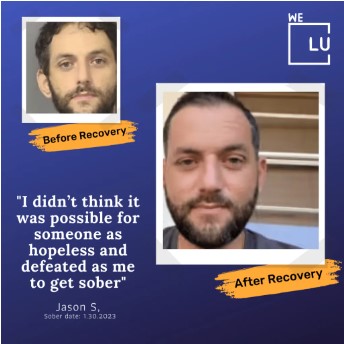
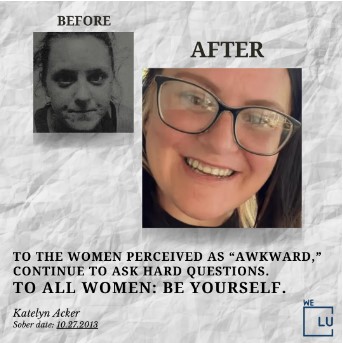
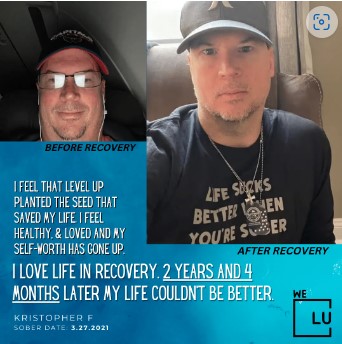
Experience Transformative Recovery at We Level Up Treatment Centers.
See our authentic success stories. Get inspired. Get the help you deserve.
Start a New Life
Begin with a free call to an addiction & behavioral health treatment advisor. Learn more about our dual-diagnosis programs. The We Level Up Treatment Center Network delivers recovery programs that vary by each treatment facility. Call to learn more.
- Personalized Care
- Caring Accountable Staff
- World-class Amenities
- Licensed & Accredited
- Renowned w/ 100s 5-Star Reviews
We’ll Call You
We Level Up’s Approach to Addiction and Self-Esteem Treatment
Treatment begins with a full assessment to understand your symptoms, triggers, and any co-occurring mental health conditions. From there, our clinical team builds a plan made just for you, and adjusts it as you make progress.
As part of your individualized plan, therapeutic approaches may include:
- Cognitive Behavioral Therapy (CBT): Helps identify and reframe negative thought patterns that damage self-worth.
- Dialectical Behavior Therapy (DBT): Builds skills for managing painful emotions without turning to substances.
- Individual and Group Counseling: Offers a mix of personal insight and shared peer support.
- Trauma-Informed Care: Addresses past experiences that may be feeding shame and self-doubt.
What Our Program Offers
- Comprehensive mental health and addiction assessments
- Individualized treatment planning
- Evidence-based therapy focused on self-worth and coping skills
- Group therapy and peer support
- Family involvement when appropriate
- Aftercare planning and continued support
Levels of Care for Low Self-Esteem and Addiction Recovery
The right level of care depends on the severity of your symptoms and how much support you need day to day. We Level Up offers a full continuum of care.
Residential Treatment
Residential treatment offers 24/7 support in a structured setting. This level of care eases daily stress and gives clients space to focus on healing self-esteem and ending addiction cycles.
Outpatient Treatment
Outpatient treatment lets people keep working, going to school, or caring for family. They still get structured therapy several times a week. This option works well for milder symptoms or as a step down from residential care.
What to Expect During Treatment
Treatment is structured but personalized to your needs. Most people move through a routine that blends therapy, reflection, and skill-building. On a typical day, you can expect:
- Individual therapy sessions
- Group therapy and peer support
- Skill-building around emotional regulation and self-talk
- Check-ins with your care team to track progress
Outside of sessions, clients practice new coping skills and reflect on their growth. Over time, this steady practice helps rebuild confidence and supports long-term recovery.
Co-Occurring Disorders Linked to Addiction and Low Self-Esteem
| Mental Health Condition | How It Often Connects to Low Self-Esteem and Addiction |
| Anxiety disorders | Constant worry and self-doubt can drive people to self-medicate with substances. |
| Major depressive disorder | Feelings of hopelessness and low self-worth often go hand in hand with substance use. |
| Trauma-related disorders | Past trauma can leave lasting shame that fuels both low self-esteem and addiction. |
| Social anxiety | Fear of judgment may lead someone to use substances to feel more comfortable around others. |
| Body image concerns | Negative self-image can contribute to substance use as a coping tool. |
Treating these conditions alongside addiction, rather than separately, gives clients a much stronger foundation for lasting change.
Tips for Building Self-Esteem in Recovery
Rebuilding self-worth takes practice, not perfection. These habits can support your progress:
- Forgive past mistakes instead of dwelling on them
- Notice and celebrate small wins along the way
- Practice consistent self-care, like sleep, movement, and healthy meals
- Stay engaged in ongoing therapy and support groups
- Use daily positive affirmations, even if they feel awkward at first
- Build relationships with people who support your recovery
Working on relapse prevention alongside these habits helps protect the progress you make in treatment.
Insurance and Accessibility
We Level Up works with many insurance providers to help make treatment for addiction and low self-esteem accessible. Our admissions team can verify your benefits and walk you through your options, usually within a few hours.
Take the Next Step Toward Addiction and Self-Esteem Recovery
Addiction and low self-esteem can feel like a never-ending cycle, but real change is possible. With the right support, you can quiet the shame, build confidence, and create a life you’re proud of.
We Level Up Treatment Centers operates seven accredited facilities in Florida, Texas, California, Washington, and New Jersey. Each facility has licensed physicians, psychologists, and therapists who provide individualized care. No matter where you are, we’re here to help you take the first step.
Call Now: (844) 597-1011
Frequently Asked Questions
Can low self-esteem cause addiction?
Low self-esteem does not cause addiction by itself, but it is a strong risk factor. Many people use drugs or alcohol to escape feelings of worthlessness or shame. Over time, this habit can turn into a substance use disorder.
Does addiction make self-esteem worse?
Yes. Addiction often pushes people to act against their own values, which creates guilt and shame. This can lower self-esteem even further and fuel continued substance use.
How long does it take to rebuild self-esteem in recovery?
There is no set timeline. Self-esteem tends to grow slowly through therapy, small daily wins, and steady support. Many people notice real change within the first few months of treatment.
Can therapy really improve self-esteem during addiction recovery?
Yes. Therapies like CBT and DBT help people spot harmful self-talk. They learn to question it and replace it. This builds healthier beliefs about themselves. It supports both self-esteem and sobriety.
Is low self-esteem a mental health condition?
Low self-esteem is not a diagnosis on its own, but it is closely linked to depression, anxiety, and trauma. A mental health assessment can help identify what’s driving it.
What if I’ve relapsed before because of low self-worth?
Relapse does not mean failure. Many people relapse when old feelings of shame return. Treatment can build a plan that addresses self-esteem directly, so you have stronger tools next time.
Search for Florida Rehab Centers & Other Resources
Sources:
- National Institute of Mental Health (NIMH). Mental Illness Statistics. NIMH.gov.
- Sarkhel S, Singh OP, Arora M. The Role of Self-esteem in Tendency towards Drugs, Theft, and Prostitution. National Center for Biotechnology Information (NCBI).