

Buprenorphine Addiction Treatment
Buprenorphine is a prescription opioid for opioid use disorder and some severe pain. Common products include Subutex, Suboxone, Zubsolv, Sublocade, and Brixadi. Some products contain only buprenorphine, while others combine buprenorphine and naloxone. Each form has its own use, dose, and safety rules.
The drug acts on opioid sites in the brain, but its effects have a limit. It can reduce cravings and help people stop heroin or other opioids. The drug may also lower the risk of overdose during proper opioid use disorder care. However, regular use can still cause physical dependence.
Buprenorphine detox should not begin with a sudden dose change. For many people, continued medicine may be safer than stopping it. A care team should compare tapering risks with the benefits of ongoing treatment. The final plan should protect health, recovery, and overdose safety.
We Level Up Treatment Centers does not assume that stopping buprenorphine is right for every client. Clinicians first compare tapering risks with the benefits of continued opioid use disorder treatment. This review guides national substance abuse and mental health facility care focused on stability, overdose prevention, and recovery goals. When tapering is appropriate, staff coordinate withdrawal support, naloxone planning, therapy, and follow-up care.
What Is Buprenorphine?
Buprenorphine is a partial opioid agonist, so it turns on opioid sites in a limited way. It can ease cravings and withdrawal without causing the same effects as many full opioids. The SAMHSA buprenorphine guide explains its role in opioid use disorder care. The medicine works best with counseling and steady support.
The drug comes as films, tablets, injections, skin patches, and cheek films. Some forms treat opioid dependence, while other forms treat lasting pain. Addiction treatment programs can review the exact product and reason for use. Staff should also ask about alcohol, sedatives, pain medicine, and street opioids.
The drug binds strongly to opioid sites and blocks the effects of some other opioids. This action can reduce cravings and lower the appeal of short acting opioids. Starting it too soon after another opioid may cause sudden withdrawal. A doctor should guide the first dose and later changes.

Skip To:

Get Your Life Back
Find Hope & Recovery. Get Safe Comfortable Detox, Addiction Rehab & Dual Diagnosis Trused Care.
7/365 Line (844) 597-1011Who Should Not Take or Stop Buprenorphine Without Medical Advice?
People allergic to the drug should not take it. Severe liver disease, breathing problems, pregnancy, or nursing may require special care. Older adults and people with head injuries may need closer checks. A doctor should review all health problems before changing treatment.
Alcohol, sleep drugs, and other opioids can slow breathing when mixed with the medicine. These combinations may cause deep sleep, coma, or death. The Food and Drug Administration lists approved medicines used to treat opioid dependence. People should tell their doctor about every medicine and street drug.
A person taking prescribed buprenorphine should not change the dose alone. Pregnancy, recent opioid use, or past overdose can change the safest plan. Naloxone should remain nearby when there is a risk of overdose. Call 911 for slow breathing, blue lips, or
Signs of Buprenorphine Misuse or Addiction
Physical dependence can happen during proper care and does not always mean addiction. Addiction includes lost control, cravings, risky use, or continued use despite harm. A full review can tell normal dependence from unsafe use. This helps the team choose fair and useful care.
Common warning signs include:
- Taking more medicine or using it more often than directed
- Changing films, tablets, patches, or injections in an unsafe way
- Seeking extra doses from several people, clinics, or online sellers
- Mixing the medicine with alcohol, sedatives, or other opioids
- Hiding medicine use, spending, supplies, or failed efforts to stop
- Missing work, school, bills, family duties, or medical visits
- Continuing after overdose, falls, infections, or family concern
- Feeling unable to control use despite clear health or life harm
Severe sleepiness, slow breathing, or blue lips may signal an overdose. Naloxone can reverse an opioid overdose when it is given quickly. Call 911 even when the person wakes or starts breathing again. Stay nearby because overdose signs may return.
Why Can Buprenorphine Become Hard to Stop?
The drug stays on opioid sites for a long time. The brain and body can adjust to this steady effect. A missed dose may then cause discomfort or worry about withdrawal. This response is physical dependence and can happen during proper use.
Tolerance means a medicine has less effect than before. Addiction is different and includes lost control or harmful use. Doctors may diagnose opioid use disorder when opioid use causes harm or deep stress. Some people misuse the medicine for relief, sedation, or self-managed withdrawal.
The correct dose of buprenorphine depends on the product, symptoms, and treatment stage. Buprenorphine dosing may change during the first days or later care. People should not copy another person’s schedule or split medicine without help. A doctor can explain whether continued use or tapering best supports recovery.no response.
The Importance of Buprenorphine Detox
Withdrawal from buprenorphine may cause restlessness, sweating, yawning, body aches, nausea, or diarrhea. Other physical symptoms may include cramps, a fast heartbeat, chills, and poor sleep. Anxiety, low mood, and strong cravings may also occur. Symptoms may start later than withdrawal from shorter-acting opioids.
The buprenorphine detox timeline depends on the product, dose, use length, health, and other drugs. Long-acting injections may follow a different course than films or tablets. A doctor may lower the medicine in small steps and pause when symptoms grow. The goal is steady progress, not the fastest result.
A quick buprenorphine detox may sound easier, but fast dose cuts can cause more pain. They can also raise the chance of return to opioid use. Buprenorphine withdrawal symptoms should be tracked throughout the taper. Detox should connect with therapy, naloxone, and continued recovery support.
Get Help. Get Better. Get Your Life Back.
Searching for Accredited Drug and Alcohol Rehab Centers Near You?
Even if you have failed previously and relapsed, or are in the middle of a difficult crisis, we stand ready to support you. Our trusted behavioral health specialists will not give up on you. When you feel ready or just want someone to speak to about therapy alternatives to change your life call us. Even if we cannot assist you, we will lead you to wherever you can get support. There is no obligation. Call our hotline today.
(844) 597-1011How Buprenorphine Addiction Is Treated
Buprenorphine addiction treatment starts with a review of the product, dose, use, and recovery goals. Staff also ask about other opioids, alcohol, sedatives, and past overdose. They review housing, work, family support, pain, and mental health. These facts guide a clear care plan.
Therapy helps people understand triggers, cravings, stress, and unsafe medicine use. Cognitive behavioral therapy links thoughts, feelings, triggers, and daily choices. Clients practice safer responses to cravings, pain, fear, and conflict. These skills become stronger through regular practice.
Treatment may include:
- Dialectical Behavior Therapy: DBT teaches skills for distress, strong feelings, and impulsive choices.
- Individual Counseling: Private sessions cover goals, fear, pain, trauma, and setbacks.
- Group Counseling: Groups offer support, feedback, and honest communication practice.
- Trauma-Informed Therapy: This care considers how past harm may shape opioid use.
- Life Skills Training: Clients practice sleep, meals, money, work, and healthy routines.
- Holistic Therapies: Movement, breathing, yoga, and mindfulness may support calm.
- Relapse Prevention Planning: Clients list triggers, warning signs, contacts, and urgent steps.
Mental health treatment may help with anxiety, depression, PTSD, bipolar disorder, or poor sleep. Care should also address chronic pain, grief, housing, and family stress. Some treatments for opioid use disorder include long-term medicine instead of detox. The safest choice should support health, stability, and long-term recovery.
Levels of Care for Buprenorphine Addiction Treatment
The right setting depends on withdrawal risk, dose, product, health, housing, and past relapse. A guide to levels of care can help families compare support options. Some people need care throughout each day and night. Others can use daytime or weekly care after becoming stable.
Medical Detox
Medical detox provides day-and-night care while the medicine is reduced or stopped under close medical guidance. Staff check sleep, mood, vital signs, pain, cravings, fluids, and withdrawal changes during each shift. Doctors may slow, pause, or adjust the taper when symptoms become severe or hard to manage. Before discharge, the team plans therapy, naloxone, housing, rides, family support, and continued care to protect recovery and reduce risky gaps after each client leaves.
Residential Treatment
An inpatient rehab program provides round-the-clock care in a safe and drug-free setting. This level may fit repeated relapse, unsafe housing, severe cravings, weak home support, or serious mental health needs. Clients follow a daily plan with therapy, groups, meals, health checks, medicine reviews, and recovery work. Staff track mood, pain, sleep, and cravings while planning lower care, stable housing, follow-up visits, and safer routines after discharge during early recovery.
Partial Hospitalization Program
Partial hospitalization provides many treatment hours on most weekdays without an overnight stay at the center. Clients attend therapy, groups, health visits, skill lessons, and progress checks before returning home each evening. They practice coping skills between visits while staff review cravings, mood, pain, sleep, and new safety concerns. This level works best with stable housing, safe travel, steady attendance, honest updates, and reliable support from family or trusted peers.
Intensive Outpatient Program
An intensive outpatient program offers several planned visits each week for people who can live safely at home. Clients may keep work, school, or family duties while receiving therapy, peer support, and recovery lessons. Sessions cover cravings, sleep, pain, mood, relationships, coping skills, routines, and relapse planning. Staff may suggest stronger care if opioid use, severe symptoms, unsafe housing, or safety concerns return between visits during early recovery at home.
Telehealth Treatment
Telehealth can provide therapy, follow-up visits, medicine checks, and care planning through private online sessions. It may help people facing travel, work, distance, health, or child care barriers during recovery. Clients need privacy, stable internet, a working device, and a clear local emergency plan. Online care can support progress after detox, but severe withdrawal, unsafe housing, or urgent health needs still require direct care from trained local staff nearby.
First-class Facilities & Amenities
Trusted Integrated Addiction & Mental Health Rehabilitation Treatment
Rehab Centers TourEstablished Addiction Centers. Serene Private Facilities. Inpatient rehab programs vary.
Addiction Helpline (844) 597-1011Comprehensive recovery success experience, backed by a Team w/ History of:
15+
Years of Unified Experience
100s
5-Star Reviews Across Our Centers
10K
Recovery Success Stories Across Our Network
- Low Patient to Therapist Ratio
- Onsite Medical Detox Center
- Comprehensive Dual-Diagnosis Treatment
- Complimentary Family & Alumni Programs
- Alumni Coaching, Recovery & Personal Development Events
The Role of Mental Health and Co-Occurring Disorders
Opioid use may occur with anxiety, depression, PTSD, bipolar disorder, OCD, or poor sleep. Some people use opioids to manage fear, trauma, grief, or pain. Relief may be brief and can make some problems worse later. Addiction and mental health needs should be checked together.
Dual diagnosis treatment joins addiction care with support for mental health symptoms. Treating only opioid use may leave fear, pain, or trauma in place. Treating only mood symptoms may leave cravings and overdose risk in place. One team can keep therapy, medicine, pain care, and safety planning connected.
The Importance of a Strong Support Network
Recovery grows stronger with safe housing, steady sleep, peer help, and family support. Support groups can reduce isolation and offer guidance during hard changes. Family care may rebuild trust and teach healthy limits. Alumni services can add meetings, coaching, and contact after treatment.
We Level Up helps clients prepare for life after structured care. Plans may list contacts, meetings, daily goals, naloxone, and emergency steps. Check-ins can catch rising stress, pain, or cravings early. Long-term support can rebuild health, work, family roles, and purpose.
Specialized, Accredited, 5-Star Reviewed, Evidence-based Addiction & Mental Health Programs. Complete Behavioral Health Inpatient Rehab, Detox plus Co-occuring Disorders Therapy.
CALL(844) 597-1011End the Addiction Pain. End the Emotional Rollercoaster. Get Your Life Back. Start Drug, Alcohol & Dual Diagnosis Mental Health Treatment Now. Get Free, No-obligation Guidance by Substance Abuse Specialists Who Understand Addiction & Mental Health Recovery & Know How to Help.
Is Buprenorphine Detox Right for Me?
A taper may be considered when someone is stable and wants to stop with medical support. It may also be needed after misuse, side effects, or a change in care. A free drug and alcohol assessment can compare continued medicine with taper options. Asking for help does not force an immediate decision.
Detox may not be the safest choice for every person with opioid use disorder. Past overdose, recent relapse, unstable housing, or strong cravings may favor continued medicine. A private review can explain the risks and benefits. Call 911 when slow breathing or another crisis makes safety uncertain.
Insurance and Admissions Support
Many health plans cover some detox, residential, outpatient, and mental health services. Coverage depends on the network, care need, costs, and approval rules. A staff member can verify rehab insurance before treatment begins. Staff can explain likely benefits and costs in clear words.
The admissions team can discuss travel, timing, payment choices, and what to bring. Calls stay private and do not require a same-day choice. Help is available 24 hours each day. Staff can also explain the first day of care.
Frequently Asked Questions
How Long Does Buprenorphine Detox Take?
The timeline depends on the product, dose, use length, health, and other drugs. Some tapers take weeks or longer. A doctor should guide the pace and adjust it when symptoms become hard to manage.
Can I Stop Buprenorphine Suddenly?
Sudden stopping can cause withdrawal, cravings, and opioid reuse. A doctor should plan a gradual taper. Naloxone should remain nearby because lost tolerance can raise overdose danger after a return to opioids.
Does Buprenorphine Block Other Opioids?
The drug binds strongly to opioid sites and may reduce the effects of other opioids. The amount of blockade can vary. Taking extra opioids to overcome it can cause overdose or death.
What Helps Buprenorphine Withdrawal?
A slow taper, sleep support, fluids, meals, therapy, and regular check-ins may help. A care team can adjust the plan when symptoms increase. Emergency care is needed for overdose or severe mental distress.
Does Insurance Cover Buprenorphine Detox?
Many plans cover some detox and addiction services. Benefits depend on the network, care need, costs, and approval rules. Admissions staff can review coverage before treatment starts.
Start Your Recovery Today
Misuse of the medicine can harm health, trust, work, and family life. A safe plan can address withdrawal, cravings, pain, and mental health needs. For some people, continued medicine may remain the safest choice. A private call can help explain the next step.
Help can begin before every question has an answer. Staff can explain tapering, continued treatment, insurance, travel, and timing. The call remains private and does not require an immediate choice. Clear facts can help each person and family choose safer care.
We Level Up Treatment Centers operates seven accredited facilities across Florida, Texas, California, Washington, and New Jersey, each staffed by licensed physicians, psychologists, and therapists delivering individualized care. No matter where you are, our admissions team can help you explore treatment options. Private help is available 24 hours a day, seven days a week. Call (954) 475-6031 to request an assessment and discuss your next step.
Call Now: (954) 475-6031 | Verify Insurance | Free Assessment
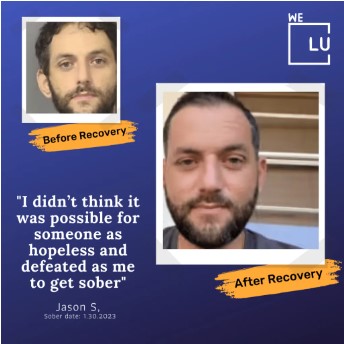
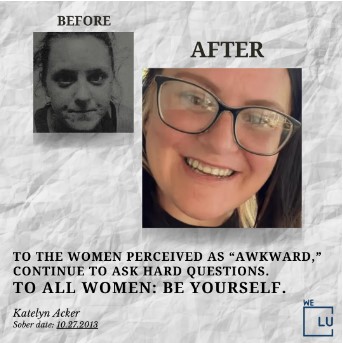
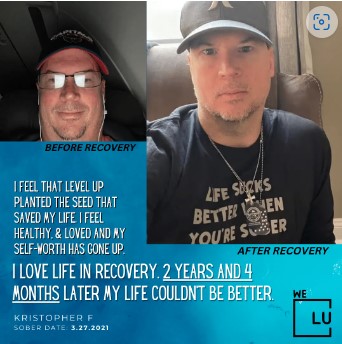
Experience Transformative Recovery at We Level Up Treatment Centers.
See our authentic success stories. Get inspired. Get the help you deserve.
Start a New Life
Begin with a free call to an addiction & behavioral health treatment advisor. Learn more about our dual-diagnosis programs. The We Level Up Treatment Center Network delivers recovery programs that vary by each treatment facility. Call to learn more.
- Personalized Care
- Caring Accountable Staff
- World-class Amenities
- Licensed & Accredited
- Renowned w/ 100s 5-Star Reviews
We’ll Call You