

Drug Rehab Dana Point CA | Addiction & Mental Health Treatment
Dana Point is a city located in southern Orange County, California, United States. It Dana Point is a coastal city in Orange County, California. The area includes nearby communities such as San Juan Capistrano, Laguna Beach, San Clemente, and Mission Viejo. People in these communities may seek help for alcohol use, drug use, addiction, or mental health concerns. Finding the right Dana Point rehab can provide structure, support, and a safer path toward recovery.
We Level Up Treatment Centers is a nationwide network that provides alcohol and drug rehab and mental health care. Our California treatment center is in Lake Elsinore, serving people from across Southern California. Treatment options can include medical detox, residential rehab, and dual diagnosis care. A dual diagnosis means a person has both a substance use disorder and a mental health condition.
Skip To:
Dana Point Rehab Treatment Resources for Alcohol & Drug Use Disorders
Searching for an Inpatient Rehab Dana Point? The nearest We Level Up CA recovery centers include:
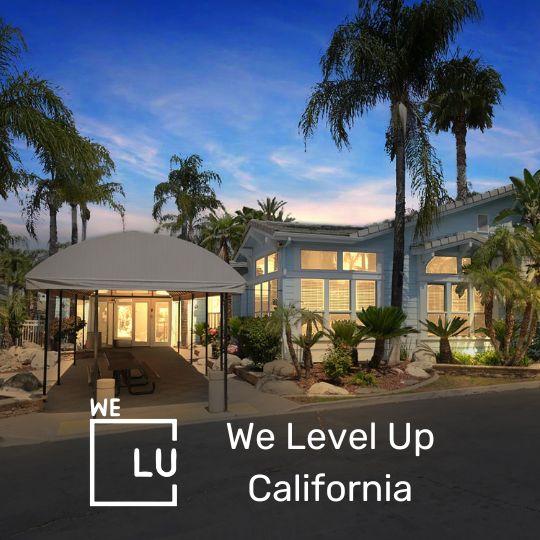
Our Top Drug & Alcohol Rehab Center in California
31631 Auto Center Dr. Lake Elsinore, CA 92530
(844) 597-1011
The We Level Up network is BBB “A” rated, Accredited & Licensed.
California Addiction & Mental Health Resources by City
- No ImageFind Lancaster Mental Health Clinics & Support Groups in California
 Find Depression Counseling San Francisco & Mental Health Clinics in CA
- No ImageFind Mental Health Clinics & Depression Monterey CA Support Groups
- No ImageFind Mental Health Clinics & Depression Support Groups Merced County CA
- No ImageFind Mental Health Clinics & Depression Counseling El Dorado Hills, CA
- No ImageInyo County Alcohol and Drug Addiction Treatment
- No ImageLassen County Alcohol & Drug Rehab
Get Help. Get Better. Get Your Life Back.
Searching for Accredited Drug and Alcohol Rehab Centers Near You?
Even if you have failed previously and relapsed, or are in the middle of a difficult crisis, we stand ready to support you. Our trusted behavioral health specialists will not give up on you. When you feel ready or just want someone to speak to about therapy alternatives to change your life call us. Even if we cannot assist you, we will lead you to wherever you can get support. There is no obligation. Call our hotline today.
(844) 597-1011Are you or somebody you know at serious risk of an overdose because of drug or alcohol abuse? If so, please call 911 right away. There are addiction rehab center addiction hotlines that can help guide you to proper local therapists & facilities.
SAMHSA TREATMENT HELPLINE
Struggling with substance use disorder? SAMHSA’s Addiction Treatment Helpline can connect you with proper help. (844) 597-1011
DRUG or ALCOHOL POISON CONTROL
If you’re experiencing or witnessing a drug- or alcohol-related poisoning, the poison control hotline can help. (844) 597-1011
Why Recover in Dana Point, California?
Dana Point offers a calmer setting for people who want space from daily triggers. Its coastal location can also make it easier to step away from stressful routines. Recovery still requires clinical care, but a stable environment can support that work.
- Peaceful surroundings: A quieter setting may help reduce daily stress while you focus on treatment.
- Access to care: Dana Point is near several Orange County communities and major Southern California roads.
- Outdoor spaces: Parks, walking areas, and coastal spaces can support healthy activities during recovery.
- Connected community: Local recovery groups give people ways to build sober support after treatment.
The area also provides access to larger cities when needed. Major roads connect Orange County communities with access to public transportation services. This can help families stay involved when a person chooses treatment nearby.

Get Your Life Back
Find Hope & Recovery. Get Safe Comfortable Detox, Addiction Rehab & Dual Diagnosis Trused Care.
7/365 Line (844) 597-1011
Treatment Modalities at We Level Up
Treatment should match the person’s needs and health history. We Level Up offers addiction treatment programs designed to address different stages of recovery. The program offered should match each person’s health, substance use, and recovery goals.
Medical Detox
Medical detox helps people stop using drugs or alcohol under professional supervision. Withdrawal can cause physical and mental symptoms after substance use stops. Some forms of withdrawal can become dangerous without medical care.
A detox treatment center provides a structured, live-in setting. This setup is beneficial for people who need around-the-clock support.
A medical detox team monitors symptoms and helps manage withdrawal safely. Treatment may include medications when they are appropriate. After detox, patients may move into residential care or another level of treatment.
Residential Rehab
Inpatient addiction treatment provides a structured setting where clients live at the treatment center. Care can include therapy, medical support, recovery education, and daily activities. The goal is to give clients time and space to focus on recovery.
A structured schedule can also reduce exposure to common triggers. Clients can practice new coping skills while receiving support from trained professionals. A residential recovery program may be helpful for people who need more structure than outpatient care provides.
Partial Hospitalization Program (PHP)
A Partial Hospitalization Program, or PHP, provides intensive treatment during the day. Clients usually return home or to supportive housing after treatment. PHP can provide more structure than standard outpatient care.
PHP may include therapy, recovery education, and mental health services. It can support people who need intensive care but do not need overnight treatment. Availability varies by provider and location.
Intensive Outpatient Program (IOP)
An Intensive Outpatient Program, or IOP, provides regular treatment without requiring a full-time residential stay. This model can offer more flexibility for people with work, school, or family duties. Treatment may include individual and group therapy.
IOP can also help people continue recovery after residential treatment. Clients can use new skills in daily life while staying connected to care. The schedule depends on the person’s needs and treatment plan.
Outpatient Treatment
Outpatient treatment supports recovery while a person continues living at home. It can include therapy, medication management, and recovery planning. This level can provide long-term support after more intensive care. Typically, this modality follows inpatient treatment.
Outpatient care can also help people maintain progress after rehab. Plans for outpatient services may change as recovery needs change. We Level Up notes that programs vary by facility, so ask admissions which outpatient options are available.
Medication-Assisted Treatment (MAT)
Medication-Assisted Treatment, or MAT, combines approved medications with counseling and behavioral therapy. It can help people with opioid use disorder and alcohol use disorder. Common medications include buprenorphine, methadone, and naltrexone for opioid treatment.
For alcohol use disorder, approved medications may include naltrexone, acamprosate, and disulfiram. A medical provider chooses medication based on the person’s health and treatment needs. Therapy remains an important part of MAT.
Source: California Health Care Foundation – chcf.org/collection/behavioral-health-california-almanac/
Levels of Care Explained
Addiction treatment often follows a continuum of care. This means a person may move from a higher level of support to a lower level as recovery becomes more stable. The right path depends on medical needs, substance use, mental health, and progress.
Detox
Who it’s for: People who need help stopping alcohol or drug use safely.
Typical duration: Detox often lasts several days, but the length varies by substance and health needs.
Treatment goals: The main goals are safe withdrawal management, symptom control, and preparation for ongoing treatment.
Residential Treatment
Who it’s for: People who need a structured, live-in treatment setting.
Typical duration: Residential treatment may last about 30 to 90 days. Some people need longer care.
Treatment goals: Goals include stopping substance use and learning coping skills. In several instances, patients may expect to treat mental health concerns and prepare for life after rehab.
PHP
Who it’s for: People who need intensive daytime treatment but can live outside a treatment center.
Typical duration: PHP schedules often involve several hours of treatment on multiple days each week.
Treatment goals: PHP can support patients in becoming stable. It also comes with therapy, medication management, and the use of recovery skills in daily life.
IOP
Who it’s for: People who need regular treatment but can manage more daily responsibilities.
Typical duration: IOP length varies based on treatment needs and progress.
Treatment goals: IOP focuses on continued therapy, relapse prevention, coping skills, and stable recovery.
Outpatient
Who it’s for: People who can live at home while continuing treatment.
Typical duration: Outpatient care can continue for months or longer when needed.
Treatment goals: The focus is long-term recovery, relapse prevention, mental health support, and healthy daily routines.
First-class Facilities & Amenities
Trusted Comprehensive Addiction & Mental Health Rehabilitation Treatment
Rehab Centers TourRecognized Addiction Centers. Serene Private Facilities. Inpatient rehab programs vary.
Addiction Helpline(844) 597-1011Recovery-Centered Care, Backed by a Team w/ History of:
15+
Years of Unified Experience
100s
5-Star Reviews Across Our Centers
10K
Recovery Success Stories Across Our Network
- Onsite Medical Detox Center
- Comprehensive Dual-Diagnosis Treatment
- Complimentary Family & Alumni Programs
- Alumni Coaching, Recovery & Personal Development Events
Evidence-Based Therapy & Treatment Approaches
Therapy helps people understand addiction and build new skills. Treatment can also address mental health, trauma, family concerns, and relapse risks. The care team can adjust a specific evidence-based treatment based on each person’s needs.
Cognitive Behavioral Therapy (CBT)
Cognitive Behavioral Therapy, or CBT, helps people identify harmful thoughts and behaviors. It teaches practical ways to respond to stress and cravings. CBT may help with addiction, depression, anxiety, and trauma.
Dialectical Behavior Therapy (DBT)
Dialectical Behavior Therapy, or DBT, teaches skills for managing strong emotions. It can also improve communication and coping skills. DBT may help people with addiction, anxiety, depression, PTSD, and other concerns.
Individual Therapy
Individual therapy gives clients private time with a trained clinician. Sessions can address substance use, emotions, relationships, trauma, and recovery goals. This approach helps the therapist tailor treatment to the person.
Group Therapy
Group therapy brings people together in a structured setting. Members can share experiences, practice skills, and receive support. Groups may focus on recovery, coping skills, mental health, or relapse prevention.
Family Therapy
Family therapy helps loved ones understand addiction and its effects. It can improve communication and help families set healthy boundaries. Family sessions can happen when they support the person’s treatment goals.
Trauma-Informed Care
Trauma-informed care considers how past trauma may affect thoughts, emotions, and behavior. Trauma means a distressing event or experience that can have lasting effects. Treatment focuses on safety, trust, coping skills, and personal control.
Relapse Prevention
Relapse prevention helps people identify situations that may lead to substance use. Clients learn how to manage cravings, stress, and high-risk situations. These skills can support recovery after treatment ends.
Holistic Therapies
Holistic therapies support the whole person during recovery. They may include mindfulness, recreation, exercise, or other wellness activities. These approaches can support stress management when used with clinical treatment.
What Makes a Quality Rehab Center?

Choosing treatment is an important decision. A quality program should provide clear information about care, costs, staff, and treatment goals. Use this checklist when reviewing a rehab center.
- Licensed clinicians
- Recognized accreditation
- Medical detox when clinically needed
- Dual diagnosis treatment
- Individualized care plans
- Family involvement
- Aftercare planning
- Insurance verification and payment guidance
A strong program should also explain who provides medical care. Ask how staff handle emergencies and medication needs. You should understand what happens during admission before treatment begins.
Dana Point Support Groups & Community Resources
Recovery support can continue outside formal treatment. Local meetings can help people build connections with others in recovery. Always confirm meeting times before attending because schedules can change.
AA Meetings
Alcoholics Anonymous, or AA, offers peer support for people who want to stop drinking. Orange County has meetings in Dana Point and nearby communities. The local AA directory lists Dana Point meetings, including meetings near Dana Point Harbor.
NA Meetings
Narcotics Anonymous, or NA, provides peer support for people recovering from drug addiction. Orange County NA lists meetings throughout the area. It also provides information about virtual meetings and local recovery activities.
SMART Recovery
SMART Recovery uses practical tools to support changes in addictive behavior. Meetings may focus on managing urges, changing thoughts, and building a balanced life. Online and local meeting options can change over time.
Local Mental Health Resources
Orange County provides behavioral health services for residents who need mental health support. The county also operates crisis services and connects people with community resources. For a behavioral health crisis, Orange County’s Mobile Crisis Assessment Team provides 24/7 response.
People can also contact OC Links for behavioral health referrals and support. These services are separate from private rehab programs. They can be useful when someone needs community mental health resources.
Experience Transformative Recovery at We Level Up Treatment Centers.
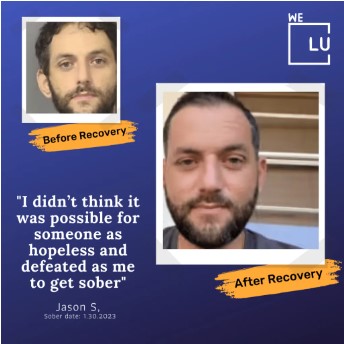
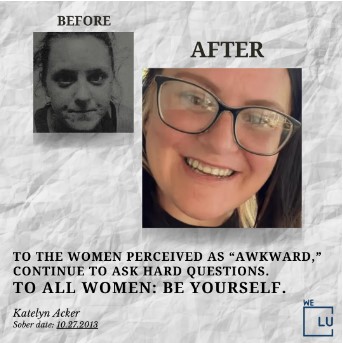
See our authentic success stories. Get inspired. Get the help you deserve.
Start a New Life
Begin with a free call to an addiction & behavioral health treatment advisor. Learn more about our dual-diagnosis programs. The We Level Up Treatment Center Network delivers recovery programs that vary by each treatment facility. Call to learn more.
- Personalized Care
- Caring Accountable Staff
- World-class Amenities
- Licensed & Accredited
- Renowned w/ 100s 5-Star Reviews
We’ll Call You
Is Dana Point Right for Your Recovery?
Staying near home can make family involvement easier. It may also help you maintain work, school, or other responsibilities. Local treatment can be a good option when your home environment supports recovery.
Traveling for treatment can offer a different benefit. Distance may help you step away from people, places, or routines linked to substance use. Some people also prefer more privacy during treatment.
The severity of addiction matters when choosing a location and level of care. People with severe withdrawal risks may need medical detox. Others may need residential care before they can safely return to daily responsibilities.
Family needs also matter. Ask how often loved ones can visit and how family therapy works. Admissions staff can review your situation and help identify a suitable location and level of care.
Dual Diagnosis & Co-Occurring Mental Health Treatment
Substance abuse and mental health often affect one another. Some people use substances to cope with anxiety, depression, trauma, or other symptoms. Substance use can also make mental health symptoms worse.
Common co-occurring conditions include depression, anxiety, PTSD, bipolar disorder, and trauma-related disorders. Co-occurring means two or more conditions happen at the same time. Treating both conditions can help create a more complete recovery plan.
Integrated treatment addresses addiction and mental health together. Therapy may focus on substance use while also addressing emotional symptoms. When a qualified provider belives it to be appropriate, patients can receive necessary medication.
We Level Up provides dual diagnosis services within its treatment network. Available services can vary by location. Ask the admissions team which mental health programs are available for your needs.
Family Involvement & Alumni Support
Addiction affects the whole family. Family members may need education, support, and help with communication. Family therapy can help loved ones understand addiction and learn healthier ways to respond.
We Level Up offers a family program that can include education, family therapy, support, and coaching. Visitation may be available when the clinical team approves it. Specific family services can vary by facility and treatment plan.
Support can continue after formal treatment ends. We Level Up’s alumni program includes virtual meetings, events, and continued recovery connections. Alumni support can help former clients stay connected to peers and recovery resources.
Insurance, Payment Options & Financial Assistance
The cost of rehab depends on the level of care, treatment length, insurance plan, and other factors. Insurance verification can help you understand what your plan may cover. Coverage can vary, so ask for a review of your specific benefits.
We Level Up provides an insurance verification service for people seeking addiction and mental health treatment. Admissions staff can help explain coverage and available payment options. You can also ask about financial guidance before making treatment arrangements.
Our admissions team is available 24/7 to verify your insurance benefits at no cost.
Facility Tour & Treatment Environment
The treatment environment can affect your comfort and focus. We Level Up provides facility tours so prospective clients and families can learn more about its treatment settings. Available amenities differ by location.
Depending on the facility, accommodations may include private or shared rooms, therapy spaces, dining areas, outdoor areas, and recreational spaces. Fitness and wellness activities may also be available. To determine the available amenities, ask our admissions team.
A facility tour can also help you understand the daily setting. You can ask about rooms, meals, therapy areas, activities, and staff support. This can make the admission process feel less uncertain.
Start Your Recovery Today
You do not need to solve everything before asking for help. A confidential assessment can help you understand your treatment options. The first step may be a simple conversation with an admissions professional.
We Level Up can help review treatment needs, insurance benefits, and available care. The team can also discuss whether a California location or another treatment setting may fit your needs. Services vary by facility, so ask what is currently available.
Call (844) 597-1011 for a confidential assessment and insurance verification. Admissions support is available 24/7.
Frequently Asked Questions
How long does rehab last?
Rehab length varies from person to person. Some residential programs last about 30 days. Others may last 60, 90 days, or longer based on clinical needs.
Can I use insurance for rehab?
Many private insurance plans may cover some addiction or mental health services. Coverage depends on your specific plan. We Level Up can verify insurance benefits and explain available options.
Can I keep working during treatment?
It depends on the level of care. Residential treatment requires you to live at the facility. Outpatient care may provide more flexibility for work or school.
What should I bring to rehab?
Each facility has its own packing rules. Ask admissions for a current approved-items list before you arrive. This can help prevent problems during intake.
Can family visit during treatment?
Family visitation may be available when it supports treatment goals. The clinical team must approve visits based on the patient’s situation. Ask the facility about current visitation rules. Call (844) 597-1011 today.
Do you treat mental health conditions?
Family visitation may be available when it supports treatment goals. The clinical team must approve visits based on the patient’s situation. Ask the facility about current visitation rules. Call (844) 597-1011 today.
Can I travel to California for treatment?
Yes, some people choose treatment away from home. Traveling can provide distance from familiar triggers and daily stress. Admissions staff can discuss available locations and transportation needs.
What happens during the first call?
An admissions professional can ask about pertinent information. This could be substance use, health needs, mental health, and treatment history.
Our admissions team is available 24/7 to answer your questions. Call (844) 597-1011 to learn more.

We Level Up Tamarac FL
Premier Behavioral Health Treatment Center
 Licensed & Accredited w/ 5-star reviews.
 - Inpatient mental health treatment center
- Therapy for depression, anxiety, trauma, bipolar disorder, PTSD, and more.
- Dual diagnosis rehab programs available

We Level Up West Palm Beach
Premier Behavioral Health Treatment Center
Licensed & Accredited. - Inpatient mental health treatment center
- Therapy for depression, anxiety, trauma, bipolar disorder, PTSD, and more.
- Dual diagnosis rehab programs available
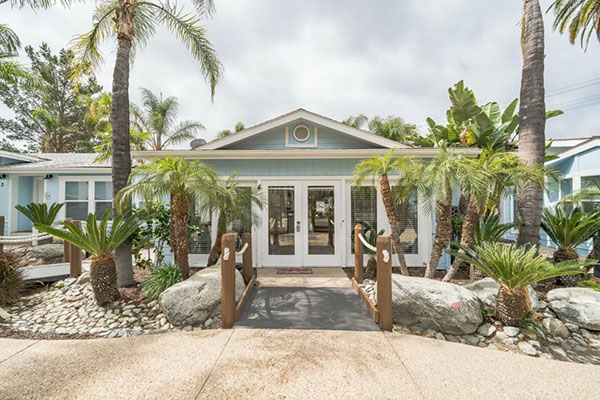
We Level Up California
Drug & Alcohol Addiction Treatment Center w/Detox
Licensed & Accredited w/ 5-star reviews. - Inpatient addiction rehab center w/medical detox
- Addiction treatment and detox for alcohol, benzo, heroin, opioid, and more.
- Secondary mental health treatment available as part of our dual diagnosis programs.
Popular Dana Point Rehab Articles of Interest
Medical Disclaimer
The information on this website is for informational purposes only and does not provide nor substitute professional medical advice. Always seek the help of a physician or other qualified health provider if you have questions regarding your health! This content is not intended to replace professional medical advice, diagnosis, or treatment. Do not overlook professional medical advice or wait to seek it because of something you have read on this site. In the event of a medical emergency, call 911 immediately. This website does not recommend nor endorse any specific tests, doctors, products, procedures, opinions, or other information that may be noted on the website. Dependence on any information supplied by this website is exclusively at your own risk.