
Drug Rehab La Mirada, CA | Addiction & Mental Health Treatment
La Mirada is a Southeast Los Angeles County community near Whittier, Cerritos, Norwalk, Buena Park, and Fullerton. People searching for La Mirada rehab may be struggling with alcohol, drugs, anxiety, depression, trauma, or more than one concern at the same time. Substance use can affect physical health, relationships, employment, school, finances, and daily responsibilities. Professional treatment can provide medical care, therapy, structure, and recovery planning based on each person’s needs.
Los Angeles County offers a broad substance use disorder treatment system for adults and young people who meet eligibility requirements. Residents can enter care through the Substance Abuse Service Helpline (SASH), Client Engagement and Navigation Services, or by contacting treatment providers directly. SASH operates 24 hours a day and provides screening, resources, and referrals to alcohol and drug treatment providers. County programs can include outpatient and residential services, giving La Mirada residents different ways to seek help.
We Level Up Treatment Centers operates a national network providing addiction and mental health services. The current We Level Up Brea resource page highlights California services that include inpatient addiction treatment with medical detox, addiction treatment for multiple substances, and secondary mental health treatment through dual diagnosis programs. Its California facility is in Lake Elsinore rather than La Mirada, so admissions can help determine whether that location or another treatment option fits the person’s needs.
Why Consider Recovery in La Mirada, CA?
La Mirada can provide a familiar setting for people who want to remain connected with family and local support while beginning recovery. Its parks and community facilities also provide places for healthy routines and sober recreation.
- Parks and recreation: La Mirada maintains parks and athletic facilities, including neighborhood parks, sports fields, and recreational spaces.
- Regional access: The city’s location near Whittier, Cerritos, Norwalk, and Buena Park gives residents access to services throughout the surrounding area.
- Family connection: Staying near home can make family participation and follow-up support more practical for some people.
- Choice of setting: Others may benefit from traveling for treatment to create distance from familiar triggers, routines, or social pressures.
La Mirada Rehab Center Resources for Alcohol & Drug Addiction
Searching for “La Mirada Drug Rehab”? The nearest We Level Up CA treatment centers include:
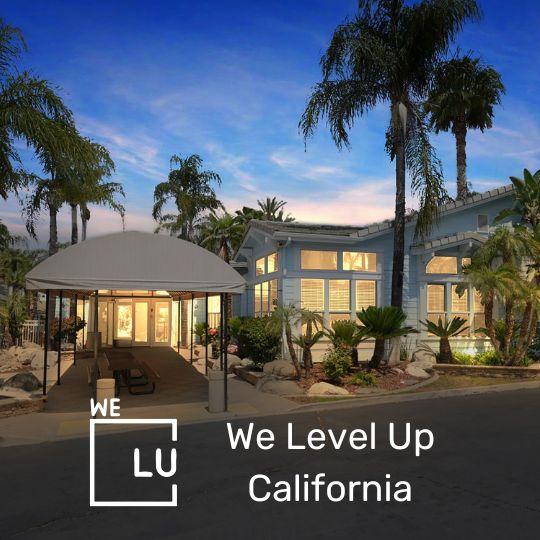
Our Top Drug & Alcohol Rehab Center in California
31631 Auto Center Dr. Lake Elsinore, CA 92530
(844) 597-1011
The We Level Up network is BBB “A” rated, Accredited & Licensed.
California Addiction & Mental Health Resources by City
- No ImageFind Lancaster Mental Health Clinics & Support Groups in California
 Find Depression Counseling San Francisco & Mental Health Clinics in CA
- No ImageFind Mental Health Clinics & Depression Monterey CA Support Groups
- No ImageFind Mental Health Clinics & Depression Support Groups Merced County CA
- No ImageFind Mental Health Clinics & Depression Counseling El Dorado Hills, CA
- No ImageInyo County Alcohol and Drug Addiction Treatment
- No ImageLassen County Alcohol & Drug Rehab
Get Help. Get Better. Get Your Life Back.
Searching for Accredited Drug and Alcohol Rehab Centers Near You?
Even if you have failed previously and relapsed, or are in the middle of a difficult crisis, we stand ready to support you. Our trusted behavioral health specialists will not give up on you. When you feel ready or just want someone to speak to about therapy alternatives to change your life call us. Even if we cannot assist you, we will lead you to wherever you can get support. There is no obligation. Call our hotline today.
(844) 597-1011Are you or somebody you know at serious risk of an overdose because of drug or alcohol abuse? If so, please call 911 right away. There are addiction rehab center addiction hotlines that can help guide you to proper local therapists & facilities.
SAMHSA TREATMENT HELPLINE
Struggling with substance use disorder? SAMHSA’s Addiction Treatment Helpline can connect you with proper help. (844) 597-1011
DRUG or ALCOHOL POISON CONTROL
If you’re experiencing or witnessing a drug- or alcohol-related poisoning, the poison control hotline can help. (844) 597-1011
Levels of Care Explained
The right level of care depends on withdrawal risk, substance use severity, physical and mental health, home support, and previous treatment experiences. Treatment intensity can change as a person’s condition improves or new concerns arise. A clinical assessment helps identify an appropriate starting point and determine when a transition is safe.
Medical Detox
- Who it’s for: People who may face significant medical risks during withdrawal.
- Typical duration: Often several days, depending on the substance and health needs.
- Treatment goals: Manage withdrawal safely, stabilize health, and prepare for ongoing care.
Residential Care
- Who it’s for: People who need structured, around-the-clock recovery support.
- Typical duration: Often several weeks or longer.
- Treatment goals: Address substance use, develop coping skills, and reduce relapse risk.
Partial Hospitalization Program
- Who it’s for: Medically stable people who still need intensive daytime treatment.
- Typical duration: Varies according to clinical needs and progress.
- Treatment goals: Strengthen stability, coping skills, and transition planning.
Intensive Outpatient Program
- Who it’s for: People who can live safely outside residential treatment but need regular therapy.
- Typical duration: Often several weeks or longer.
- Treatment goals: Manage triggers, strengthen routines, and build relapse-prevention skills.
Outpatient Treatment
- Treatment goals: Maintain recovery, manage triggers, and support long-term wellness.
- Who it’s for: People who are stable enough for less intensive professional support.
- Typical duration: Weeks to months, depending on individual needs.

Get Your Life Back
Find Hope & Recovery. Get Safe Comfortable Detox, Addiction Rehab & Dual Diagnosis Trused Care.
7/365 Line (844) 597-1011Treatment Modalities at We Level Up
Treatment should address more than substance use alone when mental health, physical health, family stress, or relapse risks are also present. The We Level Up California program described on its network pages provides inpatient addiction treatment, medical detox, and dual diagnosis care. Specific services can vary by facility, so admissions should confirm current availability before treatment arrangements are made.
Medical Detox
Medical detox provides professional supervision while the body clears alcohol or drugs. Withdrawal can become medically serious with some substances, making unsupervised withdrawal unsafe. Clinical staff can monitor symptoms and provide appropriate medical support when needed. Detox is generally the first step toward continued treatment rather than a complete recovery program by itself.
Residential Rehab
Residential rehab provides a structured environment where people can live while receiving intensive treatment. A program may combine individual counseling, group therapy, medical support, recovery education, family services, and daily wellness activities. This level can be helpful when substance use is severe or the home environment makes recovery difficult. We Level Up identifies inpatient and residential addiction care within its treatment network.
Partial Hospitalization Program (PHP)
A Partial Hospitalization Program provides intensive treatment during the day without requiring overnight residence in the program. It may suit people who are medically stable but still require frequent clinical support. Treatment can address cravings, mental health symptoms, coping skills, and relapse prevention. Availability and eligibility should be confirmed during the admissions assessment.
Intensive Outpatient Program (IOP)
An Intensive Outpatient Program offers regular therapy while allowing a person to spend more time at home. IOP may fit someone with stable housing and enough support to remain safe outside treatment hours. Sessions can address triggers, cravings, stress, relationships, and emotional health. It can also serve as a step down from more intensive treatment.
Outpatient Treatment
Outpatient care allows people to receive ongoing professional support without living at a treatment facility. Services may include therapy, medication management, relapse prevention, and mental health care. Outpatient treatment can follow residential care, PHP, or IOP as recovery becomes more stable. Some people continue outpatient services for months as they build long-term recovery habits.
Medication-Assisted Treatment (MAT)
Medication-Assisted Treatment, or MAT, combines approved medications with counseling and behavioral support for certain substance use disorders. Medications may help reduce cravings or withdrawal symptoms for some people with opioid or alcohol use disorders. A qualified medical professional should determine whether medication is appropriate based on health history and treatment goals. Los Angeles County’s substance use system includes medication treatment among available services.
California Substance Abuse Treatment Admissions Enrollments
The graph below illustrates substance abuse primary treatment admissions enrollment in California during 2019 (as a single-day count). The data show that drug addictions such as stimulants (including methamphetamine), followed by marijuana, are among California’s most commonly cited drugs for primary drug treatment admissions.

Source: California Health Care Foundation – chcf.org/collection/behavioral-health-california-almanac/
Evidence-Based Therapy and Treatment Approaches
Effective treatment combines research-supported approaches with care tailored to the person’s history, symptoms, strengths, and recovery goals. Therapy can address substance use as well as anxiety, depression, trauma, relationships, stress, and other concerns. Treatment may combine behavioral therapy, medication, medical support, family participation, peer support, and aftercare. SAMHSA recommends looking for licensed professionals, evidence-based treatment, medication options when appropriate, and continuing support when evaluating a program.
Cognitive Behavioral Therapy (CBT)
- Purpose: Cognitive Behavioral Therapy helps identify connections between thoughts, emotions, and behaviors.
- Benefits: It can build practical coping strategies and improve responses to triggers.
- When used: It may help when harmful thought patterns contribute to substance use or relapse.
Dialectical Behavior Therapy (DBT)
- Purpose: Dialectical Behavior Therapy teaches skills for managing intense emotions and stressful situations.
- Benefits: It can support emotional regulation, communication, and healthier decisions.
- When used: It may be useful when emotional distress affects recovery or relationships.
Individual Therapy
- Purpose: Individual counseling provides private space to explore substance use, mental health, trauma, and personal goals.
- Benefits: It allows treatment to focus on personal triggers and barriers.
- When used: Individual therapy can be included across different levels of care.
Group Therapy
- Purpose: Group therapy uses guided discussion, education, skills practice, and peer interaction.
- Benefits: It can reduce isolation and encourage shared learning.
- When used: Groups may be part of residential, inpatient, and outpatient programs.
Family Therapy
- Purpose: The Family Program can help loved ones understand addiction and recovery.
- Benefits: Family education can improve communication and support healthier boundaries.
- When used: It may be helpful when family relationships affect recovery.
Trauma-Informed Care
- Purpose: Trauma-informed care considers how traumatic experiences can affect substance use and mental health.
- Benefits: It emphasizes safety, trust, choice, and collaboration.
- When used: It may be appropriate when trauma symptoms influence treatment or daily life.
Relapse Prevention
- Purpose: Relapse prevention identifies triggers, warning signs, cravings, and high-risk situations.
- Benefits: It helps people develop practical responses before difficult situations occur.
- When used: These skills can begin in treatment and continue through aftercare.
Holistic Therapies
- Purpose: Holistic activities may include mindfulness, recreation, movement, and other wellness practices.
- Benefits: They can support stress management and healthier routines.
- When used: They should supplement, not replace, medical and behavioral treatment.
What Makes a Quality Rehab Center?
Finding the right rehab involves more than choosing the closest facility. Ask about licensing, staff qualifications, medical detox, mental health treatment, family participation, aftercare, and how treatment plans are individualized. Los Angeles County’s treatment network includes licensed and certified providers, while SAMHSA recommends considering evidence-based services, medication options, family involvement, and continuing support.
- Licensed and qualified clinical professionals
- Current state licensing and accreditation
- Medical detox when clinically appropriate
- Dual diagnosis treatment
- Individualized treatment plans
- Family education and involvement
- Aftercare and discharge planning
- Clear insurance and payment information
La Mirada Support Groups and Community Resources
Peer support can provide encouragement and connection during and after professional treatment. La Mirada is served by recovery resources in the city and surrounding Whittier-area communities. People can find AA and NA meetings, while SMART Recovery provides additional online and in-person options. Meeting schedules can change, so verify current information before attending.
AA Meetings
Alcoholics Anonymous provides free peer support for people seeking recovery from alcohol use. AA District 18 specifically serves Whittier, La Mirada, La Habra, and Hacienda Heights and provides meeting information and recovery resources. Local listings include meetings in La Mirada and nearby Whittier, giving residents several options for ongoing support.
NA Meetings
Narcotics Anonymous provides peer support for people recovering from drug addiction. People in La Mirada can use current regional meeting directories to locate meetings nearby, including options in surrounding Los Angeles County communities. NA is free to attend and can provide ongoing peer connection after professional treatment. Meeting availability should be confirmed through the current local or regional directory.
SMART Recovery
SMART Recovery uses practical skills to help people manage urges, thoughts, emotions, and behaviors connected with addictive patterns. Its meeting finder provides online and in-person options for people who prefer a skills-based recovery approach. SMART Recovery can be used alongside professional treatment when it fits an individual’s recovery plan.
Local Mental Health Resources
Los Angeles County provides several entry points for substance use treatment and behavioral health support. The Substance Abuse Service Helpline (SASH) is available 24/7 at 1-844-804-7500 for screening, resources, and referrals to alcohol and drug treatment providers. County residents may also access treatment through Client Engagement and Navigation Services or by contacting providers directly. For a life-threatening emergency, call 911 or go to the nearest emergency department.
First-class Facilities & Amenities
Trusted Comprehensive Addiction & Mental Health Rehabilitation Treatment
Rehab Centers TourRecognized Addiction Centers. Serene Private Facilities. Inpatient rehab programs vary.
Addiction Helpline(844) 597-1011Recovery-Centered Care, Backed by a Team w/ History of:
15+
Years of Unified Experience
100s
5-Star Reviews Across Our Centers
10K
Recovery Success Stories Across Our Network
- Onsite Medical Detox Center
- Comprehensive Dual-Diagnosis Treatment
- Complimentary Family & Alumni Programs
- Alumni Coaching, Recovery & Personal Development Events
Is La Mirada Right for Your Recovery?

Staying near La Mirada can make family participation, work responsibilities, appointments, and local peer support easier to maintain. Traveling for treatment may provide greater distance from familiar people, places, or routines associated with substance use. People with severe addiction, dangerous withdrawal risk, unstable housing, or repeated relapse may need a more structured setting. Admissions can review safety, privacy, family needs, work, travel, and recovery goals when helping determine the right treatment location.
Dual Diagnosis and Co-Occurring Mental Health Treatment
A substance use disorder can occur alongside a mental health condition, with each affecting the other. Depression, anxiety, bipolar disorder, and trauma-related disorders are among the concerns that may occur with addiction. Dual diagnosis treatment addresses substance use and mental health needs within one coordinated plan. Treating both concerns together may help remove barriers that could otherwise interfere with recovery.
- Depression treatment can address persistent low mood and related symptoms.
- Anxiety treatment can address excessive worry and fear.
- PTSD treatment can address trauma-related symptoms.
- Mental health treatment can support emotional and behavioral health needs.
Family Involvement and Alumni Support
Addiction can affect spouses, parents, children, and other loved ones. Family education can help people understand substance use, improve communication, recognize warning signs, and establish healthier boundaries. We Level Up’s treatment network includes family and alumni support as part of its broader recovery approach. Aftercare may include therapy, recovery coaching, peer groups, medication support, and other continuing services.
- Family education can explain addiction, recovery, boundaries, and warning signs.
- Family sessions can provide structured opportunities for healthier communication.
- Aftercare can support progress after intensive treatment ends.
- The Alumni Program can provide continued peer connection and recovery support.
Insurance, Payment Options and Financial Assistance
Insurance may cover some addiction and mental health services, but benefits vary by plan, network, authorization requirements, deductibles, and other factors. Admissions staff can review benefits and explain possible payment or financial options before treatment begins. Use the We Level Up insurance verification process to discuss potential coverage. Our admissions team is available 24/7 to verify your insurance benefits at no cost.
Experience Transformative Recovery at We Level Up Treatment Centers.
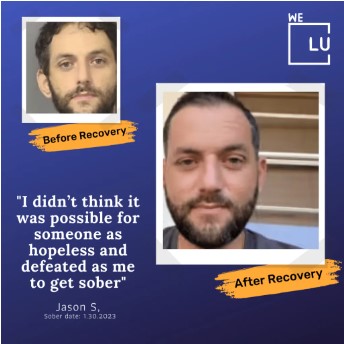
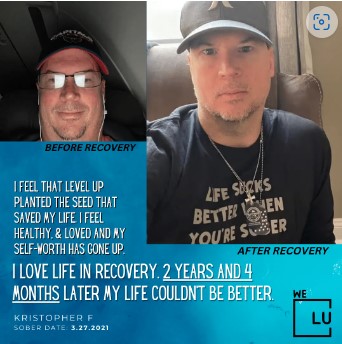
See our authentic success stories. Get inspired. Get the help you deserve.

Start a New Life
Begin with a free call to an addiction & behavioral health treatment advisor. Learn more about our dual-diagnosis programs. The We Level Up Treatment Center Network delivers recovery programs that vary by each treatment facility. Call to learn more.
- Personalized Care
- Caring Accountable Staff
- World-class Amenities
- Licensed & Accredited
- Renowned w/ 100s 5-Star Reviews
We’ll Call You
Facility Tour and Treatment Environment
- We Level Up does not list a residential treatment center directly in La Mirada.
- Its California treatment center is located at 31631 Auto Center Drive, Lake Elsinore, CA 92530.
- The California facility provides inpatient addiction treatment, medical detox, and dual diagnosis services.
- Admissions can provide current information about accommodations, therapy areas, outdoor spaces, dining, recreation, facility images, and available tour options.
Start Your Recovery Today
Seeking treatment does not require having everything figured out first. A confidential admissions conversation can help clarify treatment options, insurance, travel, and the level of care that may fit your situation. Call (844) 597-1011 or use the We Level Up contact form for 24/7 admissions support. If someone is experiencing an overdose or another life-threatening emergency, call 911 immediately.
Medical Disclaimer
The information on this website is for informational purposes only and does not provide nor substitute professional medical advice. Always seek the help of a physician or other qualified health provider if you have questions regarding your health! This content is not intended to replace professional medical advice, diagnosis, or treatment. Do not overlook professional medical advice or wait to seek it because of something you have read on this site. In the event of a medical emergency call 911 immediately. This website does not recommend nor endorse any specific tests, doctors, products, procedures, opinions, or other information that may be noted on the website. Dependence on any information supplied by this website is exclusively at your own risk.
Sources:
- Los Angeles County Department of Health Services — Substance Use Disorder Treatment
- Los Angeles County Department of Public Health — Entryways to Treatment
- Los Angeles County — Member Information and Treatment Resources
- City of La Mirada — Parks and Athletic Facilities
- AA District 18 — Whittier, La Mirada, La Habra & Hacienda Heights Recovery Resources
- AA Meetings — La Mirada Meeting Directory
- Narcotics Anonymous — La Mirada Meeting Information
- We Level Up — Brea Rehab Treatment Resources
- We Level Up California — California Addiction Treatment Center