

Quitting alcohol is not just about willpower. For many people, heavy drinking changes the brain’s reward system. It can cause strong physical cravings that are hard to fight alone. Breaking free often takes more than motivation. It takes the right tools.
Medication-assisted treatment for alcohol, often called MAT, is one of the most effective tools available. It combines FDA-approved medication with counseling and support. It helps reduce cravings, ease withdrawal, and rebuild a stable life. Research shows that medication alone rarely treats an alcohol use disorder. But when paired with therapy, it can support lasting recovery.
As a national substance abuse and mental health facility, We Level Up offers medication-assisted treatment at accredited centers. We serve clients in California, Florida, New Jersey, Washington, and Texas. We also offer telehealth for clients who want support from home. We match each MAT plan to a person’s medical history, drinking pattern, and mental health needs. We pair medication management with proven therapy so clients can heal both the body and the mind.
Skip To:

Get Your Life Back
Find Hope & Recovery. Get Safe Comfortable Detox, Addiction Rehab & Dual Diagnosis Trused Care.
7/365 Line (844) 597-1011Understanding Medication-Assisted Treatment for Alcohol
Medication-assisted treatment for alcohol use disorder uses medicine. It reduces cravings, blocks alcohol’s rewarding effects, or causes an unpleasant reaction to alcohol. These medications do not cure addiction on their own. They give the brain and body room to heal while a person builds new coping skills in therapy.
MAT was developed because alcohol addiction changes brain chemistry in ways that counseling alone cannot always reverse. Heavy drinking suppresses a calming brain chemical called GABA and raises an excitability chemical called glutamate. Over time, the brain adjusts to expect alcohol, which fuels cravings and makes quitting physically uncomfortable.
Unlike a short-term fix, MAT is meant to work alongside long-term care. It is not a replacement for therapy, support groups, or lifestyle change. Instead, it removes some physical barriers that make early recovery so hard. It gives people a better chance to focus on the deeper work of healing.

Get Help. Get Better. Get Your Life Back.
Searching for Accredited Drug and Alcohol Rehab Centers Near You?
Even if you have failed previously and relapsed, or are in the middle of a difficult crisis, we stand ready to support you. Our trusted behavioral health specialists will not give up on you. When you feel ready or just want someone to speak to about therapy alternatives to change your life call us. Even if we cannot assist you, we will lead you to wherever you can get support. There is no obligation. Call our hotline today.
(844) 597-1011What to Expect: How MAT Works
Every medication-assisted treatment plan starts with a full medical and psychological evaluation. From there, treatment usually follows a similar path.
- Long-term planning: As progress continues, the team plans for step-down care and relapse prevention after treatment ends.
- Medical evaluation: A doctor reviews drinking history, health conditions, and any current medications to find safe options.
- Medication selection: The care team chooses a medication based on symptoms, goals, and risk factors.
- Ongoing monitoring: Doctors check in regularly to track side effects and adjust the dose if needed.
- Paired therapy: Clients attend individual or group counseling to address the thoughts and behaviors behind their drinking.
First-class Facilities & Amenities
Trusted Integrated Addiction & Mental Health Rehabilitation Treatment
Rehab Centers TourEstablished Addiction Centers. Serene Private Facilities. Inpatient rehab programs vary.
Addiction Helpline (844) 597-1011Comprehensive recovery success experience, backed by a Team w/ History of:
15+
Years of Unified Experience
100s
5-Star Reviews Across Our Centers
10K
Recovery Success Stories Across Our Network
- Low Patient to Therapist Ratio
- Onsite Medical Detox Center
- Comprehensive Dual-Diagnosis Treatment
- Complimentary Family & Alumni Programs
- Alumni Coaching, Recovery & Personal Development Events
How MAT Helps Alcohol Use Disorder
Alcohol addiction often traps people in a cycle of craving, drinking, and guilt. MAT breaks that cycle by changing how the brain responds to alcohol. This makes it easier to stay focused on recovery.
For example, a person who feels intense cravings every evening may take naltrexone to blunt the urge to drink. Someone who has already stopped drinking might use acamprosate to calm the anxiety and restlessness that often follow detox. A person who struggles with willpower may choose disulfiram. It causes an unpleasant reaction if they drink alcohol. This creates a strong reason to stay sober.
These medications do not erase the need for coping skills. They simply lower the intensity of cravings and withdrawal symptoms, so therapy has a better chance of working.

Questions about our Facilities or Programs?
Our admissions coordinators are available 24/7. They can answer your questions as you consider treatment at We Level Up. They can also help you decide if it is right for you or a loved one.
Pros and Cons of Medication-Assisted Treatment for Alcohol Addiction
Like any medical treatment, MAT has real benefits and a few trade-offs worth understanding before you begin.
Benefits of MAT include:
- Reduces alcohol cravings, making early sobriety more manageable
- Lowers the risk of relapse when paired with counseling
- Eases uncomfortable withdrawal symptoms after detox
- Helps stabilize mood and sleep during early recovery
- Supports better focus and engagement in therapy sessions
- Gives the brain time to recover from long-term alcohol use
- Can be adjusted or stopped under medical supervision as progress continues
- Is backed by decades of clinical research and FDA approval
Possible downsides to consider:
- Medications can cause side effects such as nausea, fatigue, or tiredness
- Some options, like disulfiram, require strict alcohol avoidance to prevent a severe reaction
- MAT is not effective without counseling and behavioral support
- Not every medication works the same way for every person
- Regular medical visits are needed to monitor progress and safety
A doctor can help weigh these factors based on personal health history and goals. What works well for one person may not be the right fit for another.
Specialized, Accredited, 5-Star Reviewed, Evidence-based Addiction & Mental Health Programs. Complete Behavioral Health Inpatient Rehab, Detox plus Co-occuring Disorders Therapy.
CALL(844) 597-1011End the Addiction Pain. End the Emotional Rollercoaster. Get Your Life Back. Start Drug, Alcohol & Dual Diagnosis Mental Health Treatment Now. Get Free, No-obligation Guidance by Substance Abuse Specialists Who Understand Addiction & Mental Health Recovery & Know How to Help.
How MAT Is Used in Practice
We Level Up currently offers four FDA-approved medications for alcohol use disorder. Each works differently, and a doctor selects the right one based on a person’s needs.
Acamprosate was approved in 2004 to help people stay alcohol-free after detox. It helps normalize brain chemistry disrupted by long-term drinking, easing symptoms like insomnia, anxiety, and restlessness. Common side effects include diarrhea, nervousness, and trouble sleeping.
Disulfiram was approved in 1951 and works differently than other options. It causes a severe physical reaction, including nausea and headache, if alcohol is consumed. It does not reduce cravings directly. Instead, it builds a strong incentive to avoid drinking altogether.
Naltrexone blocks the pleasurable effects of alcohol and reduces the odds of relapse. It is available as a daily pill or a monthly injection. Common side effects include nausea, headache, and fatigue.
Topiramate lowers cravings and helps repair the brain systems tied to reward and excitement. Side effects can include tingling, poor concentration, and reduced appetite.
None of these medications works in isolation. At We Level Up, we always pair medication with cognitive behavioral therapy. We also include individual counseling. We also offer group therapy. This helps treat the full picture of addiction, not just physical symptoms.

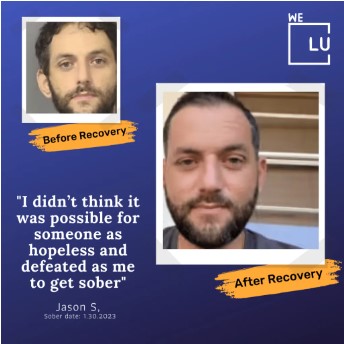
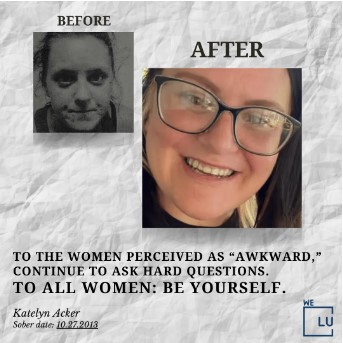
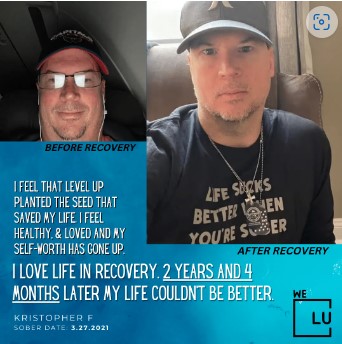
Experience Transformative Recovery at We Level Up Treatment Centers.
See our authentic success stories. Get inspired. Get the help you deserve.
Start a New Life
Begin with a free call to an addiction & behavioral health treatment advisor. Learn more about our dual-diagnosis programs. The We Level Up Treatment Center Network delivers recovery programs that vary by each treatment facility. Call to learn more.
- Personalized Care
- Caring Accountable Staff
- World-class Amenities
- Licensed & Accredited
- Renowned w/ 100s 5-Star Reviews
We’ll Call You
Types of Disorders Treated by MAT
Substance Use Disorders
MAT for alcohol is most often used for moderate to severe alcohol use disorder. It can also support people managing withdrawal after years of heavy or daily drinking. In some cases, clients face more than one substance use issue at once, and a combined treatment plan addresses both issues.
Co-Occurring Mental Health Conditions
Alcohol addiction rarely exists on its own. Many people also live with anxiety, depression, or trauma-related symptoms that fuel their drinking. Treating substance use without addressing these conditions often leads to relapse. Our clinical team provides dual diagnosis treatment. Both conditions are treated at the same time, using one unified plan.
Common co-occurring conditions include:
- Anxiety disorders and panic attacks
- Major depressive disorder
- Post-traumatic stress disorder (PTSD)
- Insomnia and sleep disturbances
- Bipolar disorder
How Successful Is Medication-Assisted Treatment for Alcohol Use Disorder?
Success looks different for each person, but research consistently shows that MAT improves outcomes when combined with evidence-based therapy. People who use these medications with counseling are more likely to have fewer heavy drinking days.
They also tend to stay in treatment longer. They are less likely to relapse fully than with therapy alone.
Success also depends on ongoing support after formal treatment ends. Clients who stay connected to family therapy, peer groups, and alumni resources often keep making progress. Those who stop all support after medication ends may not progress as long. Recovery is rarely a straight line, and setbacks do not mean treatment has failed. They usually mean the plan needs an adjustment.
Find MAT Treatment Near You
We Level Up offers medication-assisted treatment for alcohol at many care levels. Clients get the right support at every stage.
Inpatient MAT Options
For people with severe alcohol dependence, inpatient care offers 24-hour supervision during the most difficult early days. This level of care often starts with medical detox. It is followed by structured therapy and medication management. This care happens in a residential setting, away from daily triggers.
Outpatient Solutions for MAT
For those with work, school, or family responsibilities, outpatient MAT provides medication management and therapy while living at home. This option works well for people with milder alcohol use disorder or those stepping down from residential care.
Frequently Asked Questions
What is medication-assisted treatment for alcohol?
It is a treatment approach that combines FDA-approved medication with counseling. It helps reduce cravings, manage withdrawal, and support long-term recovery from alcohol use disorder.
How long does MAT take to work?
Some medications begin easing symptoms within days, while others take a few weeks to reach full effect. A doctor will monitor progress and adjust the plan as needed.
Can I do MAT without therapy?
Medication alone is not considered a complete treatment. Counseling and behavioral support are essential parts of a successful MAT plan.
Does insurance cover medication-assisted treatment for alcohol?
Most insurance plans cover some portion of alcohol use disorder treatment, including medication and counseling. Verifying benefits ahead of time helps clarify costs.
What are the pros and cons of medication-assisted treatment for alcohol addiction?
MAT can reduce cravings, ease withdrawal, and lower relapse risk. It may cause side effects and needs medical monitoring. A doctor can help decide if it is the right fit.
How successful is medication-assisted treatment for alcohol use disorder?
Studies show MAT improves outcomes when paired with therapy, including fewer heavy drinking days and longer treatment retention. Long-term success also depends on ongoing support after treatment ends.
Can MAT help if I’ve relapsed before?
Yes. Relapse does not mean treatment failed. Many people need an adjusted medication plan or a different level of care to find lasting success.
Sources
National Institute on Alcohol Abuse and Alcoholism (NIAAA). Recommend Evidence-Based Treatment: Know the Options. NIAAA.nih.gov.
Substance Abuse and Mental Health Services Administration (SAMHSA). Medications for Substance Use Disorders. SAMHSA.gov.