
At We Level Up, we offer Adderall addiction therapy across seven accredited facilities in Florida, Texas, California, Washington, and New Jersey. Each location is staffed by licensed physicians, psychologists, and therapists who deliver individualized care.
We Level Up Treatment Centers is an AHCA-licensed facility A morphine addict may struggle with physical dependence, cravings, and changes in daily life. Our Opioid Addiction Treatment programs are led by licensed physicians, therapists, and other behavioral health professionals who create personalized recovery plans for each individual.
Professional support is available 24 hours a day, 7 days a week. Our Medical Detox Programs combine evidence-based therapies, medical care, and personalized treatment plans to help people recover from opioid addiction and other substance use disorders.
Every recovery journey is different. The right treatment depends on each person’s needs. With compassionate care and evidence-based treatment, many people regain control of their lives and achieve lasting recovery.
What is Morphine?
Morphine is a prescription opioid medicine. It helps treat moderate to severe pain. It changes how the brain and nervous system feel pain. When people take it as prescribed, it can help control pain. But using it for a long time or using too much can lead to dependence and addiction.
Some people become a morphine addict after taking morphine for a long time. Others take more than their doctor prescribed. Some use it in ways it was not meant to be used. The risk of addiction can grow over time. Getting help early can make recovery easier.
Is Morphine Addictive?
Many people ask, is morphine addictive? Yes. Morphine is an opioid medicine. It can cause dependence and addiction. Even people who take it as prescribed can become physically dependent if they use it for a long time.
The risk is higher when people:
- Take more morphine than prescribed
- Take morphine more often than prescribed
- Use morphine without a doctor’s care
Getting help early can help people stop before addiction gets worse.
Why Is Morphine Addictive?
Many people ask, why is morphine addictive? Morphine changes how the brain works. It raises dopamine in the brain. Dopamine can make people feel good. This can make people want to use morphine again.
Over time, the brain gets used to the drug. A person may need more morphine to get the same effect. This is called tolerance. As tolerance grows, the risk of dependence and addiction also grows. Many people find it hard to stop without help.
How Long Does Morphine Last?
Many people ask, how long does morphine last? Immediate-release morphine often works for about 3 to 6 hours. Extended-release morphine may last 8 to 24 hours.
How long morphine lasts depends on many things, including:
- The dose
- The type of morphine
- Age
- Overall health
- Liver function
- Kidney function
- How long morphine has been used
Using morphine more often than prescribed can raise the risk of dependence, addiction, and overdose.
Skip To:
Learn More:
- How Long Does Morphine Stay In Your System?
- Morphine Overdose Symptoms
- Snort Morphine
- Morphine and Alcohol
- Opiate Withdrawal Symptoms, Can You Die From Opiate Withdrawal?
- How Long Do Opiates Stay in Your System, Body, Blood, and Urine?
- What Is A Prescription Pill Detox Program?
- Prescription Drugs Addiction Causes & Symptoms
- Opioid Withdrawal Timeline
- Opioid Crisis

Get Your Life Back
Find Hope & Recovery. Get Safe Comfortable Detox, Addiction Rehab & Dual Diagnosis Trused Care.
7/365 Line (844) 597-1011Specialized, Accredited, 5-Star Reviewed, Evidence-based Addiction & Mental Health Programs. Complete Behavioral Health Inpatient Rehab, Detox plus Co-occuring Disorders Therapy.
CALL(844) 597-1011End the Addiction Pain. End the Emotional Rollercoaster. Get Your Life Back. Start Drug, Alcohol & Dual Diagnosis Mental Health Treatment Now. Get Free, No-obligation Guidance by Substance Abuse Specialists Who Understand Addiction & Mental Health Recovery & Know How to Help.
Signs and Symptoms of Morphine Addiction
A morphine addict may have changes in the body, mind, and behavior. The signs may start slowly. At first, they may be hard to see. Over time, they often become easier to notice. Morphine addiction can affect work, school, family, and health. It can also make everyday life much harder.
Common signs and symptoms include:
- Strong cravings for morphine
- Using more morphine than prescribed
- Trouble stopping morphine use
- Drowsiness
- Mood swings
- Confusion
- Constipation
- Slow breathing
- Poor concentration
- Withdrawal symptoms between doses
- Continuing to use despite harmful consequences
How Is Morphine Addiction Diagnosed?
There is no single test for morphine addiction. A healthcare provider or addiction specialist does a full check. They ask questions. They learn about the person’s health. They also learn about morphine use. This helps them choose the right care.
During the check, the provider may:
- Ask about morphine use
- Review medical history
- Review mental health history
- Ask about current symptoms
- Check for anxiety, depression, or other mental health conditions
- Check physical health
- Make a treatment plan
The National Institutes of Health provider looks at the whole person. They use interviews, screening tools, and medical guidelines. This helps them understand what the person needs. Then they choose the best level of care. The goal is to help each person start recovery safely.
What Are Side Effects of Morphine?
Many people ask, what are side effects of morphine? Morphine can cause common side effects. It can also cause serious side effects. Some happen while taking the medicine. Others may happen after higher doses or long-term use.
Common side effects include:
- Drowsiness
- Dizziness
- Nausea
- Vomiting
- Constipation
- Dry mouth
- Sweating
- Headache
- Itching
Serious side effects may include:
- Slow or hard breathing
- Extreme sleepiness
- Confusion
- Low blood pressure
- Loss of consciousness
What Are the Long Term Effects of Morphine?
Many people ask, what are the long term effects of morphine? Using morphine for a long time can affect the body and the mind. The body can get used to the medicine. This is called tolerance. A person may need more morphine to get the same effect. This raises the risk of dependence and addiction.
Long-term effects may include:
- Physical dependence
- Opioid addiction
- Memory problems
- Trouble concentrating
- Depression
- Hormone changes
- Chronic constipation
- Lower quality of life
- Problems at work or school
- Relationship problems
Get Help. Get Better. Get Your Life Back.
Searching for Accredited Drug and Alcohol Rehab Centers Near You?
Even if you have failed previously and relapsed, or are in the middle of a difficult crisis, we stand ready to support you. Our trusted behavioral health specialists will not give up on you. When you feel ready or just want someone to speak to about therapy alternatives to change your life call us. Even if we cannot assist you, we will lead you to wherever you can get support. There is no obligation. Call our hotline today.
(844) 597-1011Evidence-Based Morphine Addiction Treatment
Many people need morphine addiction treatment to stop using morphine. Morphine addiction can affect the body, the mind, and daily life. Treatment can help people stop using morphine safely. It can also help people stay in recovery. Many people do better when they get help from trained healthcare providers.
Medical Detox helps people stop using morphine safely. Healthcare providers watch people day and night. They check withdrawal symptoms. They help people stay safe. They also help people get ready for the next step in treatment.
Cognitive Behavioral Therapy (CBT) helps people notice unhealthy thoughts. It helps people change those thoughts. It also helps people make healthier choices. People learn healthy coping skills. They learn ways to handle stress. They also learn how to avoid triggers that may lead to drug use.
Dialectical Behavior Therapy (DBT) helps people handle strong feelings. It teaches people how to stay calm during hard times. It also teaches healthy ways to deal with stress. Many people learn better ways to solve problems and handle everyday life.
Medication-Assisted Treatment (MAT) may help some people recover from opioid addiction. Medicine may help lower cravings. It may also help with withdrawal symptoms. Healthcare providers decide if MAT is the right choice for each person. They watch each person’s progress and make changes when needed.
Group Therapy gives people a safe place to talk. People share their stories. They learn from others in recovery. They support one another. Many people feel less alone when they meet others who understand what they are going through.
The American Society of Addiction Medicine (ASAM) recommends treatment that combines medicine, therapy, and recovery support. This type of care helps many people recover. It can also help people stay in recovery and build healthier lives.
We Level Up’s Approach to Morphine Addiction Treatment
At We Level Up Treatment Centers, we help people with morphine addiction and other opioid use disorders. Our team gets to know each person. We learn about their health. We learn about their morphine use. We also learn about their recovery goals. Then we make a treatment plan that fits their needs.
Treatment may include:
- Medical Detox Programs
- Residential Treatment
- Medication-Assisted Treatment (MAT)
- Cognitive Behavioral Therapy (CBT)
- Dialectical Behavior Therapy (DBT)
- Individual Therapy
- Group Therapy
- Family Therapy
- Relapse Prevention Planning
Verify Your Insurance
Getting help may be easier than you think. Our team is here to help. We can answer your questions. We can explain your treatment options. We can also check your insurance before treatment starts. This helps you understand what your insurance may cover before you begin care.
What Our Morphine Addiction Treatment Program Offers
Our morphine addiction treatment program helps people stop using morphine safely. We make a treatment plan for each person. The plan fits each person’s needs. It gives the right care at the right time. Our goal is to help people recover, stay healthy, and build a better future.
Our program includes:
- 24/7 clinical support
- Personalized treatment plans
- Medical detox when needed
- Medication-Assisted Treatment (MAT)
- Cognitive Behavioral Therapy (CBT)
- Dialectical Behavior Therapy (DBT)
- Individual and group therapy
- Family therapy
- Relapse prevention planning
- Aftercare planning
Levels of Care
Medical Detox
Medical detox helps people stop using morphine safely. Healthcare providers watch people 24 hours a day. They check withdrawal symptoms. They help manage discomfort. They also help keep people safe before the next step in treatment.
Residential Treatment
People live at the treatment center while they recover. They get medical care each day. They go to therapy. They learn healthy coping skills. They also get support from the treatment team every day. This safe and structured setting helps people focus on recovery.
Partial Hospitalization Program (PHP)
A Partial Hospitalization Program (PHP) gives treatment during the day. People return home or to supportive housing at night. They may receive therapy, medication management, and recovery education. PHP gives more support than regular outpatient care while allowing people to spend evenings outside the treatment center.
Intensive Outpatient Program (IOP)
An Intensive Outpatient Program (IOP) helps people continue treatment while working, going to school, or caring for family. People attend therapy several days each week. They keep practicing healthy coping skills between visits. This level of care helps people stay connected to recovery while living at home.
Outpatient Recovery Services
Outpatient care gives people continued support after higher levels of treatment. People attend therapy on a regular schedule. They may also receive medication management if needed. Ongoing care helps people stay focused on recovery. It also helps lower the risk of relapse over time.
Co-Occurring Mental Health and Substance Use Disorders
Many people with morphine addiction also have mental health conditions. Some people have anxiety. Some have depression. Others have PTSD or bipolar disorder. These conditions can make addiction harder to manage. Addiction can also make mental health symptoms worse.
Treating both conditions at the same time can help people recover. People learn why they use drugs. They also learn healthy ways to handle stress, emotions, and everyday problems. Treating both conditions together can help people feel better. It can also lower the risk of relapse and support long-term recovery.
First-class Facilities & Amenities
Trusted Integrated Addiction & Mental Health Rehabilitation Treatment
Rehab Centers TourEstablished Addiction Centers. Serene Private Facilities. Inpatient rehab programs vary.
Addiction Helpline (844) 597-1011Comprehensive recovery success experience, backed by a Team w/ History of:
15+
Years of Unified Experience
100s
5-Star Reviews Across Our Centers
10K
Recovery Success Stories Across Our Network
- Low Patient to Therapist Ratio
- Onsite Medical Detox Center
- Comprehensive Dual-Diagnosis Treatment
- Complimentary Family & Alumni Programs
- Alumni Coaching, Recovery & Personal Development Events
Frequently Asked Questions
-
Is morphine addictive?
Many people ask, is morphine addictive? Yes. Morphine is a prescription opioid. It can cause physical dependence and addiction. The risk is higher when people use it for a long time, take high doses, or use it differently than prescribed. Professional treatment can help people recover safely.
-
Why is morphine addictive?
Many people ask, why is morphine addictive? Morphine changes how the brain responds to pain. It also increases dopamine in the brain. This can make people want to keep using the drug. Over time, the brain gets used to morphine. This makes it harder to stop without withdrawal symptoms.
-
How long does morphine last?
Many people ask, how long does morphine last? Immediate-release morphine usually works for 3 to 6 hours. Extended-release morphine may last 8 to 24 hours. How long it lasts depends on the type of medicine, the dose, and the person’s health.
-
What are side effects of morphine?
Common side effects of morphine include drowsiness, dizziness, nausea, vomiting, constipation, dry mouth, sweating, itching, and headache. Serious side effects may include slow breathing, confusion, low blood pressure, and loss of consciousness. Anyone with severe symptoms should get emergency medical care right away.
-
What are the long term effects of morphine?
The long term effects of morphine may include tolerance, physical dependence, opioid addiction, memory problems, depression, hormone changes, chronic constipation, and trouble at work or school. Long-term use also raises the risk of overdose. Treatment can help people recover and lower these risks.
-
Can a morphine addict recover?
Yes. A morphine addict can recover. Medical detox can help. Therapy can help. Medication-Assisted Treatment (MAT) may also help some people. Family support and ongoing recovery care can help people stay in recovery and build healthier lives.
Take the First Step Toward Recovery
If you or someone you love is struggling with morphine addiction, We Level Up Treatment Centers can help. Our team is here 24 hours a day, 7 days a week. We can answer your questions. We can explain your treatment options. We can also verify your insurance benefits before treatment begins. Call (954) 475-6031 to speak with our admissions team and take the first step toward lasting recovery.
Related Readings
- National Institute on Drug Abuse (NIDA) – Opioids
- Substance Abuse and Mental Health Services Administration (SAMHSA) – Medications for Opioid Use Disorder
- American Society of Addiction Medicine (ASAM) – Opioid Addiction Treatment
- Centers for Disease Control and Prevention (CDC) – Opioid Overdose Prevention
- Mayo Clinic – Morphine (Oral Route)
- Cleveland Clinic – Opioid Use Disorder
- MedlinePlus – Morphine
- National Institute on Alcohol Abuse and Alcoholism (NIAAA) – Treatment Resources
- National Institutes of Health (NIH) – Opioid Research
- American Psychological Association (APA) – Evidence-Based Addiction Treatment
Experience Transformative Recovery at We Level Up Treatment Centers.
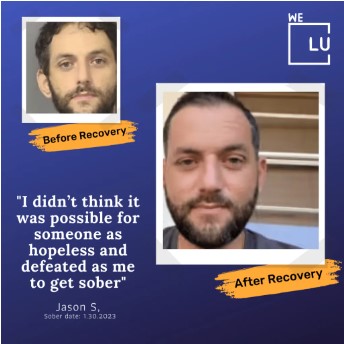
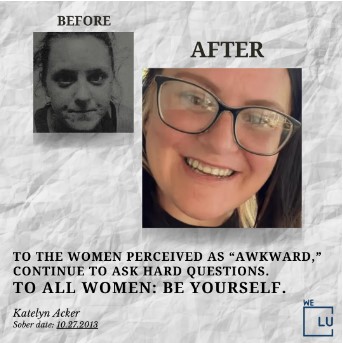
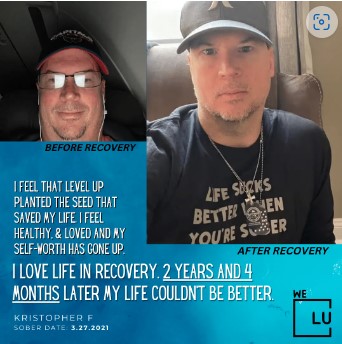
See our authentic success stories. Get inspired. Get the help you deserve.
Start a New Life
Begin with a free call to an addiction & behavioral health treatment advisor. Learn more about our dual-diagnosis programs. The We Level Up Treatment Center Network delivers recovery programs that vary by each treatment facility. Call to learn more.
- Personalized Care
- Caring Accountable Staff
- World-class Amenities
- Licensed & Accredited
- Renowned w/ 100s 5-Star Reviews
We’ll Call You
Search We Level Up Morphine Addiction Detox, Mental Health Topics & Resources
Sources
[1] Listos J, Łupina M, Talarek S, Mazur A, Orzelska-Górka J, Kotlińska J. The Mechanisms Involved in Morphine Addiction: An Overview. Int J Mol Sci. 2019 Sep 3;20(17):4302. DOI: 10.3390/ijms20174302. PMID: 31484312; PMCID: PMC6747116.
[2] Martinez-Velez A, Singh P. Epidural Morphine. [Updated 2022 Mar 3]. In: StatPearls [Internet]. Treasure Island (FL): StatPearls Publishing; 2023 Jan-. Available from: https://www.ncbi.nlm.nih.gov/books/NBK541073/
[3] Murphy PB, Bechmann S, Barrett MJ. Morphine. [Updated 2023 May 22]. In: StatPearls [Internet]. Treasure Island (FL): StatPearls Publishing; 2023 Jan-. Available from: https://www.ncbi.nlm.nih.gov/books/NBK526115/
[4] Commonly Used Terms | Opioids | CDC – Centers for Disease Control and Prevention
[5] Heroin and Opioid Awareness | Opioid Facts – Department of Justice
[6] Morphine: MedlinePlus Drug Information Available from: https://medlineplus.gov/druginfo/meds/a682133.html
[7] Drug Fact Sheet: Morphine – Drug Enforcement Administration (DEA)
[8] Morphine Sulfate tablets label – Accessdata.fda.gov
[9] Morphine | Get Smart About Drugs Available from: https://www.getsmartaboutdrugs.gov/drugs/morphine
[10] Prescription Opioid Analgesic Use Among Adults – Centers for Disease Control and Prevention (CDC)