

By We Level Up | Author Alex Evans, PharmD, MBA | Editorial Policy | Research Policy
Welcome to our Comprehensive Guide to the Addiction Cycle. We’ll examine the Triggers, Stages, and How to Break Free options.
Breaking the addiction cycle is a multifaceted process that involves clinical intervention, behavioral therapy, and continuous support. At We Level Up Treatment Centers, our programs are based on evidence. They aim to tackle the challenges of addiction and support lasting recovery.
Addiction isn’t just about willpower or bad habits. It’s a complex brain-based condition that follows a predictable cycle from initial use to relapse. Understanding this cycle is key to effective treatment and long-term recovery.
The addiction cycle is a recurring pattern of behavior observed in individuals with substance use disorder (SUD). This cycle typically involves defined stages—initial use, increasing use and dependence, withdrawal, craving, and relapse. Over time, these transitions often occur without the person fully noticing the changes in brain function or behavior.
This cycle is not just a behavior loop. It is deeply connected to brain chemistry, emotions, and the environment. This cycle shows that addiction is not a choice. It is a medical condition that traps people in a loop they did not want.
This guide is informational and not a substitute for medical advice, diagnosis or treatment. Always consult your physician or other qualified healthcare provider.
What are the stages of the Addiction Cycle?
Addiction is a complex, chronic condition that often manifests as a repeating cycle. Understanding this cycle is crucial for effective treatment and recovery.
The addiction cycle refers to a recurring pattern of substance use, withdrawal, craving, and relapse. It can affect anyone regardless of age, background, or substance. Understanding how this cycle works can help people break free from its grip and begin true recovery.. This includes the harmful use of alcohol, illegal drugs [2], and prescribed medications. These harms are serious and cost over $420 billion each year. Healthcare costs alone exceed $120 billion. But these problems are not just about money. They harm our health, education, and social systems. They are hurting us, especially our youth. This happens through alcohol-related car crashes, drug-related violence, and drug overdoses.
What is substance use disorder? SUD happens when a person’s use of alcohol or another drug leads to health issues or problems at work, school, or home. This disorder is also called substance abuse. The exact cause of substance use disorder is not known. Is addiction hereditary? Several things can influence a person. These include their genes, the effects of drugs, peer pressure, emotional pain, anxiety, depression, and stress from their environment.
Many people who abuse drugs or alcohol also have depression, ADHD, PTSD, or other mental health issues [1]. A stressful or chaotic lifestyle and low self-esteem are also common. People who grow up with parents who use drugs may have a higher risk of becoming addicted later. This can happen for both environmental and genetic reasons.

Get Your Life Back
Find Hope & Recovery. Get Safe Comfortable Detox, Addiction Rehab & Dual Diagnosis Trused Care.
7/365 Line (844) 597-1011Risks, Timelines, and Safer Treatment Options
Mixing benzodiazepines such as diazepam or lorazepam with opioids such as oxycodone or heroin greatly increases the risk of respiratory depression, coma, and death. Both substances slow breathing, and their combined effects can quickly become fatal, even at lower doses. Continued co-use over time raises the chances of overdose, organ damage, and cognitive decline. To stay safe, these substances should never be used together unless closely supervised by a healthcare professional. Doctors can adjust dosages, monitor breathing, and provide essential education on overdose prevention. Carrying naloxone, an opioid overdose reversal medication, can also save lives. Medically supervised detoxification or medication-assisted treatment programs, such as those using buprenorphine or methadone, can support long-term recovery and reduce dependence risks.
The addiction cycle follows predictable stages: trigger-craving-use-reward-guilt-withdrawal-relapse.
Triggers can be emotional, environmental, or social; awareness is the first step to prevention.
Relapse isn’t failure; it signals the need for continued support and behavioral therapy.
Breaking the cycle often requires detox, therapy (CBT, DBT), relapse-prevention skills, and dual-diagnosis treatment.
The medical information here is for educational purposes only and should not replace professional care. If someone is unresponsive or has trouble breathing, call emergency services right away. You can also dial 988 for 24/7 support from the Suicide & Crisis Lifeline.
Key Takeaways from Addiction Cycle Comparison:
- Addiction is often described as a cycle with three core stages: binge/intoxication, withdrawal/negative affect, and preoccupation/anticipation.
- The article also breaks the process down into six stages of use: initial use → abuse → tolerance → dependence addiction relapse.
- Each stage brings worsening consequences: emotional and social deterioration, loss of control, denial, and increased risk of relapse.
- Relapse is common, so prevention strategies should be a key part of treatment. We should see relapse as a sign to adjust care, not as a failure.
- Effective recovery requires more than detox: medically supervised detox, psychotherapy (CBT, DBT, etc.), medication-assisted treatment, ongoing support groups, and aftercare are all essential.
- Co-occurring mental health conditions often accompany substance use disorders dual diagnosis. Treating both simultaneously yields better outcomes.
- The brain undergoes physiological changes in how it handles reward, stress, and control systems during addiction. Treatment that addresses these neurobiological changes is more effective.
Addiction Cycle Diagram
Addiction can be described as a repeating cycle with 3 stages. Each stage is linked to a specific brain region. These regions are the basal ganglia, the extended amygdala, and the prefrontal cortex. This three-stage model is based on years of research with humans and animals. It helps us understand substance abuse symptoms, prevention, treatment, and recovery. The 3 stages of the addiction cycle are:
- Binge/Intoxication – This is the stage when a person uses an intoxicating substance. They feel it has rewarding or pleasurable effects
- Withdrawal/Negative Affect – This is when a person feels bad emotions without using drugs or alcohol
- Preoccupation/Anticipation – The stage at which one seeks substances again after a period of abstinence.

After repeated substance use, the brain begins to adjust to the surges of dopamine. Neurons may start to reduce the number of dopamine receptors or simply make less dopamine. The outcome is less dopamine signaling in the brain, like turning down the volume on the dopamine signal. Because drugs are mostly toxic, some neurons may also die.
Alcohol or drugs are chemicals. When you put these chemicals in your body by smoking, injecting, inhaling, or eating, they affect your brain. They interfere with how nerve cells send, receive, and process information.
Skip To:
Our brains are designed to help us repeat activities that keep us alive, like eating. They do this by linking these activities to feeling good. Whenever this reward circuit is activated, the brain recognizes that something important is happening. It helps us remember and encourages us to repeat the action automatically. Because drugs or alcohol come in and “hijack” the same circuit, people learn to use substances in the same way.
Get Help. Get Better. Get Your Life Back.
Searching for Accredited Drug and Alcohol Rehab Centers Near You?
Even if you have failed previously and relapsed, or are in the middle of a difficult crisis, we stand ready to support you. Our trusted behavioral health specialists will not give up on you. When you feel ready or just want someone to speak to about therapy alternatives to change your life call us. Even if we cannot assist you, we will lead you to wherever you can get support. There is no obligation. Call our hotline today.
(844) 597-1011Cycle of Addiction
Addiction typically progresses through six stages. Not everyone goes through these steps in a straight line. However, understanding each step helps explain how substance use can become a long-term issue. It also shows how it can be reversed with the right support.
Several phases of drug use may lead to the addiction cycle. Young people seem to move more quickly through the stages than adults. The stages of the addiction cycle are:
Stage 1: Initial Use
This is the first time someone has used a substance. They might do it out of curiosity, peer pressure, medical need, or for fun.
Questions to Ask: Do You Have a Problem?
Answering yes to any of the following questions may indicate the start of an addiction cycle problem:
- Have you ever ridden in a car driven by someone (including yourself) who had been drinking alcohol or using drugs?
- Do you ever drink alcohol or use drugs to relax, to feel better, or to fit in?
- Do you ever drink alcohol or use drugs when you are alone?
- Do you ever forget things you did while drinking alcohol or using drugs?
- Do family or friends ever tell you to quit alcohol or drugs?
- Have you ever gotten into trouble while you were drinking alcohol or taking drugs?
Commonly used substances include:
- Opiates and other narcotics are strong painkillers. They can make you feel sleepy and sometimes very happy or excited. Abuse of these drugs includes heroin addiction, opium, codeine addiction, and prescription drug addiction (that may be prescribed by a doctor or bought illegally)
- Stimulant drugs stimulate the brain and nervous system. Stimulant abuse includes cocaine addiction and amphetamine addiction, such as drugs used for ADHD treatment (methylphenidate, or Ritalin). A person can start needing higher amounts of these drugs over time to feel the same effect.
- Depressants cause drowsiness and reduce anxiety. Substance abuse of this class of drugs includes alcohol abuse, barbiturate abuse, benzo addiction (Valium, Ativan, Xanax), chloral hydrate, and paraldehyde.
- Is LSD addictive? Yes, in a way, it causes a person to have psychological dependence. Mescaline, psilocybin (or “mushrooms”), and phencyclidine (PCP, also called “angel dust”) can make people see things that aren’t real. These substances can also lead to psychological addiction.
- Marijuana use disorder (cannabis, or hashish)
Stage 2: Abuse
With regular use, the user misses more school or work. They worry about losing their drug source. They use drugs to “fix” negative feelings. They start to stay away from friends and family. They may change friends to those who also use drugs. They show increased tolerance and can “handle” the drug better.

Stage 5: Addiction
The abuser cannot live a normal life without drugs. They deny they have an addiction. Their health gets worse. They lose control over their drug use. They may feel suicidal. Financial and legal problems arise and worsen. They may have lost connections with family or loved ones.
Stage 3: Tolerance
Drug tolerance happens when the body becomes used to a drug. This means that more of the drug is needed, or a different drug is required. It happens when someone’s brain no longer responds to a prescription or recreational drug in the same way it once did. In many cases, tolerance happens when someone has been taking a certain drug for an extended period of time.
Stage 4: Dependence
The user loses motivation and does not care about school or work. They show clear changes in behavior. They may think about using drugs more than anything else, even relationships. The user becomes secretive and might start dealing drugs to support their addiction. They may also use harder drugs more often. Legal problems can increase as well.
Substance abuse refers to excessive drug use that is detrimental to oneself, society, or both. This definition encompasses both physical dependence and psychological dependence.
Physical dependence on long-term drug use means the body changes. When the drug is stopped, withdrawal symptoms appear.
Psychological dependence means having a strong need to keep using a drug, even if the body does not depend on it. By these definitions, alcohol is a drug that can cause both physical and psychological dependence.
Stage 6: Relapse
Individuals recovering from various forms of addiction cycles frequently encounter relapses that have gained acceptance as an almost inevitable part of the recovery process. Normalizing relapses can make it less urgent for providers, patients, and support people to prevent them. Countless individuals lose their employment, families, freedom, and even lives as a consequence of relapses. Relapse prevention must be a central goal of almost every addiction treatment team.
First-class Facilities & Amenities
Trusted Integrated Addiction & Mental Health Rehabilitation Treatment
Rehab Centers TourEstablished Addiction Centers. Serene Private Facilities. Inpatient rehab programs vary.
Addiction Helpline (844) 597-1011Comprehensive recovery success experience, backed by a Team w/ History of:
15+
Years of Unified Experience
100s
5-Star Reviews Across Our Centers
10K
Recovery Success Stories Across Our Network
- Low Patient to Therapist Ratio
- Onsite Medical Detox Center
- Comprehensive Dual-Diagnosis Treatment
- Complimentary Family & Alumni Programs
- Alumni Coaching, Recovery & Personal Development Events
What Triggers the Addiction Cycle?
Addiction doesn’t happen in isolation. It is often driven by a mix of emotional, psychological, environmental, and biological factors. These factors can lead someone to repeat the cycle of using substances, going through withdrawal, and relapsing.
Understanding these triggers is a crucial step toward breaking the addiction cycle and building a path toward lasting recovery.
Common Triggers That Fuel the Addiction Cycle
Emotional Triggers
Negative emotions can strongly activate the urge to use substances as a form of escape or self-medication.
- Stress
- Depression
- Anxiety
- Loneliness
- Shame or guilt
These feelings often serve as strong signals that can trigger cravings again. This is especially true during the craving and anticipation stage of the cycle.
Environmental Triggers
Your surroundings and sensory cues can unconsciously stimulate the desire to use again.
- Being in places where you used before (bars, friends’ houses)
- Seeing drug paraphernalia
- Smelling alcohol or cigarette smoke
- Hearing certain music associated with partying
These cues are often conditioned responses formed through repeated use, reinforcing the habit loop.
Social Triggers
The people you surround yourself with can either help or hinder your recovery.
- Peers who still use drugs or drink
- Toxic relationships
- Family conflict
- Lack of a sober support network
Even subtle pressure or reminders can lead to rationalization or “just once” thinking a major relapse risk.
Psychological Triggers
Underlying thought patterns and mental health conditions can perpetuate the cycle.
- Low self-esteem
- Perfectionism
- Catastrophic thinking
- Trauma responses (e.g. from PTSD or childhood abuse)
Unresolved trauma or mental illness may drive substance use as a coping mechanism — often unnoticed until treatment begins.
Physical & Biological Triggers
Sometimes, physical states can trigger cravings.
- Fatigue
- Hunger
- Illness
- Hormonal changes
- Pain
These sensations can mimic withdrawal or distress, causing the brain to misfire signals — urging a return to substance use.
Breaking the Cycle of Addiction
Recovery begins the moment someone takes the first step away from substance use and it’s rarely linear. Breaking the addiction cycle is not just about quitting. It means rebuilding the brain and changing habits. It also involves healing relationships and getting ongoing support. In the next section, we break down exactly how recovery works, stage by stage. Addiction progresses through distinct stages: Pre-contemplation, Contemplation, Preparation, Action, and Maintenance. Understanding these stages is crucial for tailoring effective treatment strategies. For example, people in the Contemplation stage may find motivational interviewing helpful. Those in the Action stage might join intensive outpatient programs.
Although they are still abusing drugs or alcohol, they often experience feelings of remorse, shame, and tremendous guilt afterwards. They always resolve never to use it again, though they still end up doing so. Many people consider it the beginning of recovery when the addict begins exploring ways of treatment and counseling. They take action and start attending drug and alcohol rehab programs and support groups.

Cognitive-behavioural therapies help the person to develop skills for managing this recurring part of the condition. Through experienced individualized help, abusers can learn to interrupt the addiction cycle and move on with their lives. With motivation and ongoing abstinence, they can fully recover. They can restore their relationships and lead happier lives free from addiction.
Specialized, Accredited, 5-Star Reviewed, Evidence-based Addiction & Mental Health Programs. Complete Behavioral Health Inpatient Rehab, Detox plus Co-occuring Disorders Therapy.
CALL(844) 597-1011End the Addiction Pain. End the Emotional Rollercoaster. Get Your Life Back. Start Drug, Alcohol & Dual Diagnosis Mental Health Treatment Now. Get Free, No-obligation Guidance by Substance Abuse Specialists Who Understand Addiction & Mental Health Recovery & Know How to Help.
Evidence-Based Studies about the Addiction Cycle with Insights
Addiction does not happen suddenly. It follows a cycle that can trap people in patterns of use and relapse. Recognizing this cycle is crucial to breaking free. The stages often include initial use, regular use, risky use, dependence, and finally, addiction. Each stage intensifies physical, emotional, and psychological consequences, making recovery more complex over time.
How We Level Up Turns Research Into Real Recovery
At We Level Up, we go beyond surface-level treatment. Our approach integrates scientific findings about the addiction cycle into practical, evidence-based care. We help clients by understanding each stage and its effects. This way, we create personalized recovery plans that focus on both the mind and body.
| Study | Treatment Implications | Insights for Patients |
|---|---|---|
| Neurobiology of Addiction: A Neurocircuitry Analysis (Koob & Volkow, 2010) View Study | It also shows how these stages relate to changes in brain reward, stress, and control systems. Treatments should target these circuits with combined medication and behavioral interventions to support long-term recovery. | Patients benefit most when treatment addresses both cravings and stress management. Ask your provider how each therapy or medication supports recovery at your current stage of addiction |
| Prescription Opioid Addiction Treatment Study (POATS) comparing buprenorphine/naloxone standard medical management vs. with added individual drug counseling. View Study | This outpatient trial found that for people dependent on prescription opioids, adding individual drug counseling helped. It improved outcomes when combined with standard medical management and buprenorphine/naloxone. | Just taking the medication is not enough. Going to therapy, support groups, or counseling can help lower the chance of relapse. It can also improve how you handle cravings or withdrawal. |
| Addiction Relapse Prevention (Guenzel & McChargue, StatPearls, 2023) View Resource | Emphasizes integrating therapy, medications, and long-term monitoring to prevent relapse. Early recognition of emotional and mental relapse stages enables timely intervention with CBT, motivational therapy, and medication support. | Relapse is a gradual process emotional, mental, and physical. Recognizing early warning signs like cravings or denial helps you intervene before relapse happens. |
| The Surgeon General’s Spotlight on Opioids (U.S. Department of Health & Human Services, 2018) View Resource. | This can be done with proven medications and behavioral health programs. Encourages public access to integrated, long-term care. | Recovery is not just stopping substance use it’s breaking the full cycle of craving and stress. Accessing long-term treatment and follow-up improves lasting recovery. |
What This Means for Your Care at We Level Up
Research shows that addiction operates in cycles that are reinforced by triggers, cravings, and withdrawal symptoms. Breaking these cycles is challenging without professional support. At We Level Up, we use behavioral therapies, education, medical care, and ongoing support. This helps you find triggers, manage cravings, and build healthier coping skills.
At We Level Up, every treatment decision is informed by clinical data, not guesswork. You receive personalised medical support, 24/7 supervision, and continued aftercare designed to help you sustain recovery for life.
Different Types of Treatment for Addiction
The addiction treatment community knows that addiction is a mental disorder. This makes the connection between addiction and mental health issues more complicated. The treatment community does not fully understand dually diagnosed conditions. As a result, these conditions are often treated separately or not treated at all.
We Level Up treatment tailors the program to the individual and the individual to the program of recovery. We begin by assessing our client’s history of mental health, drugs, and alcohol-related past. Each patient has unique needs. We focus on giving complete support for mental health, addiction, and dual diagnosis treatment. The supportive environment is designed to give patients 24-hour care for sobriety. Most importantly, we want our clients to live comfortably in the facility. This is a crucial time for breaking the addiction cycle.
Medical Detox
Cravings are very common during medical detox and can be challenging to overcome. This often leads to relapse. Constant medical care provided during inpatient treatment helps prevent relapse and break the addiction cycle. Clinicians can provide necessary medication and medical expertise to lessen cravings and the effects of withdrawal.
Medically-Assisted Detox
If you are dealing with an addiction cycle, it’s important to get a clear assessment of your symptoms. A mental health professional may find that another mental condition is present. This condition may need a specific type of treatment. Very often, some combination of psychotherapy, medication, and/or lifestyle changes is effective for coping and long-term recovery.
Drug detox is often considered the first stage of treatment, similar to alcohol detox and withdrawal treatment. It will help you understand the difficult process of withdrawal. However, it does not address the thoughts and behaviors that keep the addiction going. Different treatment methods and environments can offer the support you need to stay sober after detox.
Detoxification is a process with three key parts. These parts can happen at the same time or in steps
Evaluation means checking for drugs in the blood. It also involves measuring how much of the drugs are present. Additionally, it looks for other mental and physical health issues.
The assessment also includes a thorough review of the client’s medical and mental health issues. It looks at their social situation too. This helps decide the right level of treatment after detoxification. The assessment is the foundation for the first substance abuse treatment plan after the patient has withdrawn.
Stabilization includes familiarizing clients with what to expect in the treatment environment and their role in treatment and recovery. During this time, practitioners include the client’s family, employers, and other important people. This is done when necessary and with permission.
Once detox is complete, a new doorway in treatment opens up, which is referred to as a residential level of care. The residential care program helps individuals grow in a supportive environment. It features master’s level therapists, clinicians, group counselors, and psychiatrists. Everyone shares the same goal: to achieve sobriety and live a fulfilling life.
Patient Stories
These examples reflect illustrative patient experiences. Names and details have been altered for privacy purposes.
- “D., 29 — Breaking the Binge Cycle”
D. began drinking heavily during college parties, thinking weekend binges were harmless. Over time, casual use turned into daily dependence, and his relationships suffered. After a health scare, D. went to a treatment program. There, he learned about the addiction cycle. He discovered how cravings, withdrawal, and triggers keep it going. Through cognitive behavioral therapy and relapse prevention planning, he regained control.
“Understanding the cycle helped me see my triggers before they took over my life,” D. shared. - “M., 45 — From Prescription Dependence to Recovery”
M. was prescribed painkillers after surgery and continued using them long after recovery. When her doctor refused refills, she turned to online sources to avoid withdrawal. M. joined a medical detox and therapy program. This program focused on the three stages of addiction: binge, withdrawal, and preoccupation. Integrated counseling and medication-assisted treatment helped her break the cycle safely.
“I learned that addiction is not just about willpower. It is about understanding how my brain and body react,” M. said. - “R., 34 — Overcoming Triggers and Cravings”
R. began using stimulants to stay productive at work but quickly lost control. When he tried to quit, intense cravings and mood swings pulled him back into the addiction cycle. In outpatient rehab, he discovered mindfulness-based relapse prevention and support groups. With structured therapy and accountability, R. rebuilt his focus and motivation
“The cycle doesn’t stop overnight, but now I know how to manage it instead of letting it manage me,” R. reflected.
Psychotherapy
Many types of psychotherapy have been used to treat mental health disorders and addiction. These include:
- Cognitive Behavioral Therapy (CBT) is an effective treatment. It helps change negative thoughts and behaviors. These changes can improve daily life for people with different types of depression.
- Dialectical Behavioral Therapy is a complete program for mental health and substance abuse. Its main goal is to help patients create a life they find valuable. The main goal of DBT is to help a person develop what is referred to as a “clear mind.”
- Solution Focused Therapy is an approach that looks for quick solutions. It starts with a simple first step that can lead to more positive results.
- Medication-Assisted Treatments (MAT) for substance use and mental health disorders are often used together. This includes the use of medications and other medical procedures to ease withdrawal symptoms or complications.
Some of the many modalities applied and practiced within our residential treatment facility are:
- Cognitive Behavioral Therapy
- DBT Therapy
- 12-Step Groups
- Group Therapy
- Alumni Support
- Stabilization
- Holistic Therapy
Sometimes, the stress and problems in your life make you turn to your addiction. You may use it to forget your troubles for a little while. If you or someone you know is struggling with addiction and depression, please contact our treatment specialists. They can help you today. We Level Up can provide information on dual diagnosis and detox programs that may fit your specific needs.
Experience Transformative Recovery at We Level Up Treatment Centers.
See our authentic success stories. Get inspired. Get the help you deserve.
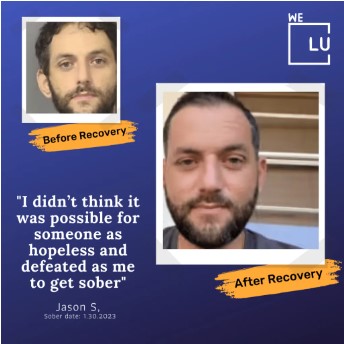
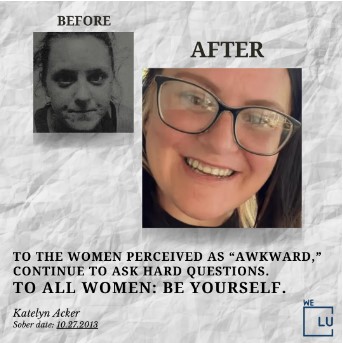
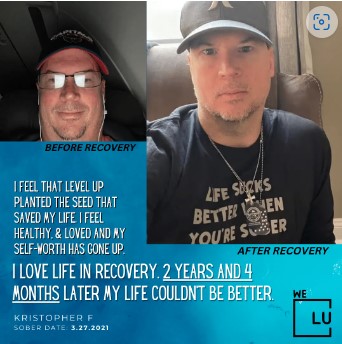
Start a New Life
Begin with a free call to an addiction & behavioral health treatment advisor. Learn more about our dual-diagnosis programs. The We Level Up Treatment Center Network delivers recovery programs that vary by each treatment facility. Call to learn more.
- Personalized Care
- Caring Accountable Staff
- World-class Amenities
- Licensed & Accredited
- Renowned w/ 100s 5-Star Reviews
We’ll Call You
Top 3 Addiction Cycle FAQs
-
What exactly is the “addiction cycle”?
The addiction cycle refers to a repeating sequence of stages that many people with substance use disorders experience. These stages include binge or intoxication, withdrawal or negative feelings, and preoccupation or anticipation. These stages often lead to relapse. Understanding this cycle helps clinicians and patients identify key intervention points to interrupt addictive patterns and support lasting recovery.
-
Why does relapse happen, even after long periods of sobriety?
Relapse can occur because the brain’s reward, stress, and self-control systems adapt to repeated substance exposure. Even after abstinence, emotional distress or exposure to triggers can reignite cravings. Without ongoing therapy or relapse-prevention strategies, old patterns can resurface. At We Level Up, continuous aftercare, behavioral therapy, and peer support are emphasized to lower relapse risk.
-
How can someone interrupt the addiction cycle?
Breaking the addiction cycle requires a complete approach. This includes medical detox to safely manage withdrawal. It also involves behavioral therapies, such as cognitive behavioral therapy and dialectical behavior therapy. Medication-assisted treatment may be used when needed. Finally, personalized relapse prevention planning is important. Aftercare and ongoing support groups also help maintain long-term sobriety.
Resources
Alcohol Withdrawal Timeline & Symptoms– Explains what happens in the body and brain when someone dependent on alcohol stops drinking, tying into the “withdrawal” stage of the addiction cycle.
Dual Diagnosis: Treating Mental Health and Substance Use Together- Explores how co-occurring disorders complicate the addiction cycle and why integrated care is vital.
Trauma and Addiction: The Hidden Connection- Connects childhood trauma, PTSD, and emotional pain to the initiation and maintenance of addictive behaviors.
Family Therapy for Addiction Recovery– Highlights how family dynamics affect relapse and recovery, showing how support systems can help interrupt the addiction cycle.
Post-Acute Withdrawal Syndrome (PAWS)– Explains lingering withdrawal symptoms that may fuel relapse and prolong the addiction cycle even after detox.
Sources
[1] Or other mental health issues. See Transforming the understanding and treatment of mental illnesses.
[2] Illegal drugs. See Drugs A to Z
[3] Brain and Addiction – National Institute on Drug Abuse
[4] Substance use disorder – U.S. Department of Health and Human Services National Institutes of Health
[5] Substance Abuse – National Center for Biotechnology Information
[6] Addiction Rehabilitation – Level Up Lake Worth, FL