
Modesto Alcohol Rehab
Alcohol addiction can harm health, work, family life, and daily choices. People searching for alcohol rehab Modesto CA may need detox, therapy, and recovery support. The right care should match drinking history, withdrawal risk, health needs, and home support. Early treatment can make alcohol abuse recovery safer and reduce serious health risks.
Some people need medical detox before therapy or other care begins. Treatment may then include counseling, family support, relapse planning, and mental health care. The care team reviews alcohol use, past withdrawal, medicines, and recovery goals. This review helps staff choose residential, outpatient, or other suitable treatment.
We Level Up Treatment Centers connects Modesto residents with a national substance abuse and mental health facility network. Seven accredited locations across five states provide addiction treatment and related mental health support. Our Lake Elsinore, California, center offers detox, residential treatment, dual diagnosis care, family services, and alumni support. We Level Up does not operate or present this program as an alcohol rehab facility in Modesto.
Skip To:
Alcohol Rehab Modesto, CA Resources for Alcohol & Drug Addiction
Searching for Modesto Detox Center? The nearest We Level Up CA treatment centers include:

Our Top Drug & Alcohol Rehab Center in California
31631 Auto Center Dr. Lake Elsinore, CA 92530
(844) 597-1011
The We Level Up network is BBB “A” rated, Accredited & Licensed.
Get Help. Get Better. Get Your Life Back.
Searching for Accredited Drug and Alcohol Rehab Centers Near You?
Even if you have failed previously and relapsed, or are in the middle of a difficult crisis, we stand ready to support you. Our trusted behavioral health specialists will not give up on you. When you feel ready or just want someone to speak to about therapy alternatives to change your life call us. Even if we cannot assist you, we will lead you to wherever you can get support. There is no obligation. Call our hotline today.
(844) 597-1011Are you or somebody you know at serious risk of an overdose because of drug or alcohol abuse? If so, please call 911 right away. There are addiction rehab center addiction hotlines that can help guide you to proper local therapists & facilities.
SAMHSA TREATMENT HELPLINE
Struggling with substance use disorder? SAMHSA’s Addiction Treatment Helpline can connect you with proper help. (844) 597-1011
DRUG or ALCOHOL POISON CONTROL
If you’re experiencing or witnessing a drug- or alcohol-related poisoning, the poison control hotline can help. (844) 597-1011
What Is Alcohol Rehab?
Alcohol rehab helps people stop harmful drinking. It also provides a safe place to begin recovery. Alcohol addiction affects the brain, body, behavior, and daily choices. A person may drink despite serious harm.
Alcohol changes how the brain handles stress, sleep, reward, and judgment. Over time, the body may depend on alcohol. A person may then need alcohol to feel normal. Stopping can become hard or unsafe without support.
Rehab may include medical care, therapy, education, and daily structure. Some people need residential care. Others can live at home during treatment. The right addiction treatment programs depend on safety, withdrawal risk, and home support.

Get Your Life Back
Find Hope & Recovery. Get Safe Comfortable Detox, Addiction Rehab & Dual Diagnosis Trused Care.
7/365 Line (844) 597-1011Who May Need Alcohol Rehab?
Anyone who cannot control alcohol use may need treatment. Some people see problems early. Others hide their drinking for years. An assessment can help decide which care level may fit.
People with liver, heart, or seizure risks may need close care. Alcohol can also interact with many medicines. Pregnant or nursing people should speak with a medical provider. Honest health details help staff plan safer care.
Anxiety, depression, trauma, or sleep problems may raise treatment needs. Alcohol may ease symptoms briefly but often makes them worse. Mixing alcohol with opioids or sedatives can slow breathing and raise over
Warning Signs You May Need Alcohol Rehab
Alcohol addiction can affect the body, mind, and daily duties. Signs may start slowly. They often become harder to control over time.
Common warning signs include:
- Drinking more or longer than planned
- Being unable to cut down or stop
- Having strong alcohol cravings
- Needing more alcohol for the same effect
- Feeling shaky, sick, anxious, or sweaty after stopping
- Missing work, school, or family duties
- Losing interest in hobbies or normal activities
- Mixing alcohol with medicine or other drugs
- Having blackouts, mood changes, or poor judgment
- Drinking despite health or relationship problems
A person does not need every sign before asking for help. Early care may prevent problems. It can protect health, work, and family life. Professional care can also make recovery safer.
How Alcohol Addiction Develops
Alcohol changes brain systems tied to stress, sleep, and self-control. At first, drinking may help someone feel calm. It may also lower worry for a short time. These effects can make regular drinking seem useful.
After frequent use, the brain begins to adjust. A person may need more alcohol for the same effect. This change is called tolerance. Tolerance can lead to heavier drinking.
The body may also become dependent on alcohol. Symptoms may start when alcohol levels fall. A person may feel shaky, sick, restless, or unable to sleep. Drinking again may briefly ease these symptoms.
Genes, trauma, stress, family history, and mental health can affect addiction risk. Alcohol addiction is not weak character. It is a health condition that can be treated. Federal guidance describes alcohol use disorder as mild, moderate, or severe.
Why Medical Detox Matters
Medical detox helps the body adjust as alcohol leaves. Doctors and nurses watch symptoms and vital signs. They also track hydration, sleep, and safety. This withdrawal management can prevent serious harm.
Stopping alcohol suddenly may cause severe symptoms. These can include seizures, hallucinations, confusion, or heart problems. Medical staff can act if symptoms become dangerous. Medicines may also be used when needed.
Detox does not treat every cause of addiction. People still need therapy and coping skills. Mental health care may also be needed. Continued care can turn early progress into lasting change.
Stages of Alcohol Withdrawal
Alcohol withdrawal differs for each person. Drinking history, health, and past withdrawal problems affect risk.
Early Withdrawal
Early symptoms may start within hours. A person may feel anxious, shaky, sweaty, sick, or restless. Symptoms can grow stronger without medical help.
Acute Withdrawal
Serious symptoms may appear during the first days. Seizures, hallucinations, confusion, or blood pressure changes need immediate medical care.
Recovery After Detox
Physical symptoms often improve after the body becomes stable. Poor sleep, low mood, fatigue, and cravings may remain. Therapy and daily support can lower relapse risk.
How Long Can Alcohol Withdrawal Last?
Some people improve after several days. Others have symptoms for longer. Health, drinking history, and past withdrawal affect the timeline. Sleep problems, stress, or cravings may continue after detox. The team can change support as needs change.
Treatment That Helps People Stay in Recovery
Detox is only the first step. People also need help with stress, habits, and triggers. Mental health care may be part of the plan. Evidence based care supports the whole person.
Individual Therapy
Individual therapy offers private time with a therapist. Clients discuss drinking, trauma, family stress, and recovery goals. The therapist helps find relapse risks.
Group Therapy
Group therapy brings people together in recovery. Members share ideas, practice coping skills, and offer support. Group care may reduce shame and isolation.
Cognitive Behavioral Therapy
Cognitive Behavioral Therapy helps people spot thoughts and situations that lead to drinking. Clients practice safer responses. These skills can help during stress.
Dialectical Behavior Therapy
This therapy helps people manage strong feelings and conflict. It teaches calm thinking and better communication. These tools may reduce drinking during stress.
Family and Trauma Therapy
Family therapy can improve trust, communication, and limits. Trauma care addresses painful events at a safe pace. Both methods may reduce drinking triggers.
Relapse Prevention and Holistic Care
Relapse prevention creates a plan for warning signs and cravings. Holistic care may include yoga, art, exercise, or breathing. These options support clinical care.
First-class Facilities & Amenities
Trusted Comprehensive Addiction & Mental Health Rehabilitation Treatment
Rehab Centers TourRecognized Addiction Centers. Serene Private Facilities. Inpatient rehab programs vary.
Addiction Helpline(844) 597-1011Recovery-Centered Care, Backed by a Team w/ History of:
15+
Years of Unified Experience
100s
5-Star Reviews Across Our Centers
10K
Recovery Success Stories Across Our Network
- Onsite Medical Detox Center
- Comprehensive Dual-Diagnosis Treatment
- Complimentary Family & Alumni Programs
- Alumni Coaching, Recovery & Personal Development Events
How We Treat Alcohol Addiction at We Level Up
We Level Up offers several levels of care. Each plan reflects health, safety, symptoms, and goals. Care may change as the person becomes stable.
Medical Detox
Medical detox supports people through early withdrawal. Staff manage serious risks and may use medicine when needed. Detox prepares people for continued care.
Residential Treatment
Residential care gives people a safe place to live. Clients attend therapy, groups, and recovery education. An inpatient rehab program may help after relapse or when home is unsafe.
Partial Hospitalization Program
Partial hospitalization programs provide structured daytime care. Clients receive therapy, medicine support, and recovery skills. Most return home or to supportive housing at night.
Intensive Outpatient Program
An intensive outpatient program meets several times weekly. People may keep working or caring for family. Someone seeking IOP drug rehab Modesto may also need alcohol and mental health care.
Outpatient and Telehealth Treatment
Outpatient treatment offers therapy while people live at home. Telehealth uses secure online visits. Severe withdrawal or a crisis still needs in-person care.
Modesto residents who need more structure may consider detox or residential care at the Lake Elsinore program. This option extends We Level Up’s national substance abuse and mental health facility services without implying that a center operates in Modesto.
Mental Health Services and Alcohol Addiction

Many people with alcohol addiction have co-occurring mental health disorders. Common concerns include anxiety, depression, trauma, and poor sleep. Bipolar disorder may also occur. These problems can make each other worse.
Some people drink to manage fear or sadness. Others drink to block painful memories. Alcohol may bring short relief. Yet symptoms often become worse later.
Dual diagnosis treatment treats both needs in one plan. The team reviews symptoms, medicines, substance use, and safety. This can improve behavioral health and recovery services. It may also lower relapse risk.
Mental health care may include therapy, trauma care, and medicine support. Federal guidance explains substance use and mental health. Care should change as symptoms change
The Importance of Family and Recovery Support
Recovery can be hard in an alcohol-focused home. Supportive people can encourage healthy routines. They may also notice early warning signs. Clear limits can protect recovery.
Family education explains addiction as a health condition. It teaches better ways to speak and listen. Families also learn the difference between help and enabling. These skills can rebuild trust.
Peer groups connect people with others in recovery. People seeking AA meetings Modesto CA may use local meetings. Meetings can add support and accountability. They do not replace needed medical care.
Alumni programs may offer meetings, events, and check-ins. Long-term recovery needs steady support. A strong community can protect progress.
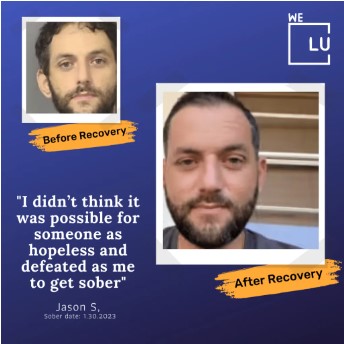
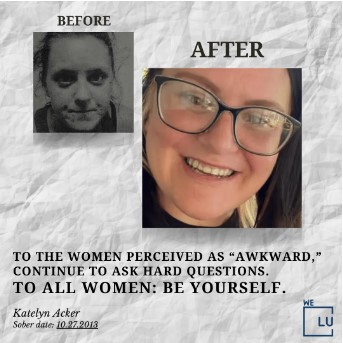
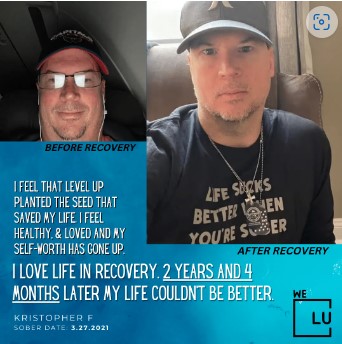
Experience Transformative Recovery at We Level Up Treatment Centers.
See our authentic success stories. Get inspired. Get the help you deserve.
Start a New Life
Begin with a free call to an addiction & behavioral health treatment advisor. Learn more about our dual-diagnosis programs. The We Level Up Treatment Center Network delivers recovery programs that vary by each treatment facility. Call to learn more.
- Personalized Care
- Caring Accountable Staff
- World-class Amenities
- Licensed & Accredited
- Renowned w/ 100s 5-Star Reviews
We’ll Call You
When Is It Time to Get Alcohol Rehab?
Alcohol rehab may help when drinking feels hard to control. Daily use, blackouts, and strong cravings are warning signs. Withdrawal symptoms also show a need for care. Problems at work or home may grow.
Someone seeking drug rehab Modesto CA may use other substances too. Mixing substances can raise overdose, withdrawal, and mental health risks. A full assessment reviews the whole pattern.
Relapse does not mean recovery is impossible. It may show a need for more support. A different care level may help. A recovery center can review and update the plan.
Help With Insurance and Payment
Many health plans may cover detox, residential care, outpatient care, and mental health treatment. Benefits depend on the plan and medical need.
Our team can complete a private verify rehab insurance review. Staff explain copays, deductibles, and approvals. They also discuss possible costs. Asking about coverage does not require admission.
Admissions specialists are available all day and night. Every call is private. There is no pressure to enter care. Staff can also explain payment choices.
Get Help for Alcohol Addiction Today
You do not have to face alcohol addiction alone. Professional care can help with withdrawal and harmful drinking. It can also build healthier daily habits. Recovery is possible after relapse.
We Level Up Treatment Centers operates seven accredited facilities across Florida, Texas, California, Washington, and New Jersey, each staffed by licensed physicians, psychologists, and therapists delivering individualized care.
People in Modesto may be able to visit our California recovery center in Lake Elsinore. It offers detox, residential treatment, and dual diagnosis care. Staff can explain travel, open beds, insurance, and costs.
Call (954) 475-6031 for private support. Help is available 24 hours a day. The team can answer questions. It can also explain treatment.
FAQs About Modesto Alcohol Rehab
What is a Modesto alcohol rehab program?
It helps people stop harmful drinking and start recovery. Care may include detox, therapy, mental health treatment, and support.
Does We Level Up have a facility in Modesto?
We Level Up does not claim to have a Modesto facility. People may visit our California facility in Lake Elsinore.
What happens during alcohol rehab?
Some people begin with medical detox. Care may then include therapy, residential treatment, outpatient care, and relapse prevention.
How long does alcohol rehab take?
Treatment length differs for each person. Some need several weeks, while others need longer care and follow-up support.
Can rehab help with anxiety or depression?
Yes. Dual diagnosis care treats addiction and mental health together. Care may include therapy, medicine, and coping skills.
Does insurance cover alcohol rehab?
Many plans may help cover treatment. Admissions staff can review benefits and explain possible costs.

We Level Up Tamarac FL
Premier Behavioral Health Treatment Center
 Licensed & Accredited w/ 5-star reviews.
- Inpatient mental health treatment center
- Therapy for depression, anxiety, trauma, bipolar disorder, PTSD, and more.
- Dual diagnosis rehab programs available

We Level Up West Palm Beach
Premier Behavioral Health Treatment Center
Licensed & Accredited.
- Inpatient mental health treatment center
- Therapy for depression, anxiety, trauma, bipolar disorder, PTSD, and more.
- Dual diagnosis rehab programs available
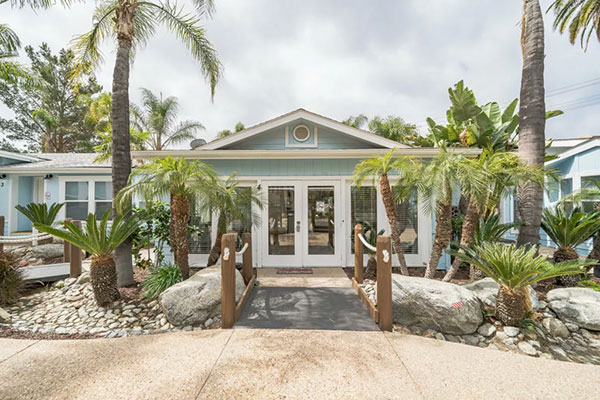
We Level Up California
Drug & Alcohol Addiction Treatment Center w/Detox
Licensed & Accredited w/ 5-star reviews.
- Inpatient addiction rehab center w/medical detox
- Addiction treatment and detox for alcohol, benzo, heroin, opioid, and more.
- Secondary mental health treatment available as part of our dual diagnosis programs.
Popular Drug Rehab Articles of Interest
Medical Disclaimer
The information on this website is for informational purposes only and does not provide nor substitute professional medical advice. Always seek the help of a physician or other qualified health provider if you have questions regarding your health! This content is not intended to replace professional medical advice, diagnosis, or treatment. Do not overlook professional medical advice or wait to seek it because of something you have read on this site. In the event of a medical emergency call 911 immediately. This website does not recommend nor endorse any specific tests, doctors, products, procedures, opinions, or other information that may be noted on the website. Dependence on any information supplied by this website is exclusively at your own risk.