Wet brain syndrome is a serious brain disorder tied to heavy drinking. Many people miss the early signs until things get much worse.
Wet brain alcoholism slowly harms key parts of the brain. Heavy drinking blocks the body from absorbing thiamine, also known as vitamin B1.
This shortage leaves brain cells without the fuel they need. Memory loss, confusion, and balance issues often follow.
At We Level Up Treatment Centers, our team treats wet brain syndrome with full care. We support both alcohol addiction and the medical conditions that come alongside it.
This guide breaks down the signs, stages, and care steps for wet brain syndrome.
What is Wet Brain Syndrome?
Wet brain syndrome is the common name for Wernicke Korsakoff syndrome WKS. Doctors also call it alcohol related dementia.
The disorder happens when the body does not have enough thiamine. Heavy drinking prevents the body from absorbing thiamine vitamin B1 properly.
This vitamin helps brain cells turn sugar into energy. Without it, key brain areas begin to break down.
Wet brain syndrome mostly affects people with long term alcohol use. Men between ages 30 and 70 face the highest risk.
Poor nutrition during heavy drinking makes the problem worse. Chronic alcohol use causes Wernicke-Korsakoff syndrome (WKS), a brain disorder from vitamin B1 (thiamine) deficiency
In rare alcohol related memory disorders, the brain syndrome affects 1 to 2 percent of the general population. Rates climb much higher among people with alcohol use disorder.
Early treatment makes the biggest difference when symptoms first appear. Getting care early can stop permanent brain damage from setting in.
Signs You May Need Wet Brain Syndrome Treatment
Wet brain disease symptoms often start slowly. Many wet brain symptoms from alcohol go unnoticed at first.
Watch for these common signs.
- Confusion and trouble forming new memories.
- Rapid eye movement, jerky eyes, or double vision.
- Unsteady walking and poor balance.
- Severe memory loss with made up stories to fill gaps.
- Muscle weakness and shaky hands.
- Trouble learning new tasks or remembering names.
- Mood swings, low energy, or drowsy spells.
A clear breakdown of the two stages of wet brain from heavy drinking shows how Wernicke’s encephalopathy starts the process. Korsakoff’s syndrome follows as the second, more serious stage.
If left untreated, wet brain alcoholism leads to lasting harm. Some symptoms of wet brain become permanent without quick care.
Call +(954) 475-6031 to speak with a treatment specialist 24 hours a day. Fast action protects long term brain health.
Skip To:
Learn More:
- Alcoholic Wet Brain Symptoms, Wernicke-Korsakoff Syndrome/Wet Brain Syndrome Meaning, Stages, Effects & Treatment.
- 60 Days Sober Brain
- Alcohol Withdrawal Brain Fog, How To Start
- Alcohol Detox Timeline & How To Safely Manage Alcohol Withdrawal Symptoms Treatment
- Alcohol Addiction Treatment, Alcoholism, Signs, Complications & Recovery Rehab Programs
- Alcohol Hallucinations
- The Dangers & Risks Of Kindling Alcohol
- Effects Of Alcohol on the Endocrine System
- How To Talk To An Alcoholic?
- Symptoms & Signs Of A High Functioning Alcoholic
Why Choose We Level Up Treatment Centers for Wet Brain Syndrome
We Level Up Treatment Centers have over 15 years of experience in alcohol care. Our team walks with clients through every step of recovery.
We run centers in Florida, California, New Jersey, Texas, and Washington. Most insurance plans cover our programs for wet brain syndrome.
Our staff includes doctors, nurses, therapists, and counselors. They build care plans that look at the whole person.
We treat both alcohol addiction and mental health concerns at the same time. This combined approach lowers the risk of relapse.
Hundreds of 5-star reviews speak to the quality of our work. More than 10,000 success stories show what is possible with the right support.
Our inpatient program gives clients a safe, structured space to heal from alcohol addiction. The team monitors each client around the clock.
Call +(954) 475-6031) to learn which program fits your needs. Our admissions team is available 24 hours a day.
Specialized, Accredited, 5-Star Reviewed, Evidence-based Addiction & Mental Health Programs. Complete Behavioral Health Inpatient Rehab, Detox plus Co-occuring Disorders Therapy.
CALL(844) 597-1011End the Addiction Pain. End the Emotional Rollercoaster. Get Your Life Back. Start Drug, Alcohol & Dual Diagnosis Mental Health Treatment Now. Get Free, No-obligation Guidance by Substance Abuse Specialists Who Understand Addiction & Mental Health Recovery & Know How to Help.
What to Expect During Wet Brain Syndrome Treatment
Care for wet brain syndrome starts with a full medical check. Our team reviews health history, drinking patterns, and current symptoms.
Most clients begin with medical detox. This phase clears alcohol from the body in a safe, supervised setting.
Next comes thiamine therapy. Doctors give thiamine vitamin B1 through IV fluids, shots, or pills.
Therapy and counseling follow detox. Clients learn practical coping skills with guidance from trained staff.
Group sessions and family meetings also play a role. These help loved ones learn how to give the right support at home.
Relapse prevention rounds out the plan. We help clients build steady habits and strong support networks.
Many clients also use our alcohol rehab and withdrawal support programs for continued care. The team adjusts plans as each person grows and heals.
Signs of Wet Brain Fact Sheet
In-Depth Wet Brain Symptoms from Alcoholism
Wet brain meaning can be put this way when your brain and nervous system don’t get the necessary nutrients. Wernicke Encephalopathy typically comes on suddenly, and treatment is recommended right away. Symptoms include confusion, muscle coordination loss, and vision trouble. Korsakoff syndrome happens more slowly. It’s a long-term, ongoing problem that damages the part of your brain that handles memory.
The main signs of Wernicke encephalopathy are:
- Balance and Movement Issues. You might have leg tremors, and your walk might become slow and unsteady with a wide stance and short steps. You may need help standing and getting around, and your arms and legs might feel weak.
- Confusion. You may feel out of it and lose interest in what’s happening around you.
- Eye Problems. You may have double vision, your eyelids might droop, or your eyes may move around quickly.
You also may have problems with your heart and blood vessels that can lead to:
- Drowsiness.
- Fainting.
- A faster heartbeat than usual.
- Low blood pressure when you stand up.
- A lack of energy.
If you aren’t treated for Wernicke encephalopathy quickly, it can lead to Korsakoff syndrome.
Symptoms of Korsakoff syndrome usually begin as the signs of Wernicke encephalopathy disappear. The telltale sign is the loss of short-term memory. Unfortunately, that also makes learning anything new or making new memories hard.
You might talk to someone and seem like yourself. But a minute or two later, you won’t remember anything about it, not even who you spoke with.
You may also have:
- Some long-term memory loss.
- The urge to make up stories without knowing them to fill in any gaps.
- Hallucinations.
- A hard time putting words into context.
- Trouble understanding or processing information.
Wernicke-Korsakoff Syndrome Complications
Korsakoff syndrome typically can’t be reversed. But, in severe cases, it can cause brain damage and lead to memory problems and your walk that don’t go away.
Some of the complications associated with a wet brain include the following:
- Memory Loss: Wet brain can result in severe memory loss, particularly in the form of anterograde amnesia, where individuals struggle to form new memories. They may also experience retrograde amnesia and difficulty recalling past events.
- Cognitive Impairment: The cognitive function of individuals with wet brains is significantly affected. They may need help with attention, concentration, problem-solving, and abstract thinking. Processing information and learning new tasks can be challenging.
- Psychiatric Symptoms: Wet brain can lead to psychiatric symptoms such as depression, anxiety, irritability, and mood swings. Some individuals may also experience hallucinations, delusions, and psychosis.
- Physical Coordination Problems: Damage to the brain can impact coordination and balance. Individuals may have difficulty with fine motor skills, unsteady gait, and tremors. Muscle weakness and paralysis may also occur.
- Nutritional Deficiencies: Chronic alcohol abuse, often associated with a wet brain, can lead to malnutrition and essential vitamin and mineral deficiencies. These deficiencies can further contribute to complications and overall health problems.
- Increased Risk of Injury: The impaired cognitive function, coordination issues, and balance problems associated with a wet brain can increase the risk of falls, accidents, and injuries.
Wernicke-Korsakoff Syndrome Treatment
The first essential step is to get plenty of vitamin B1. You’ll probably have it put directly into a vein through a needle in your hand or arm (an IV). You should have this every day for several months.
From there, it’s essential to stay away from alcohol and eat a balanced diet. That’ll help keep symptoms from coming back.
If it affects how you walk, you’ll likely need physical therapy.

Get Your Life Back
Find Hope & Recovery. Get Safe Comfortable Detox, Addiction Rehab & Dual Diagnosis Trused Care.
7/365 Line (844) 597-1011Benefits of Wet Brain Syndrome Treatment
Getting care early makes a real difference. The brain has a better chance of recovery when treatment starts before damage becomes permanent. Here is what proper wet brain syndrome treatment provides.
Better Physical Health
Heavy drinking strips the body of key nutrients. Treatment restores thiamine levels and addresses nutritional deficiencies. Clients develop steadier eating habits that support long-term brain and body health.
Lower Risk of Permanent Brain Damage
The early stage of wet brain, Wernicke’s encephalopathy, responds well to thiamine therapy. Acting fast reduces the chance of permanent memory loss. Waiting too long allows damage to set in that cannot be reversed.
Improved Memory and Thinking Skills
When caught early, some cognitive effects of wet brain can improve with treatment. Clients often regain clearer thinking and better short-term memory. The brain needs time and the right support to begin healing.
Personal Recovery Plans
No two cases of wet brain syndrome are the same. Care plans at We Level Up are built around each client’s specific health history, symptoms, and goals. This individual approach leads to stronger and more lasting results.
Trained Staff and Peer Support
Clients work with doctors, nurses, therapists, and counselors throughout their care. Peer support groups also play a key role in the recovery process. Having the right people around makes a measurable difference in outcomes.
A Safe Space to Heal
Recovery requires focus and stability. We Level Up provides a structured, supportive environment where clients can step away from daily stressors. That space gives the brain and body the conditions they need to begin recovering.
Wet Brain Life Expectancy
Newer studies have represented a 5.3%–10% acute mortality of Wernicke encephalopathy patients. But generally, the prognosis for a wet brain condition depends on various factors, including the severity of the state, the extent of brain damage, and the individual’s response to treatment.
Early diagnosis and timely thiamine supplementation can prevent further progression and stabilize symptoms. However, the existing cognitive impairments associated with a wet brain may persist, and complete recovery is often unlikely.
FAQs About Wet Brain Syndrome
What Causes Wet Brain Syndrome?
Wet brain syndrome stems from a shortage of thiamine vitamin B1. Long term alcohol use prevents the body from absorbing this key vitamin properly.
Nutrition often suffers during heavy drinking. Many people with wet brain alcoholism skip meals regularly while drinking.
The brain loses its fuel source and brain cells begin to die. Quick care stops the damage from spreading further.
Is Wet Brain Syndrome Reversible?
Some early signs of wet brain syndrome improve with quick care. The first stage, Wernicke’s encephalopathy, often gets better with thiamine treatment.
The second stage, Korsakoff’s syndrome, brings lasting brain damage. Memory loss and confusion in this stage may not fully go away.
That is why acting fast matters so much. The sooner someone gets help, the better the chance for recovery.
What Are Common Wet Brain Disease Symptoms?
Common wet brain disease symptoms include confusion and trouble walking. Rapid eye movement and severe memory loss are also frequently seen.
Some people show signs similar to dementia. They may make up stories to fill in memory gaps.
Mood swings, muscle weakness, and low energy can appear too. These symptoms of wet brain build over months. Anyone with these signs should contact a doctor right away.
How Does Wet Brain Dementia Differ From Other Dementia?
Wet brain dementia comes from a thiamine shortage tied to heavy drinking. Other types of dementia have different root causes.
The brain areas affected are also different. Wet brain mostly damages memory centers and balance areas.
Some early signs of wet brain dementia ease with the right care. Most other types of dementia do not improve as much with treatment.
Who Has the Highest Risk for Wet Brain Syndrome?
People who drink heavily over a long period face the highest risk. Men between 30 and 70 years old are most often affected.
Those with poor nutrition or eating issues also face higher risk. People who regularly skip meals while drinking are especially at risk.
Family history of alcohol addiction may also play a role. Anyone in these groups should speak with a healthcare provider as soon as possible.
Can Wet Brain Syndrome Become Life Threatening?
Yes, wet brain syndrome can become life threatening without proper care. Cases left untreated can significantly reduce how long a person lives.
Some people in the late stage have only months to live. Getting medical care early, starting thiamine therapy, and stopping alcohol use all improve the outcome.
Early action saves lives. Family members should not wait if signs appear.
How Long Does Wet Brain Syndrome Treatment Take?
The length of care depends on each person’s needs. Detox often takes about a week to complete.
Inpatient care may last 30 to 90 days for many clients. Some need longer outpatient support after that.
Recovery from wet brain syndrome is a long term process. Staying consistent with care and making healthy choices helps keep progress on track.
Does Insurance Cover Wet Brain Syndrome Treatment?
Most insurance plans cover wet brain syndrome treatment at our centers. We work with many providers across all our locations.
Our team can check your benefits before admission. This helps families know what is covered before care begins.
Get Help. Get Better. Get Your Life Back.
Searching for Accredited Drug and Alcohol Rehab Centers Near You?
Even if you have failed previously and relapsed, or are in the middle of a difficult crisis, we stand ready to support you. Our trusted behavioral health specialists will not give up on you. When you feel ready or just want someone to speak to about therapy alternatives to change your life call us. Even if we cannot assist you, we will lead you to wherever you can get support. There is no obligation. Call our hotline today.
(844) 597-1011Related Reading
- Cleveland Clinic guide on Wernicke Korsakoff syndrome — causes and treatment options
- Mayo Clinic brain condition health information — trusted medical resource
- Drug and alcohol abuse resources with hotline support — We Level Up
- Intervention services for addiction and mental health recovery — We Level Up
- Ativan addiction risks and signs of dependence — We Level Up blog
How to Get Started With Wet Brain Syndrome Treatment
Getting started with care for wet brain syndrome is simple. The first step is a free call to learn about your options.
Our admissions staff guides you through every step. They answer questions, verify insurance, and set up a same day plan.
Many clients begin care within 24 hours of their first call. Acting quickly protects brain health and gives recovery a strong start.
Call We Level Up Treatment Centers at +(954) 475-6031 today. Our team is available 24 hours a day to guide you toward hope and healing.
You can also reach our admissions team directly at verifyadmissions@welevelup.com. To connect online, visit welevelup.com/connect and a specialist will follow up with you promptly.
We Level Up’s corporate office is at 1701 Green Rd, Suite C, Deerfield Beach, FL 33064. Treatment facilities are available across the country. Support is within reach no matter where you are located.
Addressing the issue sooner leads to better outcomes. Reaching out today is always the right decision.
Please follow local laws and speak with a healthcare provider for advice suited to your personal needs.
Accordion title 1
This is a placeholder tab content. It is important to have the necessary information in the block, but at this stage, it is just a placeholder to help you visualise how the content is displayed. Feel free to edit this with your actual content.
Accordion title 2
This is a placeholder tab content. It is important to have the necessary information in the block, but at this stage, it is just a placeholder to help you visualise how the content is displayed. Feel free to edit this with your actual content.
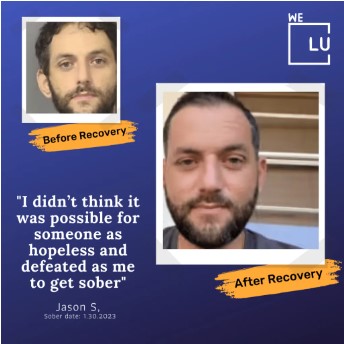
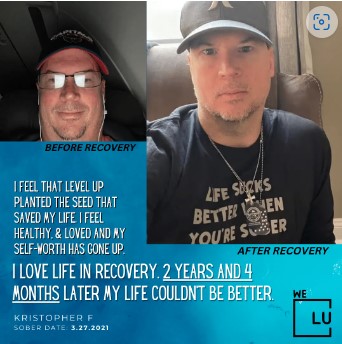
Experience Transformative Recovery at We Level Up Treatment Centers.
See our authentic success stories. Get inspired. Get the help you deserve.

Start a New Life
Begin with a free call to an addiction & behavioral health treatment advisor. Learn more about our dual-diagnosis programs. The We Level Up Treatment Center Network delivers recovery programs that vary by each treatment facility. Call to learn more.
- Personalized Care
- Caring Accountable Staff
- World-class Amenities
- Licensed & Accredited
- Renowned w/ 100s 5-Star Reviews
We’ll Call You