

Drug Rehab Dublin CA | Addiction & Mental Health Treatment
Dublin, California, is an East Bay community in Alameda County and part of the Tri-Valley region. The city sits about 35 miles east of San Francisco and borders San Ramon, Pleasanton, Livermore, and Castro Valley.
People seeking drug rehab Dublin services may also come from nearby areas. These may refer to Danville, Livermore, Pleasanton, San Ramon, and other Bay Area communities.
Addiction can affect health, relationships, work, and daily life. It can also occur with mental health conditions such as depression, anxiety, or post-traumatic stress disorder (PTSD). Getting professional drug addiction treatment can help address substance use. It can even support mental and emotional health.
We Level Up Treatment Centers delivers comprehensive addiction and mental health care. Our network serves individuals across multiple states. We have treatment centers in California, Florida, New Jersey, Washington, and Texas.
Dublin Drug Rehab Resources for Alcohol & Drug Addiction
Searching for “Drug Rehab Dublin CA”? The nearest We Level Up CA treatment centers include:
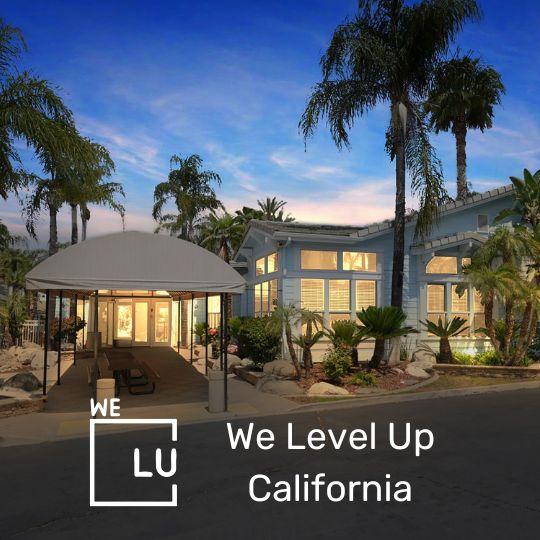
Our Top Drug & Alcohol Rehab Center in California
31631 Auto Center Dr. Lake Elsinore, CA 92530
(844) 597-1011
The We Level Up network is BBB “A” rated, Accredited & Licensed.
California Addiction & Mental Health Resources by City
- No ImageFind Lancaster Mental Health Clinics & Support Groups in California
 Find Depression Counseling San Francisco & Mental Health Clinics in CA
- No ImageFind Mental Health Clinics & Depression Monterey CA Support Groups
- No ImageFind Mental Health Clinics & Depression Support Groups Merced County CA
- No ImageFind Mental Health Clinics & Depression Counseling El Dorado Hills, CA
- No ImageInyo County Alcohol and Drug Addiction Treatment
- No ImageLassen County Alcohol & Drug Rehab
Get Help. Get Better. Get Your Life Back.
Searching for Accredited Drug and Alcohol Rehab Centers Near You?
Even if you have failed previously and relapsed, or are in the middle of a difficult crisis, we stand ready to support you. Our trusted behavioral health specialists will not give up on you. When you feel ready or just want someone to speak to about therapy alternatives to change your life call us. Even if we cannot assist you, we will lead you to wherever you can get support. There is no obligation. Call our hotline today.
(844) 597-1011Are you or somebody you know at serious risk of an overdose because of drug or alcohol abuse? If so, please call 911 right away. There are addiction rehab center addiction hotlines that can help guide you to proper local therapists & facilities.
SAMHSA TREATMENT HELPLINE
Struggling with substance use disorder? SAMHSA’s Addiction Treatment Helpline can connect you with proper help. (844) 597-1011
DRUG or ALCOHOL POISON CONTROL
If you’re experiencing or witnessing a drug- or alcohol-related poisoning, the poison control hotline can help. (844) 597-1011
Why Recover in Dublin, CA?
Dublin offers a suburban setting with access to parks, transportation, and nearby communities. These factors can make the area practical for people who desire effective treatment. They can also recover while staying connected to family and familiar support systems.
- Peaceful surroundings: Dublin has numerous parks, trails, and open spaces. Each can provide opportunities for quiet reflection and healthy activities. Emerald Glen Park, for example, includes walkways, trails, sports areas, and open recreational space.
- Easy regional access: Dublin connects to Interstate 580 and Interstate 680. The city also has two BART stations. This makes regional travel easier for clients and families.
- Nearby communities: Dublin is close to Pleasanton, Livermore, San Ramon, and other Tri-Valley communities. This can make family involvement and local support easier for some people.
- Connection to the Bay Area: Dublin is close enough to major Bay Area communities while offering a more residential setting. The Tri-Valley is about 30 miles east of San Francisco and is accessible by car, BART, and bus.
Treatment Modalities at We Level Up
Drug addiction treatment can involve several levels of care. The right approach depends on substance use, withdrawal risk, physical health, mental health, and recovery goals. A professional assessment can help determine which services may be appropriate.
Treatment programs offer different services based on each person’s needs. These services may include therapy, medical support, medication management, and recovery education. A professional assessment can help determine which level of care may provide the right support.
Medical Detox
Medical detox helps people manage withdrawal under professional supervision. Withdrawal refers to the physical and mental symptoms that can occur after reducing or stopping a substance. Some withdrawal symptoms can become serious, so medical monitoring may be important.
A detox and rehab center can provide several levels of care under one treatment plan. Some people begin with detox and then move into inpatient treatment. This approach gives clients time to focus on the recovery process in a structured and supportive environment.
We Level Up describes medical detox as a short-term stabilization service. It can include medical assessments and support for withdrawal. When appropriate, detox can provide a transition into residential treatment and other ongoing care.
Residential Rehab
Residential rehab provides a structured environment where clients live at a treatment facility. Care may include 24-hour support, individual therapy, group therapy, medical services, and recovery education. A structured schedule can reduce exposure to triggers while clients build healthier routines.
Inpatient substance abuse treatment can help people who need around-the-clock care. This level of treatment may benefit people with severe substance use or complex mental health issues. Treatment teams can also address co-occurring mental health disorders during recovery.
We Level Up residential programs use individualized treatment plans. We also include evidence-based therapies such as CBT and DBT. Services and amenities vary by location. You may ask the admissions team about what the facility offers.
Partial Hospitalization Program (PHP)
A Partial Hospitalization Program, or PHP, provides intensive daytime treatment. This comes without requiring an overnight stay. Patients attend scheduled treatment for several hours and return home afterward. PHP may help people who need more structure than standard outpatient care but do not need 24-hour residential support.
Program schedules and availability vary by facility. A clinical assessment can help determine whether PHP is an appropriate step in a person’s recovery plan.
Intensive Outpatient Program (IOP)
An Intensive Outpatient Program provides ongoing therapy. This setup allows patients to live at home. Treatment can include several sessions each week, depending on clinical needs and program design. This format may work well for people who need continued support. They are those who plan to resume work, school, or family responsibilities.
We Level Up offers outpatient services in some settings, but programs vary by location. Ask the admissions team which IOP options are currently available.
Outpatient Treatment
Outpatient treatment supports continued recovery without residential living. It may include individual therapy, group counseling, case management, medication support, or telehealth services. Outpatient care can also provide longer-term support after a more intensive program.
The right schedule depends on the person’s needs and stability. Continued therapy can help reinforce coping skills and address challenges that arise during everyday life.
Medication-Assisted Treatment (MAT)
Medication-Assisted Treatment, or MAT, combines FDA-approved medications with counseling and behavioral therapies. Healthcare professionals commonly use MAT to treat opioid use disorder. MAT also supports treatment for alcohol use disorder.
Medications can help reduce cravings or withdrawal symptoms. On the other hand, therapy addresses behavioral and emotional factors.
Qualified healthcare professionals should guide MAT. Treatment plans can include medication, counseling, recovery education, and relapse-prevention support.
Levels of Care Explained
Recovery looks different for each person. The right level of care depends on your health, substance use, and recovery needs.
Some people start with detox and move into residential care. Others may begin with outpatient treatment. A professional assessment can help you find the right level of support.
Medical Detox
Who it’s for: People who need supervised withdrawal management or stabilization.
Typical duration: Detox is usually short-term; length depends on the substance, withdrawal symptoms, and medical needs.
Goal: Manage withdrawal safely and prepare for continued treatment.
Residential Treatment
Who it’s for: People who need a structured living environment and ongoing clinical support.
Typical duration: Residential treatment may last several weeks or longer, depending on individual needs.
Goal: Stabilize recovery, address addiction patterns, and build skills for life after treatment
Partial Hospitalization Program
Who it’s for: People who need intensive daytime treatment but can safely return home.
Typical duration: PHP schedules and length vary based on clinical needs.
Goal: Provide structured therapy while helping clients practice recovery skills outside treatment
Intensive Outpatient Program
Who it’s for: People who need frequent therapy while living at home.
Typical duration: IOP may continue for several weeks or longer.
Goal: Strengthen recovery skills while helping clients manage daily responsibilities
Outpatient Treatment
Who it’s for: People who are stable enough for ongoing treatment outside a residential setting.
Typical duration: Outpatient care may continue for months or longer.
Goal: Long-term recovery support, relapse prevention, and continued behavioral health care

Get Your Life Back
Find Hope & Recovery. Get Safe Comfortable Detox, Addiction Rehab & Dual Diagnosis Trused Care.
7/365 Line (844) 597-1011Evidence-Based Therapy & Treatment Approaches
Cognitive Behavioral Therapy (CBT)
Cognitive Behavioral Therapy, or CBT, helps people identify harmful thoughts and behaviors. It can teach practical ways to manage triggers, cravings, stress, and negative thinking. CBT may be used during addiction treatment and for conditions such as depression and anxiety.
Dialectical Behavior Therapy (DBT)
Dialectical Behavior Therapy, or DBT, teaches skills for managing strong emotions and stressful situations. It can help people improve emotional regulation, communication, and coping skills. DBT may be useful when addiction occurs with emotional or mental health concerns.
Individual Therapy
Individual therapy gives clients private time with a qualified therapist. Sessions can explore substance use, personal history, mental health, relationships, and recovery goals. This approach may be used throughout treatment to address individual concerns.
Group Therapy
Group therapy allows clients to learn and practice recovery skills with peers. It can reduce isolation and provide opportunities to receive support and feedback. Group sessions may be used during residential and other treatment programs.
Trauma-Informed Care
Trauma-informed care recognizes how past traumatic experiences can affect thoughts, emotions, and behavior. Treatment focuses on safety, trust, and healthy coping rather than forcing someone to discuss trauma before they are ready. It may be especially important when trauma and substance use occur together.
Relapse Prevention
Relapse prevention helps people recognize triggers and develop plans for difficult situations. A trigger is a person, place, feeling, or situation that increases the urge to use substances. Treatment can help clients develop coping strategies before those situations occur.
Holistic Therapies
Holistic therapies support areas of recovery beyond substance use. Depending on the facility, these services may include mindfulness, fitness, recreation, art, music, or other wellness activities. These approaches can complement clinical treatment but do not replace medical or behavioral care.
California Substance Abuse Treatment Admissions Enrollments
The graph below illustrates substance abuse primary treatment admissions enrollment in California during 2019 (as a single-day count). The data show that drug addictions such as stimulants (including methamphetamine), followed by marijuana, are among California’s most commonly cited drugs for primary drug treatment admissions.

Source: California Health Care Foundation – chcf.org/collection/behavioral-health-california-almanac/
Is Dublin Right for Your Recovery?
Staying near home can make family involvement easier. It may also help people maintain important relationships and local support networks.
For some people, however, traveling away from home provides distance from familiar triggers. In some instances, it becomes an opportunity to focus fully on treatment.
Consider your addiction severity, family needs, privacy concerns, work obligations, and support system. Someone with a high risk of withdrawal or relapse may need a more structured setting. Others may benefit from remaining close to home as they receive outpatient addiction recovery services.
There is no single best location for everyone. During admissions, a treatment professional can discuss your needs. This step also helps determine whether local treatment or another We Level Up location.
First-class Facilities & Amenities
Trusted Comprehensive Addiction & Mental Health Rehabilitation Treatment
Rehab Centers TourRecognized Addiction Centers. Serene Private Facilities. Inpatient rehab programs vary.
Addiction Helpline(844) 597-1011Recovery-Centered Care, Backed by a Team w/ History of:
15+
Years of Unified Experience
100s
5-Star Reviews Across Our Centers
10K
Recovery Success Stories Across Our Network
- Onsite Medical Detox Center
- Comprehensive Dual-Diagnosis Treatment
- Complimentary Family & Alumni Programs
- Alumni Coaching, Recovery & Personal Development Events
AA Meetings, NA Meetings, Nar-Anon & Al-Anon Meetings in Dublin Near You
Professional treatment is only one part of long-term recovery. Community resources can provide additional support after treatment or while someone is searching for care.
AA Meetings Dublin CA
AA Meetings Dublin CA, or Alcoholics Anonymous Meetings
Alcoholics Anonymous, or AA, is a peer-support program for people seeking recovery from alcohol problems. Local meetings can provide connection, accountability, and shared experiences. AA recommends using local service offices and its meeting resources to find current meeting information.
NA Meetings Dublin CA
NA Meetings in Dublin, CA, or Narcotics Anonymous (NA) Meetings
Narcotics Anonymous, or NA, provides peer support for people seeking recovery from drug addiction. NA meetings focus on recovery from addiction rather than one specific drug. Meeting schedules can change. This is why the official search tool provides current local information.
SMART Recovery in Dublin, CA
SMART Recovery in Dublin, CA
SMART Recovery uses practical, self-management tools to help people address addictive behaviors. Meetings are available online and in person. The program welcomes people with different types of substance use disorders. Use the meeting finder to check current availability near Dublin.
Local Mental Health Resources
in Dublin, CA
in Dublin, CA
Local Mental Health Resources in Dublin, CA
Alameda County Behavioral Health provides mental health and substance use referrals for eligible residents. The county lists the following:
- A mental health referral line
- Substance use treatment referral line
- Crisis resources
Dual Diagnosis & Co-Occurring Mental Health Treatment
Addiction and mental health conditions can affect each other. Some people use drugs to cope with anxiety, depression, trauma, or other symptoms. Continued substance use can then make those symptoms harder to manage.
A co-occurring disorder means that a person has both a substance use disorder and a mental health condition. Common examples include depression, anxiety, bipolar disorder, and PTSD. Dual diagnosis treatment addresses both conditions as part of one coordinated plan.
We Level Up offers integrated addiction and mental health programs at its network facilities. Treatment may include therapy, medication management, behavioral support, and recovery planning. Services depend on the facility and the client’s clinical needs.
Family Involvement & Alumni Support
Family support can play an important role in recovery. Education can help loved ones do the following:
- Understand addiction
- Recognize unhealthy patterns
- Learn how to support recovery without enabling substance use
Depending on the facility and program, family services may include education, therapy, visitation, family support groups, and recovery coaching. We Level Up also describes alumni programs. These may include ongoing meetings, peer connections, coaching, and recovery-focused events.
Aftercare can help clients stay connected after residential treatment ends. Continuing therapy, attending peer-support meetings, and following a relapse-prevention plan can help support long-term recovery.
Insurance, Payment Options & Financial Assistance
The cost of treatment can vary based on the level of care, services provided, insurance coverage, and length of treatment. We Level Up offers insurance verification to help people understand their benefits before admission. The network also states that it works with many major insurance providers.
Use the We Level Up insurance verification page to begin the process. If insurance does not cover all services, admissions staff can discuss available payment options. We can also provide necessary financial guidance.
Our admissions team is available 24/7 to verify your insurance benefits at no cost.
Facility Tour & Treatment Environment
The treatment environment can affect how comfortable someone feels during recovery. Depending on the We Level Up location, accommodations may include the following:
- Private or shared rooms
- Comfortable living spaces
- Therapy areas
- Outdoor areas
- Dining services
- Fitness activities
- Recreational options
Amenities and services vary between facilities. Before admission, ask the admissions team what accommodations the specific facility offers. We Level Up also provides facility images and tour materials for its treatment centers.
Discover Licensed, Accredited & Trusted Drug Rehab in Dublin, CA.
As you prepare to leave the comforts of home and make your way back into sober living, it can be easy for old behaviors that trigger one’s addiction to resurface. The We Level Up treatment center family is well versed in battling addiction and relapse. We provide cutting-edge resources like dual diagnosis addiction treatment programs, which give people hope when they need it most. Call today to learn more.
What To Look For When Searching For Top Rehabs Near Me?

The best drug and alcohol rehab centers in Dublin, CA, offer complete treatment plans that address addiction’s physical, emotional, behavioral, and social aspects. A thorough assessment is generally performed before admission to help treatment providers determine the correct level of care and design and implement a specialized treatment plan.
Top rehab centers in Dublin, CA, offer various treatment options, from traditional to alternative, and many different amenities and levels of care.
These may include:
- Addiction Medical Detox Services
- Medication Assisted Treatment Program
- Cognitive Behavioral Therapy (CBT)
- Dialectical Behavior Therapy (DBT)
- Individual, Group, and Family Counseling
- Dual Diagnosis Treatment for Co-Occurring disorders
- Yoga for Addiction Recovery
- Luxury Detox Program
- Executive Rehab Programs
If you are looking for a drug and alcohol rehab center in Dublin, CA, It is essential to find a treatment center that suits the specific needs and circumstances of the person and family seeking care.
Dublin California Rehabs Near Me Free Consultations & Addiction Evaluations
The We Level Up rehab center network can help you find what’s best for your needs. Our admissions navigators will answer all of your questions about treatment, payment options, and more. It’s easier than ever before! Simply call us 24/7 for no hassle or stress-free consultation.
Experience Transformative Recovery at We Level Up Treatment Centers.
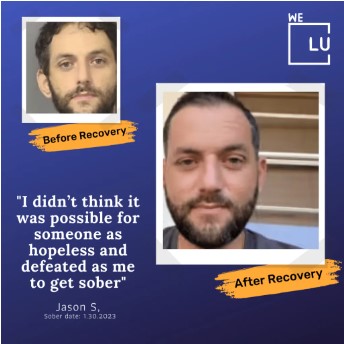
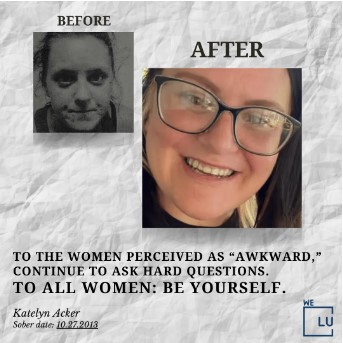
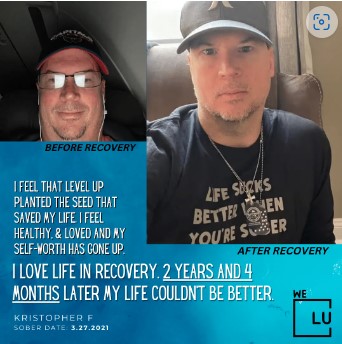
See our authentic success stories. Get inspired. Get the help you deserve.
Start a New Life
Begin with a free call to an addiction & behavioral health treatment advisor. Learn more about our dual-diagnosis programs. The We Level Up Treatment Center Network delivers recovery programs that vary by each treatment facility. Call to learn more.
- Personalized Care
- Caring Accountable Staff
- World-class Amenities
- Licensed & Accredited
- Renowned w/ 100s 5-Star Reviews
We’ll Call You
Start Your Recovery Today
Searching for drug rehab Dublin options can feel overwhelming. This is especially true when addiction has affected your health or relationships. You do not have to make every treatment decision alone.
A confidential assessment can help you understand your options. These may be detox, residential care, outpatient treatment, mental health services, and aftercare.
We Level Up’s admissions team can answer questions, discuss treatment options, and help verify insurance coverage. If Dublin is not the right setting, the nationwide treatment network can help explore other available locations.
Take the first step by calling (844) 597-1011.
We Level Up CA Addiction Rehab & Detox Centers
The We Level Up treatment center network administrates multiple drug, alcohol & mental health rehabilitation centers throughout California and nationally. People with substantial lengths of recovery time and experience share their success stories to increase awareness and understanding of mental health and substance use disorders. We Level Up anticipates the constantly shifting complexities of mental health by proactively adjusting treatment components to each individual’s needs. To learn more, check out these resources:
- Dublin Detox Center CA
- Dublin Inpatient Alcohol Rehab in CA
- Dublin Inpatient Drug Rehab in CA
- Dublin Residential Rehab Facilities
- Dublin Dual Diagnosis Treatment Centers CA
- Complementary Alumni Addiction Recovery Program
- Complimentary Family Addiction Recovery Program
- Addiction Intervention for Alcohol & Drug Abuse
- 5-Star Mental Health Treatment Center Treatment
We Level Up Mental Health Center
Drug and alcohol addiction recovery is not a singular phenomenon that can be completed with detox and a few medications. Through research, we know that drug addiction and mental illnesses go hand in hand. We believe the best approach to healing and wellness involves treating both body and mind. That’s why we care for our patients using an integrated model.
Providing clients with behavioral therapy from trusted specialists, including our behavioral health teams, when clients come in for adult treatment of depression and drug addiction and alcohol and anxiety disorder treatment, Therapies are designed to promote a healthy lifestyle through behavior changes such as drug & alcohol, stress management, coping skills, and much more. Clients learn to adjust to social stressors, life cycle transitions, adherence issues, etc.
The We Level Up treatment center network offers nationwide facilities to choose from. Call today to speak with a Dublin drug rehab specialist.
Frequently Asked Questions
How long does drug rehab last?
There is no standard treatment length for everyone. Detox may be short-term. Residential treatment can continue for several weeks or longer. Outpatient care may continue for months based on clinical needs and recovery progress.
Can I use insurance for drug addiction treatment?
Many health insurance plans provide benefits for substance use and behavioral health treatment. Coverage depends on your specific plan, provider, authorization requirements, and treatment setting. We Level Up offers a confidential health insurance verification process to help you understand your benefits.
Can I keep working during treatment?
It depends on the level of care and your clinical needs. Residential treatment requires living at the facility. Outpatient programs may allow more flexibility. Your treatment team can help identify an appropriate option based on your recovery needs and responsibilities.
What should I bring to rehab?
Packing rules vary by facility. Ask admissions for a current list of approved clothing, medications, documents, personal items, and prohibited belongings before traveling. Following the facility’s list can make admission easier. For more relevant information, call us today: (844) 597-1011.
Can family visit during treatment?
Family involvement and visitation rules vary by facility and program. Some programs provide scheduled visitation, family education, or therapy sessions. Ask admissions about current visitation policies before treatment begins.
Do you treat mental health conditions during addiction treatment?
Some We Level Up facilities provide dual diagnosis and mental health services alongside addiction treatment. Common concerns may include depression, anxiety, trauma, and PTSD. A clinical assessment can help determine what type of integrated care may be appropriate.
How do I know which level of care I need?
A professional assessment can consider substance use, withdrawal risk, medical history, mental health symptoms, previous treatment, and recovery goals. The results can help determine whether detox, residential, PHP, IOP, or outpatient treatment is appropriate.
Our admissions team is available 24/7 to answer your questions. Call (844) 597-1011 to learn more.

We Level Up Tamarac FL
Premier Behavioral Health Treatment Center
 Licensed & Accredited w/ 5-star reviews.
- Inpatient mental health treatment center
- Therapy for depression, anxiety, trauma, bipolar disorder, PTSD, and more.
- Dual diagnosis rehab programs available

We Level Up West Palm Beach
Premier Behavioral Health Treatment Center
Licensed & Accredited. - Inpatient mental health treatment center
- Therapy for depression, anxiety, trauma, bipolar disorder, PTSD, and more.
- Dual diagnosis rehab programs available
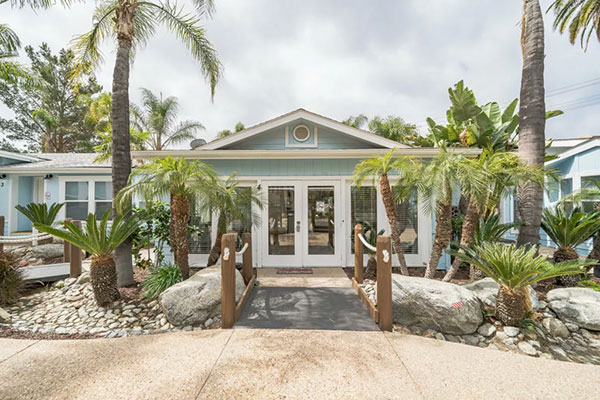
We Level Up California
Drug & Alcohol Addiction Treatment Center w/Detox
Licensed & Accredited w/ 5-star reviews. - Inpatient addiction rehab center w/medical detox
- Addiction treatment and detox for alcohol, benzo, heroin, opioid, and more.
- Secondary mental health treatment available as part of our dual diagnosis programs.
Popular Drug Rehab Articles of Interest
Medical Disclaimer
The information on this website is for informational purposes only and does not provide nor substitute professional medical advice. Always seek the help of a physician or other qualified health provider if you have questions regarding your health! This content is not intended to replace professional medical advice, diagnosis, or treatment. Do not overlook professional medical advice or wait to seek it because of something you have read on this site. In the event of a medical emergency call 911 immediately. This website does not recommend nor endorse any specific tests, doctors, products, procedures, opinions, or other information that may be noted on the website. Dependence on any information supplied by this website is exclusively at your own risk.