What is Molly?
Molly is a drug that can change mood, energy, thinking, and behavior in a short time. Many people use Molly to feel happy, active, or connected during social events and gatherings. While the effects may seem pleasant at first, Molly can cause serious health problems later. The drug affects brain chemicals that help control emotions, memory, sleep, and daily functioning.
Some people may feel anxious, confused, or scared after using Molly, especially with repeated use. Long-term use can increase the risk of addiction, mood problems, and trouble making healthy decisions. The body may also become dependent, making it harder to stop using the drug safely. Treatment and support can help people recover, improve health, and build a safer future ahead.
Table of Contents

Get Your Life Back
Find Hope & Recovery. Get Safe Comfortable Detox, Addiction Rehab & Dual Diagnosis Trused Care.
7/365 Line (844) 597-1011Molly is a street name for MDMA, a man-made drug that changes how the brain works. It affects chemicals in the brain that control mood, energy, and feelings. Because of this, people may feel happy, active, or very emotional for a short time. However, these effects do not last long and can come with serious risks. The National Institute on Drug Abuse (NIDA) explains that MDMA can affect brain function and may lead to long-term changes in mood and thinking when used often.
Molly can affect the body in many ways. It may raise heart rate and body temperature. This can make a person feel hot, sweaty, or shaky. Some people may also feel sick, dizzy, or confused. The drug can also affect sleep and appetite. After the short effects wear off, many people feel very tired, sad, or anxious. This is sometimes called a “crash.” Over time, repeated use can make the brain depend on the drug to feel normal. This can lead to cravings and trouble stopping.
Molly may also affect memory, focus, and emotions. Some users may have trouble thinking clearly or making decisions. It can also affect hydration and the body’s ability to control temperature, which can be dangerous. Because each batch may contain different chemicals, the effects can change each time. This makes Molly unpredictable and risky for the body and brain.
Get Help. Get Better. Get Your Life Back.
Searching for Accredited Drug and Alcohol Rehab Centers Near You?
Even if you have failed previously and relapsed, or are in the middle of a difficult crisis, we stand ready to support you. Our trusted behavioral health specialists will not give up on you. When you feel ready or just want someone to speak to about therapy alternatives to change your life call us. Even if we cannot assist you, we will lead you to wherever you can get support. There is no obligation. Call our hotline today.
(844) 597-1011Signs You May Need Help for Molly Use
- Strong cravings for Molly
- Using more often or in higher amounts
- Feeling anxious, sad, or moody after use
- Trouble sleeping or feeling tired often
- Losing interest in school, work, or activities
- Difficulty stopping even when trying
- Feeling confused or unable to focus
Different Types of Molly
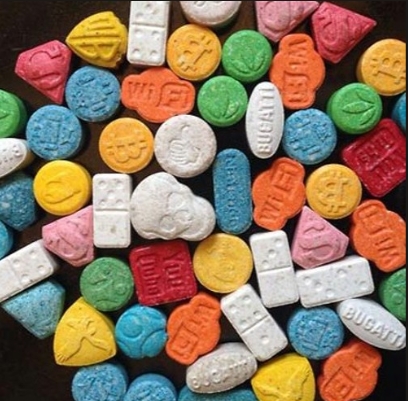
There are different types of Molly, but many are not pure MDMA. Some may be mixed with other chemicals, which increases the risk. These mixtures can make effects unpredictable and dangerous. Some forms may look like powder, capsules, or crystals. Because there is no quality control, users often do not know what they are taking.
Purple Molly
Purple Molly is a street name sometimes used for colored or dyed MDMA. However, the color does not guarantee safety or purity. It may still contain unknown or harmful substances. Even small changes in chemical makeup can increase the risk of overdose or negative side effects.
Smoking Molly
Some people search for smoking Molly, but MDMA is not designed to be smoked. Using it this way is unsafe and can increase health risks. Smoking can damage the lungs and change how the drug is absorbed. This may lead to stronger side effects and unpredictable reactions.
Molly First Take
The Molly first-take experience varies from person to person. Some may feel energy, happiness, and emotional closeness at first. Others may feel nausea, anxiety, or confusion. The effects usually last a few hours, but after that, many people feel a “crash” that includes tiredness, sadness, or low mood.
First-class Facilities & Amenities
Trusted Integrated Addiction & Mental Health Rehabilitation Treatment
Rehab Centers TourEstablished Addiction Centers. Serene Private Facilities. Inpatient rehab programs vary.
Addiction Helpline (844) 597-1011Comprehensive recovery success experience, backed by a Team w/ History of:
15+
Years of Unified Experience
100s
5-Star Reviews Across Our Centers
10K
Recovery Success Stories Across Our Network
- Low Patient to Therapist Ratio
- Onsite Medical Detox Center
- Comprehensive Dual-Diagnosis Treatment
- Complimentary Family & Alumni Programs
- Alumni Coaching, Recovery & Personal Development Events
Why Choose We Level Up for Molly Addiction Treatment?
We Level Up provides caring and structured support for people struggling with Molly addiction. Molly, also known as MDMA, can affect mood, energy, and thinking. Some people may start using it for fun or social reasons, but over time, it can lead to dependence. Our team understands how this process happens and offers safe, judgment-free care. We focus on helping each person understand their situation and take the first steps toward recovery. Treatment begins with a full assessment to learn about health, substance use, and mental health needs. This helps us build a plan that fits each person’s condition and recovery goals.
At We Level Up, patients receive support from trained professionals who specialize in addiction and mental health care. We offer medical support, therapy, and counseling to help manage cravings and emotional challenges. Our goal is to help patients regain control of their lives in a safe and supportive environment. We also provide tools to prevent relapse and build healthy daily routines.
Recovery is different for everyone, so care is always personalized. Our facility in Deerfield Beach, Florida, offers a calm place for healing and growth. You can reach us at +(954) 475-6031 or by email at verifyadmissions@welevelup.com for help and guidance.
What to Expect During Molly Addiction Treatment?
Molly addiction treatment starts with a simple health and drug use check. Doctors ask about MDMA use, symptoms, and overall health to understand how the drug affected the body and brain. The first step focuses on safety, comfort, and support. Some people may feel tired, anxious, or emotional when they stop using Molly. Medical staff may watch symptoms and help manage withdrawal while the brain adjusts without the drug.
After this, treatment usually includes therapy and counseling to support recovery. Therapy helps people understand their thoughts, feelings, and reasons for drug use. One-on-one sessions give private support, while group therapy helps people feel less alone. Patients also learn coping skills for cravings and triggers. Long-term recovery focuses on healthy routines, relapse prevention, and ongoing support to build a stable life.
Specialized, Accredited, 5-Star Reviewed, Evidence-based Addiction & Mental Health Programs. Complete Behavioral Health Inpatient Rehab, Detox plus Co-occuring Disorders Therapy.
CALL(844) 597-1011End the Addiction Pain. End the Emotional Rollercoaster. Get Your Life Back. Start Drug, Alcohol & Dual Diagnosis Mental Health Treatment Now. Get Free, No-obligation Guidance by Substance Abuse Specialists Who Understand Addiction & Mental Health Recovery & Know How to Help.
Detection Timelines for Molly (MDMA)
Molly (MDMA) can be detected in the body for a limited time depending on the test type and usage. Detection times are estimates and can vary from person to person.
Urine tests: 1 to 3 days after use
- In heavy or repeated use: up to 5 days
Blood tests: 12 to 24 hours after use
- Sometimes up to 48 hours in higher doses
Saliva tests: 1 to 2 days after use
Hair tests: up to 90 days or longer
- Hair testing shows long-term use patterns, not recent use
These timelines are general and can change based on body and usage factors.
Factors That Affect How Long Molly Stays Detectable
Several factors can change how long Molly stays in the body and how long it can be detected in tests:
1. Dose and frequency of use: Higher doses and repeated use stay in the body longer.
2. Metabolism: People with faster metabolisms process the drug more quickly.
3. Body weight and fat levels: Body composition can affect how long the drug is stored.
4. Hydration and health status: Liver and kidney function play a role in drug removal.
5. Age and overall health: Younger, healthier individuals may clear it faster.
6. Drug purity and mixing: Molly often contains other substances that can extend detection time.
These factors explain why detection times can differ widely between individuals.
Benefits of Molly Addiction Treatment
- Reduced drug cravings and dependence
- Improved mental health and mood stability
- Better sleep and energy levels
- Strong coping skills for stress and triggers
- Healthier daily routines and lifestyle habits
These benefits help people rebuild daily life and improve well-being.
FAQs About Molly
What does Molly mean in simple terms?
Molly is a slang name for MDMA, a synthetic drug that affects mood, energy, and emotions. People often hear this term at parties or in social settings. It can make users feel happy, energetic, or emotionally open for a short time. However, it also comes with risks such as anxiety, depression, and dependence. Over time, repeated use may affect how the brain responds to emotions and stress. Understanding what Molly means helps people recognize its effects and possible dangers early.
Why do people use Molly?
People use Molly because it can create feelings of happiness, energy, and emotional closeness. Some also use it in social settings to feel more connected to others. However, these effects are short-lived and can be followed by a crash, including sadness, tiredness, or anxiety. The drug can also affect judgment and decision-making, which may lead to risky behavior. Even though some people use it for fun, the health risks make it unsafe, especially with repeated use or unknown ingredients.
Is Molly always pure MDMA?
No, Molly is not always pure MDMA. Some products sold as Molly may contain other substances or chemicals. This makes it unpredictable and sometimes dangerous. Users often do not know exactly what they are taking, which increases the risk of side effects or overdose. Different batches can vary in strength and composition. Because of this, the effects can change each time it is used, making it unsafe and unreliable.
What are the short-term effects of Molly?
Short-term effects of Molly may include increased energy, happiness, and emotional warmth. Some users may also feel more social and talkative. However, side effects can include nausea, sweating, confusion, and anxiety. After the effects wear off, many people feel tired, low, or depressed. These changes happen because the drug affects brain chemicals that control mood and energy. The effects can vary depending on dose and purity, making them unpredictable.
Can Molly lead to addiction?
Yes, Molly can lead to psychological dependence. The brain may begin to crave the feelings it produces, such as happiness and emotional connection. This can lead to repeated use and difficulty stopping. Over time, it may affect relationships, work, and mental health. Some people may feel they need it to enjoy social situations. Treatment and support can help break this pattern and support safer recovery.
What happens after using Molly?
After using Molly, a person may experience a “comedown” or crash. This can include tiredness, sadness, irritability, and anxiety. Sleep problems and low energy are also common. These effects happen because the brain’s chemicals are temporarily depleted. Some people may feel normal again after a few days, while others may feel low for longer. Repeated use can make these crashes more intense over time.
Why is Molly’s use risky?
Molly use is risky because it may contain unknown substances mixed with MDMA. This makes the drug unpredictable and dangerous. It can affect the heart, brain, and body temperature. In some cases, it may lead to dehydration, confusion, or serious medical emergencies. Because users cannot always know what is inside, even small amounts can cause harm. These risks increase with repeated use or higher doses.
When should someone seek help for Molly’s use?
A person should seek help if Molly’s use starts affecting their health, emotions, or daily life. Warning signs include cravings, mood changes, withdrawal symptoms, or loss of control. If stopping feels difficult, it may be a sign of dependence. Early support and treatment can help prevent long-term problems and improve recovery outcomes.
Experience Transformative Recovery at We Level Up Treatment Centers.
See our authentic success stories. Get inspired. Get the help you deserve.
Start a New Life
Begin with a free call to an addiction & behavioral health treatment advisor. Learn more about our dual-diagnosis programs. The We Level Up Treatment Center Network delivers recovery programs that vary by each treatment facility. Call to learn more.
- Personalized Care
- Caring Accountable Staff
- World-class Amenities
- Licensed & Accredited
- Renowned w/ 100s 5-Star Reviews
We’ll Call You
How to Get Started?
If you or someone you know is struggling with Molly use, help is available today from caring professionals. Taking the first step can help improve health, safety, and daily life over time. We Level Up provides confidential treatment programs for people facing addiction and substance use challenges. Our team helps patients understand treatment options and build a plan for lasting recovery success.
Search We Level Up Molly Addiction Detox, Mental Health Topics & Resources
Sources
[1] Figurasin R, Maguire NJ. 3,4-Methylenedioxy-Methamphetamine Toxicity. [Updated 2022 Sep 4]. In: StatPearls [Internet]. Treasure Island (FL): StatPearls Publishing; 2023 Jan-. Available from: https://www.ncbi.nlm.nih.gov/books/NBK538482/
[2] Kalant H. The pharmacology and toxicology of “ecstasy” (MDMA) and related drugs. CMAJ. 2001 Oct 2;165(7):917-28. PMID: 11599334; PMCID: PMC81503.
[3] MDMA (Ecstasy/Molly) – National Institute on Drug Abuse (NIDA)
[4] NIDA. 2020, June 15. MDMA (Ecstasy/Molly) DrugFacts. Retrieved from https://nida.nih.gov/publications/drugfacts/mdma-ecstasymolly on 2023, June 10
[5] Drug Fact Sheet: Ectasty/MDMA – Drug Enforcement Administration (DEA)
[6] Ecstasy Or MDMA (also Known As Molly) – Drug Enforcement Administration (DEA)
[7] Ecstasy or MDMA (also known as Molly) – Get Smart About Drugs Available from: https://www.getsmartaboutdrugs.gov/drugs/ecstasy-or-mdma-also-known-molly
[8] 3,4-Methylenedioxymethamphetamine – Department of Justice (USDOJ)
[9] Associations between MDMA/ecstasy use and physical health in a U.S. population-based survey sample – Substance Abuse and Mental Health Services Administration (SAMHSA)
[10] MDMA/ecstasy use and psilocybin use are associated with lowered odds of psychological distress and suicidal thoughts in a sample of US adults – Substance Abuse and Mental Health Services Administration (SAMHSA)