SUD means substance use disorder, a condition that affects how the brain and behavior work daily. It happens when a person cannot control drug or alcohol use despite negative effects on life. SUD can affect mood, health, relationships, work, and daily responsibilities in many harmful ways. Early understanding of SUD helps people recognize problems and seek support sooner for recovery.
Symptoms of SUD may include cravings, withdrawal, mood changes, and difficulty stopping substance use. Treatment often includes counseling, medical care, and structured recovery programs for safe healing and support. Recovery focuses on building healthy habits, improving mental health, and preventing relapse over time. With proper care, many people can recover and regain stability in their daily lives.
Table of Contents
What Is SUD?
The term “what is SUD” means Substance Use Disorder. The SUD medical abbreviation is used by doctors and mental health experts. SUD happens when a person keeps using drugs or alcohol even when it causes harm. It can affect the brain, body, feelings, and behavior. A person with SUD may have trouble at home, school, or work.
Some people may feel sick or upset when they stop using substances. Others may need more drugs or alcohol over time to feel the same effect. Drug and alcohol misuse can also hurt relationships and daily life. According to the National Institute on Drug Abuse (NIDA), addiction is a treatable medical condition that changes how the brain works.
Many people also ask what is considered a chronic drug user. A chronic drug user is someone who keeps using drugs for a long time despite harmful effects. Long-term drug use may lead to health problems, mental health struggles, and addiction. Common drug addict signs may include mood swings, poor sleep, low energy, and secretive behavior.
The signs and symptoms of someone on drugs can look different in each person. Some people become angry or sad, while others stop enjoying normal activities. Early treatment can help prevent serious problems later. Therapy, support groups, and healthy habits may help people recover safely. With proper care and support, many people are able to live healthy and sober lives again.

Signs You May Need SUD Treatment
The signs and symptoms of someone on drugs can look different for each person. Some signs are emotional, while others are physical or behavioral.
Common Drug Addiction Signs
- Mood swings or anger
- Poor sleep habits
- Sudden weight loss
- Low energy or sadness
- Secretive behavior
- Problems at work or school
- Loss of interest in hobbies
Drug addict signs may become worse over time. Family and friends often notice changes before the person does. Early treatment may prevent serious health problems later. If you or someone you know needs help, call +(954) 475-6031 or email verifyadmissions@welevelup.com for confidential support and guidance today.
Get Your Life Back
Find Hope & Recovery. Get Safe Comfortable Detox, Addiction Rehab & Dual Diagnosis Trused Care.
7/365 Line (844) 597-1011Substance Use Prevention
Substance use prevention helps people avoid addiction problems before they begin. Prevention programs teach healthy coping skills and emotional awareness. They also explain the dangers of drug and alcohol misuse.
Parents, schools, and communities all help support prevention efforts. Open communication and support may lower addiction risks. Prevention education can also help recovering individuals avoid relapse.
Why Choose We Level Up for SUD Treatment?
We Level Up helps people who are struggling with drug or alcohol addiction. The center also helps people with mental health problems like anxiety, depression, and stress. The care team works closely with each person to create a treatment plan that fits their needs. Every client receives support in a safe, calm, and caring place.
The staff understands that recovery can feel hard and scary at first. They guide clients step by step during treatment. People can learn healthy ways to manage stress, emotions, and daily problems. Family support and recovery education may also help clients feel stronger during recovery.
The goal is to help each person feel safe, supported, and hopeful again. Treatment at We Level Up may include therapy, group counseling, and relapse prevention planning. Clients may talk with trained professionals about their feelings, struggles, and recovery goals. Therapy sessions help people understand addiction and build healthy habits.
Mental health support is also available for people dealing with trauma or emotional pain. Recovery programs teach clients how to avoid triggers and stay sober after treatment ends. Clients also learn coping skills that may help them handle stress without using drugs or alcohol. The team focuses on long-term healing and recovery support.
Many people improve their health, relationships, and daily lives during treatment. With the right care and support, recovery is possible for people living with Substance Use Disorder. Call +(954) 475-6031 or email verifyadmissions@welevelup.com to learn more.
Get Help. Get Better. Get Your Life Back.
Searching for Accredited Drug and Alcohol Rehab Centers Near You?
Even if you have failed previously and relapsed, or are in the middle of a difficult crisis, we stand ready to support you. Our trusted behavioral health specialists will not give up on you. When you feel ready or just want someone to speak to about therapy alternatives to change your life call us. Even if we cannot assist you, we will lead you to wherever you can get support. There is no obligation. Call our hotline today.
(844) 597-1011What to Expect During SUD Treatment?
Treatment for Substance Use Disorder (SUD) often starts with a full health check and mental health assessment. The care team asks questions about drug or alcohol use, health history, and daily struggles. This helps the team understand the person’s needs and create the right treatment plan. Some people may need medical detox before starting therapy.
Detox helps remove drugs or alcohol from the body in a safer way. During detox, medical staff may help manage withdrawal symptoms and keep clients comfortable. Early care is important because addiction can affect both the mind and body. The goal is to help clients begin recovery safely and with support.
After detox, many clients begin therapy and recovery programs. Treatment may include one-on-one counseling and group therapy sessions. Therapy helps people talk about their thoughts, feelings, and struggles with addiction. Clients may also learn about triggers that can lead to drug or alcohol use.
Counselors teach healthy coping skills that help people deal with stress and emotions. Some people also receive support for anxiety, depression, or trauma during treatment. Group therapy allows clients to connect with others going through similar experiences. This support may help people feel less alone during recovery.
Relapse prevention is another important part of SUD treatment. Clients learn ways to avoid triggers and make healthier choices after treatment ends. Recovery programs may teach stress management, communication skills, and healthy routines. Many treatment centers also offer aftercare programs and peer support groups. Ongoing support can help people stay focused on recovery goals. Family support may also play an important role in long-term healing.

Benefits of SUD Treatment
Professional treatment can improve many areas of life.
- Better mental health
- Safer coping skills
- Lower relapse risk
- Stronger family relationships
- Improved physical health
- Personalized recovery plans
Treatment can help people regain control of their lives. Recovery support may also improve confidence and emotional wellness. People may start rebuilding healthy routines like eating well, sleeping better, and staying active. They can also repair relationships with family and friends over time. With continued support, many people learn to handle stress without using drugs or alcohol, leading to a more stable and healthier future life.
First-class Facilities & Amenities
Trusted Integrated Addiction & Mental Health Rehabilitation Treatment
Rehab Centers TourEstablished Addiction Centers. Serene Private Facilities. Inpatient rehab programs vary.
Addiction Helpline (844) 597-1011Comprehensive recovery success experience, backed by a Team w/ History of:
15+
Years of Unified Experience
100s
5-Star Reviews Across Our Centers
10K
Recovery Success Stories Across Our Network
- Low Patient to Therapist Ratio
- Onsite Medical Detox Center
- Comprehensive Dual-Diagnosis Treatment
- Complimentary Family & Alumni Programs
- Alumni Coaching, Recovery & Personal Development Events
FAQs About SUD
What is SUD?
SUD means Substance Use Disorder. It is a condition where a person keeps using drugs or alcohol even when it causes harm. It can affect the brain, body, and behavior. A person may have trouble at home, school, or work. Some people feel they cannot stop using substances. Treatment and support can help people recover. Early help is important for better health and safety. SUD can also affect emotions and decision-making, making daily life harder without support.
What are common drug addiction signs?
Common drug addiction signs include mood changes, poor sleep, low energy, and secretive behavior. A person may stop caring about hobbies or family. Some may have problems at work or school. Others may have money issues or poor hygiene. These signs can get worse over time. Family and friends may notice changes early. Getting help early can support recovery. Physical changes like weight loss or red eyes may also appear in some cases.
What is considered a chronic drug user?
A chronic drug user is someone who uses drugs for a long time, even when it is harmful. They may feel they cannot stop. Some may need more drugs over time. Others may feel sick when they stop. Long-term use can hurt health and relationships. Treatment can help people stop using drugs and start recovery with support. Chronic use may also lead to stronger cravings and withdrawal symptoms without professional care.
What are the signs that someone is on drugs?
Signs someone is on drugs include mood swings, anger, sadness, and confusion. They may sleep too much or too little. Some may lose weight or stop caring about hygiene. Others may avoid family and friends. Behavior may change based on the drug used. These signs may show a person needs help. Early support can improve recovery chances. You may also notice changes in speech, energy, or daily habits over time.
Can SUD be treated?
Yes, SUD can be treated. Treatment may include therapy, counseling, and support groups. Some people may need medical detox first. Therapy helps people learn healthy coping skills. It also helps them understand triggers. Recovery takes time and support. Many people get better with proper care. Staying in treatment can help prevent relapse and support long-term recovery. Ongoing follow-up care is also important for lasting success.
Why is substance use prevention important?
Substance use prevention helps stop addiction before it starts. It teaches people healthy habits and safe choices. Schools, families, and communities can help with prevention. It also teaches about the risks of drugs and alcohol. Good education can protect young people and adults. Prevention can reduce health problems and addiction in the future. It helps build safer communities. It also encourages better mental health and decision-making skills.
How does addiction affect mental health?
Addiction can affect mental health in many ways. A person may feel sad, angry, or anxious. Some may have trouble sleeping or thinking clearly. Drug use can make mental health problems worse. People may feel stressed or alone. Addiction often affects emotions and behavior. Treatment can help improve both mental health and recovery. Support is important for healing. It can also lower the risk of depression and anxiety over time.
How can family help during recovery?
Family support is very important in recovery. Families can give encouragement and care. They can help a person stay focused on treatment. Good communication can build trust. Families may join counseling or support programs. This helps them understand addiction better. Support from loved ones can reduce stress. It can also help a person stay sober longer. Families can also help create a safe and stable home environment for recovery.
Specialized, Accredited, 5-Star Reviewed, Evidence-based Addiction & Mental Health Programs. Complete Behavioral Health Inpatient Rehab, Detox plus Co-occuring Disorders Therapy.
CALL(844) 597-1011End the Addiction Pain. End the Emotional Rollercoaster. Get Your Life Back. Start Drug, Alcohol & Dual Diagnosis Mental Health Treatment Now. Get Free, No-obligation Guidance by Substance Abuse Specialists Who Understand Addiction & Mental Health Recovery & Know How to Help.
How to Get Started?
Learning what SUD is can help people better understand addiction and recovery needs. Substance use disorder affects the brain, behavior, and daily life in many harmful ways. Early treatment can improve long-term health, emotional stability, and overall well-being. Support is available for anyone struggling with substance misuse or addiction challenges.
We Level Up provides caring and confidential addiction treatment and recovery support services. Our team helps people understand their condition and choose the right treatment options. Care may include therapy, medical support, and structured recovery programs for healing. Call +(954) 475-6031 or email verifyadmissions@welevelup.com to get started today.
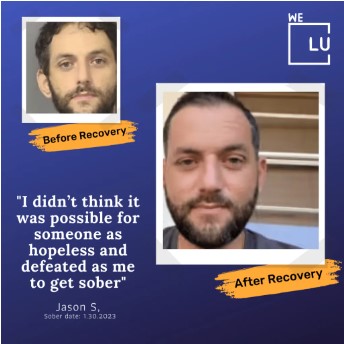
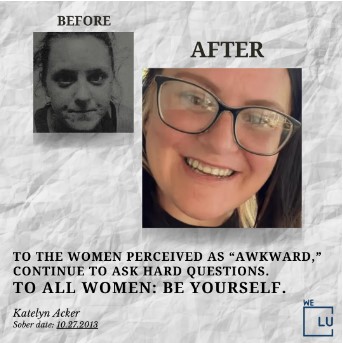
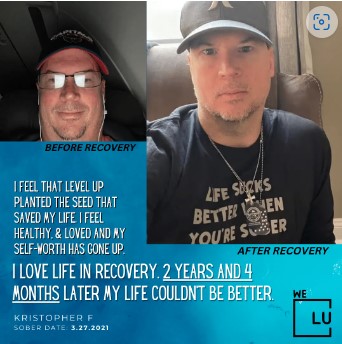
Experience Transformative Recovery at We Level Up Treatment Centers.
See our authentic success stories. Get inspired. Get the help you deserve.
Start a New Life
Begin with a free call to an addiction & behavioral health treatment advisor. Learn more about our dual-diagnosis programs. The We Level Up Treatment Center Network delivers recovery programs that vary by each treatment facility. Call to learn more.
- Personalized Care
- Caring Accountable Staff
- World-class Amenities
- Licensed & Accredited
- Renowned w/ 100s 5-Star Reviews
We’ll Call You