Alcohol abuse is a serious problem in the United States. Millions of people struggle with it every year. It is the second most common substance use disorder in the country.
Drinking becomes harmful when it affects your health. It also affects your job and your relationships. The effects of alcohol build up fast. Many people do not ask for help until things get very bad.
An alcohol abuse intervention can be the turning point. It helps a person see that they need help. At We Level Up Treatment Centers, trained staff are ready to help 24 hours a day, 7 days a week. Recovery is real, and it starts with one call.
What Is Alcohol Abuse Intervention?
An alcohol abuse intervention is a planned talk. It helps a person see the harm their drinking causes. It also helps them find treatment.
Doctors classify alcohol use disorder (AUD) in three levels. Those are mild, moderate, and severe. Heavy drinking over time leads to physical dependence on alcohol.
Binge drinking can cause alcohol poisoning. That is a medical emergency. AUD can affect anyone, at any age.
Even drinking only on weekends can cause real harm. It does not take daily drinking to develop alcoholism. Any harmful pattern of drinking needs attention.
Doctors say drinking is a problem when it fits these patterns:
- More than 14 drinks a week or 4 at one time for men under 65.
- More than 7 drinks a week or 3 at one time for women or adults over 65.
- Any drinking that harms health, work, or relationships.
Most people with alcohol use disorder never get help. Good treatment options exist for every level of AUD. An alcohol abuse intervention makes it more likely a person will say yes to help.
Skip To:
- What Is Alcohol Abuse
- Alcohol Abuse/Alcohol Use Disorder Facts Sheet
- Symptoms Of Alcohol Abuse
- Alcohol Abuse vs Alcohol Dependence
- Alcohol Abuse Prevention
- Alcohol Abuse Causes
- Alcohol Abuse Health Complications
- How Do You Diagnose an Alcoholic?
- Alcohol Abuse FAQs
- Effective Alcohol Abuse Treatment
- Living With Alcohol Abuse
Learn More:
- Alcoholism Treatment, Signs, Complications & Rehab Programs
- Alcoholic Hepatitis Treatments
- Alcoholic Cirrhosis
- Mixing Prescription Drugs with Alcohol
- Wet Brain Treatment
- Dry Drunk Syndrome
- Symptoms of Alcohol Use Disorder
- Alcoholism Treatment Near Me
- Alcohol Withdrawal Treatment
- Inpatient Alcohol Rehab Center
- Alcohol Withdrawal Brain Fog
- Stabilization Treatment
- Alcohol Detox & Withdrawal
- Alcohol Detox Program
- Alcoholism Treatment Near Me
- Inpatient vs Outpatient Alcohol Rehab Success Rates
- Suboxone Treatment for Alcoholism
- What is Dual Diagnosis Rehab for inpatient alcohol treatment?
- Alcohol and Insomnia
- Alcohol and Aging

Get Your Life Back
Find Hope & Recovery. Get Safe Comfortable Detox, Addiction Rehab & Dual Diagnosis Trused Care.
7/365 Line (844) 597-1011Alcohol Abuse/Alcohol Use Disorder Facts Sheet
Also known as: alcoholism, alcohol dependence, alcohol dependence, alcoholism, alcohol addiction
Alcohol Abuse Overview
A long-term condition characterized by binge drinking and alcohol obsession.
Alcoholism is the inability to manage alcohol consumption brought on by a physical and/or emotional reliance on the substance.
Alcoholism is the inability to manage alcohol consumption brought on by a physical and/or emotional reliance on the substance.
Strong needs or urges to drink alcohol are among the symptoms. People with alcohol use disorders may struggle to regulate their drinking, keep drinking even when it creates issues, or experience withdrawal symptoms when they drastically cut back or quit.
Counseling, such as behavioral therapy, and drugs that lessen the desire to drink are used in treatment. For certain people, medical detoxification is necessary to safely cease drinking. Mutual support groups assist individuals in quitting drinking, controlling relapses, and adjusting to necessary lifestyle changes.
Alcohol Abuse Symptoms
Usually self-diagnosable
Strong needs or urges to drink alcohol are among the symptoms. People with alcohol use disorders may struggle to regulate their drinking, keep drinking even when it creates issues, or experience withdrawal symptoms when they drastically cut back or quit.
Alcohol Abuse Patients Experience:
Whole body: Fever, dizziness, shakiness, hunger, or blackout.
Behavioral: Aggression, agitation, compulsiveness, self-destructiveness, or a lack of self-control.
Mood: Apprehension, euphoria, depression, guilt, or loneliness.
Digestive system: Nausea or vomiting.
Psychological: delirium or fear.
Additional symptoms: Physical drug abuse, coordination issues, slurred speech, and tremor.
Alcohol Abuse Treatments
Treatment consists of therapy and medications
Counseling, such as behavioral therapy, and drugs that lessen the desire to drink are used in treatment. For certain people, medical detoxification is necessary to safely cease drinking. Mutual support groups assist individuals in quitting drinking, controlling relapses, and adjusting to necessary lifestyle changes.
Medical procedure
Alcohol detox treatment is the sudden termination of alcohol consumption in those suffering from alcoholism.
Therapies
Support group, cognitive behavioral therapy, aversion therapy, family therapy, behavior therapy, psychotherapy, group psychotherapy, and counseling.
Medications
Sedative, vitamin, and alcoholism medication.
Self-care
Abstinence- Entirely abstaining from all alcohol use which can assist an alcoholic in becoming a moderate and problem-free drinker.
Alcohol Abuse Specialists
Clinical psychologist
Utilizes conversation therapy as the primary treatment for mental problems.
Psychiatrist
Prescribes medicine as the main treatment for mental problems.
Primary care provider (PCP)
Focuses on disease prevention, diagnosis, and treatment.
Signs You May Need an Alcohol Abuse Intervention
Alcohol misuse shows up differently in each person. But some warning signs are very common. Spotting them early can save a life.
Watch for these signs:
- Drinking every day with no ability to stop.
- Health getting worse while drinking goes on.
- Relationships falling apart because of alcohol misuse.
- Missing work or school because of drinking.
- Driving while drunk or mixing alcohol with medicine.
- Drinking while pregnant.
- Denying there is a problem despite clear harm.
- Getting into legal trouble because of drinking.
- Blacking out or losing memory after drinking.
- Getting angry when someone brings up the drinking.
These signs mean a person likely needs an alcohol abuse intervention soon.
If you see these signs in someone you love, call +(954) 475-6031 today. A specialist is ready to help.
Why Choose We Level Up for Alcohol Abuse Intervention?
We Level Up Treatment Centers offer trusted programs for alcohol use disorder. The team includes doctors, therapists, and addiction specialists. Medical staff are on hand 24 hours a day, 7 days a week.
Every person gets a care plan made for their own needs. No two plans are the same. Programs include detox, inpatient rehab, and ongoing recovery support.
The facility uses therapy methods that are proven to work. These include cognitive behavioral therapy and medication-assisted treatment. Mental health conditions get treated alongside alcohol abuse at the same time.
Hundreds of five-star reviews show the quality of care. Family members also get help and guidance throughout the process. Studies show that family support leads to better recovery outcomes.
Learning how to help a high-functioning alcoholic is one resource the team shares with families. It gives loved ones real, practical tools. It also helps them set healthy limits without burning out.
Ready to start? Call +(954) 475-6031 now. The call is free, private, and has no strings attached.
Get Help. Get Better. Get Your Life Back.
Searching for Accredited Drug and Alcohol Rehab Centers Near You?
Even if you have failed previously and relapsed, or are in the middle of a difficult crisis, we stand ready to support you. Our trusted behavioral health specialists will not give up on you. When you feel ready or just want someone to speak to about therapy alternatives to change your life call us. Even if we cannot assist you, we will lead you to wherever you can get support. There is no obligation. Call our hotline today.
(844) 597-1011What to Expect During Alcohol Abuse Intervention and Treatment
Treatment moves through clear stages. Each stage prepares you for the next. Knowing the steps ahead of time makes it less scary.
Stage 1: Assessment
A health and history check happens when you arrive. The team looks at your physical health and mental health. They also look at your drinking history to build your care plan.
Stage 2: Medical Detox
Stopping drinking without help can be very dangerous. Severe withdrawal can cause seizures or delirium tremens. Both need fast medical care.
- A slow, steady process before the next stage begins.
- Medicine to ease withdrawal symptoms.
- Round-the-clock care from medical staff.
- Vitamin supplements to protect the brain.
Stage 3: Therapy
Therapy gets to the root of the drinking problem. Proven therapy methods for alcohol use disorder show strong results when used the right way. Options include one-on-one therapy, group sessions, and family therapy.
One-on-one sessions help a person understand why they drink. Group sessions reduce loneliness and build connection. Both types of therapy work together toward lasting change.
Stage 4: Relapse Prevention
Before leaving, the team helps identify personal triggers. They also build coping tools with each person. Outpatient care and peer groups continue the support after treatment ends.
Benefits of Alcohol Abuse Intervention and Treatment
Getting help early leads to better results. Structured treatment offers real benefits:
- Safe withdrawal from alcohol with medical staff on hand.
- Mental health and alcohol abuse treated at the same time.
- A personal recovery plan built around your own history.
- Proven therapy methods with real recovery results.
- Family support and education during the whole process.
- Tools and plans to prevent relapse after treatment.
People who finish a full treatment program do much better long term. Those who try to stop alone are far more likely to relapse.
Getting a proper diagnosis and treatment plan gives people a strong base to build on. With the right help, recovery is within reach.
Specialized, Accredited, 5-Star Reviewed, Evidence-based Addiction & Mental Health Programs. Complete Behavioral Health Inpatient Rehab, Detox plus Co-occuring Disorders Therapy.
CALL(844) 597-1011End the Addiction Pain. End the Emotional Rollercoaster. Get Your Life Back. Start Drug, Alcohol & Dual Diagnosis Mental Health Treatment Now. Get Free, No-obligation Guidance by Substance Abuse Specialists Who Understand Addiction & Mental Health Recovery & Know How to Help.
FAQs About Alcohol Abuse Intervention
What Is Alcohol Use Disorder (AUD)?
Alcohol use disorder is a medical condition. Doctors classify it as mild, moderate, or severe. A person with AUD cannot stop drinking even when it causes clear harm.
Physical dependence on alcohol, alcohol misuse, and binge drinking all fall under AUD. The national institute on alcohol abuse and alcoholism gives doctors updated guidelines to diagnose it. Treatment programs exist for every level of the condition.
What Is the Best Way to Detox From Alcohol Abuse?
The best way to detox from alcohol abuse depends on how bad the problem is. Mild alcohol misuse may get better with outpatient care and medical support. Severe cases need inpatient detox with 24-hour medical monitoring.
Doctors give medicine to manage withdrawal and protect the brain. Detox alone does not cure alcohol use disorder. After detox, treatment programs address the deeper causes of substance abuse.
How Do Alcohol Abuse and Genetics Connect?
Alcohol abuse and genetics are closely linked. Children of parents with alcohol use disorder are much more likely to develop alcoholism. Genes affect how the body handles alcohol and how the brain reacts to it.
The genetics of alcoholism show that family history is a big risk factor. But genes are not the only cause. Mental health, environment, and early drinking all raise the risk too.
What Is the Difference Between Alcoholism vs Alcohol Abuse?
Alcohol abuse means drinking in a harmful way without being fully dependent on alcohol. The person has alcohol-related problems but could stop with the right help. Alcoholism means the body needs alcohol to work normally.
Stopping drinking suddenly causes dangerous withdrawal symptoms. The national institute on alcohol abuse and alcoholism puts both under alcohol use disorder (AUD). The key difference is whether the body has become fully dependent on alcohol.
How Does the National Institute on Alcohol Abuse and Alcoholism Define AUD?
The National Institute on Alcohol Abuse and Alcoholism calls AUD a long-term brain disorder. The institute on alcohol abuse looks at genetic, mental, and social causes of AUD. Doctors use 11 criteria from the Diagnostic and Statistical Manual to diagnose it.
How many criteria apply decides the severity level. The institute funds studies that guide treatment programs in the United States. Their research shapes health policy and care standards across the country.
When Does Someone Need an Alcohol Abuse Intervention?
A person needs an alcohol abuse intervention when drinking keeps causing harm. They also need one when they cannot stop on their own. Key signs include daily binge drinking, health decline, and broken relationships with family members.
Family and friends often see the problem before the person does. The steps to staging an effective intervention can help families get ready. Acting early leads to much better recovery outcomes.
How Can Family Members Support Someone Through Intervention?
Family members have a big role in helping someone choose to get help. Staying steady, setting clear limits, and not enabling the behavior all matter. These steps show the person that change is needed and possible.
Helpful recovery tips and support for families give loved ones the tools they need. Being caring but firm works better than anger or guilt. A professional can also guide families to avoid common mistakes.
What Professional Intervention Services Are Available?
Trained intervention specialists walk families through the process step by step. They lower the chance of conflict and raise the chance the person says yes to help. They also help families write a clear, caring message based on facts.
Intervention services for addiction and mental health recovery connect families with skilled specialists. These specialists know how to handle denial and strong emotions. Having a professional there makes a big difference in how things go.
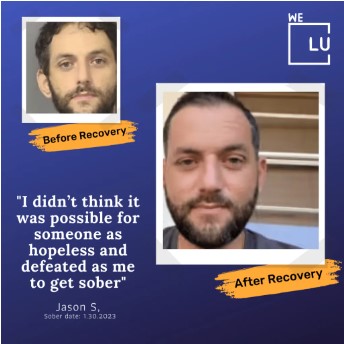
Experience Transformative Recovery at We Level Up Treatment Centers.
See our authentic success stories. Get inspired. Get the help you deserve.
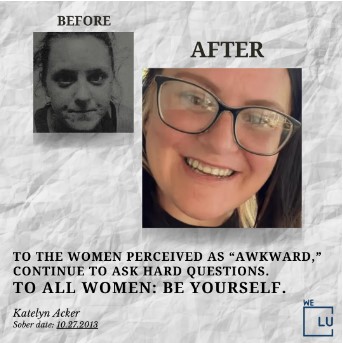
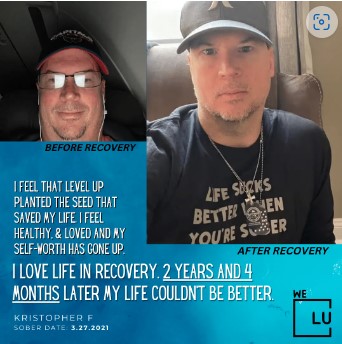
Start a New Life
Begin with a free call to an addiction & behavioral health treatment advisor. Learn more about our dual-diagnosis programs. The We Level Up Treatment Center Network delivers recovery programs that vary by each treatment facility. Call to learn more.
- Personalized Care
- Caring Accountable Staff
- World-class Amenities
- Licensed & Accredited
- Renowned w/ 100s 5-Star Reviews
We’ll Call You

We Level Up Tamarac FL
Premier Behavioral Health Treatment Center
 Licensed & Accredited w/ 5-star reviews.
 - Inpatient mental health treatment center
- Therapy for depression, anxiety, trauma, bipolar disorder, PTSD, and more.
- Dual diagnosis rehab programs available

We Level Up West Palm Beach
Premier Behavioral Health Treatment Center
Licensed & Accredited. - Inpatient mental health treatment center
- Therapy for depression, anxiety, trauma, bipolar disorder, PTSD, and more.
- Dual diagnosis rehab programs available

We Level Up California
Drug & Alcohol Addiction Treatment Center w/Detox
Licensed & Accredited w/ 5-star reviews. - Inpatient addiction rehab center w/medical detox
- Addiction treatment and detox for alcohol, benzo, heroin, opioid, and more.
- Secondary mental health treatment available as part of our dual diagnosis programs.
Related Reading
How to Get Started with Alcohol Abuse Intervention
Recovery is possible. Many people have turned their lives around after alcohol use disorder. The right help makes all the difference.
No two people develop alcoholism in the same way. That is why every care plan starts with a full personal check. The goal is to match each person with the right level of care from day one.
We Level Up Treatment Centers offer trusted alcohol rehab programs. Licensed medical staff are on hand around the clock. Every stage of care has professional support behind it.
The alcohol rehab timeline and treatment programs page explains what to expect at every step. Knowing the process ahead of time makes it easier to take action.
Call +(954) 475-6031 today. Check your insurance, book a consultation, or just ask questions. The call is private, free, and comes with no pressure.