
Harris County includes Houston, Kingwood, Baytown, Humble, Pasadena, Katy, and many nearby Texas communities. People seeking drug rehab Harris County TX care may need help with alcohol, drugs, or mental health concerns. Substance use can harm health, sleep, work, money, family ties, and daily safety over time. Early care can reduce these risks and help people choose a treatment setting that fits their needs.
People comparing Harris County drug rehab centers should consider safety, withdrawal risk, home support, and daily responsibilities. An addiction treatment program can address substance use, relapse risk, coping skills, and recovery goals. A treatment plan may also review housing, work, medicine use, family support, and mental health needs. These factors can guide choices between medical detox, live-in care, outpatient support, or other treatment options.
We Level Up Treatment Centers provides medical detox, addiction treatment, dual diagnosis, and mental health services nationwide through accredited centers in Kingwood, Lake Worth, West Palm Beach, Tamarac, Lake Elsinore, Lawrenceville, and Spokane Valley. Our Kingwood facility serves the wider Houston TX area as part of a national substance abuse and mental health facility network. Licensed admissions staff help Harris County residents compare available care based on health needs, support, and treatment goals. Available options may include medical detox, a residential program, PHP, IOP, outpatient care, therapy, and dual diagnosis treatment.
Why Recover in Harris County, Texas?
Harris County may work well for people who want family support nearby. Local parks can support calm walks once major health risks are stable. Staying close may help with work, school, parenting, or family duties. Travel may help when privacy or space from triggers supports safer care.
- Houston, Kingwood, Baytown, Humble, Katy, and Pasadena offer many health resources.
- Major roads link Harris County towns with the wider Houston area.
- Local parks can support walks and healthy routines during recovery.
- Harris County offers drug use prevention and links residents with care.
Harris County Detox Center For Drug & Alcohol Abuse Resources
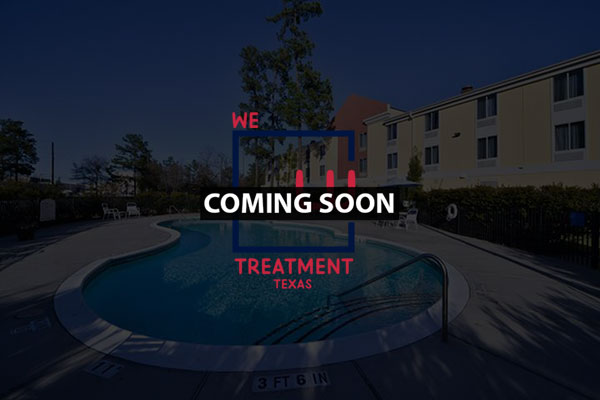
Our top Drug and Alcohol Rehab Centers in Texas
22675 Highway 59 N Kingwood, TX 77339
(832) 234 9960
“A+” BBB rated, Accredited & Licensed
Treatment Modalities at We Level Up
Care needs can change with health, drug use, housing, and home support. Some people need medical care before therapy or other treatment can start. Others may begin outpatient care when health risks stay low at home. The treatment team should change care when risks or support needs change.
Medical Detox
Medical detox care helps when stopping drugs or alcohol may cause unsafe withdrawal. Staff may check sleep, fluids, medicine use, heart rate, and other health signs. Medical staff can act fast if serious withdrawal problems start during detox. After detox, clients can move into care that supports long term recovery.
Residential Rehab
Residential treatment gives clients a safe place away from common drug triggers. Daily care may include therapy, groups, meals, health checks, and skill work. Harris County inpatient drug rehab may suit people who need strong daily support. A residential program can help clients build safer habits before returning home.
Partial Hospitalization Program (PHP)
Partial hospitalization care gives strong daytime care without an overnight stay. Care may include therapy, groups, medication management, coping skills, and health checks. PHP gives more support than standard outpatient care during the day. Safe housing and steady travel are important because clients leave each night.
Intensive Outpatient Program (IOP)
Intensive outpatient treatment gives several care sessions during each week. Clients live at home or in other safe housing during care. Flexible hours may help people keep work, school, or family duties. Sessions often cover cravings, stress, coping skills, and early relapse signs.
Outpatient Treatment
Outpatient care uses fewer weekly hours than PHP or IOP care. It may fit people with stable homes and lower health risks. Visits may include counseling, medicine checks, care planning, and coping skills. Ongoing help can support progress while people return to daily routines.
Medication-Assisted Treatment (MAT)
Medication-assisted treatment combines approved medicine with counseling for some substance use disorders. Medicine may ease cravings or withdrawal and help people stay in care. A doctor should review health, medicines, drug use, and care goals first. MAT works best when medicine supports therapy and a wider recovery plan.
Get Help. Get Better. Get Your Life Back.
Searching for Accredited Drug and Alcohol Rehab Centers Near You?
Even if you have failed previously and relapsed, or are in the middle of a difficult crisis, we stand ready to support you. Our trusted behavioral health specialists will not give up on you. When you feel ready or just want someone to speak to about therapy alternatives to change your life call us. Even if we cannot assist you, we will lead you to wherever you can get support. There is no obligation. Call our hotline today.
(844) 597-1011Levels of Care Explained
Care may change as health, safety, and daily needs change over time. Some people start with close support and later need fewer care hours. Others can begin with visits when home life and health remain stable. Regular reviews help staff choose the safest next level of care.
Detox
- Who it fits: People with unsafe withdrawal risks.
- Typical duration: Often several days.
- Goal: Reach stable health before more care starts.
Residential Care
- Who it fits: People needing daily structure or space from triggers.
- Typical duration: Several weeks or longer.
- Goal: Build safer habits in a stable setting.
Partial Hospitalization Program
- Who it fits: People needing strong care during the day.
- Typical duration: Several hours across many weekdays.
- Goal: Build more freedom while keeping regular support.
Intensive Outpatient Program
- Who it fits: Stable clients needing frequent weekly care.
- Typical duration: Several weeks or months.
- Goal: Practice coping skills during normal daily life.
Outpatient Care
- Who it fits: Stable people who still need follow-up.
- Typical duration: Several months or longer.
- Goal: Protect progress and manage new risks early.
Are you or somebody you know at serious risk of an overdose because of drug or alcohol abuse? If so, please call 911 right away. There are addiction rehab center addiction hotlines that can help guide you to proper local therapists & facilities.
SAMHSA TREATMENT HELPLINE
Struggling with substance use disorder? SAMHSA’s Addiction Treatment Helpline can connect you with proper help. (844) 597-1011
DRUG or ALCOHOL POISON CONTROL
If you’re experiencing or witnessing a drug- or alcohol-related poisoning, the poison control hotline can help. (844) 597-1011
Evidence-Based Therapy and Treatment Approaches
Good care should address thoughts, habits, stress, relationships, and drug use triggers. Individual and group therapy can support different needs during the recovery journey. Care teams may combine methods because each person has different strengths and risks. Regular reviews help staff see whether another approach may work better.
Cognitive Behavioral Therapy (CBT)
- Purpose: Cognitive behavioral therapy links thoughts, actions, and substance use.
- Benefit: Clients learn ways to manage cravings, stress, and triggers.
- Used when: Thoughts or habits raise the risk of relapse.
Dialectical Behavior Therapy (DBT)
- Purpose: DBT teaches skills for stress, strong feelings, and quick choices.
- Benefit: These skills may help people make calmer choices.
- Used when: Strong feelings make recovery harder.
Individual Therapy
- Purpose: Private sessions cover goals, stress, grief, relationships, and setbacks.
- Benefit: Clients can discuss personal needs in a private setting.
- Used when: Personal stress affects care or relapse risk.
Group Therapy
- Purpose: Groups combine staff help, peer talks, and skill practice.
- Benefit: Shared experiences can reduce isolation and build support.
- Used when: Peer feedback can support recovery goals.
Family Therapy
- Purpose: Family sessions address trust, limits, conflict, and support.
- Benefit: Loved ones learn safer ways to support recovery.
- Used when: Home stress affects care or progress.
Trauma-Informed Care
- Purpose: This approach looks at how past harm may affect trust.
- Benefit: Respectful care can help reduce fear and stress.
- Used when: Trauma affects drug use or treatment.
Relapse Prevention
- Purpose: Relapse planning helps people spot warning signs early.
- Benefit: Clients plan clear steps for cravings and stress.
- Used when: People prepare for less structured care.
Holistic Therapies
- Purpose: A holistic approach may use art, walks, music, or mindfulness.
- Benefit: These tools may support sleep, focus, and calm.
- Used when: Wellness tools safely support care goals.
What Makes a Quality Rehab Center?
People comparing Harris County drug rehab centers should ask how programs keep clients safe. Alcohol rehab Harris County TX options should explain staff roles and health support. Families should understand health insurance, costs, visit rules, and progress checks. Clear facts help people compare treatment facilities without relying on sales claims.
- Licensed medical and therapy staff
- Current state licenses and proper accreditation
- Medical detox for unsafe withdrawal
- Dual diagnosis care for mental health issues
- Clear care plans with progress checks
- Family education and healthy support
- Aftercare and relapse planning
- Clear insurance and payment details
Good rehab programs should explain how staff track progress and change care. A supportive environment should help clients ask questions and practice new skills. Strong treatment facilities should use trained staff, clear rules, and safe care plans. These parts can help teams effectively treat substance use and support better health.

Get Your Life Back
Find Hope & Recovery. Get Safe Comfortable Detox, Addiction Rehab & Dual Diagnosis Trused Care.
7/365 Line (844) 597-1011Harris County Support Groups and Community Resources
Harris County Public Health helps residents find drug use care and recovery support. County programs may offer peer help, prevention, referrals, and links to care. These services can help before or after a more structured treatment stay. Local support may also help families understand care choices and other resources.
AA Meetings
Alcoholics Anonymous offers peer meetings for people who want to stop harmful drinking. Meetings may include group talks, sponsors, readings, and Twelve Step work. Meeting times can change, so residents should confirm details before they attend. AA can support recovery, but unsafe alcohol withdrawal still needs medical care.
NA Meetings
Narcotics Anonymous offers peer support for people who want to stop drug use. Meetings may include group talks, sponsors, readings, and step work. Local and online choices can help people find support that fits. Medical care may still be needed when drug use creates serious risks.
SMART Recovery
SMART Recovery uses tools focused on urges, choices, goals, and behavior change. Its model differs from Twelve Step groups and teaches practical coping skills. Online meetings may help when work or family duties limit local visits. Peer support works best with care when major health risks remain.
Local Mental Health Resources
Harris County programs can link residents with health, housing, and mental health support. People with a mental health disorder may need this help with addiction care. Local groups may also help people find counseling, crisis care, or social support. Severe symptoms or immediate danger still need urgent emergency care
First-class Facilities & Amenities
Trusted Comprehensive Addiction & Mental Health Rehabilitation Treatment
Rehab Centers TourRecognized Addiction Centers. Serene Private Facilities. Inpatient rehab programs vary.
Addiction Helpline(844) 597-1011Recovery-Centered Care, Backed by a Team w/ History of:
15+
Years of Unified Experience
100s
5-Star Reviews Across Our Centers
10K
Recovery Success Stories Across Our Network
- Onsite Medical Detox Center
- Comprehensive Dual-Diagnosis Treatment
- Complimentary Family & Alumni Programs
- Alumni Coaching, Recovery & Personal Development Events
Is Harris County Right for Your Recovery?
Staying in Harris County can make work, family contact, and follow-up care easier. Travel may help when home triggers, privacy needs, or other risks make care harder. Drug use, withdrawal risk, mental health issues, and home support should guide this choice. Admissions staff can compare these needs with open programs and care levels.
Some people may benefit from staying close to family and trusted support. Others may need space from people or places linked with drug use. Sober living may add structure after formal treatment for some people. The best choice should match safety, health, privacy, and support needs.
Dual Diagnosis and Co-Occurring Mental Health Treatment
Substance use may occur with anxiety, depression, trauma, or another mental health disorder. Dual diagnosis treatment treats addiction and mental health needs within one care plan. Dual diagnosis programs in Harris County Texas may help people who need joined care. Treating both needs can reduce gaps that may slow progress or raise risk.
Specialized, Accredited, 5-Star Reviewed, Evidence-based Addiction & Mental Health Programs. Complete Behavioral Health Inpatient Rehab, Detox plus Co-occuring Disorders Therapy.
CALL(844) 597-1011End the Addiction Pain. End the Emotional Rollercoaster. Get Your Life Back. Start Drug, Alcohol & Dual Diagnosis Mental Health Treatment Now. Get Free, No-obligation Guidance by Substance Abuse Specialists Who Understand Addiction & Mental Health Recovery & Know How to Help.

Family Involvement and Alumni Support
Family support can help when loved ones understand goals, warning signs, and healthy limits. A family support program may teach trust, clear limits, and better communication. Alumni support may add peer contact, sober events, coaching, or follow-up groups. These forms of support can help people stay connected after formal care ends.
Insurance, Payment Options, and Financial Assistance
Private health insurance may cover detox, residential care, outpatient care, or mental health care. Coverage depends on health needs, plan rules, deductibles, benefits, and care level. Some plans may require approval or certain in-network treatment facilities before care starts. Our admissions team is available 24/7 to verify your insurance benefits at no cost.
Experience Transformative Recovery at We Level Up Treatment Centers.
See our authentic success stories. Get inspired. Get the help you deserve.
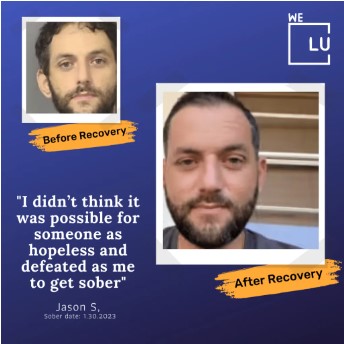
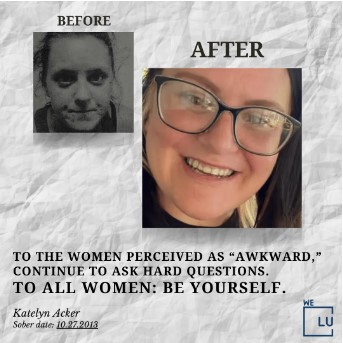
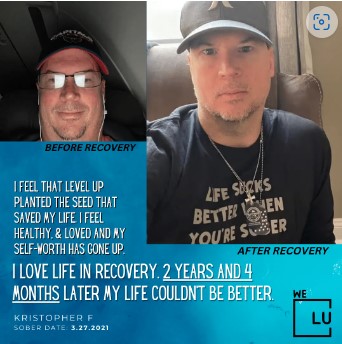
Start a New Life
Begin with a free call to an addiction & behavioral health treatment advisor. Learn more about our dual-diagnosis programs. The We Level Up Treatment Center Network delivers recovery programs that vary by each treatment facility. Call to learn more.
- Personalized Care
- Caring Accountable Staff
- World-class Amenities
- Licensed & Accredited
- Renowned w/ 100s 5-Star Reviews
We’ll Call You
Facility Tour and Treatment Environment
We Level Up lists its Texas center at 22675 Highway 59 North in Kingwood. The location offers addiction, detox, dual diagnosis, family, and mental health care. Treatment areas may include bedrooms, therapy rooms, dining spaces, and shared areas. Families should confirm current rooms, visits, activities, and tour choices before travel.
Start Your Recovery Today
Recovery can start with a private talk about drug use, health risks, and support needs. Admissions staff can discuss Harris County options, the Texas center, insurance, and start dates. Help is available day and night for private questions about getting care. You can also contact We Level Up to discuss treatment options, admissions needs, and next steps.
We Level Up Texas
Drug & Alcohol Addiction Treatment Center w/Detox
Licensed & Accredited w/ 5-star reviews.- Inpatient addiction rehab center w/medical detox
- Addiction treatment and detox for alcohol, benzo, heroin, opioid, and more.
- Secondary mental health treatment available as part of our dual diagnosis programs.

We Level Up California
Drug & Alcohol Addiction Treatment Center w/Detox
Licensed & Accredited w/ 5-star reviews.- Inpatient addiction rehab center w/medical detox
- Addiction treatment and detox for alcohol, benzo, heroin, opioid, and more.
- Secondary mental health treatment available as part of our dual diagnosis programs.

We Level Up Fort Lauderdale
Premier Behavioral Health Treatment Center
Licensed & Accredited w/ 5-star reviews.- Inpatient mental health treatment center
- Therapy for depression, anxiety, trauma, bipolar disorder, PTSD, and more.
- Dual diagnosis rehab programs available
Frequently Asked Questions
Can treatment help if I use more than one substance?
Yes. Care can address several drugs when they affect health, safety, or recovery needs.
Can my outside doctor stay involved?
It depends on the care plan and setting. Ask how your doctor may stay involved.
Can treatment help with mental health issues too?
Yes. Care may address substance use and mental health issues at the same time.
Can staff manage prescribed medicines during care?
Medication management depends on the setting and health needs. Share all prescriptions before care starts.
Can my treatment plan change later?
Yes. The treatment team can change care when health or support needs shift.
How can I check my health insurance before treatment?
You can verify insurance benefits before care to review coverage and plan rules. Your insurer makes the final coverage decision.
Who can answer my admissions questions?
Our admissions team is available 24/7 to answer care questions. Call (844) 597-1011 for private support.
Getting Into Treatment Is Easy
- Call Admissions: Discuss drug use, health needs, risks, and recovery goals.
- Verify Insurance: Share plan details so staff can review possible benefits.
- Complete Assessment: Review health, medicines, substance use, and home support.
- Begin Treatment: Confirm the care level, location, travel needs, and arrival plan.
Related Reading
- Understanding inpatient addiction care
- Prescription drug addiction treatment
- Drug and alcohol addiction resources
- Texas addiction and mental health resources
Sources
- Substance Abuse and Mental Health Services Administration. Find Support. samhsa.gov
- National Institute on Drug Abuse. Treatment and Recovery. nida.nih.gov
- Centers for Disease Control and Prevention. Treatment of Substance Use Disorders. cdc.gov
- National Institute on Alcohol Abuse and Alcoholism. Treatment for Alcohol Problems. niaaa.nih.gov
- National Institute of Mental Health. Mental Health Information. nimh.nih.gov
- Texas Health and Human Services. Mental Health and Substance Use Resources. hhs.texas.gov
- Harris County Public Health. Substance Use Prevention. publichealth.harriscountytx.gov
- Harris County Public Health. Linkage to Care. publichealth.harriscountytx.gov
- Harris County Public Health. ACCESS Harris County. publichealth.harriscountytx.gov
- We Level Up Treatment Centers. Nationwide Locations. welevelup.com
Popular Drug Rehab Related Articles of Interest
Medical Disclaimer
The information on this website is for informational purposes only and does not provide nor substitute professional medical advice. Always seek the help of a physician or other qualified health provider if you have questions regarding your health! This content is not intended to replace professional medical advice, diagnosis, or treatment. Do not overlook professional medical advice or wait to seek it because of something you have read on this site. In the event of a medical emergency call 911 immediately. This website does not recommend nor endorse any specific tests, doctors, products, procedures, opinions, or other information that may be noted on the website. Dependence on any information supplied by this website is exclusively at your own risk.
Sources:
[1] National Library Of Medicine: Exploring Drug Overdose Mortality Data in Harris County, Texas
[2] Texas Drug Control Update: Drug Use Trends in Texas
[3] The NSDUH Report: Substance Abuse And Mental Health Disorders In The Houston-Sugar Land-Baytown MSA
Addiction Treatment Texas – We Level Up Texas: https://weleveluptx.com