
Residential Care for Adults Who Need 24/7 Support
Long term residential treatment gives adults live-in care for substance use and repeated relapse. Clients stay on-site while staff provide support during each day and night. The setting removes many triggers and gives new recovery skills time to grow. Daily care may include therapy, medical care, meals, groups, and wellness activities.
Longer care may help after relapse, unsafe housing, or failed outpatient treatment. Many clients also need mental health treatment for anxiety, depression, trauma, or mood concerns. Treating both needs together can improve sleep, coping, judgment, and daily stability. A full review helps staff choose the right setting, services, and treatment length.
Some clients benefit from leaving familiar triggers and entering care in a new setting. We Level Up Treatment Centers offers this choice through a national substance abuse and mental health facility network. Locations include Lake Worth, West Palm Beach, Tamarac, Lawrenceville, Kingwood, Lake Elsinore, and Spokane Valley. Each site plans therapy, medicine, housing, and follow-up care around the client’s needs.
Skip To:

Get Your Life Back
Find Hope & Recovery. Get Safe Comfortable Detox, Addiction Rehab & Dual Diagnosis Trused Care.
7/365 Line (844) 597-1011Who Is a Good Fit for Long Term Residential Treatment?
Longer care may help when drug use harms daily life. It may also fit people who relapse after short care. Some clients need medical help or safer housing. A review should confirm whether a residential treatment center fits.
Long term residential treatment may help people who:
- Return to substance use after earlier care
- Cannot stay safe between outpatient visits
- Live near drugs, alcohol, conflict, or strong triggers
- Need more time to build sound recovery skills
- Struggle with work, housing, hygiene, or daily tasks
- Have substance use and mental health needs together
When Outpatient Support Is No Longer Enough
Outpatient care can help people who stay safe. It may fail when relapse keeps happening. Missed work or poor self-care may show risk. Weekly care may no longer give enough support.
A mental health assessment can guide safe placement. Staff may review withdrawal, housing, health, and support. This review shows whether longer care may help. Placement should follow need, not cost or ease.
The 2024 National Survey on Drug Use and Health found wide substance use needs. This finding shows why clear care choices matter. Still, national data cannot decide one person’s care. A trained team must review each case.
When Long Term Residential Treatment May Be Recommended
Longer care may follow relapse or failed short-term treatment. It may also help when home feels unsafe. Staff can watch health, sleep, mood, and cravings. Clients can step down after they become stable.
Get Help. Get Better. Get Your Life Back.
Searching for Accredited Drug and Alcohol Rehab Centers Near You?
Even if you have failed previously and relapsed, or are in the middle of a difficult crisis, we stand ready to support you. Our trusted behavioral health specialists will not give up on you. When you feel ready or just want someone to speak to about therapy alternatives to change your life call us. Even if we cannot assist you, we will lead you to wherever you can get support. There is no obligation. Call our hotline today.
(844) 597-1011What Happens in Long Term Residential Treatment?
24/7 Supervision in a Structured Therapeutic Setting
Residents follow set times for meals, sleep, and care. Staff help with cravings, health needs, or distress. A steady routine cuts chaos and common triggers. Frequent contact helps teams update each treatment plan.
A residential detox program may come first. This step may be needed when withdrawal feels unsafe. Not every treatment facility offers the same medical care. Admissions staff should explain all services before treatment starts.
Daily Schedules, Therapy, and Psychiatric Support
Daily care may include lessons, exercise, and individual therapy. Private sessions cover trauma, cravings, goals, and setbacks. Therapists may use cognitive behavioral therapy for harmful patterns. These skills can support safer choices.
Clients may use group therapy for peer support. Groups may cover stress, relapse signs, and communication. Staff may track sleep, food, and medicine response. This setting gives clients room to practice change.
Conditions Treated in a Long Term Residential Program
Long term care may address many forms of substance use. The right level depends on risk and daily needs. A diagnosis alone does not prove someone needs long care. Staff should review the full case before placement.
Alcohol, Opioid, and Other Substance Use Disorders
A residential drug abuse program may treat several drug types. These may include alcohol, opioids, stimulants, or sedatives. Some forms of withdrawal can become dangerous. Each plan should match the drug and known risks.
Mental Health and Trauma-Related Conditions
Many clients also face fear, low mood, or trauma. These signs may grow during stress or withdrawal. Untreated symptoms can raise distress and relapse risk. Care may include mental health treatment for these needs.
When Co-Occurring Concerns Need Higher Support
Drug use and mental health needs often affect each other. A dual diagnosis treatment plan can address both. Staff can track mood, sleep, cravings, and safety. Joined care can close gaps between services.
First-class Facilities & Amenities
Trusted Integrated Addiction & Mental Health Rehabilitation Treatment
Rehab Centers TourEstablished Addiction Centers. Serene Private Facilities. Inpatient rehab programs vary.
Addiction Helpline (844) 597-1011Comprehensive recovery success experience, backed by a Team w/ History of:
15+
Years of Unified Experience
100s
5-Star Reviews Across Our Centers
10K
Recovery Success Stories Across Our Network
- Low Patient to Therapist Ratio
- Onsite Medical Detox Center
- Comprehensive Dual-Diagnosis Treatment
- Complimentary Family & Alumni Programs
- Alumni Coaching, Recovery & Personal Development Events
Therapies and Services Included in Long Term Residential Care
Mental Health Evaluation and Medication Management
Admission reviews drug use, health, housing, and past care. This review guides the right residential treatment services. Medicine may help with sleep, mood, cravings, or withdrawal. Doctors track benefits, side effects, and new needs.
Individual and Group Therapy
A residential therapy program may use private and group sessions. Private care can explore triggers, goals, and setbacks. Groups build trust, skill use, and peer support. The care plan can change as progress grows.
Family Involvement, Life Skills, and Discharge Planning
When helpful, family therapy can improve trust and limits. Family members can learn safer ways to help. Life skills may cover work, money, stress, and routines. Discharge planning starts early and guides the next step.
Benefits of Long Term Residential Treatment
Safety, Structure, and Symptom Stabilization
Longer care gives housing, planned days, and staff support. Teams can respond when cravings or health needs change. This structure limits drug access as new habits begin. Practice can build trust before discharge.
More Support Than Traditional Outpatient Therapy
Outpatient care uses visits while clients live at home. Residential care adds housing and overnight support. It may fit people with serious risks. Clients may enter outpatient therapy after they improve.
Focused Care Away From Daily Stressors
Residential care creates space from conflict and drug access. Clients can study triggers without each outside demand. Peer support may reduce shame and build hope. This focused time can support steady change.
Long Term Residential Treatment vs. Outpatient and IOP
Each care level gives a different amount of support. Residential care includes housing and overnight help. Outpatient care lets clients live at home. The safest choice should match current needs.
Long Term Residential Treatment vs. Outpatient Therapy
Residential care removes many common home triggers. Outpatient clients return home after each visit. Outpatient care may fit people who stay safe. Residential care may fit when home risks stay high.
Long Term Residential Treatment vs. Intensive Outpatient Program
An intensive outpatient program gives several weekly care hours. A partial hospitalization program gives longer daytime care. Neither option includes an overnight stay. Residential care may fit when safety remains a concern.
When a Residential Level of Care Makes More Sense
Residential care may fit after relapse or unsafe withdrawal. It gives clients more time to build sound skills. Teams review health, housing, progress, and home support. Care becomes less strict as clients improve.
How Long Does Long Term Residential Treatment Last?
What Affects Length of Stay
There is no fixed timeline for every client. The National Institute on Drug Abuse says stays may last weeks or months. Enough time can help new habits take hold. Health, housing, progress, and insurance affect the stay.
How Clinical Teams Decide When to Step Down Care
Teams review cravings, mood, housing, and coping skills. They also check medicine needs and daily habits. Step-down care starts when clients can handle more freedom. Decisions should follow progress, not a fixed date.
What Happens After Long Term Residential Treatment?
Step-Down Care and Continued Support
Most clients need support after residential care ends. Step-down services add freedom while care continues. Regular contact helps clients use skills near old triggers. It can also catch early signs of relapse.
Discharge Planning for Long-Term Recovery
A discharge plan lists visits, medicine, housing, and contacts. It should name triggers, warning signs, and coping steps. Alumni care and support groups may help clients stay linked. Clear steps can protect gains after treatment.
Specialized, Accredited, 5-Star Reviewed, Evidence-based Addiction & Mental Health Programs. Complete Behavioral Health Inpatient Rehab, Detox plus Co-occuring Disorders Therapy.
CALL(844) 597-1011End the Addiction Pain. End the Emotional Rollercoaster. Get Your Life Back. Start Drug, Alcohol & Dual Diagnosis Mental Health Treatment Now. Get Free, No-obligation Guidance by Substance Abuse Specialists Who Understand Addiction & Mental Health Recovery & Know How to Help.
Starting the Admissions Process for Long Term Residential Care
Assessment, Insurance Verification, and Level-of-Care Placement
Admissions starts with a private review of health and drug use. Staff can check insurance and explain known costs. A clinician decides whether residential care fits current needs. Another treatment program may fit some clients better.
How We Level Up Helps Families Take the Next Step
Admissions staff guide families through screening and travel plans. They also explain rules, packing needs, and daily care. Staff can share other options when one program does not fit. Help remains open 24 hours a day, 7 days a week.
Start Long Term Residential Treatment Today
We Level Up has sites in five states. These states include Florida, Texas, California, Washington, and New Jersey. Call (954) 475-6031 for private admissions and insurance help. Our team can explain care and next steps.
What You Will Learn
- How long term residential care gives structure and support
- When longer care may help more than outpatient care
- Which services can support the recovery process
- Why treatment length depends on needs and progress
- How discharge plans support life after residential care
Frequently Asked Questions
What is long-term residential treatment?
Long term residential treatment gives live-in care over more time. Clients receive therapy, health care, lessons, and discharge plans. Length depends on safety, progress, housing, and personal needs. An assessment decides whether this level fits.
What can a residential program offer?
A residential program may offer housing and daily care. It may also include therapy, medicine, meals, and groups. Exact services differ among rehab centers and client needs. Admissions staff should explain care before placement.
Is residential treatment the same as detox?
Detox treats withdrawal symptoms and urgent health risks. Residential care builds habits, coping skills, and relapse prevention. Some clients complete detox before longer care. Available detox services differ by site.
Who is a good candidate for long-term residential care?
Candidates may have relapse, unsafe housing, or severe drug use. They may need more structure than outpatient care gives. Mental health needs may also require closer support. A clinical review should confirm placement.
How long does a residential program last?
Treatment length differs for each client. Some people need weeks, while others need months. Safety, progress, housing, and insurance affect timing. Teams review readiness before lower care begins.
What happens after residential treatment?
Most clients continue with therapy or peer support. Some may use sober housing or medicine visits. A written plan lists visits, triggers, and emergency steps. Follow-up care can help protect progress.
Does insurance cover long-term residential treatment?
Coverage depends on need, network rules, and the health plan. Staff can check benefits and explain known details. Approval may not cover the full cost. Clients should review copays, limits, and exclusions.
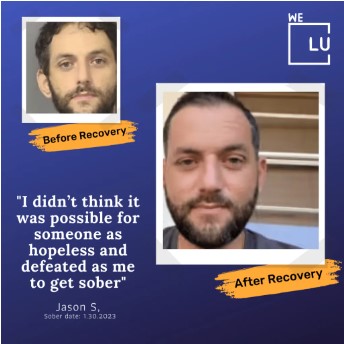
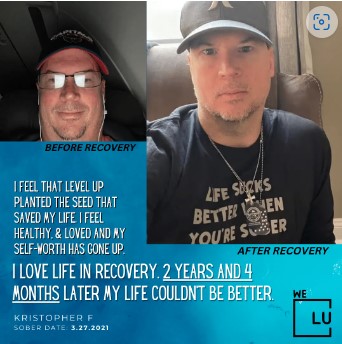
Experience Transformative Recovery at We Level Up Treatment Centers.
See our authentic success stories. Get inspired. Get the help you deserve.

Start a New Life
Begin with a free call to an addiction & behavioral health treatment advisor. Learn more about our dual-diagnosis programs. The We Level Up Treatment Center Network delivers recovery programs that vary by each treatment facility. Call to learn more.
- Personalized Care
- Caring Accountable Staff
- World-class Amenities
- Licensed & Accredited
- Renowned w/ 100s 5-Star Reviews
We’ll Call You
Sources
- National Institute on Drug Abuse. Treatment.
- National Institute on Drug Abuse. Treatment and Recovery.
- National Institute on Drug Abuse. Principles of Drug Addiction Treatment: A Research-Based Guide.
- Substance Abuse and Mental Health Services Administration. 2024 National Survey on Drug Use and Health.
- Substance Abuse and Mental Health Services Administration. Medications for Substance Use Disorders.
- Substance Abuse and Mental Health Services Administration. Substance Use Disorder Treatment for People with Co-Occurring Disorders.
- Substance Abuse and Mental Health Services Administration. Integrated Treatment for Co-Occurring Disorders Evidence-Based Practices Kit.
- National Institute of Mental Health. Finding Help for Co-Occurring Substance Use and Mental Disorders.
- Substance Abuse and Mental Health Services Administration. Best Practices for Recovery Housing.