

Merced County includes Merced, Atwater, Los Banos, Livingston, Winton, and several other Central Valley towns nearby. People seeking merced county drug rehab may need help with drugs, alcohol, stress, low mood, or both. Care near home can keep loved ones close, while travel may give space from people tied to drug use. Good care should match health risks, home support, work needs, mental health, and clear goals for change.
Drug or alcohol use can become a health issue when it starts to harm work, safety, or home life. SAMHSA treatment guidance says care can combine talks, medicine, and support for recovery over time. Early help can make withdrawal, relapse risk, and mental health conditions easier to manage with trained staff. Care choices should match each person’s health, drug use, home support, safety needs, and recovery goals.
We Level Up Treatment Centers has accredited sites for detox, addiction care, dual diagnosis, and mental health help. Sites in California, Washington, New Jersey, Texas, and Florida give people more choices for care nearby. This national substance abuse and mental health facility network helps people find care that fits their needs. Licensed staff can review needs and discuss live-in or telehealth care when either choice may fit.
Why Recover in Merced County, CA?
- Nearby care can keep family, work, doctors, and trusted support within reach.
- Highway 99 connects Merced, Atwater, Livingston, and other Central Valley communities.
- Parks and open spaces can support walking, exercise, reflection, and sober routines.
- Travel may add privacy, while local care can make family visits and follow-up easier.
Skip to:
Local Resources:
- Alcohol & Drug Rehab Centers in Fresno County
- Santa Clara County Addiction Rehab Resources
- Alcohol & Drug Rehab Resources in California
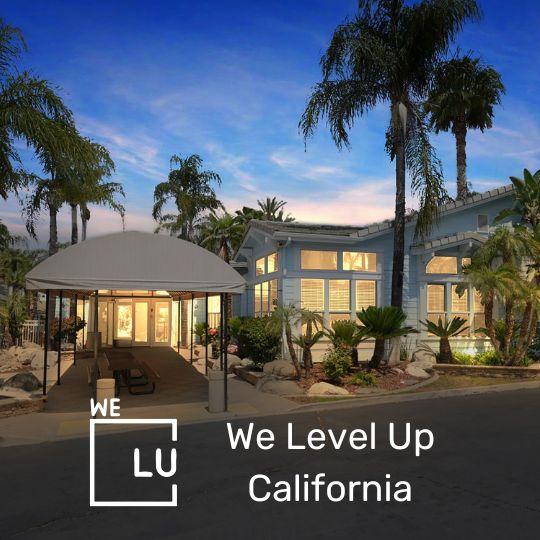
Our Top Drug & Alcohol Rehab Center in California
31631 Auto Center Dr. Lake Elsinore, CA 92530
(844) 597-1011
The We Level Up network is BBB “A” rated, Accredited & Licensed.
Get Help. Get Better. Get Your Life Back.
Searching for Accredited Drug and Alcohol Rehab Centers Near You?
Even if you have failed previously and relapsed, or are in the middle of a difficult crisis, we stand ready to support you. Our trusted behavioral health specialists will not give up on you. When you feel ready or just want someone to speak to about therapy alternatives to change your life call us. Even if we cannot assist you, we will lead you to wherever you can get support. There is no obligation. Call our hotline today.
(844) 597-1011Are you or somebody you know at serious risk of an overdose because of drug or alcohol abuse? If so, please call 911 right away. There are addiction rehab center addiction hotlines that can help guide you to proper local therapists & facilities.
SAMHSA TREATMENT HELPLINE
Struggling with substance use disorder? SAMHSA’s Addiction Treatment Helpline can connect you with proper help. (844) 597-1011
DRUG or ALCOHOL POISON CONTROL
If you’re experiencing or witnessing a drug- or alcohol-related poisoning, the poison control hotline can help. (844) 597-1011
Treatment Modalities at We Level Up
Care should match drug use, health, mood, home life, work needs, and the amount of daily help needed. Some people need short-term care, while others need more time after relapse or years of heavy use. Services including detox, live-in care, talks, medicine, and follow-up support can fit different stages of recovery. Staff should confirm treatment options before someone plans work, travel, childcare, housing, or other duties around care.
Medical Detox
Medical detox helps people stop drugs or alcohol while trained staff watch for unsafe signs of withdrawal. Some people need this care because stopping use can cause seizures, confusion, fluid loss, or other health risks. Staff can check signs, give medicine, offer fluids, and act fast when a person’s health gets worse. Medical detox care can help people move to safer care once withdrawal signs become stable and less risky.
Residential Rehab
Live-in care gives people a safe place to stay while they get help each day and night. Daily plans may include talks, groups, health checks, meals, life skills, rest, and sober time. Residential rehab Merced County searches may reflect heavy drug use, repeat relapse, unsafe housing, or weak home support. Residential rehab can help people build safer habits before they return to work and home life.
Partial Hospitalization Program (PHP)
PHP gives strong daytime care while people return home or to safe housing after each care day. It may fit stable people who still need more help than one or two weekly visits. Goals may include safer coping, fewer symptoms, relapse planning, and a slow move toward more freedom. People should confirm PHP access before planning work, school, childcare, travel, or other duties around care.
Intensive Outpatient Program (IOP)
IOP gives care several times each week while people keep more freedom in their normal daily lives. It may fit people with safe housing, lower health risk, and enough help outside scheduled treatment hours. Care may address cravings, mood, home stress, relapse signs, and problems that arise during normal daily life. People should confirm IOP times before planning school, work, travel, childcare, or other weekly duties at home.
Outpatient Treatment
Outpatient care gives talks and support without asking people to stay overnight at a treatment site. It often follows detox or live-in care after people become safer and ready for more freedom. Visits may address cravings, stress, low mood, home problems, relapse risk, and healthy habits each day. Care may last several months when steady support helps protect gains made during earlier treatment at home.
Medication-Assisted Treatment (MAT)
MAT uses approved medicine and talks for people who have opioid use problems or alcohol addiction. Medicine can ease withdrawal, cut cravings, or lower relapse risk while people learn safer ways to cope. MAT does not replace talks because medicine and counseling can help with different parts of recovery. A doctor can decide if medication-assisted treatment fits after checking health, drug use, symptoms, and goals.

Get Your Life Back
Find Hope & Recovery. Get Safe Comfortable Detox, Addiction Rehab & Dual Diagnosis Trused Care.
7/365 Line (844) 597-1011Levels of Care Explained
Care levels can change as health risks, mood, home help, and daily safety get better or worse. Some people move toward more freedom, while others need more help after relapse or new safety concerns. Each level should match current needs instead of putting every person on the same fixed care path. Regular reviews help staff decide when someone can safely move into another level of care.
Detox
- Who: People at risk from unsafe withdrawal.
- Typical duration: Often several days.
- Goals: Safety, symptom control, and next-step planning.
Residential Care
- Who: People needing daily structure or round-the-clock support.
- Typical duration: Several weeks or longer.
- Goals: Safe routines, therapy, and relapse planning.
Partial Hospitalization
- Who: A partial hospitalization program may fit stable people needing daytime care.
- Typical duration: Several days each week.
- Goals: Symptom control, coping, and greater independence.
Intensive Outpatient
- Who: An intensive outpatient program may fit people living safely at home.
- Typical duration: Often several weeks.
- Goals: Coping skills, routine building, and relapse planning.
Outpatient
- Who: Outpatient treatment may fit stable people needing less frequent support.
- Typical duration: Several weeks or months.
- Goals: Trigger control, healthy habits, and long-term recovery.
Source: California Health Care Foundation – chcf.org/collection/behavioral-health-California-almanac/
Evidence-Based Therapy and Treatment Approaches
Good care uses tested methods while still fitting each person’s needs, strengths, risks, history, and goals. Therapy may address drug use, mood, past harm, home stress, close ties, and hard daily situations. Care may use private talks, groups, family work, medicine, and coping skills for many different needs. The team should change methods when symptoms, safety needs, strengths, or recovery goals shift during care.
Cognitive Behavioral Therapy (CBT)
- Purpose: Cognitive behavioral therapy links thoughts, feelings, habits, and choices.
- Benefits: Better coping and craving control.
- Used: When thoughts or habits increase relapse risk.
Dialectical Behavior Therapy (DBT)
- Purpose: DBT teaches skills for stress, strong feelings, and urges.
- Benefits: Better control and communication.
- Used: When strong feelings affect safe choices.
Individual Therapy
- Purpose: Individual counseling can address triggers, grief, stress, and personal goals.
- Benefits: More insight and stronger coping.
- Used: When private talks support recovery.
Group Therapy
- Purpose: Group counseling provides skills practice, feedback, and peer support.
- Benefits: Less isolation and better communication.
- Used: Across several levels of care.
Family Therapy
- Purpose: Family sessions may address trust, limits, and communication.
- Benefits: Clearer support and safer boundaries.
- Used: When family stress affects progress.
Trauma-Informed Care
- Purpose: Trauma-informed care considers past harm, safety, and trust.
- Benefits: More choice, respect, and safety.
- Used: When trauma affects daily life.
Relapse Prevention
- Purpose: Relapse planning finds cravings, warning signs, and triggers.
- Benefits: Clear steps for risky situations.
- Used: During treatment and aftercare.
Holistic Therapies
- Purpose: Holistic care may include movement, art, mindfulness, or recreation.
- Benefits: Less stress and healthier routines.
- Used: Alongside needed clinical care.
What Makes a Quality Rehab Center?
People comparing care should ask clear questions about staff skills, licenses, safety, and the quality of care. A good program should explain staff roles, safety steps, care goals, and how progress is checked. Loved ones should ask about mental health conditions, insurance, aftercare, family help, and relapse plans before admission. The best fit should match drug risks, health needs, home support, goals, and the right care level.
- Licensed and trained clinicians
- A center offers specialized rehabilitation services when a person needs more structure.
- Current licensing and recognized accreditation
- Safe detox when withdrawal may be dangerous
- Dual diagnosis care for co-occurring needs
- Individual care plans based on current risks
- Family involvement when clinically useful
- Aftercare planning before discharge
- Clear insurance and payment guidance
First-class Facilities & Amenities
Trusted Comprehensive Addiction & Mental Health Rehabilitation Treatment
Rehab Centers TourRecognized Addiction Centers. Serene Private Facilities. Inpatient rehab programs vary.
Addiction Helpline(844) 597-1011Recovery-Centered Care, Backed by a Team w/ History of:
15+
Years of Unified Experience
100s
5-Star Reviews Across Our Centers
10K
Recovery Success Stories Across Our Network
- Onsite Medical Detox Center
- Comprehensive Dual-Diagnosis Treatment
- Complimentary Family & Alumni Programs
- Alumni Coaching, Recovery & Personal Development Events
Merced County Support Groups and Community Resources
AA Meetings
AA groups in Merced County give peer help to people who want to stop drinking alcohol. Meetings may use talks, speakers, steps, beginner groups, open groups, closed groups, or online sessions. Peer help can support recovery, but it cannot replace health care when alcohol withdrawal may be unsafe. People should check meeting times and places before attending because local schedules can change without notice.
NA Meetings
NA meetings serve Merced and nearby towns for people who want peer help as they stop using drugs. Meetings can build sober ties while people also use talks, medicine, health care, or other support. Local and online choices may help people fit support around work, school, or home duties. People should check meeting details before attending because times, places, and group formats can change often.
SMART Recovery
SMART groups give skills-based peer help to people who want to change drug, alcohol, gambling, or other harmful habits. Meetings focus on urges, thoughts, choices, problem solving, and ways to build a more balanced life. Online groups can help when local in-person choices are limited or hard to reach from rural towns. SMART can work with formal care when its approach fits a person’s needs, beliefs, and goals.
Local Mental Health Resources
Merced County residents may need help with drug use, mental illness, a crisis, or several needs at once. Local care can include screening, talks, medicine, crisis help, and links to more support. CDC treatment guidance lists outpatient counseling and inpatient rehab as options for substance use care. Call 911 for overdose, severe withdrawal, or any crisis that may put a person’s life at risk.
Is Merced County Right for Your Recovery?
Staying nearby can make home visits, work, peer support, and follow-up care easier during treatment. Travel can give more privacy or space from people, places, and habits tied to past drug use. The phrase inpatient rehab Mercer County may appear in searches, but this article covers Merced County, California. Staff can weigh safety, home support, work, travel, and care needs before they suggest a site.
Dual Diagnosis and Co-Occurring Mental Health Treatment

Drug use and mental health problems can make each other worse, so both may need care at once. Dual diagnosis treatment can treat drug use while staff check mood, trauma, fear, sleep, and other mental health conditions. Care for both can improve safety, coping, daily life, medicine plans, and ways to lower relapse risk. People seeking a Merced County mental health facility may need one plan for both types of care.
Common concerns include low mood, fear, trauma, bipolar disorder, sleep problems, and other issues that affect recovery. Some people may need mental health treatment while also getting help for alcohol or drug use. Care may include talks, medicine, health checks, coping skills, and support that changes as symptoms improve. Staff should review progress often and change care when mental health or drug use needs shift.
Family Involvement and Alumni Support
- Programs including family education can explain addiction, warning signs, healthy limits, and safe support.
- Visits depend on client choice, safety, treatment needs, and facility rules.
- Family support may also include recovery coaching, peer contact, or aftercare planning.
- Alumni support can help people stay connected after structured treatment ends.
Insurance, Payment Options and Financial Assistance
- Private insurance may cover some services, but benefits and personal costs vary by insurance plan.
- Payment options can depend on the facility, treatment level, and expected length of stay.
- Admissions can explain costs and available treatment options before a person chooses a location.
- Our admissions team is available 24/7 to verify your insurance benefits at no cost.
Facility Tour and Treatment Environment
- We Level Up does not list an inpatient treatment location inside Merced County.
- Its listed California inpatient center is in Lake Elsinore.
- The California site lists detox, residential care, therapy, meals, recreation, and outdoor areas.
- Ask admissions about rooms, dining, outdoor areas, fitness options, photos, travel needs, and tours.
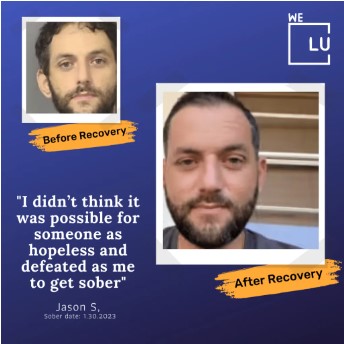
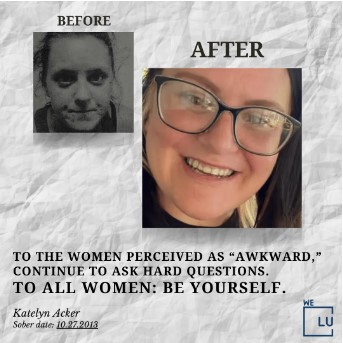
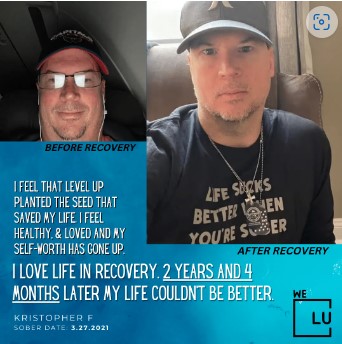
Experience Transformative Recovery at We Level Up Treatment Centers.
See our authentic success stories. Get inspired. Get the help you deserve.
Start a New Life
Begin with a free call to an addiction & behavioral health treatment advisor. Learn more about our dual-diagnosis programs. The We Level Up Treatment Center Network delivers recovery programs that vary by each treatment facility. Call to learn more.
- Personalized Care
- Caring Accountable Staff
- World-class Amenities
- Licensed & Accredited
- Renowned w/ 100s 5-Star Reviews
We’ll Call You
Start Your Recovery Today
Starting care can begin with a private talk about drug use, mental health, safety, and goals. Staff can review insurance, travel needs, home support, past care, and possible placement in the wider network. Call (844) 597-1011 for 24-hour admissions help, or use the online contact form to ask for support. Call 911 for overdose, severe withdrawal, or any life-threatening crisis instead of waiting for regular care.
Frequently Asked Questions
Can I bring a CPAP machine or another prescribed sleep device?
Facility rules vary. Tell admissions about prescribed equipment before travel so staff can review safe storage and use.
Can treatment support pregnancy or postpartum medical needs?
Available care differs by location. Share pregnancy, postpartum, and medical needs before admission so staff can discuss suitable options.
Can I complete college enrollment tasks during residential treatment?
Access rules vary by facility. Ask whether approved study time, calls, or online tasks can be arranged during treatment.
Can previous treatment records be sent before I arrive?
Yes, when proper consent is provided. Admissions can explain how prior treatment records may support the assessment process.
Does every treatment location serve the same age group?
No. Age requirements can differ by program, so admissions should confirm eligibility before travel or formal placement.
What should I prepare before checking my insurance benefits?
Keep your insurance card, member number, and personal details ready. Use the insurance benefits form to review possible coverage. Our admissions team is available 24/7 to answer your questions. Call (844) 597-1011 to learn more.
Getting Into Treatment Is Easy
- Call Admissions
- Verify Insurance
- Complete Assessment
- Begin Treatment

We Level Up Tamarac FL
Premier Behavioral Health Treatment Center
 Licensed & Accredited w/ 5-star reviews.
- Inpatient mental health treatment center
- Therapy for depression, anxiety, trauma, bipolar disorder, PTSD, and more.
- Dual diagnosis rehab programs available

We Level Up West Palm Beach
Premier Behavioral Health Treatment Center
Licensed & Accredited. - Inpatient mental health treatment center
- Therapy for depression, anxiety, trauma, bipolar disorder, PTSD, and more.
- Dual diagnosis rehab programs available
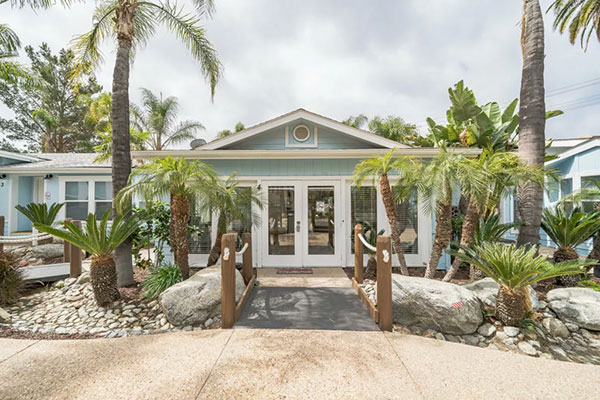
We Level Up California
Drug & Alcohol Addiction Treatment Center w/Detox
Licensed & Accredited w/ 5-star reviews. - Inpatient addiction rehab center w/medical detox
- Addiction treatment and detox for alcohol, benzo, heroin, opioid, and more.
- Secondary mental health treatment available as part of our dual diagnosis programs.
Merced County Rehab Centers Articles of Interest
Sources
- Merced County Behavioral Health and Recovery Services. Behavioral Health and Recovery Services. countyofmerced.com
- Merced County Behavioral Health and Recovery Services. Behavioral Health Access. countyofmerced.com
- Merced County Behavioral Health and Recovery Services. Services and Programs. countyofmerced.com
- California Department of Health Care Services. Substance Use Disorder Services. dhcs.ca.gov
- Substance Abuse and Mental Health Services Administration. Treatment and Recovery Support. samhsa.gov
- National Institute on Drug Abuse. Treatment and Recovery. nida.nih.gov
- National Institute of Mental Health. Substance Use and Mental Health. nimh.nih.gov
- Centers for Disease Control and Prevention. Substance Use and Mental Health. cdc.gov
- SMART Recovery. Meeting and Recovery Support Resources. smartrecovery.org