
Adelphia sits in Howell Township, Monmouth County, near Freehold, Farmingdale, Lakewood, and other towns in central New Jersey. People seeking Adelphia rehab may need help with drinking, drugs, low mood, fear, or more than one concern. Drug or alcohol use can harm health, work, home life, close bonds, and personal safety over time. A treatment program can give clear steps, steady help, and a safer place to begin lasting change.
Local data show a clear need for treatment for substance abuse across Monmouth County and Howell Township today. The county report lists 5,866 Monmouth County admissions in 2024, including 399 people from Howell Township that year overall. We Level Up runs a national network for drug use and mental health care across several states. Its New Jersey care site is in Lawrenceville, while We Level Up does not list a site in Adelphia.
Why Recover in Adelphia, NJ?
- Quieter Howell areas may support steady routines away from familiar drug or alcohol triggers.
- Nearby roads connect Adelphia with Freehold, Farmingdale, Lakewood, and local support.
- The Manasquan Reservoir offers walking, outdoor time, and sober recreation.
- Central New Jersey keeps local support and larger treatment areas within reach.

Our top Drug and Alcohol Rehab Center in New Jersey
276 Bakers Basin Rd Lawrenceville NJ 08648
(844) 597-1011
The We Level Up network is BBB “A” rated, Accredited & Licensed
Get Help. Get Better. Get Your Life Back.
Searching for Accredited Drug and Alcohol Rehab Centers Near You?
Even if you have failed previously and relapsed, or are in the middle of a difficult crisis, we stand ready to support you. Our trusted behavioral health specialists will not give up on you. When you feel ready or just want someone to speak to about therapy alternatives to change your life call us. Even if we cannot assist you, we will lead you to wherever you can get support. There is no obligation. Call our hotline today.
(201) 685-2484Are you or somebody you know at serious risk of an overdose because of drug or alcohol abuse? If so, please call 911 right away. There are addiction rehab center addiction hotlines that can help guide you to proper local therapists & facilities.
SAMHSA TREATMENT HELPLINE
Struggling with substance use disorder? SAMHSA’s Addiction Treatment Helpline can connect you with proper help. (201) 685-2484
DRUG or ALCOHOL POISON CONTROL
If you’re experiencing or witnessing a drug- or alcohol-related poisoning, the poison control hotline can help. (201) 685-2484
Treatment Modalities at We Level Up
Care should fit each person’s substance use disorder needs, health, home life, mental health, and daily support needs. We Level Up offers drug and alcohol treatment through a national network with inpatient treatment available in New Jersey. Programs include medical detox, residential care, therapy, and support options matched to each person’s current risks and goals. Admissions can explain which care options best fit safety needs, family duties, work demands, and long-term recovery plans.
Medical Detox
Medical detox helps people stop alcohol or drugs while trained staff watch for unsafe signs of withdrawal. This care may be needed when withdrawal could cause seizures, severe illness, or other serious health risks. Staff can give medicine, fluids, health checks, and support when symptoms become hard to manage safely. After detox, clients can move into another care level that matches their health, safety, and home needs.
Residential Rehab
Residential rehab gives clients a safe place to live while they receive daily help for substance use. Care may include group talks, meals, health checks, life skills, and planning for the return home. This level may help people with severe addiction, repeated relapse, unsafe housing, or weak support at home. Clients can build safer habits and stronger coping skills before going back to work, home, and daily life.
Partial Hospitalization Program (PHP)
A partial hospitalization program gives strong daytime care while clients sleep at home or in approved housing. PHP may fit people who are medically stable but still need many hours of care each day. Goals may include safer coping, fewer symptoms, relapse prevention, and a slow move toward greater daily freedom. The intake team should confirm current PHP access before clients plan work, travel, housing, or family duties.
Intensive Outpatient Program (IOP)
An intensive outpatient program gives regular care while clients keep more freedom in their daily schedules. IOP may fit people with stable housing, lower health risk, and enough help outside formal treatment. Sessions can cover relapse prevention, coping skills, mental health needs, and problems that arise at home. Clients should confirm current IOP times and sites before planning work, school, travel, or family duties.
Outpatient Treatment
Outpatient treatment gives care and support without asking clients to stay overnight at a treatment site. It often follows detox, live-in care, PHP, or IOP after a person becomes more stable at home. Care can address cravings, stress, close relationships, mental health, relapse signs, and healthy daily routines at home. Outpatient care may last for months when added support still protects gains made during earlier treatment.
Medication-Assisted Treatment (MAT)
MAT uses approved medicine with counseling and support for some people with alcohol or opioid use disorders. Medicine may reduce cravings, ease withdrawal, or lower the risk of returning to alcohol or drug use. Talks with staff help clients build coping skills, safer habits, and plans for stress or high-risk situations. A licensed doctor should decide whether MAT is safe, useful, and right for each person’s care needs.
Get Your Life Back
Find Hope & Recovery. Get Safe Comfortable Detox, Addiction Rehab & Dual Diagnosis Trused Care.
7/365 Line (201) 685-2484Levels of Care Explained
Care levels can change as withdrawal risk, mental health, home support, and daily safety improve or worsen. Some people move toward more freedom, while others need more help after relapse or new safety concerns. Each level should match current needs instead of forcing one fixed plan on every person in care. Regular reviews help the team decide when someone can safely move to a different level of care.
Detox
- Who: Medical detox helps people at risk from withdrawal.
- Duration: Often several days.
- Goals: Safety, symptom relief, and next-step planning.
Residential Care
- Who: Residential rehab fits people needing daily structure.
- Duration: Several weeks or longer.
- Goals: Coping skills, safer routines, and relapse prevention.
Partial Hospitalization
- Who: A partial hospitalization program fits stable clients needing daytime care.
- Duration: Several days weekly.
- Goals: Coping, symptom control, relapse prevention, and more freedom.
Intensive Outpatient
- Who: An intensive outpatient program fits people needing weekly therapy.
- Duration: Often several weeks.
- Goals: Coping skills, healthy routines, support, and relapse prevention.
Outpatient
- Who: Outpatient treatment fits stable people needing less care.
- Duration: Several weeks or months.
- Goals: Trigger control, healthy habits, and lasting gains.
Evidence-Based Therapy and Treatment Approaches
Good treatment uses tested methods while fitting each person’s needs, risks, strengths, home life, and goals. Care may address drug use, mental health, trauma, home stress, close ties, and daily problems at home. Care can work with medicine, peer support, health checks, and plans for life after formal treatment ends. The care team should change methods when symptoms, strengths, risks, or goals shift during the care process.
Cognitive Behavioral Therapy (CBT)
- Purpose: Cognitive behavioral therapy links thoughts, feelings, choices, and drug use.
- Benefits: Better coping and craving control.
- Used: When thoughts, stress, or triggers make change harder.
Dialectical Behavior Therapy (DBT)
- Purpose: Dialectical behavior therapy teaches skills for stress and strong feelings.
- Benefits: Better calm, balance, and communication.
- Used: When strong feelings make safe choices harder.
Individual Therapy
- Purpose: Private work on triggers, goals, grief, stress, and drug use.
- Benefits: Better coping and clearer goals.
- Used: When private support can help.
Group Therapy
- Purpose: Guided talks, skills practice, support, and peer feedback.
- Benefits: Less isolation and better coping.
- Used: During live-in, outpatient, and follow-up care.
Family Therapy
- Purpose: A family support program teaches support, communication, and healthy limits.
- Benefits: Clearer limits and healthier talks.
- Used: When family stress may affect progress.
Trauma-Informed Care
- Purpose: Show how trauma may affect trust, stress, and drug use.
- Benefits: Greater safety, choice, and trust.
- Used: When past harm affects care.
Relapse Prevention
- Purpose: Find triggers, warning signs, cravings, and risky choices early.
- Benefits: Plans for stress, cravings, and risky settings.
- Used: During treatment, aftercare, and long-term planning.
Holistic Therapies
- Purpose: Add movement, art, mindfulness, or recreation alongside care.
- Benefits: Lower stress, better sleep, and healthier routines.
- Used: Alongside medical care and therapy.
What Makes a Quality Rehab Center?
People comparing Adelphia rehab centers and treatment centers in New Jersey should look for clear signs of safe care. A good center should show who provides care, how safety works, and which licenses are current. It should explain family help, aftercare, health insurance, payment choices, and plans for life after care. The best choice should fit health needs, mental health, relapse risk, home support, and each person’s goals.
- Licensed and trained staff
- Current licensing and accreditation
- Medical detox when needed
- Dual diagnosis care
- Personal care plans
- Safe family support
- Aftercare planning
- Clear insurance and payment guidance
First-class Facilities & Amenities
Trusted Comprehensive Addiction & Mental Health Rehabilitation Treatment
Rehab Centers TourRecognized Addiction Centers. Serene Private Facilities. Inpatient rehab programs vary.
Addiction Helpline (201) 685-2484Recovery-Centered Care, Backed by a Team w/ History of:
15+
Years of Unified Experience
100s
5-Star Reviews Across Our Centers
10K
Recovery Success Stories Across Our Network
- Onsite Medical Detox Center
- Comprehensive Dual-Diagnosis Treatment
- Complimentary Family & Alumni Programs
- Alumni Coaching, Recovery & Personal Development Events
Adelphia Support Groups and Community Resources
Peer support can help people stay linked with others who understand sober living after formal care has ended. Adelphia residents can search Howell, Freehold, Farmingdale, and nearby towns for local or online support groups. Meeting places and times can change, so people should check trusted group lists before they travel. Peer groups can help, but they do not replace needed health care, therapy, or emergency support.
AA Meetings
Alcoholics Anonymous gives peer support to people who want help with alcohol use and long-term sober living. Northern New Jersey Intergroup lists meetings across Monmouth County and nearby areas through its official AA search. People searching AA meetings in Adelphia NJ, should check current places, times, and formats before leaving home. Meetings may be online, in person, open, closed, speaker-led, or based on group discussion and support.
NA Meetings
Narcotics Anonymous gives peer support to people who want help with drug use and long-term sober living. NA of New Jersey keeps an official meeting finder with current details from local groups and members. Online and local choices can help people fit peer support around work, school, travel, or family needs. People should check meeting details before going because times, places, and group formats can often change.
SMART Recovery
SMART Recovery offers peer support through simple skills for urges, choices, goals, and balance in daily life. Its approach differs from twelve-step groups and may suit people who prefer a skills-based path to change. The official SMART Recovery meeting search lists online and in-person choices based on current schedules. People can use SMART with formal care, medicine, peer support, or other help when it fits.
Local Mental Health Resources
Monmouth County shares public help for people who need mental health, drug use, or other local support. ReachNJ also helps people in New Jersey find drug care and support services across the state. These services can help with local care, care links, peer groups, and other support close to home. People facing an overdose, severe withdrawal, or a deadly health crisis should call 911 for urgent help.
Is Adelphia Right for Your Recovery?
Staying near Adelphia may make family visits, local groups, work plans, and travel easier during care. Going away for care may give more space from people and places tied to drug use. Severe drug use, unsafe withdrawal, or an unsafe home may call for more support than nearby care. The intake team can compare safety, loved ones, work, travel, and care needs before choosing a site.
Dual Diagnosis and Co-Occurring Mental Health Treatment

Drug use and mental health problems can affect each other, making both harder to manage without joint care. Dual diagnosis treatment can address addiction while checking mood, fear, trauma, sleep, and other health concerns. Treating both can improve care plans, medicine safety, coping skills, and ways to lower relapse risk. Joined care may also help people see how mood, stress, sleep, and drug use affect daily life.
- Depression treatment may help when low mood or low energy slows progress.
- Anxiety treatment may help when fear or worry makes care harder.
- PTSD treatment may help when trauma symptoms affect safety or daily life.
- Mental health treatment may help when mood, sleep, or thought problems affect recovery.
Family Involvement and Alumni Support
- Family education can cover addiction, healthy limits, relapse signs, and ways to support change.
- Visits and family sessions depend on client choice, safety, care needs, and program rules.
- Aftercare may include therapy, recovery coaching, peer groups, medicine support, or long term care.
- The alumni support program can offer meetings, peer contact, events, and continued support.
Insurance, Payment Options and Financial Assistance
- Health insurance may cover some care, but each plan has its own rules, limits, and costs.
- Staff can review private insurance, network rules, payment plans, and other financial questions before admission.
- Use the insurance verification process to check possible benefits before choosing a care site.
- Our admissions team is available 24/7 to verify your insurance benefits at no cost.
Facility Tour and Treatment Environment
- We Level Up does not list a live-in treatment site inside Adelphia, New Jersey.
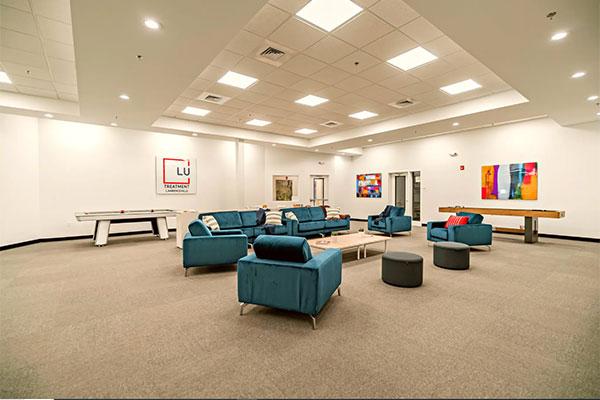
- Its listed New Jersey site is Level Up Treatment Lawrenceville.
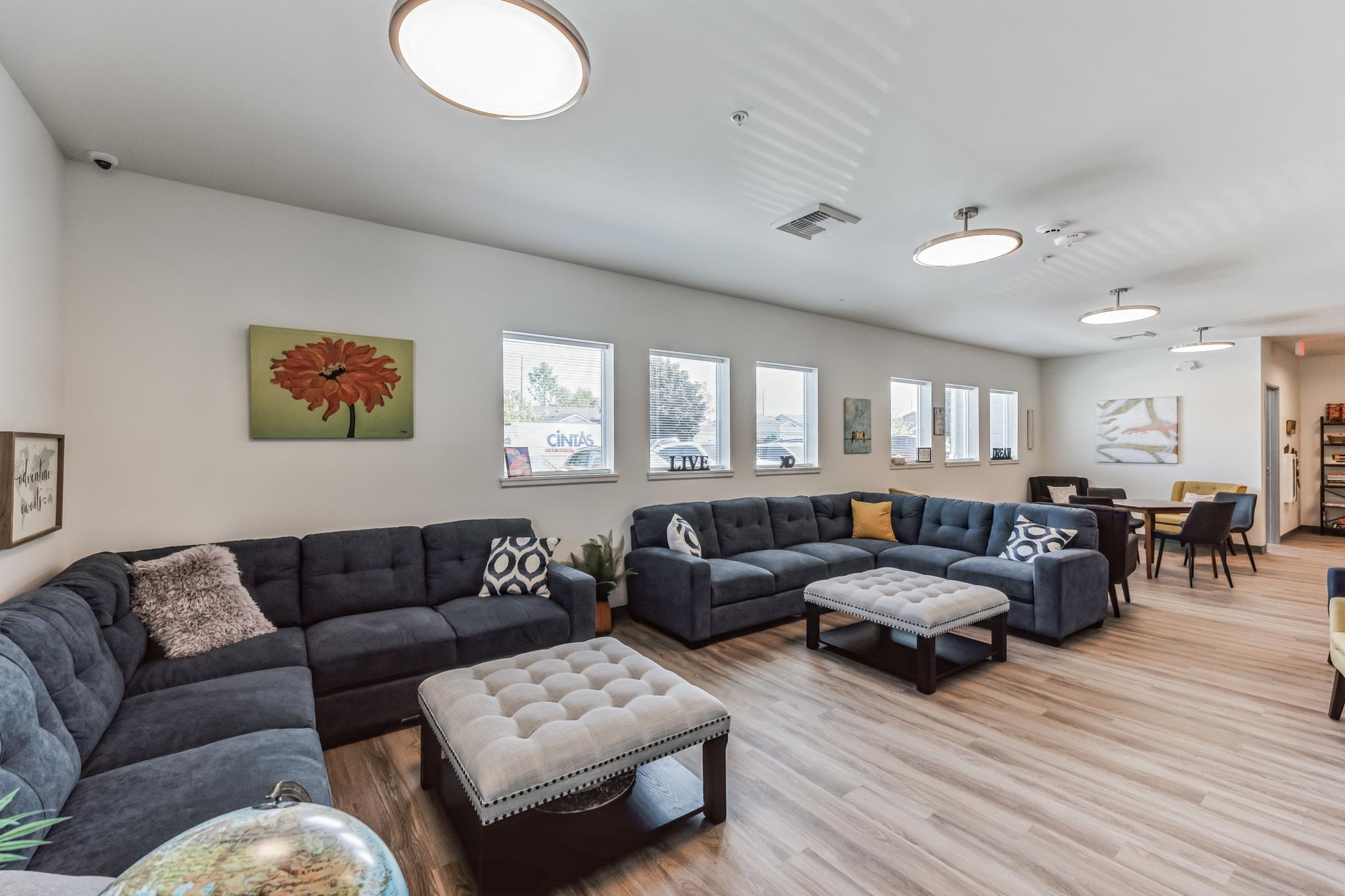
- Ask about rooms, meals, therapy spaces, outdoor areas, fitness, dining, and recreation.
- Admissions can share current site photos or virtual tour details when those options are available.
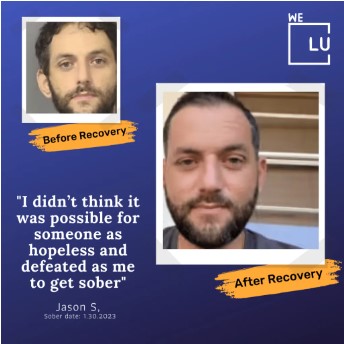
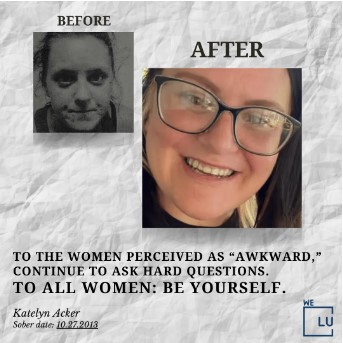
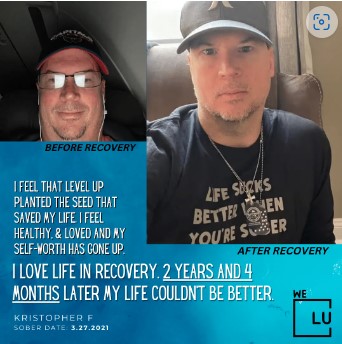
Experience Transformative Recovery at We Level Up Treatment Centers.
See our authentic success stories. Get inspired. Get the help you deserve.
Start a New Life
Begin with a free call to an addiction & behavioral health treatment advisor. Learn more about our dual-diagnosis programs. The We Level Up Treatment Center Network delivers recovery programs that vary by each treatment facility. Call to learn more.
- Personalized Care
- Caring Accountable Staff
- World-class Amenities
- Licensed & Accredited
- Renowned w/ 100s 5-Star Reviews
We’ll Call You
Start Your Recovery Today
Start care with a private call about drug use, mental health, safety, and goals for the future. The intake team can review needs, travel, health insurance, and possible care within the We Level Up network. Call (844) 597-1011 for 24/7 admissions help, or use the contact form to ask for support at any time. Call 911 for an overdose, severe withdrawal, or another deadly health crisis that needs urgent care right away.
Frequently Asked Questions
Can family members call admissions for someone else?
Yes. Family members can ask about care, intake, insurance, and ways to support a loved one.
Do I need a doctor referral before rehab?
Not always. Admissions can explain which records, health details, or checks may be needed before placement.
Can I keep working while I receive treatment?
Some outpatient care may allow work or school. Live-in care usually requires more time away from normal duties.
What should I bring to residential treatment?
Packing rules vary by site. Admissions can provide a current list of approved clothes, medicine, papers, and personal items.
Can health insurance help pay for addiction treatment?
Many plans provide some coverage, but benefits vary. Use the insurance verification page to review possible benefits.
Does We Level Up treat mental health needs with addiction?
Some programs address both needs. Admissions can explain which mental health services are offered at the recommended site.
Our admissions team is available 24/7 to answer your questions. Call (844) 597-1011 to learn more.
Getting Into Treatment Is Easy
- Call Admissions
- Verify Insurance
- Complete Assessment
- Begin Treatment
Level Up Treatment Lawrenceville
Drug & Alcohol Addiction Treatment Center w/Detox
Licensed & Accredited w/ 5-star reviews.- Inpatient addiction rehab center w/medical detox
- Addiction treatment and detox for alcohol, benzo, heroin, opioid, and more.
- Secondary mental health treatment available as part of our dual diagnosis programs.
We Level Up Washington
Premier Behavioral Health Treatment Center
Licensed & Accredited w/ 5-star reviews.- Inpatient mental health treatment center
- Therapy for depression, anxiety, trauma, bipolar disorder, PTSD, and more.
- Dual diagnosis rehab programs available

We Level Up California
Drug & Alcohol Addiction Treatment Center w/Detox
Licensed & Accredited w/ 5-star reviews.- Inpatient addiction rehab center w/medical detox
- Addiction treatment and detox for alcohol, benzo, heroin, opioid, and more.
- Secondary mental health treatment available as part of our dual diagnosis programs.
Popular Drug Rehab Adelphia, NJ, Related Articles of Interest
Sources
- New Jersey Department of Human Services. Monmouth County Substance Use Overview 2024. https://www.nj.gov/humanservices/dmhas/documents/pdf/statistical/substance-abuse-overview/2024/Mon.pdf
- Substance Abuse and Mental Health Services Administration (SAMHSA). Learn About Mental Health, Drug, and Alcohol Treatment. https://www.samhsa.gov/find-support/learn-about-treatment
- National Institute on Drug Abuse (NIDA). Treatment and Recovery. https://nida.nih.gov/publications/drugs-brains-behavior-science-addiction/treatment-recovery
- National Institute of Mental Health (NIMH). Substance Use and Mental Health. https://www.nimh.nih.gov/health/topics/substance-use-and-mental-health
- Monmouth County Office of Mental Health and Supportive Services. Mental Health and Supportive Services. https://visitmonmouth.com/Page.aspx?Id=5009
- New Jersey Department of Human Services. ReachNJ Recovery Centers. https://www.nj.gov/humanservices/reachnj/help/centers/
- Northern New Jersey Intergroup of Alcoholics Anonymous. New Jersey AA Meeting Resources. https://www.nnjaa.org/nj-aa/
- Narcotics Anonymous of New Jersey. Find an NA Meeting in New Jersey. https://www.nanj.org/meeting-finder/