
Belmont is a San Mateo County city on the San Francisco Peninsula, between San Mateo and San Carlos. People searching for Belmont rehab may also come from Redwood City, Foster City, San Mateo, Hillsborough, and nearby Peninsula communities. Drug and alcohol use can affect health, work, family relationships, finances, and personal safety, while mental health concerns can make recovery harder. Professional treatment can provide medical care, therapy, structure, and ongoing support based on each person’s needs.
San Mateo County provides alcohol and drug services through Behavioral Health and Recovery Services. County resources include detoxification, outpatient treatment, residential care, medication-assisted treatment, and recovery support, with services available to county residents on a sliding fee scale. The county’s Behavioral Health and Recovery Services line is (800) 686-0101 for behavioral health and substance use recovery services.
We Level Up Treatment Centers operates a national addiction and mental health treatment network. Its California treatment center is located in Lake Elsinore rather than Belmont. The We Level Up Belmont resource describes medical detox, residential addiction treatment, dual diagnosis care, family support, alumni services, and continuing recovery support within its network.
Why Consider Belmont for Recovery?
The best treatment location depends on safety, clinical needs, housing, family support, work, privacy, and relapse risk. Belmont offers access to Peninsula services and outdoor spaces that can support healthier routines during recovery.
- Outdoor space: Belmont has 14 developed parks covering 31 acres and about 337 acres of open space for hiking, running, and biking.
- Healthy routines: Parks such as O’Donnell Park provide walking, recreation, community garden, lawn, and picnic areas that can support sober activities.
- Regional access: Belmont’s location between San Mateo and San Carlos gives residents access to services throughout the Peninsula.
- Distance when needed: Traveling outside Belmont may provide useful separation from people, places, or routines associated with substance use.
California Addiction & Mental Health Resources by City
- No ImageFind Lancaster Mental Health Clinics & Support Groups in California
 Find Depression Counseling San Francisco & Mental Health Clinics in CA
 Find Mental Health Clinics & Depression Monterey CA Support Groups
 Find Mental Health Clinics & Depression Support Groups Merced County CA
- No ImageFind Mental Health Clinics & Depression Counseling El Dorado Hills, CA
- No ImageInyo County Alcohol and Drug Addiction Treatment
- No ImageLassen County Alcohol & Drug Rehab
Treatment Modalities for Belmont Rehab
Treatment should match the substance involved, withdrawal risk, physical health, mental health, living situation, and recovery history. Some people need medically supervised detox before rehabilitation, while others can safely begin with outpatient services. A professional assessment can help determine the safest starting point.
Medical Detox
Medical detox helps the body clear drugs or alcohol while trained professionals monitor withdrawal and physical health. Withdrawal from alcohol, benzodiazepines, and some other substances can become medically serious. Clinical staff can monitor symptoms and provide appropriate support during this stage. Detox is usually the first step toward treatment rather than the entire recovery process.
Residential Rehab
Residential rehab provides a structured place to live while receiving treatment throughout the day. Clients may participate in individual therapy, group counseling, medical care, recovery education, and relapse-prevention work. This level can be useful for severe addiction, repeated relapse, unsafe housing, or limited support at home. The We Level Up Belmont resource identifies residential treatment as part of its addiction treatment network.
Partial Hospitalization Program (PHP)
A Partial Hospitalization Program offers intensive daytime treatment without requiring an overnight stay. It may fit people who need frequent clinical support but can safely return to an approved living environment. Treatment can address substance use, mental health symptoms, coping skills, and relapse prevention. Availability depends on the treatment location and should be confirmed before admission.
Intensive Outpatient Program (IOP)
An Intensive Outpatient Program provides regular therapy while allowing clients to live outside a residential facility. This can offer more flexibility for work, school, or family responsibilities. Treatment may focus on cravings, triggers, emotional regulation, relationships, and relapse prevention. IOP may also serve as a step down from residential or PHP care.
Outpatient Treatment
Outpatient treatment provides continuing clinical support without overnight housing. It may be appropriate when someone is stable enough for a lower level of care. Therapy can address cravings, stress, mental health symptoms, relationships, and long-term recovery goals. Outpatient care can continue for weeks or months as part of aftercare.
Medication-Assisted Treatment (MAT)
Medication-Assisted Treatment combines approved medication with counseling and behavioral support for certain substance use disorders. Medication can reduce cravings and withdrawal symptoms and may lower overdose risk for people with opioid use disorder. San Mateo County provides medication-assisted treatment alongside detox, outpatient, and residential services.
Get Help. Get Better. Get Your Life Back.
Searching for Accredited Drug and Alcohol Rehab Centers Near You?
Even if you have failed previously and relapsed, or are in the middle of a difficult crisis, we stand ready to support you. Our trusted behavioral health specialists will not give up on you. When you feel ready or just want someone to speak to about therapy alternatives to change your life call us. Even if we cannot assist you, we will lead you to wherever you can get support. There is no obligation. Call our hotline today.
(844) 597-1011Understanding the Levels of Care
People do not always enter treatment at the same level. Care can become more or less intensive as health, safety, mental health, and recovery needs change.
Medical Detox
- Who: People who may face significant or medically risky withdrawal.
- Typical duration: Often several days, depending on the substance and health.
- Goal: Stabilize withdrawal and prepare for continuing treatment.
Residential Treatment
- Who: People who need structured support throughout the day and night.
- Typical duration: Often several weeks, depending on progress.
- Goal: Address addiction, develop recovery skills, and reduce relapse risk.
PHP
- Who: People who need intensive daytime treatment without residential housing.
- Typical duration: Varies by clinical need.
- Goal: Improve stability and prepare for less intensive care.
IOP
- Who: People who can safely live outside treatment but need frequent therapy.
- Typical duration: Several weeks or longer.
- Goal: Strengthen coping skills and prevent relapse.
Outpatient
- Who: People stable enough for lower-intensity clinical support.
- Typical duration: Weeks or months.
- Goal: Maintain recovery and manage everyday challenges.
Are you or somebody you know at serious risk of an overdose because of drug or alcohol abuse? If so, please call 911 right away. There are addiction rehab center addiction hotlines that can help guide you to proper local therapists & facilities.
SAMHSA TREATMENT HELPLINE
Struggling with substance use disorder? SAMHSA’s Addiction Treatment Helpline can connect you with proper help. (844) 597-1011
DRUG or ALCOHOL POISON CONTROL
If you’re experiencing or witnessing a drug- or alcohol-related poisoning, the poison control hotline can help. (844) 597-1011
Evidence-Based Therapy and Treatment Approaches
Addiction treatment should address the reasons substance use continues, not just the substance itself. Therapy can help clients recognize triggers, change harmful patterns, manage emotions, improve relationships, and prepare for high-risk situations. Treatment may combine several approaches depending on each person’s history and goals.
Cognitive Behavioral Therapy (CBT)
Cognitive Behavioral Therapy helps people understand how thoughts, feelings, and behaviors affect one another. It can provide practical tools for managing cravings, stress, and high-risk situations. CBT may be useful when unhealthy thought patterns contribute to substance use.
Dialectical Behavior Therapy (DBT)
Dialectical Behavior Therapy teaches skills for emotional regulation, distress tolerance, mindfulness, and communication. These skills can help people respond to difficult emotions without turning to substances. DBT may be helpful when emotional distress complicates recovery.
Individual Therapy
Individual therapy provides private time to discuss substance use, trauma, mental health symptoms, relationships, and personal goals. A therapist can help identify individual triggers and develop coping strategies. This approach can continue as a person moves through different levels of care.
Group Therapy
Group therapy combines guided discussion, education, and peer support. It can reduce isolation and give clients a chance to practice communication and coping skills. Groups may be included in residential, PHP, IOP, and outpatient programs.
Family Therapy
Family therapy helps loved ones understand addiction and communicate more effectively. It can address trust, boundaries, conflict, and ways to support recovery. We Level Up also provides a Family Program within its treatment network.
Trauma-Informed Care
Trauma-informed care considers how past traumatic experiences may affect substance use, stress, trust, and emotional health. Treatment emphasizes safety, respect, choice, and collaboration. This approach may be useful when trauma symptoms occur alongside addiction.
Relapse Prevention
Relapse prevention focuses on cravings, triggers, warning signs, and high-risk situations. Clients create practical plans for responding to these challenges before they lead to renewed substance use. These skills remain useful after formal treatment ends.
Holistic Therapies
Holistic services may include exercise, mindfulness, recreation, wellness education, or other supportive activities. These approaches can help manage stress and encourage healthier routines. They should complement medical and behavioral treatment.

Get Your Life Back
Find Hope & Recovery. Get Safe Comfortable Detox, Addiction Rehab & Dual Diagnosis Trused Care.
7/365 Line (844) 597-1011What Makes a Quality Rehab Center?
Location is important, but it should not be the only factor when choosing treatment. Look for licensed clinicians, appropriate accreditation, medical support, evidence-based therapy, mental health care, individualized planning, family involvement, and aftercare. San Mateo County’s substance use system includes prevention, treatment, case management, and recovery services, showing why ongoing support matters beyond initial treatment.
A quality treatment program should provide:
- Licensed and qualified clinical professionals
- Appropriate state licensing and recognized accreditation
- Medical detox when clinically necessary
- Dual diagnosis treatment
- Individualized care plans
- Family involvement when appropriate
- Relapse prevention and aftercare
- Clear insurance and payment information
Belmont Support Groups and Community Resources
Peer support can add connection and accountability alongside professional treatment. San Mateo County maintains resources for AA and other recovery groups, while county treatment services include detox, outpatient, residential, and medication-assisted treatment.
AA Meetings
Alcoholics Anonymous provides peer support for people recovering from alcohol use. San Mateo County’s community resource guide lists local AA resources serving the county. Meetings can provide connection and accountability alongside professional treatment. Current meeting times should be confirmed before attending because schedules can change.
NA Meetings
Narcotics Anonymous supports people recovering from drug addiction. Meetings provide a peer setting where people can share experiences and build sober connections. San Mateo County also lists NA-related recovery resources within its community information. Current meeting details should be verified before attending.
SMART Recovery
SMART Recovery uses practical tools for managing urges, changing addictive behaviors, solving problems, and building healthier routines. Belmont residents can use the official SMART Recovery meeting finder to find current online or in-person meetings. Peer support can complement clinical addiction treatment.
Local Mental Health Resources
San Mateo County Behavioral Health and Recovery Services provides behavioral health and substance use support through its county system. Residents can call (800) 686-0101 to connect with services for behavioral health or substance use recovery. The county also operates a 24/7 crisis line at (650) 579-0350, which can connect people experiencing a mental health or substance use crisis with mobile behavioral health professionals.
The county also recently expanded free access to naloxone through its Naloxone Stand Box program. Naloxone is a medication that can reverse an opioid overdose and can be administered by family members, friends, or bystanders.
For an immediate life-threatening emergency, call 911. For a mental health or suicide crisis, call or text 988.
First-class Facilities & Amenities
Trusted Comprehensive Addiction & Mental Health Rehabilitation Treatment
Rehab Centers TourRecognized Addiction Centers. Serene Private Facilities. Inpatient rehab programs vary.
Addiction Helpline(844) 597-1011Recovery-Centered Care, Backed by a Team w/ History of:
15+
Years of Unified Experience
100s
5-Star Reviews Across Our Centers
10K
Recovery Success Stories Across Our Network
- Onsite Medical Detox Center
- Comprehensive Dual-Diagnosis Treatment
- Complimentary Family & Alumni Programs
- Alumni Coaching, Recovery & Personal Development Events
Is Belmont Right for Your Recovery?
Staying near Belmont may make family involvement, work, school, and continuing care easier. Traveling to another city can provide more distance from people, places, or routines associated with substance use. Severe addiction, dangerous withdrawal, unstable housing, or repeated relapse may make a structured setting outside Belmont more appropriate. Admissions can help weigh safety, privacy, family support, work obligations, and treatment intensity before recommending a location.

Dual Diagnosis and Co-Occurring Mental Health Treatment
Addiction and mental health conditions can occur together and influence one another. Dual diagnosis means treating a substance use disorder and a co-occurring mental health condition through one coordinated plan. Common concerns include depression, anxiety, PTSD, bipolar disorder, and trauma-related symptoms. Integrated treatment can combine therapy, medication management, behavioral support, and relapse prevention.
- Depression treatment can address persistent low mood and related symptoms.
- Anxiety treatment can address excessive worry and fear.
- PTSD treatment can address trauma-related symptoms.
- Mental health treatment can address emotional and behavioral concerns affecting recovery.
- Dual diagnosis treatment addresses addiction and mental health together.
The We Level Up Belmont resource describes dual diagnosis care as part of its treatment approach for people who need addiction and mental health services together.
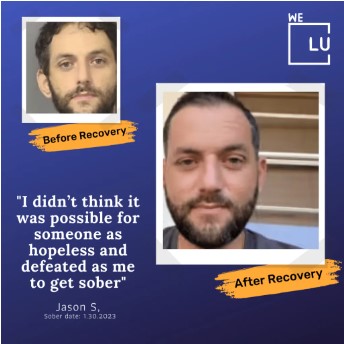
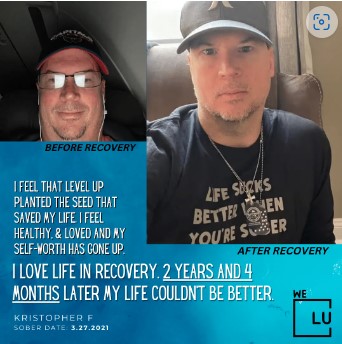
Experience Transformative Recovery at We Level Up Treatment Centers.
See our authentic success stories. Get inspired. Get the help you deserve.

Start a New Life
Begin with a free call to an addiction & behavioral health treatment advisor. Learn more about our dual-diagnosis programs. The We Level Up Treatment Center Network delivers recovery programs that vary by each treatment facility. Call to learn more.
- Personalized Care
- Caring Accountable Staff
- World-class Amenities
- Licensed & Accredited
- Renowned w/ 100s 5-Star Reviews
We’ll Call You
Family Involvement and Alumni Support
Addiction affects loved ones as well as the person receiving treatment. Family education can help relatives understand addiction, set healthy boundaries, and communicate more effectively. We Level Up describes family and alumni programs, recovery coaching, peer connection, and continuing support within its treatment network.
- The Alumni Program can provide continued peer connection and recovery support.
- Family education can explain addiction and the recovery process.
- Family therapy can address communication, trust, and relationship concerns.
- Aftercare can help maintain progress after intensive treatment.
Insurance, Payment Options, and Financial Assistance
Treatment costs can vary based on the level of care, insurance benefits, deductibles, copays, network rules, and authorization. Reviewing benefits before admission can make costs easier to understand.
San Mateo County’s community resource guide states that county alcohol and drug services include detoxification, outpatient, residential, and medication-assisted treatment. It also states that services are available to San Mateo County residents on a sliding fee scale and that people are not turned away for lack of funds.
- Private insurance may cover some addiction and mental health services.
- County-supported services may be available to eligible residents.
- Sliding-fee options may help qualifying county residents.
- Self-pay arrangements may depend on the treatment provider.
- Admissions can explain potential coverage and treatment costs before admission.
Use the We Level Up insurance verification page to begin reviewing possible coverage.
Our admissions team is available 24/7 to verify your insurance benefits at no cost.
Facility Tour and Treatment Environment
We Level Up does not list a residential treatment facility directly in Belmont. Its California treatment center is located at 31631 Auto Center Drive, Lake Elsinore, CA 92530. The We Level Up Belmont resource describes the California facility as providing addiction treatment, medical detox, mental health care, and dual diagnosis services.
The network also describes recovery-focused treatment environments with therapy, outdoor areas, recreation, dining, and other amenities. Services and amenities can vary by facility, so admissions should confirm current room arrangements, therapy spaces, activities, tours, and travel planning before admission.
Start Your Recovery Today
You do not need to decide on the right level of care before reaching out. A confidential assessment can review substance use, mental health, safety, insurance, family needs, and possible treatment locations. Call (844) 597-1011 or use the We Level Up contact page for 24/7 admissions support. If someone is experiencing an overdose or another life-threatening emergency, call 911 immediately.
Frequently Asked Questions
How long does Belmont rehab take?
Treatment length depends on the substance, withdrawal risk, physical and mental health needs, progress, and level of care.
Does San Mateo County provide drug and alcohol treatment?
Yes. County resources include detoxification, outpatient, residential, medication-assisted treatment, and recovery support.
Can I use insurance for rehab?
Many insurance plans cover some addiction treatment, but benefits, authorization requirements, network rules, and out-of-pocket costs vary.
Can I keep working during treatment?
Outpatient and IOP care may offer more flexibility, while residential treatment generally requires living at the treatment facility.
Can family members participate in treatment?
Family education and therapy may be available depending on the program and the person’s treatment plan.
Does rehab also treat mental health conditions?
Some programs provide dual diagnosis treatment for substance use disorders and co-occurring mental health conditions.
Our admissions team is available 24/7 to answer your questions. Call (844) 597-1011 to learn more.
Getting Into Treatment Is Easy
- Call Admissions
- Verify Insurance
- Complete Assessment
- Begin Treatment
Related Reading
- California Drug Rehab
- Medical Detox
- Residential Rehab
- Dual Diagnosis Treatment
- Family Program
- Alumni Program
- We Level Up — Belmont Rehab — Belmont-specific treatment, facility, dual diagnosis, family, alumni, and admissions information.
- San Mateo County — Behavioral Health and Recovery Services — county behavioral health and substance use recovery access.
- San Mateo County — Community Information Handbook 2026 — local detox, outpatient, residential, MAT, AA, and NA resources.
- San Mateo County — Alcohol and Other Drug Services — county prevention, treatment, case management, and recovery services.
- San Mateo County — Behavioral Health Crisis Mobile Response — 24/7 behavioral health crisis response.
- San Mateo County — Naloxone Program — current county overdose prevention and naloxone access.
- City of Belmont — Parks and Open Spaces — local parks, trails, and open space.
- City of Belmont — Parks, Recreation and Open Space Master Plan — city recreation and open-space planning.
- SAMHSA — Finding Quality Treatment — treatment quality and evidence-based care.
- NIDA — Treatment and Recovery — evidence-based addiction treatment information.

We Level Up Tamarac FL
Premier Behavioral Health Treatment Center
 Licensed & Accredited w/ 5-star reviews.
- Inpatient mental health treatment center
- Therapy for depression, anxiety, trauma, bipolar disorder, PTSD, and more.
- Dual diagnosis rehab programs available

We Level Up West Palm Beach
Premier Behavioral Health Treatment Center
Licensed & Accredited.
- Inpatient mental health treatment center
- Therapy for depression, anxiety, trauma, bipolar disorder, PTSD, and more.
- Dual diagnosis rehab programs available
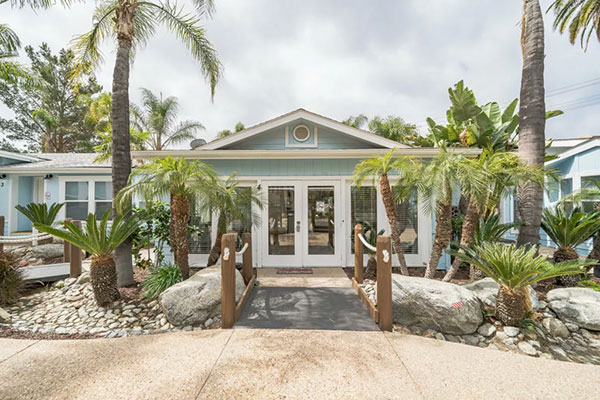
We Level Up California
Drug & Alcohol Addiction Treatment Center w/Detox
Licensed & Accredited w/ 5-star reviews.
- Inpatient addiction rehab center w/medical detox
- Addiction treatment and detox for alcohol, benzo, heroin, opioid, and more.
- Secondary mental health treatment available as part of our dual diagnosis programs.