
Oakley is a Contra Costa County city in the eastern San Francisco Bay Area, near Brentwood, Antioch, Bethel Island, and other East County communities. People searching for alcohol rehab in Oakley may be dealing with drinking that affects their health, relationships, work, finances, or daily responsibilities. Alcohol use disorder can also occur alongside anxiety, depression, trauma, or other mental health concerns. Professional treatment can provide medical support, therapy, structure, and recovery skills in a setting designed around individual needs.
Contra Costa County provides alcohol and other drug services through behavioral health programs that include screening, outpatient care, residential treatment, medication-assisted treatment, and recovery support. The county’s 24/7 Behavioral Health Access Line helps residents receive screening, treatment referrals, and information about available services. Eligible residents may include Medi-Cal beneficiaries and people without insurance who meet medical-necessity requirements. These resources give Oakley residents a starting point when alcohol use becomes difficult to manage without professional help.
We Level Up Treatment Centers provides addiction and mental health treatment through a national network of licensed and accredited facilities. Its California treatment center is located in Lake Elsinore and offers inpatient addiction treatment with medical detox and dual diagnosis services. The current Oakley resource page also highlights alcohol rehab, detox, residential care, dual diagnosis treatment, family support, and alumni services. Admissions can help review your treatment needs, insurance, travel considerations, and the level of care that may best support recovery.
Why Recover in Oakley, CA?
Oakley’s setting in East County can offer practical advantages for someone planning recovery. The goal is not to treat the city as a vacation destination, but to consider whether its environment and location support healthier routines.
- Outdoor activities: Oakley maintains parks and open spaces that can provide opportunities for walking, recreation, and structured sober activities.
- Regional access: Oakley’s location near Brentwood and Antioch provides access to services throughout eastern Contra Costa County.
- Family connection: Staying within the region may make family participation and follow-up appointments easier for some people.
- Treatment flexibility: People can consider local services or travel to another California treatment setting when distance from familiar triggers may support recovery.
Drug Rehabs in Oakley CA Treatment Resources for Alcohol & Drug Addiction
Searching for Drug Rehabs in Oakley CA? The nearest We Level Up CA treatment centers include:
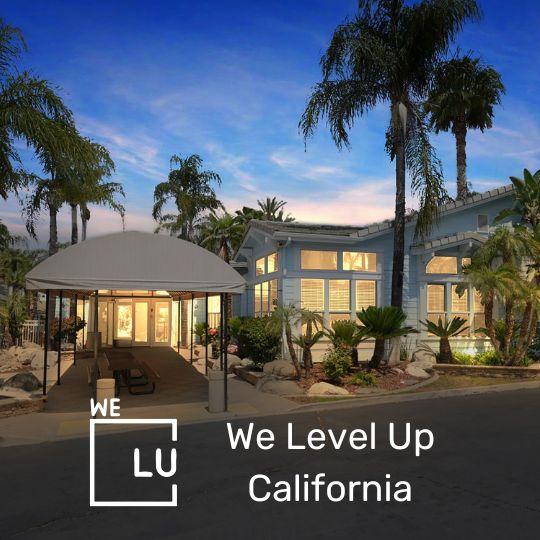
Our Top Drug & Alcohol Rehab Center in California
31631 Auto Center Dr. Lake Elsinore, CA 92530
(844) 597-1011
The We Level Up network is BBB “A” rated, Accredited & Licensed.
California Addiction & Mental Health Resources by City
- No ImageFind Lancaster Mental Health Clinics & Support Groups in California
 Find Depression Counseling San Francisco & Mental Health Clinics in CA
- No ImageFind Mental Health Clinics & Depression Monterey CA Support Groups
- No ImageFind Mental Health Clinics & Depression Support Groups Merced County CA
- No ImageFind Mental Health Clinics & Depression Counseling El Dorado Hills, CA
- No ImageInyo County Alcohol and Drug Addiction Treatment
- No ImageLassen County Alcohol & Drug Rehab
Get Help. Get Better. Get Your Life Back.
Searching for Accredited Drug and Alcohol Rehab Centers Near You?
Even if you have failed previously and relapsed, or are in the middle of a difficult crisis, we stand ready to support you. Our trusted behavioral health specialists will not give up on you. When you feel ready or just want someone to speak to about therapy alternatives to change your life call us. Even if we cannot assist you, we will lead you to wherever you can get support. There is no obligation. Call our hotline today.
(844) 597-1011Are you or somebody you know at serious risk of an overdose because of drug or alcohol abuse? If so, please call 911 right away. There are addiction rehab center addiction hotlines that can help guide you to proper local therapists & facilities.
SAMHSA TREATMENT HELPLINE
Struggling with substance use disorder? SAMHSA’s Addiction Treatment Helpline can connect you with proper help. (844) 597-1011
DRUG or ALCOHOL POISON CONTROL
If you’re experiencing or witnessing a drug- or alcohol-related poisoning, the poison control hotline can help. (844) 597-1011
Alcohol Treatment at We Level Up
Alcohol recovery can involve more than stopping drinking. Treatment may need to address withdrawal, cravings, habits, relationships, physical health, and mental health at the same time. We Level Up’s California program provides medical detox, inpatient addiction treatment, and dual diagnosis care, while its Oakley resource page identifies several treatment options within the network.
Medical Detox
Medical detox provides professional monitoring while alcohol leaves the body. Alcohol withdrawal can sometimes become dangerous and may involve severe symptoms, including seizures or delirium, so suddenly stopping heavy alcohol use without medical guidance can carry risks. A supervised detox program can monitor symptoms and provide medications or other medical support when appropriate. After stabilization, treatment can continue at a level that matches the person’s needs.
Residential Rehab
Residential rehab provides a structured place to live while receiving treatment around the clock. Care may include individual counseling, group therapy, medical support, recovery education, family involvement, and relapse-prevention planning. This setting can be useful when alcohol use is severe, the home environment is unstable, or previous attempts to stop drinking have not lasted. We Level Up lists residential and inpatient addiction treatment among its California services.
Partial Hospitalization Program (PHP)
A Partial Hospitalization Program provides intensive treatment during the day without requiring overnight residence in the program. PHP may work for people who are medically stable but still need frequent clinical support. Treatment can focus on alcohol-related triggers, mental health symptoms, coping skills, and relapse prevention. Availability and eligibility should be confirmed with admissions before planning a PHP schedule.
Intensive Outpatient Program (IOP)
An Intensive Outpatient Program offers regular treatment while allowing a person to spend more time at home. It may be appropriate for someone who has stable housing and can remain safe outside treatment hours. Therapy can address cravings, stress, relationships, emotional regulation, and situations that may lead to drinking. IOP can also provide a step down from more intensive treatment.
Outpatient Treatment
Outpatient care supports recovery without requiring a person to live at a treatment center. Services may include therapy, medication management, relapse prevention, and continuing mental health care. Outpatient treatment can follow detox, residential care, PHP, or IOP as a person’s stability improves. Some people continue outpatient support for months as they build long-term recovery habits.
Medication-Assisted Treatment (MAT)
Medication-Assisted Treatment, or MAT, combines approved medications with counseling and behavioral support for certain substance use disorders. For alcohol use disorder, medications such as naltrexone, acamprosate, or disulfiram may be considered by qualified medical professionals. Medication can help reduce cravings or support abstinence for some people, but it should be part of an individualized treatment plan. Contra Costa County includes medication-assisted treatment among its addiction and recovery services.
Understanding the Levels of Care
The right level of care depends on withdrawal risk, drinking patterns, physical health, mental health, home support, and recovery history. Treatment intensity can change as a person becomes more stable or encounters new challenges. A clinical assessment helps determine whether someone needs 24-hour support, structured daytime care, or ongoing outpatient treatment.
Medical Detox
- Who it’s for: People at risk for significant alcohol withdrawal or other medical complications.
- Typical duration: Often several days, although the timeline varies.
- Treatment goals: Stabilize the body, manage withdrawal safely, and prepare for continuing care.
Residential Treatment
- Who it’s for: People who need a structured and supportive living environment.
- Typical duration: Often several weeks or longer.
- Treatment goals: Address alcohol use, build coping skills, and reduce relapse risk.
Partial Hospitalization Program
- Who it’s for: Medically stable people who still need intensive daytime treatment.
- Typical duration: Varies according to clinical needs.
- Treatment goals: Strengthen stability, coping skills, and transition planning.
Intensive Outpatient Program
- Who it’s for: People who can live safely outside a residential setting.
- Typical duration: Often several weeks or longer.
- Treatment goals: Manage cravings, triggers, relationships, and daily recovery demands.
Outpatient Treatment
- Treatment goals: Maintain recovery, manage triggers, and support long-term wellness.
- Who it’s for: People who are stable enough for less frequent professional support.
- Typical duration: Weeks to months, depending on needs.

Get Your Life Back
Find Hope & Recovery. Get Safe Comfortable Detox, Addiction Rehab & Dual Diagnosis Trused Care.
7/365 Line (844) 597-1011Evidence-Based Therapy and Treatment Approaches
Alcohol treatment works best when it addresses the reasons and circumstances surrounding drinking rather than focusing only on stopping alcohol use. Therapy can help identify triggers, change harmful thought patterns, strengthen relationships, and develop healthier responses to stress. Treatment may combine behavioral therapy, medication, family support, peer support, and aftercare. The approach should be adjusted as recovery needs change.
Cognitive Behavioral Therapy (CBT)
- Purpose: Cognitive Behavioral Therapy helps identify thoughts and behaviors connected with drinking.
- Benefits: It can build practical coping skills and improve responses to triggers.
- When used: CBT may be used during intensive treatment and continuing care.
Dialectical Behavior Therapy (DBT)
- Purpose: Dialectical Behavior Therapy teaches skills for handling strong emotions and stressful situations.
- Benefits: It can support emotional regulation and healthier communication.
- When used: DBT may be useful when emotional distress contributes to drinking or relapse.
Individual Therapy
- Purpose: Individual sessions provide private space to explore alcohol use, mental health, trauma, and personal goals.
- Benefits: Therapy can help identify personal triggers and barriers to recovery.
- When used: Individual counseling can be included across different levels of care.
Group Therapy
- Purpose: Group therapy combines education, guided discussion, skills practice, and peer support.
- Benefits: It can reduce isolation and help participants learn from others.
- When used: Groups are often part of residential and outpatient programs.
Family Therapy
- Purpose: The Family Program can help loved ones understand alcohol addiction and recovery.
- Benefits: Family education may improve communication and support healthier boundaries.
- When used: It can be useful when family relationships affect drinking or recovery.
Trauma-Informed Care
- Purpose: Trauma-informed care considers how past traumatic experiences may affect alcohol use and mental health.
- Benefits: It emphasizes safety, trust, choice, and collaboration.
- When used: It may be appropriate when trauma symptoms are connected to drinking or emotional distress.
Relapse Prevention
- Purpose: Relapse prevention identifies triggers, warning signs, cravings, and high-risk situations.
- Benefits: It gives people practical strategies for handling difficult moments.
- When used: These skills can begin in treatment and continue through aftercare.
Holistic Therapies
- Purpose: Holistic activities may include movement, mindfulness, recreation, and other wellness practices.
- Benefits: They can support healthy routines and stress management.
- When used: These approaches should complement clinical addiction and mental health treatment.

What to Look for in a Quality Alcohol Rehab
Choosing an alcohol rehab program involves more than comparing locations. Ask about medical supervision, clinical credentials, mental health treatment, family services, aftercare, and the program’s approach to relapse prevention. It is also important to understand how the center handles alcohol withdrawal and whether it can provide a higher level of care if symptoms become more serious. SAMHSA recommends considering licensing, accreditation, evidence-based treatment, medication options, family involvement, and continuing support when evaluating treatment programs.
- Licensed and qualified clinical professionals
- Appropriate medical detox services
- Accreditation and state licensing
- Dual diagnosis treatment
- Individualized treatment planning
- Family education and involvement
- Discharge and aftercare planning
- Insurance and payment guidance
Oakley Recovery Support and Community Resources
Recovery does not have to end when formal treatment ends. Peer-support groups can provide connection, accountability, and a place to discuss challenges with people who understand recovery. Oakley and surrounding East County communities offer AA and NA resources, while SMART Recovery provides online and in-person options. Meeting information can change, so check the current directory before attending.
AA Meetings
Alcoholics Anonymous provides peer support for people who want to stop drinking. The We Level Up Oakley resource page identifies AA meetings in and around Oakley, including meetings at St. Anthony’s Church and other nearby locations. AA meetings may use different formats, including discussion and closed meetings. People should confirm the current meeting schedule before attending.
NA Meetings
Narcotics Anonymous is designed for people recovering from drug addiction, including people who may have used drugs alongside alcohol. The Contra Costa Area of NA provides a current meeting resource page and a 24-hour helpline at (925) 685-4357. Nearby meetings can provide peer support even when alcohol is the primary treatment concern. NA is a peer-support resource and does not replace professional medical care.
SMART Recovery
SMART Recovery uses practical skills to help people manage urges, thoughts, feelings, and behaviors linked to addictive patterns. Its meetings are free and led by trained facilitators, with online and in-person options available. People in Oakley can use the SMART Recovery meeting finder to locate current options. The program can complement professional treatment when it fits a person’s recovery plan.
Local Mental Health Resources
Contra Costa Health operates a 24/7 Behavioral Health Access Line at 1-888-678-7277 for mental health and substance use screening, referrals, and treatment information. The county also provides addiction and recovery services, including outpatient, residential, and medication-assisted treatment for eligible residents. People can call for themselves or for someone they care about and request help finding appropriate services. For an immediate behavioral health crisis, the county also directs residents to 988 and other crisis resources.
First-class Facilities & Amenities
Trusted Comprehensive Addiction & Mental Health Rehabilitation Treatment
Rehab Centers TourRecognized Addiction Centers. Serene Private Facilities. Inpatient rehab programs vary.
Addiction Helpline(844) 597-1011Recovery-Centered Care, Backed by a Team w/ History of:
15+
Years of Unified Experience
100s
5-Star Reviews Across Our Centers
10K
Recovery Success Stories Across Our Network
- Onsite Medical Detox Center
- Comprehensive Dual-Diagnosis Treatment
- Complimentary Family & Alumni Programs
- Alumni Coaching, Recovery & Personal Development Events
Is Oakley the Right Place for Your Recovery?
Staying near Oakley may make family involvement, work responsibilities, appointments, and local peer support easier. Traveling for treatment can create distance from familiar drinking environments, social pressures, or routines connected with alcohol use. Someone with severe alcohol dependence or a history of dangerous withdrawal may need a more structured setting rather than relying on local convenience alone. Admissions can help review safety, privacy, family needs, travel, work, and treatment goals before recommending an appropriate location.
Dual Diagnosis and Co-Occurring Mental Health Treatment
Alcohol use disorder and mental health conditions can occur together and may make each other harder to manage. Depression, anxiety, trauma-related disorders, and other conditions can affect drinking patterns, while heavy alcohol use can worsen emotional and behavioral symptoms. Dual diagnosis treatment addresses substance use and mental health needs within a coordinated treatment plan. Treating both concerns together can help reduce barriers that might otherwise interfere with recovery.
- Depression treatment can address persistent low mood and related symptoms.
- Anxiety treatment can address excessive worry, fear, and related symptoms.
- PTSD treatment can address trauma-related symptoms.
- Mental health treatment can address emotional and behavioral concerns that affect recovery.
Family Involvement and Alumni Support
Alcohol addiction can affect spouses, parents, children, and other loved ones. Family education can help people understand alcohol use disorder, communicate more effectively, recognize warning signs, and establish healthier boundaries. We Level Up’s Oakley resource page highlights family and alumni programs that can extend support beyond the initial treatment period. Aftercare may include therapy, recovery coaching, peer groups, medication support, and other continuing services.
- Family education can explain addiction and the recovery process.
- Family sessions can provide structured support for healthier communication.
- Aftercare can help maintain progress after intensive treatment.
- The Alumni Program can provide continued recovery connection and support.
Insurance, Payment Options and Financial Assistance
Insurance may cover some alcohol addiction and mental health services, but coverage depends on the plan, network, authorization requirements, deductible, and other factors. Admissions staff can help review benefits and explain available payment or financial options before treatment begins. You can use the We Level Up insurance verification process to review possible coverage. Our admissions team is available 24/7 to verify your insurance benefits at no cost.
Facility Tour and Treatment Environment
- We Level Up does not list a residential treatment center directly in Oakley.
- Its California treatment center is located at 31631 Auto Center Drive, Lake Elsinore, CA 92530.
- The California center provides inpatient addiction treatment, medical detox, and dual diagnosis care.
- Admissions can provide current information about accommodations, therapy spaces, outdoor areas, dining, recreation, facility photos, and tour options.
Start Your Recovery Today
Choosing to seek help for alcohol use is a meaningful step, even if previous attempts did not last. A confidential admissions conversation can help you understand treatment options, insurance, travel, and the level of care that may fit your needs. Call (844) 597-1011 or use the We Level Up contact form to connect with admissions 24/7. If someone has severe alcohol withdrawal symptoms, an overdose, or another life-threatening emergency, call 911 immediately.
Frequently Asked Questions
How long does alcohol rehab last?
Treatment length varies based on drinking patterns, withdrawal risk, health, mental health, progress, and the level of care required.
Can insurance cover alcohol rehab?
Many plans provide some coverage for addiction treatment, but benefits and out-of-pocket costs depend on the specific policy.
Is medical detox necessary for alcohol addiction?
Some people need medically supervised withdrawal because alcohol withdrawal can become serious or life-threatening.
Can I continue working during treatment?
Some outpatient programs may allow work or school, while residential treatment generally requires more time away from normal responsibilities.
Can my family participate in treatment?
Depending on the program, family involvement may include education, therapy, visitation, and aftercare planning.
Does alcohol rehab treat mental health conditions too?
Programs offering dual diagnosis care can address alcohol use disorder and co-occurring mental health conditions within one treatment plan.
Our admissions team is available 24/7 to answer your questions. Call (844) 597-1011 to learn more.
Medical Disclaimer
The information on this website is for informational purposes only and does not provide nor substitute professional medical advice. Always seek the help of a physician or other qualified health provider if you have questions regarding your health! This content is not intended to replace professional medical advice, diagnosis, or treatment. Do not overlook professional medical advice or wait to seek it because of something you have read on this site. In the event of a medical emergency call 911 immediately. This website does not recommend nor endorse any specific tests, doctors, products, procedures, opinions, or other information that may be noted on the website. Dependence on any information supplied by this website is exclusively at your own risk.
Sources:
Contra Costa Health — Alcohol and Other Drugs Services
Contra Costa Health — 24/7 Behavioral Health Access Line
Contra Costa Health — Addiction and Recovery Services
Contra Costa Health — Drug Medi-Cal Substance Use Services
City of Oakley — Parks and Open Space Planning
Contra Costa Area of Narcotics Anonymous — Meeting Resources
SMART Recovery — Meeting Finder
We Level Up — Alcohol Rehab Oakley Treatment Resources