
Drug Rehab Placentia CA Resources
Placentia is a city in north Orange County, near Yorba Linda, Fullerton, Brea, Anaheim, and other nearby communities. People seeking Placentia drug rehab may need help with alcohol, drugs, low mood, anxiety, trauma, or more than one concern. Substance use can affect health, work, home life, close relationships, and personal safety as problems grow over time. A structured treatment program can provide clinical care, therapy, daily support, and practical tools for lasting recovery.
Orange County provides substance use treatment through outpatient, intensive outpatient, withdrawal management, residential, and aftercare programs. The county also offers assessment, counseling, referrals, and medication-assisted treatment for people who need help with alcohol or drug use. OC Links provides free and confidential behavioral health information and referrals 24 hours a day, seven days a week. These services give people in Placentia and surrounding communities options when substance use or mental health concerns become difficult to manage.
We Level Up Treatment Centers provides addiction and mental health services through a national network of treatment facilities. The nearest listed We Level Up California treatment center for people searching from Placentia is in Lake Elsinore at 31631 Auto Center Drive. The current Placentia resource page highlights medical detox, inpatient and residential care, dual diagnosis treatment, family support, alumni services, and mental health treatment. Admissions can review treatment needs, insurance, family responsibilities, travel, and the level of care that may fit each person’s situation.
Placentia Drug Rehab Treatment Resources for Alcohol & Drug Addiction
Searching for a Placentia Drug Rehab? The nearest We Level Up CA treatment centers include:
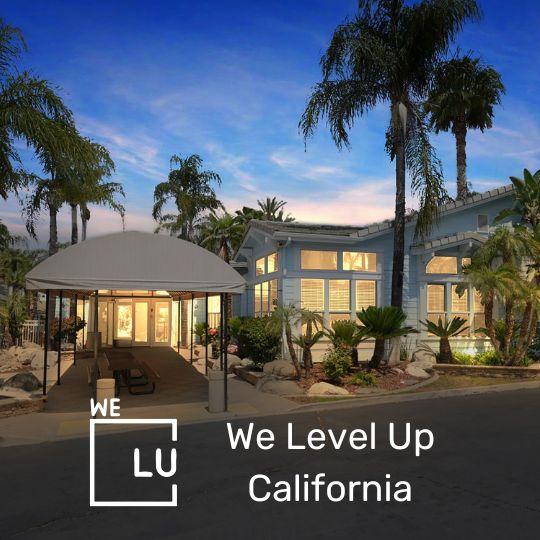
Our Top Drug & Alcohol Rehab Center in California
31631 Auto Center Dr. Lake Elsinore, CA 92530
(844) 597-1011
The We Level Up network is BBB “A” rated, Accredited & Licensed.
California Addiction & Mental Health Resources by City
- No ImageFind Lancaster Mental Health Clinics & Support Groups in California
 Find Depression Counseling San Francisco & Mental Health Clinics in CA
 Find Mental Health Clinics & Depression Monterey CA Support Groups
 Find Mental Health Clinics & Depression Support Groups Merced County CA
- No ImageFind Mental Health Clinics & Depression Counseling El Dorado Hills, CA
- No ImageInyo County Alcohol and Drug Addiction Treatment
- No ImageLassen County Alcohol & Drug Rehab
Get Help. Get Better. Get Your Life Back.
Searching for Accredited Drug and Alcohol Rehab Centers Near You?
Even if you have failed previously and relapsed, or are in the middle of a difficult crisis, we stand ready to support you. Our trusted behavioral health specialists will not give up on you. When you feel ready or just want someone to speak to about therapy alternatives to change your life call us. Even if we cannot assist you, we will lead you to wherever you can get support. There is no obligation. Call our hotline today.
(844) 597-1011Are you or somebody you know at serious risk of an overdose because of drug or alcohol abuse? If so, please call 911 right away. There are addiction rehab center addiction hotlines that can help guide you to proper local therapists & facilities.
SAMHSA TREATMENT HELPLINE
Struggling with substance use disorder? SAMHSA’s Addiction Treatment Helpline can connect you with proper help. (844) 597-1011
DRUG or ALCOHOL POISON CONTROL
If you’re experiencing or witnessing a drug- or alcohol-related poisoning, the poison control hotline can help. (844) 597-1011
Why Recover in Placentia, CA?
- Placentia has parks, trails, and recreation areas that can support exercise and healthier daily routines.
- Its location near Yorba Linda, Fullerton, Brea, and Anaheim keeps regional services within reach.
- City transportation services and maintained roads can make travel to appointments and family visits easier.
- Staying near home may help some people remain connected with family, work, and local recovery support.
Treatment Modalities at We Level Up
Treatment should fit each person’s substance use, physical health, mental health, safety needs, home environment, and recovery goals. We Level Up’s California network includes medical detox, inpatient addiction treatment, residential care, dual diagnosis services, and mental health treatment. Programs and availability can differ by facility, so admissions should confirm current services before treatment or travel plans are made.
Medical Detox
Medical detox helps people stop using drugs or alcohol while trained professionals monitor withdrawal and health risks. Some forms of withdrawal can become dangerous and may require medical supervision. Care can include health checks, medications when appropriate, fluids, and symptom support. After detox, a person may transition into residential or another level of treatment based on current needs.
Residential Rehab
Residential rehab provides a structured place to live while receiving treatment throughout the day and night. Care may include individual therapy, group sessions, medical support, family involvement, healthy routines, and recovery planning. This level may help people with severe substance use, repeated relapse, unsafe housing, or limited support at home. We Level Up describes residential and inpatient treatment as part of its California addiction services.
Partial Hospitalization Program (PHP)
A Partial Hospitalization Program provides intensive daytime care while a person returns home or to approved housing afterward. PHP may fit people who are medically stable but still need more support than standard outpatient counseling. Treatment can address coping skills, mental health symptoms, relapse prevention, and daily functioning. Current PHP availability should be confirmed with admissions before making work, school, housing, or family plans.
Intensive Outpatient Program (IOP)
An Intensive Outpatient Program provides regular therapy while allowing people to maintain more of their normal daily routines. IOP may fit people with stable housing and enough support to remain safe outside treatment hours. Sessions can address cravings, triggers, stress, relationships, mental health symptoms, and relapse prevention. A clinical assessment helps determine whether IOP provides enough support for current needs.
Outpatient Treatment
Outpatient treatment provides ongoing care without requiring a person to live at a treatment facility. It may include counseling, medication management, relapse prevention, and continuing mental health support. Outpatient care can follow detox, residential treatment, PHP, or IOP as stability improves. Treatment may continue for weeks or months when continued support helps protect recovery progress.
Medication-Assisted Treatment (MAT)
Medication-Assisted Treatment, or MAT, combines approved medications with counseling and behavioral support for certain substance use disorders. Medications may reduce cravings or withdrawal symptoms for some people with opioid or alcohol use disorders. Orange County includes medication-assisted treatment within its substance use treatment system. A qualified medical professional should determine whether medication is safe and appropriate for each person’s health and recovery needs.

Get Your Life Back
Find Hope & Recovery. Get Safe Comfortable Detox, Addiction Rehab & Dual Diagnosis Trused Care.
7/365 Line (844) 597-1011Levels of Care Explained
Treatment intensity can change as withdrawal risk, mental health symptoms, home support, and daily safety change. Some people move toward greater independence as they stabilize, while others need more structure after relapse or a change in health. Each level should reflect current clinical needs rather than follow one fixed path. Regular reviews help determine when a person can safely move to another level of care.
Medical Detox
- Who: People who may face serious health risks during withdrawal.
- Typical duration: Often several days, depending on the substance and health needs.
- Goals: Manage withdrawal safely, stabilize health, and plan continuing care.
Residential Care
- Who: People who need structured, around-the-clock support.
- Typical duration: Often several weeks or longer.
- Goals: Build coping skills, establish healthy routines, and reduce relapse risk.
Partial Hospitalization Program
- Who: Stable people who still need intensive daytime treatment.
- Typical duration: Varies with clinical needs and treatment response.
- Goals: Improve stability, manage symptoms, and prepare for less intensive care.
Intensive Outpatient Program
- Who: People who can live safely outside residential care but need regular therapy.
- Typical duration: Often several weeks or longer.
- Goals: Strengthen coping skills, routines, and relapse-prevention plans.
Outpatient Treatment
- Who: Stable people who can manage recovery with less frequent professional care.
- Typical duration: Several weeks or months.
- Goals: Manage triggers, maintain progress, and support long-term recovery.
First-class Facilities & Amenities
Trusted Comprehensive Addiction & Mental Health Rehabilitation Treatment
Rehab Centers TourRecognized Addiction Centers. Serene Private Facilities. Inpatient rehab programs vary.
Addiction Helpline(844) 597-1011Recovery-Centered Care, Backed by a Team w/ History of:
15+
Years of Unified Experience
100s
5-Star Reviews Across Our Centers
10K
Recovery Success Stories Across Our Network
- Onsite Medical Detox Center
- Comprehensive Dual-Diagnosis Treatment
- Complimentary Family & Alumni Programs
- Alumni Coaching, Recovery & Personal Development Events
Evidence-Based Therapy and Treatment Approaches
Effective care uses research-supported methods while adapting treatment to each person’s symptoms, strengths, risks, home life, and goals. Therapy may address substance use, mental health, trauma, stress, relationships, and daily challenges. Treatment can combine behavioral therapy, medication, medical support, family involvement, peer support, and aftercare. The care plan should change when symptoms, safety needs, or recovery goals change.
Cognitive Behavioral Therapy (CBT)
- Purpose: Cognitive Behavioral Therapy helps people identify connections between thoughts, feelings, and behaviors.
- Benefits: It can strengthen coping skills and help people respond differently to triggers.
- When used: It may help when thoughts or habits contribute to substance use or relapse risk.
Dialectical Behavior Therapy (DBT)
- Purpose: Dialectical Behavior Therapy teaches skills for managing strong emotions and stressful situations.
- Benefits: It can support emotional regulation, communication, and safer choices.
- When used: It may help when intense emotions affect recovery or relationships.
Individual Therapy
- Purpose: Private therapy can explore substance use, mental health, trauma, stress, and personal goals.
- Benefits: It provides focused support and can help identify personal triggers.
- When used: It can be used throughout different stages of treatment.
Group Therapy
- Purpose: Group therapy combines guided discussion, education, skills practice, and peer feedback.
- Benefits: It can reduce isolation and provide shared learning.
- When used: Groups may be included in residential, outpatient, and continuing care.
Family Therapy
- Purpose: The Family Program can help families understand addiction and improve communication.
- Benefits: Family education can support healthier boundaries and recovery at home.
- When used: It may help when family relationships or home stress affect progress.
Trauma-Informed Care
- Purpose: Trauma-informed care considers how past trauma may affect trust, stress, behavior, and substance use.
- Benefits: It emphasizes safety, respect, choice, and collaboration.
- When used: It may be appropriate when trauma symptoms affect substance use or mental health.
Relapse Prevention
- Purpose: Relapse prevention identifies triggers, warning signs, cravings, and high-risk situations.
- Benefits: It helps people create practical plans for managing stress and difficult situations.
- When used: These skills can be developed during treatment and strengthened through aftercare.
Holistic Therapies
- Purpose: Holistic approaches may include recreation, mindfulness, movement, or other wellness activities.
- Benefits: These activities can support healthier routines and stress management.
- When used: They should complement, rather than replace, clinical treatment.
What Makes a Quality Rehab Center?

People comparing Placentia drug rehab programs should ask how each center handles safety, clinical care, mental health, family needs, and continuing support. A quality program should explain its licensing, staff qualifications, treatment approach, and discharge planning. It should also provide clear information about insurance, payment options, family involvement, and aftercare. Orange County maintains directories of licensed and certified substance use treatment providers for people comparing available programs.
- Clear insurance and payment guidance
- Licensed and qualified clinical professionals
- Current state licensing and accreditation
- Medical detox when clinically appropriate
- Dual diagnosis treatment
- Individualized treatment plans
- Family education and involvement
- Aftercare and discharge planning
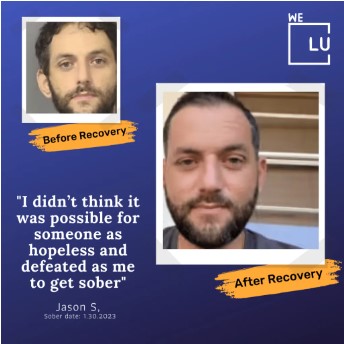
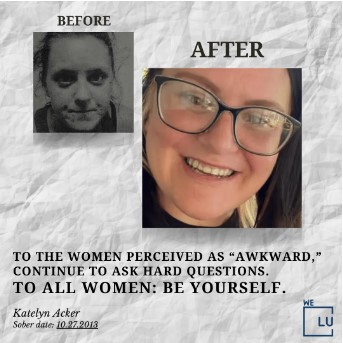
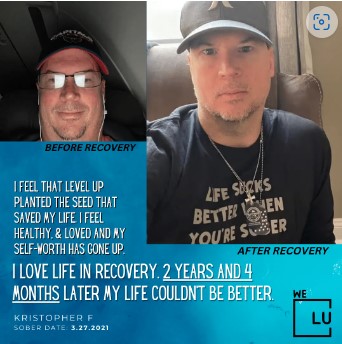
Experience Transformative Recovery at We Level Up Treatment Centers.
See our authentic success stories. Get inspired. Get the help you deserve.
Start a New Life
Begin with a free call to an addiction & behavioral health treatment advisor. Learn more about our dual-diagnosis programs. The We Level Up Treatment Center Network delivers recovery programs that vary by each treatment facility. Call to learn more.
- Personalized Care
- Caring Accountable Staff
- World-class Amenities
- Licensed & Accredited
- Renowned w/ 100s 5-Star Reviews
We’ll Call You
Placentia Support Groups and Community Resources
Peer support can provide connection during recovery and after formal treatment ends. Placentia residents can find local Alcoholics Anonymous meetings, nearby Narcotics Anonymous options, and skills-based SMART Recovery meetings. Orange County also provides behavioral health navigation and treatment referrals through OC Links. Meeting times and locations can change, so people should check official directories before attending.
AA Meetings
Alcoholics Anonymous provides peer support for people seeking recovery from alcohol use. The Orange County AA directory currently lists 14 in-person meetings in Placentia, with additional meetings available throughout nearby Orange County communities. Meeting formats can include discussion, speaker, open, closed, and other group types. People should verify current times and locations before attending.
NA Meetings
Narcotics Anonymous provides peer support for people recovering from drug addiction. The current We Level Up Placentia resource page identifies nearby NA options, including meetings in Placentia and surrounding communities such as Yorba Linda. Local schedules can change, so people should check a current NA meeting directory before traveling. NA can complement professional addiction treatment but does not replace medical care.
SMART Recovery
SMART Recovery uses practical, skills-based tools to help people manage urges, thoughts, feelings, and behaviors linked to addictive patterns. Its meetings are free and available online and in person through the official meeting finder. The approach is based on self-management and can be used alongside other recovery methods. People in Placentia can check current meeting options before attending.
Local Mental Health Resources
OC Links is a free and confidential Orange County service that connects residents with mental health and substance use resources. Licensed clinicians and trained behavioral health professionals answer calls and online chats 24/7 and can provide information, referrals, treatment options, and urgent support. Orange County also provides outpatient and residential substance use services for eligible residents. People can contact OC Links for help finding a local program that fits their needs.
Is Placentia Right for Your Recovery?
Staying near Placentia may make family involvement, work responsibilities, appointments, and local support easier to maintain. Traveling for treatment may provide greater distance from people, places, or routines connected with substance use. Severe addiction, unsafe withdrawal, unstable housing, or repeated relapse may make a structured residential setting more appropriate. Admissions can review safety, privacy, family needs, work, travel, and treatment goals before helping identify a suitable location.
Dual Diagnosis and Co-Occurring Mental Health Treatment
A substance use disorder and a mental health condition can occur together and influence each other. Common co-occurring conditions include depression, anxiety, bipolar disorder, and trauma-related disorders. Dual diagnosis treatment addresses substance use and mental health concerns as part of a coordinated treatment plan. Treating both concerns together can help address symptoms that might otherwise interfere with recovery.
- Depression treatment can address persistent low mood and related symptoms.
- Anxiety treatment can address excessive worry, fear, and related symptoms.
- PTSD treatment can address trauma-related symptoms that affect daily life.
- Mental health treatment can support emotional and behavioral health needs that affect recovery.
Family Involvement and Alumni Support
Family education can help loved ones understand addiction, recognize warning signs, communicate more effectively, and establish healthy boundaries. Family sessions and visitation depend on the program, client preferences, safety, and facility rules. We Level Up’s Placentia resource page highlights family and alumni programs as part of its broader recovery network. Aftercare may include therapy, recovery coaching, peer groups, medication support, and other continuing services.
- Family education can explain addiction, recovery, boundaries, and relapse warning signs.
- Family sessions can create structured opportunities for healthier communication.
- Aftercare can help people maintain progress after intensive treatment.
- The Alumni Program can provide continued peer connection and recovery support.
Insurance, Payment Options and Financial Assistance
Insurance may cover some addiction or mental health treatment, but benefits vary by plan, network, authorization requirements, deductibles, and other factors. Admissions staff can help review insurance benefits and explain possible payment or financial options before treatment begins. Use the We Level Up insurance verification process to review possible coverage and treatment-cost questions. Our admissions team is available 24/7 to verify your insurance benefits at no cost.
Facility Tour and Treatment Environment
- We Level Up does not list a residential treatment center inside Placentia.
- The nearest listed We Level Up California treatment center is at 31631 Auto Center Drive, Lake Elsinore, CA 92530.
- The California center provides inpatient addiction treatment, medical detox, dual diagnosis care, family support, and recovery-focused services.
- Admissions can provide current information about rooms, therapy areas, outdoor spaces, dining, recreation, photos, and tour options.
Start Your Recovery Today
Recovery can begin with a confidential conversation about substance use, mental health, safety, insurance, and treatment goals. We Level Up admissions can review your needs and explain available options within its California treatment network. Call (844) 597-1011 or use the contact form for 24/7 admissions support. If someone is experiencing an overdose or another life-threatening emergency, call 911 immediately.
Frequently Asked Questions
How long does drug rehab usually last?
Treatment length depends on substance use, health, mental health, safety, progress, and the level of care needed.
Can health insurance help pay for rehab?
Many insurance plans cover some addiction treatment, but benefits, authorization rules, and out-of-pocket costs vary.
Can I work while receiving addiction treatment?
Some outpatient programs may allow work or school, while residential treatment usually requires more time away from regular responsibilities.
What should I bring to residential treatment?
Packing rules vary by facility, so admissions should provide a current list of approved clothing, medications, documents, and personal items.
Can family members participate in treatment?
Family involvement may include education, therapy, visitation, and aftercare support, depending on the program and treatment plan.
Does drug rehab also treat mental health conditions?
Some programs provide dual diagnosis treatment for substance use disorders and co-occurring mental health conditions.
Our admissions team is available 24/7 to answer your questions. Call (844) 597-1011 to learn more.
Sources:
Orange County Health Care Agency — Alcohol & Substance Use Services.
Orange County Health Care Agency — SUD Outpatient Services and Clinics.
Orange County Health Care Agency — Residential Drug Treatment Services.
Orange County Health Care Agency — Adult and Older Adult SUD Treatment.
Orange County Health Care Agency — OC Links Behavioral Health Resources.
SMART Recovery — Official Meeting Finder and Recovery Program.
Orange County Alcoholics Anonymous — Meeting Directory.
City of Placentia — Public Works and Transportation Services.
U.S. Census Bureau — Placentia, California QuickFacts.
We Level Up — Placentia Drug Rehab Resources.