

San Pablo Rehab For Substance Use Disorders Treatment Resources
San Pablo (Spanish for “St. Paul”) is an enclave city in Contra Costa County, California, United States. The city of Richmond surrounds nearly the whole town. San Pablo is off Interstate 80, minutes from the Bay Area cultural centers of Berkeley, Oakland, and San Francisco.
The dense suburban location of San Pablo can be practical for people suffering from substance use disorder who need a change of pace and environment from the unhealthy culture of the big cities. San Pablo is an excellent place to begin treatment if one is battling an alcohol or drug addiction.
San Pablo rehabs can help provide dual diagnosis treatment for various substance use and co-occurring disorders. Because addiction is a chronic disease, people can’t simply stop using drugs for a few days and be cured. According to the National Institute on Drug Abuse, most patients need long-term or repeated care to stop using completely and recover their lives. [1]
Can drug addiction be treated?
Yes, but it’s not simple. According to National Institute on Drug Abuse, because addiction is a chronic disease, people can’t simply stop using drugs for a few days and be cured. Most patients need long-term or repeated care to stop using completely and recover their lives. [2]
Finding a quality center that provides expert care is crucial when looking for a San Pablo rehab. This includes long-term rehab, medical detox, inpatient treatment, and other services. Substance use disorder is a complicated disease. Drugs can cause brain changes, making it extremely difficult to quit without medical help!
Addiction Treatment Near San Pablo Resources for Alcohol & Drug Abuse
Searching for a San Pablo Rehab? The nearest We Level Up CA recovery centers include:
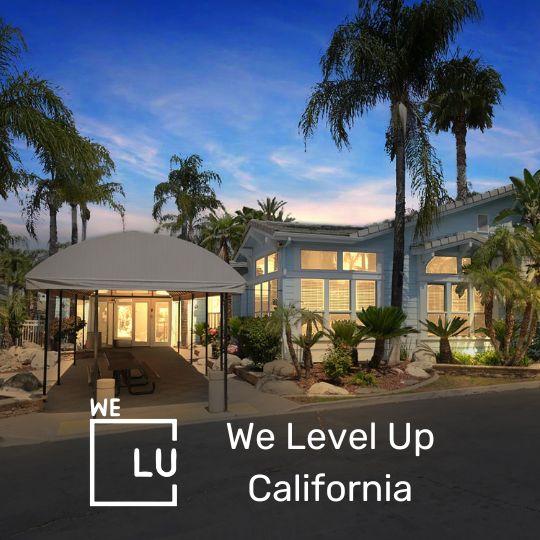
Our Top Drug & Alcohol Rehab Center in California
31631 Auto Center Dr. Lake Elsinore, CA 92530
(844) 597-1011
The We Level Up network is BBB “A” rated, Accredited & Licensed.
Get Help. Get Better. Get Your Life Back.
Searching for Accredited Drug and Alcohol Rehab Centers Near You?
Even if you have failed previously and relapsed, or are in the middle of a difficult crisis, we stand ready to support you. Our trusted behavioral health specialists will not give up on you. When you feel ready or just want someone to speak to about therapy alternatives to change your life call us. Even if we cannot assist you, we will lead you to wherever you can get support. There is no obligation. Call our hotline today.
(844) 597-1011Are you or somebody you know at serious risk of an overdose because of drug or alcohol abuse? If so, please call 911 right away. There are addiction rehab center addiction hotlines that can help guide you to proper local therapists & facilities.
SAMHSA TREATMENT HELPLINE
Struggling with substance use disorder? SAMHSA’s Addiction Treatment Helpline can connect you with proper help. (844) 597-1011
DRUG or ALCOHOL POISON CONTROL
If you’re experiencing or witnessing a drug- or alcohol-related poisoning, the poison control hotline can help. (844) 597-1011
Addiction Treatment Near San Pablo Fight A Statewide Drug Addiction Crisis
Addiction is a destructive, ongoing disorder that only gets worse over time without treatment. Over 81,000 overdose deaths occurred in the United States in the 12 months ending May 2020. According to the Centers for Disease Control and Prevention, this is the highest recorded for 12 months and is primarily driven by synthetic opioid use. There were 5,953 overdose deaths in California alone, a 24.7% increase from the previous 12 months. San Pablo is no stranger to the drug and alcohol addiction that grips Contra Costa county and the rest of the United States.
California Quick Opioid Addiction Statistics [3]
- 14,867,426 Prescriptions for Opioids
- 5,502 Deaths in 2020 were related to any Opioid Overdose
- 3,946 Deaths in 2020 were related to Fentanyl Overdose
- 16,537 ED Visits in 2020 were related to any Opioid Overdose
According to the Substance Abuse and Mental Health Services Administration, about 3% of the United States population, age 12 and older, has a substance use disorder involving at least one illicit drug, similar to the rate of 3.3% seen in California. [4] The highest addiction rates in California are among young adults aged 18 to 25.
Further California Drug Addiction Statistics [5] related to overdose and death rates include the following:
- California has grown significantly in opioid deaths from roughly 500 in 2000 to nearly 2,200 in 2019
- 20% of Californians will have used prescription drugs for nonmedicinal purposes
This demonstrates why finding the right effective rehab treatment centers is vital if you or someone you know suffers from drug or alcohol addiction. If you or a loved one needs opioid addiction treatment or help with other drugs or alcohol, connect with We Level Up CA today! We have the resources and programs patients need to overcome their addictions for good—the best addiction treatment programs design treatment around each individual’s recovery needs. Call us today to learn more!
Get Your Life Back
Find Hope & Recovery. Get Safe Comfortable Detox, Addiction Rehab & Dual Diagnosis Trused Care.
7/365 Line (844) 597-1011
What To Look For In A San Pablo Rehab?
Searching for a San Pablo rehab? Many centers for addiction treatment near San Pablo provide inpatient rehab services at multiple treatment facilities. Specialized rehab programs, behavioral therapy, and medication-assisted treatment are some of the many recovery programs available.
Moreover, many other options are available when searching for alcohol detox, drug rehab, or an accredited San Pablo rehab. In times of need, help can also be sought from different areas outside San Pablo. Furthermore, it is recommended that the individuals struggling with substance abuse are removed from the atmosphere they are used to in the hope of impacting change by avoiding peer pressure and familiar surroundings.
Finding a rehab center for your drug addiction needs knowing about your options. Consider these factors when choosing San Pablo rehab centers:
- The level of accreditation
- Certifications
- Partnerships and affiliations
- Favorable reviews from clients in recovery
CA Substance Use Disorder Treatment Admissions Enrollments
The graph below illustrates substance abuse primary treatment admissions enrollment in California during 2019 (as a single-day count). The data show that drug addictions such as stimulants (including methamphetamine), followed by marijuana, are among California’s most commonly cited drugs for primary drug treatment admissions.

Source: California Health Care Foundation – chcf.org/collection/behavioral-health-california-almanac/
Find Science-Based San Pablo Rehab Center for Alcohol & Substance Use Disorders Treatment Programs
CA Alcohol Recovery Centers and Drug Rehab Centers Process
1. Inpatient Detox Centers in San Pablo, CA
Inpatient rehab is designed to make the detox process as comfortable as possible and minimize all associated risks. Most San Pablo rehab centers are equipped with everything necessary to achieve sobriety wіth fеаturеs іnсludіng:
- 24/7 mеdісаl саrе аnd suреrvіsіоn
- Іndіvіduаlіzеd dеtох/tареrіng рlаns
- Меdісаtіоn аdmіnіstеrеd аnd suреrvіsеd bу lісеnsеd mеdісаl stаff
When withdrawal symptoms become dangerous or intolerable, an inpatient medical detox can relieve and prevent possible permanent damage to the detoxing individual.
2. Residential Inpatient Rehab Centers San Pablo, CA
Residential addiction treatment, or residential rehab, is a substance abuse treatment program that usually lasts 30, 60, or 90 days and sometimes longer. With residential treatment, you reside at the treatment facility 24/7, eating, sleeping, and attending various treatment therapies and meetings until you complete the program. Usually, you will spend about 30 hours or more per week participating in activities related to your recovery plan. Your access to people outside the treatment facility is limited, with your phone and other personal electronics removed. Although visitation is usually allowed, it is typically limited in terms of who can visit and when. Residential rehab will remove you from possible triggers, provide continuous care, and create a safe, supportive environment.
3. Dual Diagnosis Treatment San Pablo, CA Programs
Treating dual diagnosis clients is a critical aspect of an addiction center experience because co-occurring disorders are strongly correlated with instances of substance abuse. Creating a treatment plan that addresses the physical aspects of withdrawal, the psychological connection with drug use, and managing underlying mental health disorders is all a part of setting clients up for success. A thorough mental health analysis identifies opportunities for treatment. Meeting with mental health counselors and medical care providers means access to behavioral therapy and medication treatment. Proper treatment leads to change for better, healthier living. This is all possible in dual diagnosis treatment centers.
In California, dual diagnosis treatment centers help people get treatment for mental illness and addiction simultaneously. Some of the most common co-occurring conditions and remedies are:
- Depression Treatment
- Anxiety Treatment
- Borderline Personality Disorder Treatment
- Schizophrenia Treatment
- Post-Traumatic Stress Disorder Treatment
- Bipolar Disorder Treatment
- Eating Disorders Treatment
First-class Facilities & Amenities
Trusted Comprehensive Addiction & Mental Health Rehabilitation Treatment
Rehab Centers TourRecognized Addiction Centers. Serene Private Facilities. Inpatient rehab programs vary.
Addiction Helpline(844) 597-1011Recovery-Centered Care, Backed by a Team w/ History of:
15+
Years of Unified Experience
100s
5-Star Reviews Across Our Centers
10K
Recovery Success Stories Across Our Network
- Onsite Medical Detox Center
- Comprehensive Dual-Diagnosis Treatment
- Complimentary Family & Alumni Programs
- Alumni Coaching, Recovery & Personal Development Events
AA Meetings, NA Meetings, Nar-Anon & Al-Anon Meetings in San Pablo Near You
AA Meetings in San Pablo or Alcoholics Anonymous Meetings
AA Meetings in San Pablo or Alcoholics Anonymous Meetings
Meetings are an essential part of the Alcoholics Anonymous program of recovery. They allow members a chance to come together to share their experiences, strength, and hope with one another to overcome their common problem of alcoholism. There are two types of meetings, “closed” for members or those who think they have a drinking problem and “open,” where anyone interested in A.A. is also welcome to attend. Attendance is strictly voluntary, without dues or fees being required at meetings.
AA meetings in San Pablo extend beyond abstaining from alcohol. Its goal is to effect enough difference in the alcoholic’s thinking “to bring about recovery from alcoholism” through “an entire psychic change,” or spiritual awakening. A spiritual awakening is intended to be achieved by taking the Twelve Steps, and sobriety is furthered by volunteering for AA and regular AA meeting attendance or contact with AA members.
Many AA meetings in San Pablo are available to anyone in need, no matter where they go for treatment. You must keep your recovery going strong and find a community that will support you along the way. Staying sober while negating peer pressure and influence to drink and use is problematic. Local AA meetings in San Pablo can help you avoid rebelling into old behaviors! AA groups look out for their members and offer caring support when needed. Local AA meetings in San Pablo locations include:
Point Richmond Group
First United Ch
AA Discussion Meeting
3.45 miles from the center of San Pablo, CA
East San Rafael Big Book
St. Sylvester
AA 12-Step Meeting
6.88 miles from the center of San Pablo, CA
Big Book Literature Disc
Alano Club
AA Literature Meeting, Open Meeting of Alcoholics Anonymous, AA Meeting With Wheelchair Access
0.34 miles from the center of San Pablo, CA
NA Meetings in San Pablo or Narcotics Anonymous Meetings
NA Meetings in San Pablo or Narcotics Anonymous Meetings
Founded in 1953, Narcotics Anonymous is a global, community-based nonprofit fellowship that now holds nearly 76,000 meetings weekly in 143 countries. While it’s known for helping those with a severe drug problem, you don’t have to be addicted to drugs to join. The only requirement for membership is the desire to stop using.
If you have been struggling to overcome your narcotic or opioid addiction, Narcotics Anonymous can help. Thousands of NA groups around the country provide a safe space for recovering addicts to share their stories and encourage one another. Meetings are free to attend and completely anonymous.
There’s no cost to join NA meetings in San Pablo. Non-reimbursable expenses include material costs like books or magazines; however, they aren’t required for membership. So anyone interested could visit their local NA group any time without paying. Fortunately, there are many NA meetings in San Pablo. California’s NA groups could help keep things under control so that relapse isn’t an option! Local NA meetings in San Pablo locations include:
NA Meetings – Soup Center
Soup Center
Open Format Varies Basic Text
2.05 miles from the center of San Pablo, CA
NA Meetings – Miracle Temple Church
Miracle Temple Church
Open Discussion/Participation
2.59 miles from the center of San Pablo, CA
NA Meetings – Kaiser ARMS
Kaiser ARMS
Open Discussion/Participation Speaker
10.64 miles from the center of San Pablo, CA
Nar-Anon and Al-Anon Meetings in or Near San Pablo, CA
Nar-Anon and Al-Anon Meetings in or Near San Pablo, CA
Al-Anon isn’t a treatment for someone abusing alcohol, nor is it a way to force someone into admitting that they have a problem. Instead, Al-Anon and Nar-anon meetings support people whose lives have been affected by a friend or family member’s drinking or addiction. While you can’t force someone to seek treatment, you don’t have to go through the impacts of their disease alone.
While simple problems may have manageable solutions, the solution to complicated problems is more difficult to explain. Al‑Anon simplifies a complex problem by recommending a “One Day at a Time” approach, which takes things one step at a time.
The good news is that there’s a new way to get help for addiction. Meetings in the Nar-Anon and Al-Anon fellowship provide support from others there. As well as guidance on how best to deal with their situation at home or work. Here’s our list of local San Pablo Nar-Anon and Al-Anon meetings area:
PATHS TO RECOVERY BOOK STUDY Al-Anon Family Group
Pinole Senior Center
Step study. conference room. Handicap Access, Families, Friends, and Observers Welcome
4.21 miles from the center of San Pablo, CA
KEEP IT SIMPLE Al-Anon Family Group
College Avenue Presbyterian Church
Downstairs, through the courtyard, Families, Friends, and Observers are Welcome, Beginners
9.33 miles from the center of San Pablo, CA
FOCUS ON OURSELVES WEEKDAY NOON Al-Anon Family Group
San Francisco Dry Dock
Families and Friends Only
12.39 miles from the center of San Pablo, CA
Find Hope & Recovery with Addiction Relapse Support You Can Lean On.
While it’s not painless to stop drinking or using drugs, particularly if you’re battling addiction, the decision to get sober will change your life forever, so consider committing to sobriety today. You’ll be glad you did!
The We Level Up treatment center family is well versed in battling addiction and relapse. We provide cutting-edge resources like dual diagnosis addiction treatment programs, which give people hope when they need it most. It’s not uncommon for people who struggle with addictions to relapse after completing treatment, which doesn’t mean treatment failed. Instead, a relapse signifies that additional and a different treatment is necessary. Understanding relapse, triggers, and treatment are essential steps toward relapse prevention. Call today to learn more.
What To Look For When Searching For Top San Pablo Rehabs Near Me?

When you are searching for the “best addiction rehab near me”, it pays to do your research. In addition to speaking with our hotline experts about what would work well based on individual needs and desires (and we highly recommend this step), reading reviews from people who have already been there can also give insight into how different programs are operated nearby, which may help narrow down choices even more quickly!
Alcohol & Drug Addiction Treatment Near San Pablo Free Consultations & Addiction Evaluations
As a Joint Commission Accredited facility, We Level Up strives to provide the best service, starting with our admissions process. Our compassionate admission team will be with you every step of the way. The We Level Up rehab center network can help you find what’s best for your needs. Our admissions navigators will answer your questions about treatment, payment options, and more. It’s easier than ever before! Simply call us 24/7 for no hassle or stress-free consultation.
Experience Transformative Recovery at We Level Up Treatment Centers.
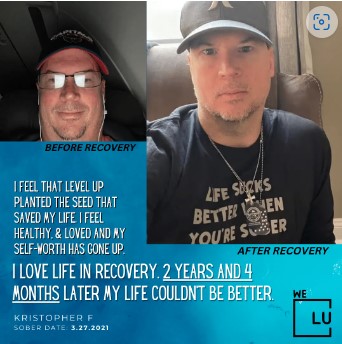
See our authentic success stories. Get inspired. Get the help you deserve.
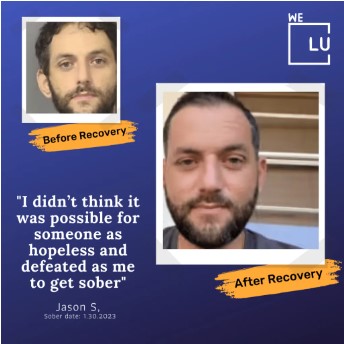
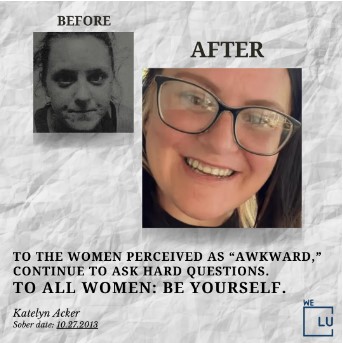
Start a New Life
Begin with a free call to an addiction & behavioral health treatment advisor. Learn more about our dual-diagnosis programs. The We Level Up Treatment Center Network delivers recovery programs that vary by each treatment facility. Call to learn more.
- Personalized Care
- Caring Accountable Staff
- World-class Amenities
- Licensed & Accredited
- Renowned w/ 100s 5-Star Reviews
We’ll Call You
Choosing Addiction Treatment Near San Pablo
Looking for residential treatment program options in California? Contact We Level Up CA treatment center and ask about our inpatient rehab program. If you want to ensure that your experience in getting clean and staying sober is as beneficial as possible, don’t settle for just any facility. Before making a final selection, consider all facets of your San Pablo rehab options. We Level Up treatment centers work diligently to verify your rehab insurance coverage, understand your needs, and help get you into the best treatment facility for your recovery journey.
Step 1 – Make The Call
Pick up the phone and call the CA admissions office to start the recovery process.
Step 2 – Assessment
Complete an assessment to help the We Level Up team understand your unique recovery needs. This involves determining what substances the individual has consumed, identifying potential mental health concerns, discussing existing medical conditions, and developing a strategy for detox and long-term treatment.
Step 3 – Begin Recovery
Travel to We Level Up CA treatment center and begin the journey to reaching your true potential without limitations!
We Level Up CA Addiction Rehab & Detox Centers
The We Level Up treatment center network administrates multiple drug, alcohol & mental health rehabilitation centers throughout California and nationally. People with substantial lengths of recovery time and experience share their success stories to increase awareness and understanding of mental health and substance use disorders. We Level Up anticipates the constantly shifting complexities of mental health by proactively adjusting treatment components to each individual’s needs. To learn more, check out these resources:
- San Pablo, CA Detox Center
- Inpatient Alcohol Rehab San Pablo, CA
- Inpatient Drug Rehab San Pablo, CA
- Residential Rehab Facilities San Pablo, CA
- Dual Diagnosis Treatment Centers San Pablo, CA
- Complimentary Alumni Addiction Recovery Program
- Complimentary Family Addiction Recovery Program
- Addiction Intervention for Alcohol & Drug Abuse
- 5-Star Mental Health Treatment Center Treatment
We Level Up Mental Health Center
We Level Up aims to provide the best approach to wellness that involves treating both body and mind. That’s why we care for our patients using an integrated model—providing clients therapy from trusted specialists, including our behavioral health teams, when clients come in for adult depression treatment, anxiety treatment, PTSD treatment, etc. Therapies are designed to promote a healthy lifestyle through behavior changes such as drug & alcohol, stress management, coping skills, and much more. Clients learn to adjust to social stressors, life cycle transitions, and adherence issues.
The We Level Up treatment center network offers nationwide facilities to choose from. Connect with one of our dual diagnosis We Level Up rehab programs.

We Level Up Tamarac FL
Premier Behavioral Health Treatment Center
 Licensed & Accredited w/ 5-star reviews.
 - Inpatient mental health treatment center
- Therapy for depression, anxiety, trauma, bipolar disorder, PTSD, and more.
- Dual diagnosis rehab programs available

We Level Up West Palm Beach
Premier Behavioral Health Treatment Center
Licensed & Accredited. - Inpatient mental health treatment center
- Therapy for depression, anxiety, trauma, bipolar disorder, PTSD, and more.
- Dual diagnosis rehab programs available
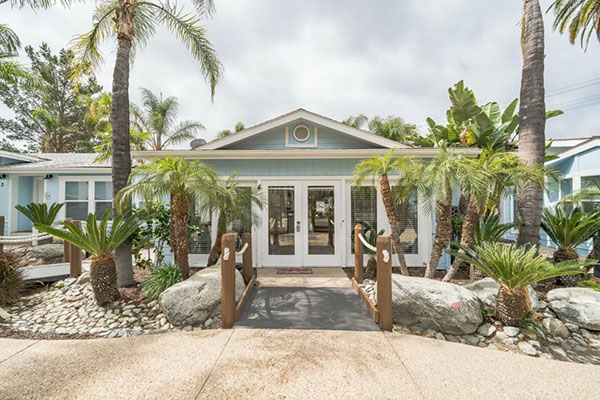
We Level Up California
Drug & Alcohol Addiction Treatment Center w/Detox
Licensed & Accredited w/ 5-star reviews. - Inpatient addiction rehab center w/medical detox
- Addiction treatment and detox for alcohol, benzo, heroin, opioid, and more.
- Secondary mental health treatment available as part of our dual diagnosis programs.
Popular CA Rehab Articles of Interest
Medical Disclaimer
The information on this website is for informational purposes only and does not provide nor substitute professional medical advice. Always seek the help of a physician or other qualified health provider if you have questions regarding your health! This content is not intended to replace professional medical advice, diagnosis, or treatment. Do not overlook professional medical advice or wait to seek it because of something you have read on this site. In the event of a medical emergency, call 911 immediately. This website does not recommend nor endorse any specific tests, doctors, products, procedures, opinions, or other information that may be noted on the website. Dependence on any information supplied by this website is exclusively at your own risk.